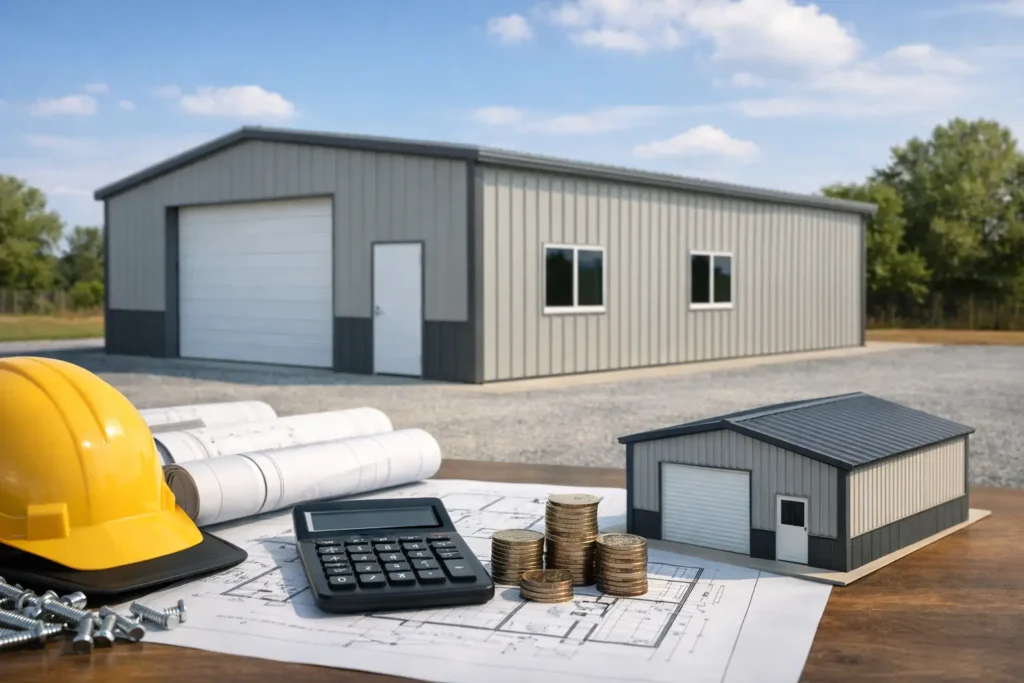
A 30x30x10 steel building sounds straightforward until you start pricing one. The base frame may fit your budget, but the final 30x30x10 metal building cost can shift fast depending on your roof style, enclosure, door layout, certification needs, and site conditions. If you are planning a garage, workshop, equipment storage space, or small business building, the smartest move is to look past the headline price and understand what actually changes the total.
For many property owners, a 30×30 footprint hits a practical sweet spot. At 900 square feet, it is large enough for multiple vehicles, shop space, farm equipment, or mixed-use storage without stepping into a much bigger budget category. A 10-foot leg height also works well for standard vehicle clearance, taller pickups, and many utility uses. But the right price depends on how you want the building to perform, not just how large it is on paper.
What affects 30x30x10 metal building cost?
The biggest pricing factor is how simple or how customized your building is. Two 30x30x10 structures can look similar from the road and still be priced very differently.
A basic unit with an open layout, standard roof, and minimal accessories will usually cost less than a fully enclosed building with upgraded panels, multiple framed openings, insulation, and engineered certification. That is why shoppers often get frustrated when they see one low advertised number and assume it covers everything they need.
Width, length, and height matter, but they are only the starting point. The details below are what move the number.
Roof style changes price and performance
Roof design affects both cost and long-term use. A regular roof is usually the most budget-friendly option, but it is better suited to mild conditions and smaller spans. A boxed-eave roof offers a cleaner look and better water runoff, while a vertical roof is often the strongest choice for durability, snow shedding, and lower maintenance over time.
If your building will be exposed to heavier rain, snow, or falling debris from trees, paying more upfront for a vertical roof often makes sense. It adds to the purchase price, but many owners see it as money well spent because it improves drainage and reduces wear.
Open, partially enclosed, or fully enclosed
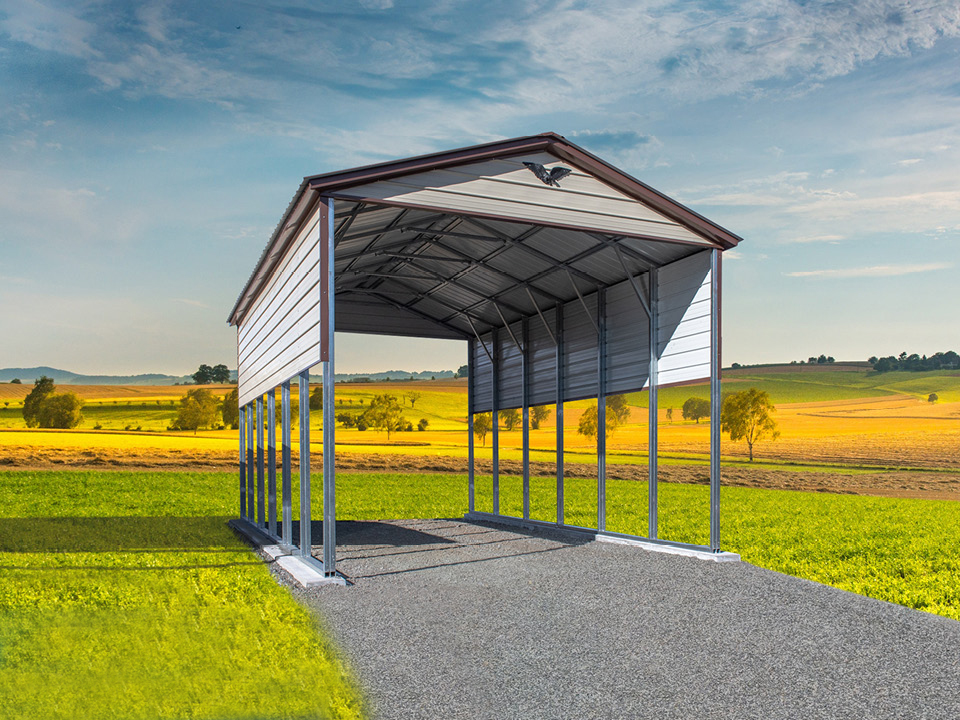
An open metal building costs less because it uses fewer panels and trim components. That setup works well for equipment cover, hay storage, or open vehicle protection. Once you start enclosing sides and ends, material and labor costs rise.
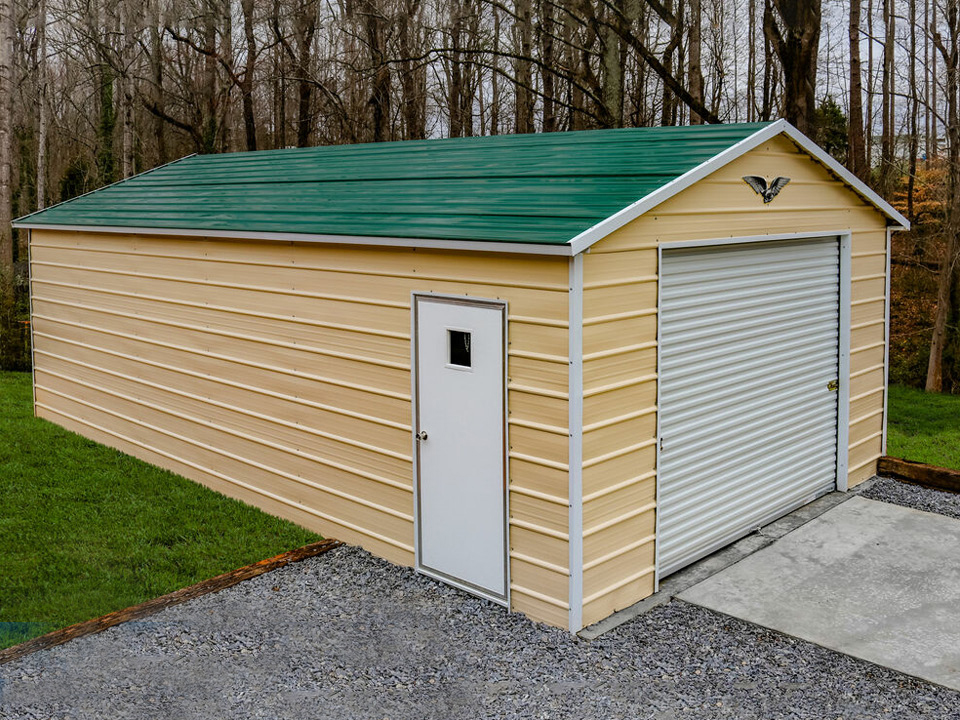
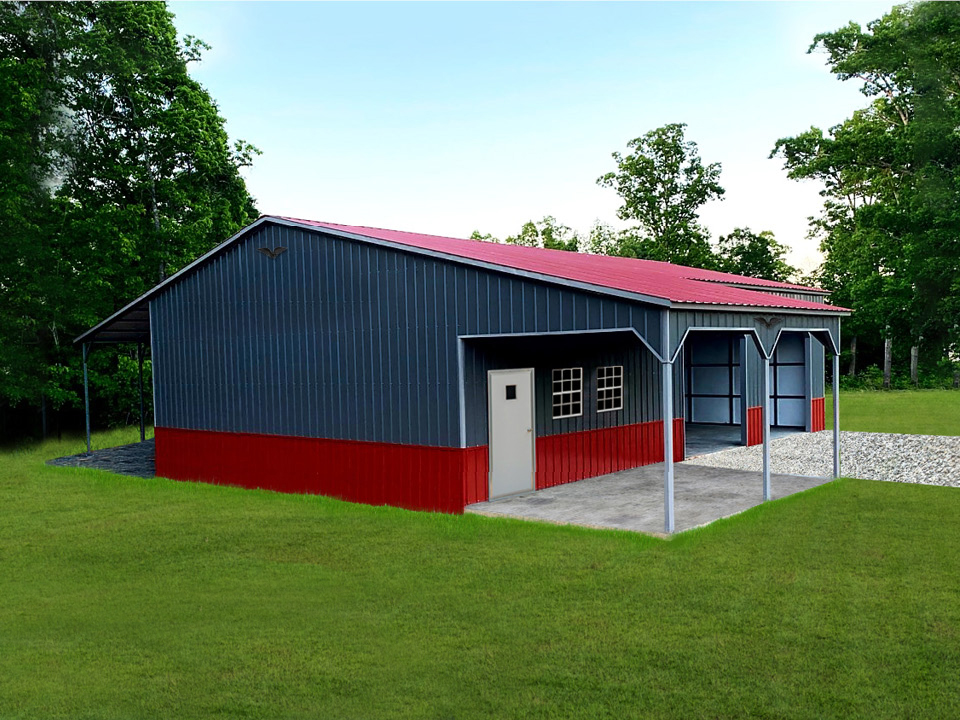
A fully enclosed 30x30x10 building gives you more protection from weather, better security, and more flexibility for use as a garage or workshop. It also usually increases the total cost the most, especially when you add roll-up doors, walk-in doors, and windows.
Doors and openings matter more than most buyers expect
One large garage door can be a major part of your budget. Two framed openings, a walk-in door, and several windows can add up quickly. Placement also matters. If your layout needs oversized openings for tractors, trailers, or RV access, the frame may require additional engineering or bracing.
This is one of the clearest examples of why custom quoting matters. A building designed for parking two pickups is not priced the same as one designed for a mechanic shop or farm equipment storage, even if both are 30x30x10.
Gauge, certification, and local code requirements
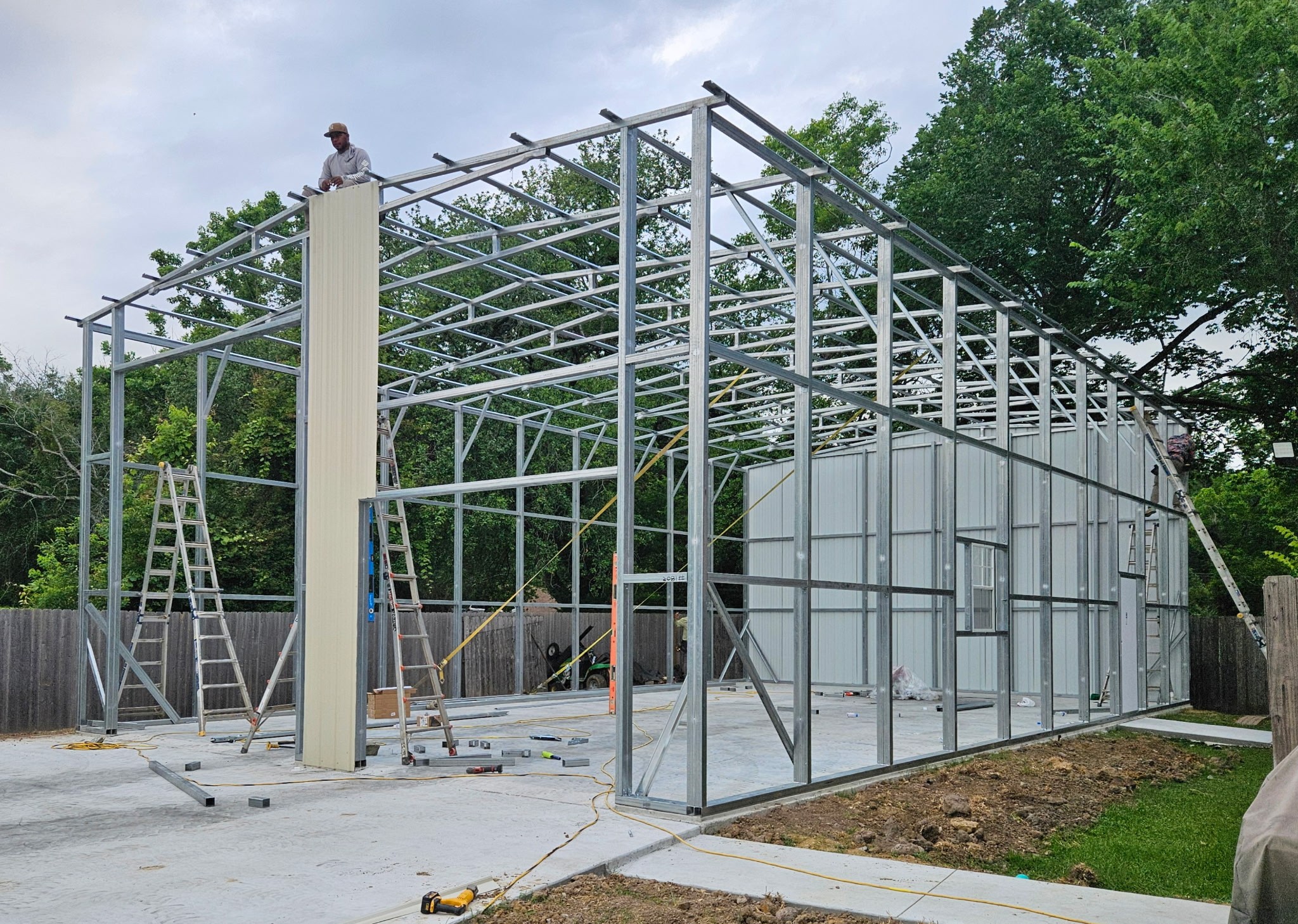
Steel gauge affects strength and price. Heavier-duty framing typically costs more, but it may be required based on your location, intended use, or local permitting rules. Wind and snow load certification can also raise the upfront cost.
That said, cutting corners here can become expensive later. If your county requires a certified structure, or if your site is exposed to strong weather, choosing the right specifications from the start protects both your investment and your timeline.
Typical price range for a 30x30x10 metal building
Most buyers want a ballpark figure first, and that is fair. In many cases, a basic 30x30x10 metal building may start in the lower end of the range, while a fully enclosed and customized version can land much higher once installation, site prep, doors, and upgrades are included.
A common planning range for the building package alone is roughly $15,000 to $30,000+, depending on design choices and certification. Once you factor in concrete, anchoring, delivery, and installation, the full project cost can rise beyond that range. In some cases, especially with multiple upgrades or difficult site conditions, the total can move well above initial expectations.
That wide spread is not meant to be vague. It reflects reality. A simple cover building and a finished workshop are different projects.
Costs beyond the building package
One of the biggest budgeting mistakes is focusing only on the structure price. The building is central, but it is not the whole job.
Site prep and foundation
Your site has a direct effect on total cost. If the ground is already level, accessible, and ready for construction, your budget stretches further. If it needs grading, clearing, fill dirt, drainage work, or extra prep for a concrete slab, costs go up.
Concrete is often one of the largest additional expenses. Some buyers choose ground installation with anchors where allowed, while others need or prefer a slab for enclosed garages and workshop use. A slab gives you a cleaner finished surface and can improve usability, but it needs to be planned correctly for dimensions, drainage, and anchor points.
Delivery and installation
Delivery rates vary by location, and installation costs depend on complexity. A straightforward build on an easy-access site will typically cost less to install than a structure placed on a tight rural lot with slope, obstacles, or limited equipment access.
This is where working with a company that coordinates the full process can save time and reduce surprises. When delivery, setup, and design are aligned upfront, there is less risk of delays and change orders.
Insulation and interior upgrades
If you want to use your building year-round, insulation may be worth including from the beginning. It adds to the project cost, but it can improve comfort, reduce condensation, and make the building much more usable as a workshop or storage space for sensitive items.
Other upgrades like wainscoting, additional trim, upgraded panel colors, or ventilation systems are not always essential, but they can improve appearance and long-term function. The right choice depends on whether your priority is low entry cost or better day-to-day performance.
How to keep your budget under control
The best way to manage 30x30x10 metal building cost is to separate must-haves from nice-to-haves. Start with how you will actually use the building over the next five to ten years.
If you need secure vehicle storage and workspace, a fully enclosed layout with one or two garage doors may be worth every dollar. If your main goal is simply covering tractors or trailers, an open or partially enclosed design could meet the need at a lower price.
It also helps to avoid underbuilding. Choosing a cheaper roof or lighter specifications might lower the quote today, but if the structure does not match your weather conditions or intended use, you may end up paying more in maintenance, upgrades, or replacement later.
A good quote should make the trade-offs clear. That is one reason many buyers prefer using a custom design process instead of guessing from generic pricing. On https://Www.essexbuildings.com, property owners can configure size, style, and features around their actual needs instead of trying to force-fit a standard package.
When a 30x30x10 building is the right size
This size works especially well for homeowners who want a detached garage with room to move around, landowners storing lawn and farm equipment, and small business owners who need practical covered space without overbuilding.
Still, it is worth pressure-testing the layout before you buy. If you plan to store a side-by-side, a truck, a trailer, and still use part of the space as a work area, 30×30 can feel tighter than expected. On the other hand, if you only need parking and light storage, it may be exactly right.
Height is another detail to think through early. A 10-foot leg height fits many common uses, but taller doors, lifts, or larger equipment may call for more clearance. Changing height later is not practical, so this is one decision worth getting right the first time.
Getting a real number instead of a rough guess
If you are serious about buying, the fastest way to narrow your budget is to request a quote based on your exact layout and site. That means choosing your roof style, enclosure level, door sizes, panel options, certification requirements, and installation plan before comparing prices.
A real quote gives you something useful: a number tied to your actual project. That is far better than relying on a low advertised base price that leaves out the features you already know you need.
The right building should solve a problem for years, not just look affordable for a moment. When you price a 30x30x10 metal building with the full picture in mind, you can make a confident decision and build something that truly fits your property.