If you need covered space for vehicles, equipment, livestock, or a workshop, timing matters almost as much as price. One of the first questions buyers ask is how long does a metal building take to install, and the honest answer is this: the install itself is often faster than people expect, but the full project timeline depends on site prep, permitting, building size, and customization.
That distinction matters. A basic carport can go up quickly once the crew arrives. A fully enclosed garage, barn, or custom commercial structure takes longer because there are more components, more coordination, and more variables that have to line up before installation day.
How long does a metal building take to install in real-world terms?
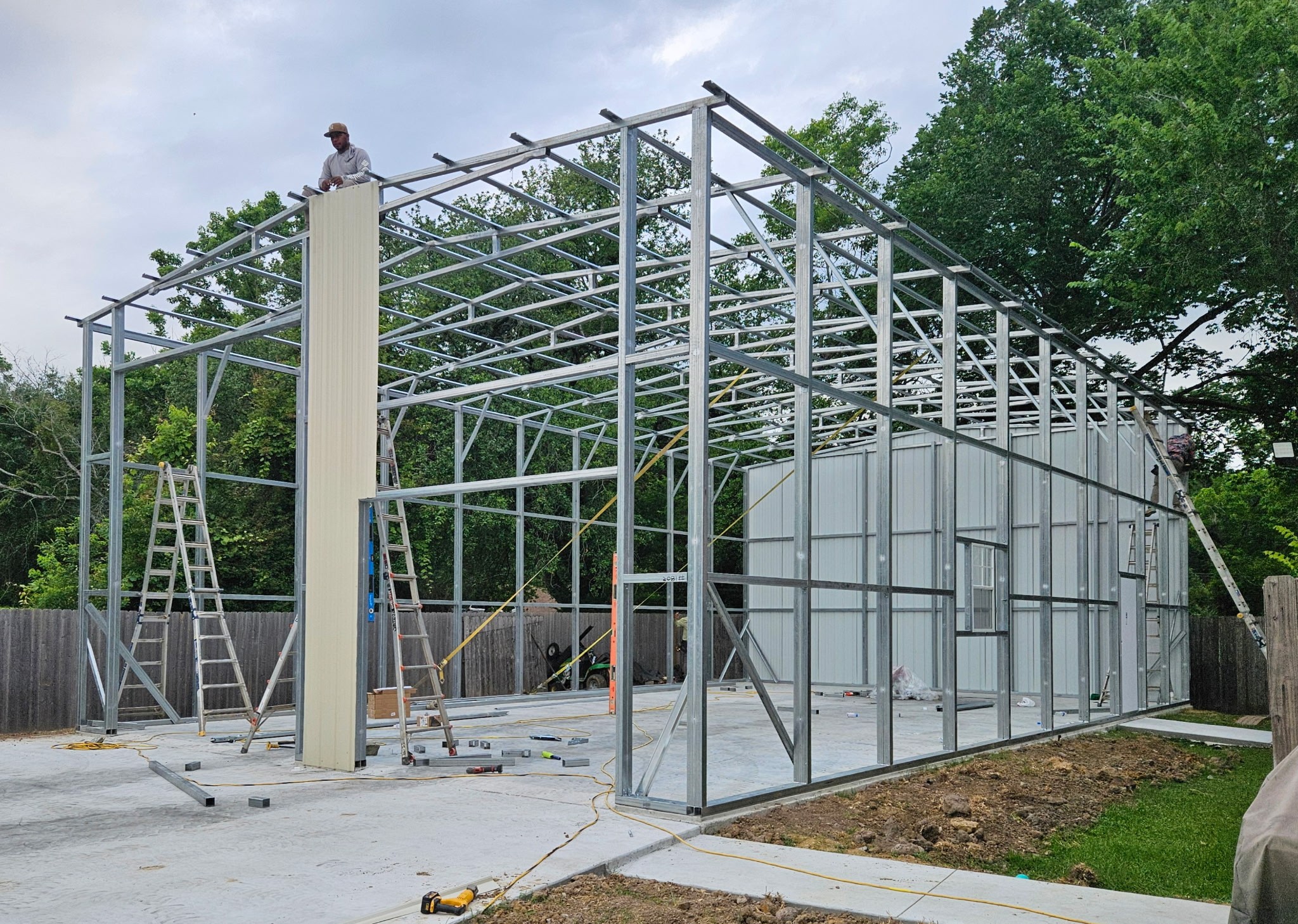
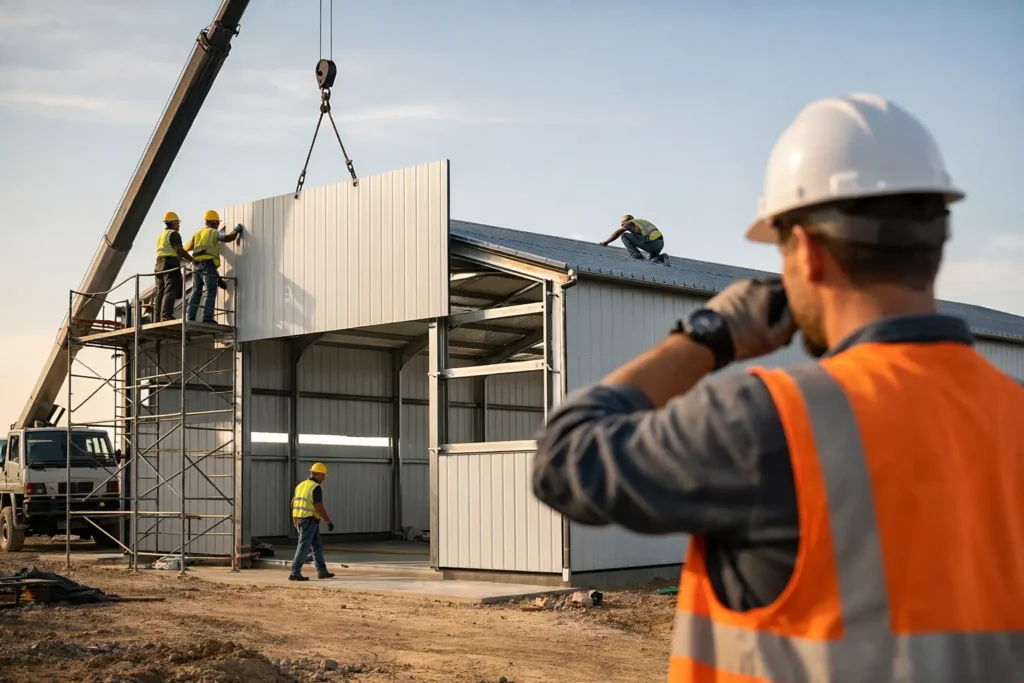
For many standard projects, on-site installation can take anywhere from one day to a few days. Simpler structures with open sides and smaller footprints are usually on the short end of that range. Larger buildings, enclosed garages, barns with multiple openings, and customized layouts may take several days or longer.
What catches some buyers off guard is that installation is only one part of the schedule. The total timeline from order to completed setup may span several weeks, and in some cases longer, depending on manufacturing lead times, local permit requirements, weather delays, and whether your site is actually ready when the crew gets there.
If you are planning around a move, a new vehicle purchase, farm needs, or business use, it helps to think in two phases: pre-installation time and installation time. The second phase is often the shortest.
The biggest factors that affect installation time
A metal building is not delayed by one thing alone. It is usually a combination of decisions, local conditions, and readiness.
Building size and complexity
A smaller carport or RV cover is generally faster to install than a large enclosed workshop. Every added feature changes the build time a little. Extra doors, windows, framed openings, lean-tos, insulation, panel upgrades, and custom height or width adjustments all add labor.
Roof style also matters. A straightforward regular roof structure can be simpler than a taller vertical roof building with more framing and finishing details. That does not mean one is better than the other. It just means the timeline should match the design.
Site preparation
This is one of the most common reasons projects slow down. If the ground is not level, accessible, and ready for anchoring, the install crew may not be able to start on schedule.
A properly prepared site can save days of frustration. In some cases, you may need grading, gravel, or a concrete pad before installation. If your pad dimensions are off or the surface is not ready when materials arrive, that can create avoidable delays.
Permits and local requirements
Some areas move quickly. Others do not. If your city, county, or HOA requires approvals before installation, that paperwork can take longer than the actual building setup.
This is why it is smart to ask permit questions early, not after you have already chosen your structure. A buyer who has a clear site, approved permit, and finished foundation will almost always move faster than a buyer who is still sorting those pieces out.
Weather conditions
Weather affects metal building installation more than people think. Rain can soften the ground and make access difficult. High winds can slow or stop work, especially during panel placement and roof installation. Storm systems can also affect delivery timing.
Crews are used to working efficiently, but safety comes first. A one-day weather delay is normal in many parts of the country, especially during wet or storm-prone seasons.
Crew scheduling and delivery timing
Even when a structure is manufactured and ready, your install date still depends on scheduling. Busy seasons can create longer wait times, particularly in spring and early summer when many property owners start improvement projects.
This is where working with an experienced team helps. Good coordination between manufacturing, delivery, and installation reduces downtime and sets more realistic expectations from the start.
Typical timelines by building type
If you are trying to estimate your own project, broad ranges are more useful than one fixed number.
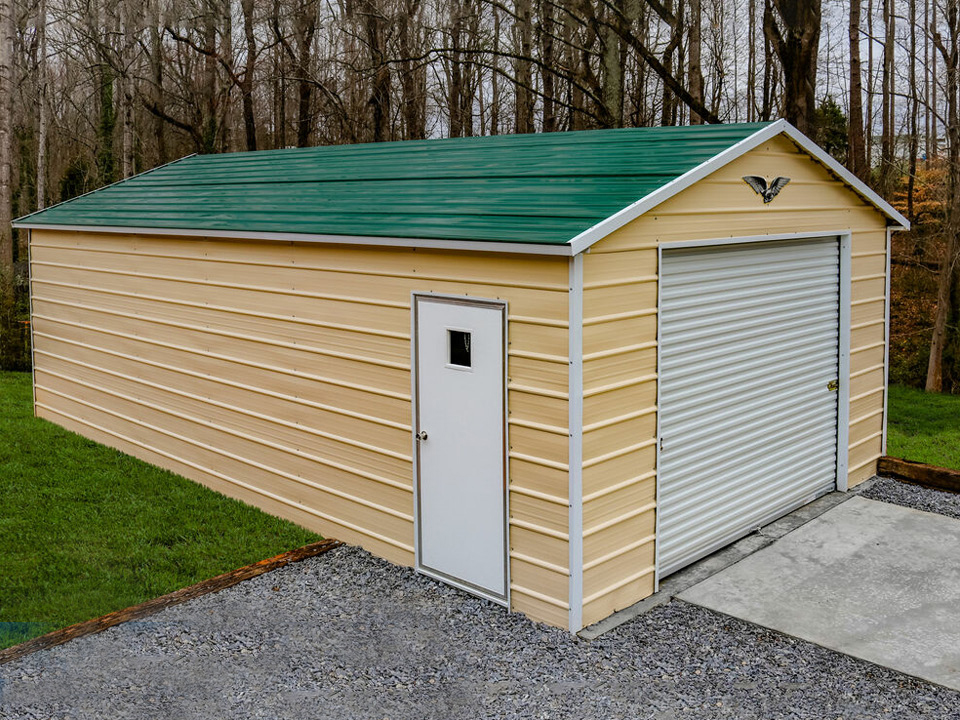
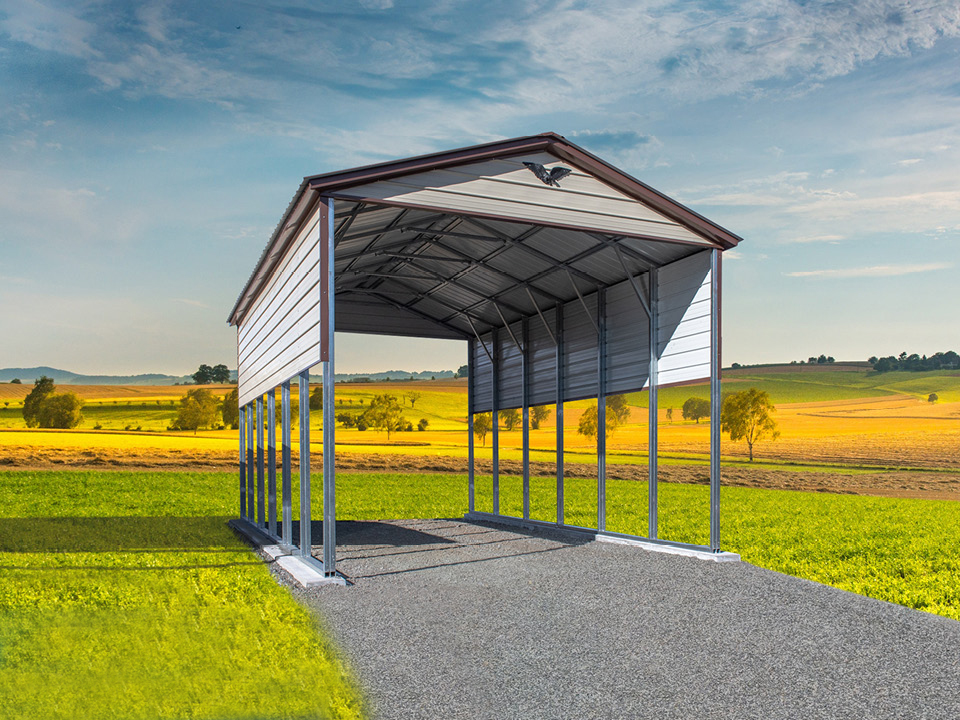
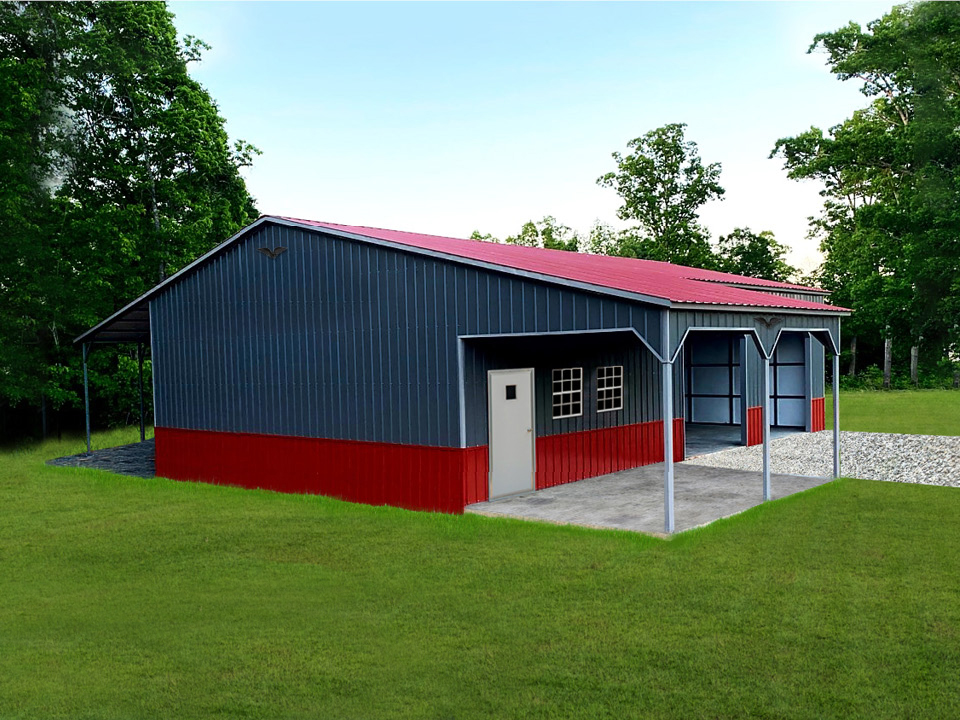
A basic metal carport may be installed in a day, especially if the site is clear and the design is simple. An RV cover or larger open structure may take one to two days. A standard enclosed garage often takes a few days, depending on size and options. Barns and fully custom metal buildings can take several days or more because they often include more framing, enclosed walls, multiple openings, and layout details.
The key point is that most metal buildings go up much faster than traditional stick-built structures. That is one reason buyers choose steel in the first place. Faster installation can mean less disruption on your property and quicker use of the building once the site is ready.
What happens before installation day
When people ask how long does a metal building take to install, they are often really asking how long until they can use it. That broader answer starts well before the crew unloads materials.
First comes the design and quote stage. If you know exactly what you want, this can move quickly. If you are comparing sizes, roof styles, door placements, and add-ons, it may take a little longer. That is normal. Taking time here can prevent expensive changes later.
Next comes order processing and manufacturing. Because many steel buildings are made to order, production time depends on your configuration and current demand. Then you have site prep, permit approval if needed, delivery coordination, and finally the install appointment.
That is why a project with a one- or two-day installation window can still have a longer total timeline. The on-site work is efficient, but the planning around it needs to be just as organized.
How to keep your project moving
The fastest projects usually have one thing in common: the buyer is prepared.
If you want to avoid delays, finalize your building design early and confirm the exact dimensions of your site. Check local permitting requirements before ordering. Make sure your land is accessible for delivery trucks and installers. If you need a concrete pad, have it completed to the correct specifications ahead of time.
It also helps to be realistic about customization. A custom building is often the right choice because it fits your property and how you plan to use it. But custom features can add time. That trade-off is usually worth it when the result is a structure that works the first time and lasts.
Why installation speed should not be the only priority
Fast is good, but only if the building is installed correctly. A rushed job can cause problems with anchoring, alignment, panel fit, and long-term performance.
For most buyers, the better question is not just how fast can it go up, but how well will it serve the property once it is there. A dependable installation backed by quality materials and proper coordination usually matters more than trimming a day off the schedule.
That is especially true for buildings that protect expensive vehicles, farm equipment, animals, inventory, or workspaces. You want the right structure, on the right site, installed the right way.
The practical answer buyers can plan around
If your site is ready and your building is straightforward, installation may only take a day or two. If your project is larger or more customized, expect several days for setup. If you are looking at the full timeline from order to completion, plan for additional time for manufacturing, permits, scheduling, and weather.
The good news is that metal buildings are still one of the faster ways to add functional space to a property. With a clear design, a prepared site, and the right support team, the process is usually more predictable than people expect. If you are ready to build, Essex Metal Buildings can help you design a structure that fits your timeline as well as your property.