When buyers ask for a metal building roof style comparison, they are usually trying to avoid one expensive mistake – choosing a roof that looks fine on paper but does not match the way the building will actually be used. A carport in a mild climate has different demands than a workshop, a barn, or an RV cover in an area with heavy rain, wind, or snow. The right roof style affects cost, lifespan, drainage, maintenance, and even how much confidence you feel during the next storm.
Roof style is not just a visual upgrade. It changes how the structure handles weather, how the building fits your property, and what kind of long-term value you get from your investment. That is why it helps to compare the main options in practical terms instead of just looking at price alone.
Metal building roof style comparison by roof type
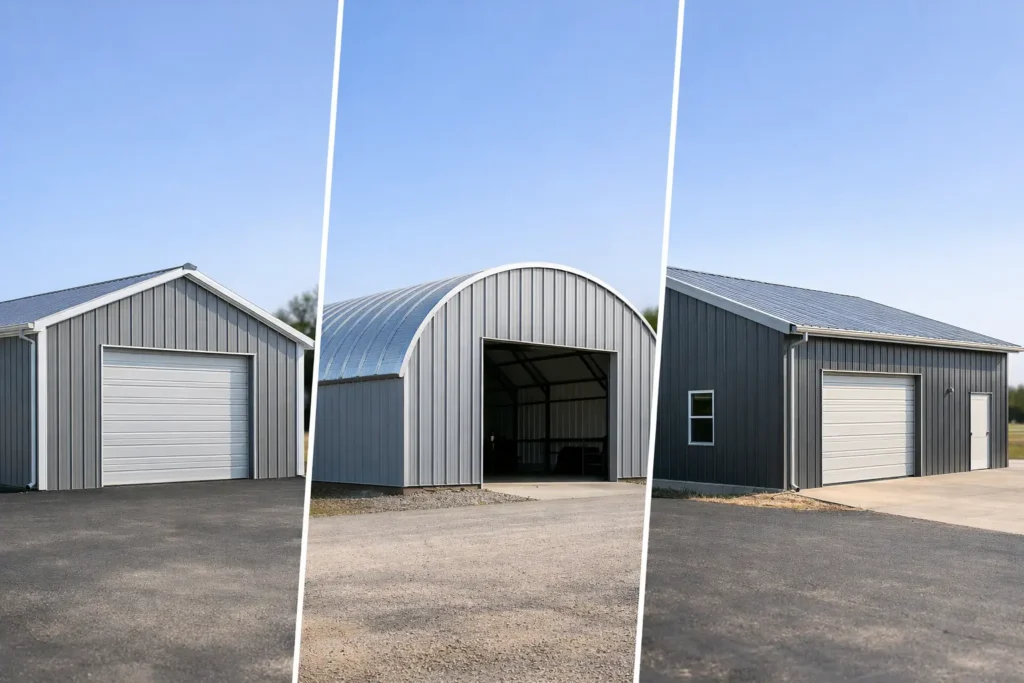
Most buyers will narrow their choice to three common options: regular roof, boxed eave roof, and vertical roof. Each one serves a purpose, but they are not interchangeable in every situation.
Regular roof
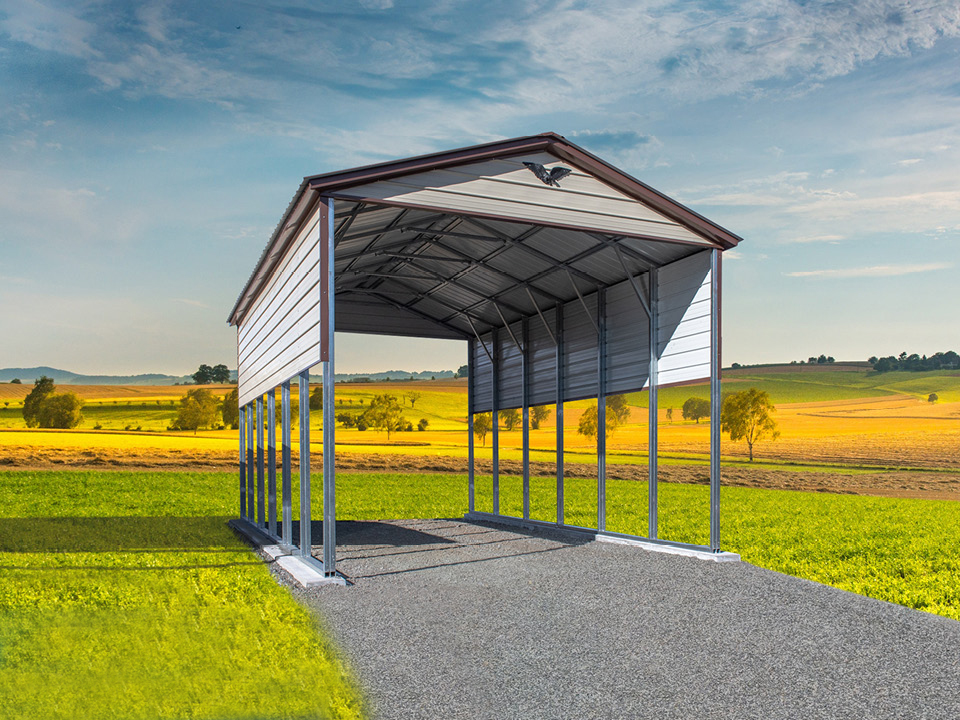
A regular roof is usually the most budget-friendly option. It has a rounded, barn-style appearance, and for smaller structures in lighter weather conditions, it can make sense. If your goal is basic coverage for a vehicle, small equipment, or light storage, this style often keeps the upfront price lower.
The trade-off is in water flow and overall performance. Because the roof panels run horizontally, rain, snow, leaves, and debris do not move off the surface as efficiently as they do on other roof systems. That can mean more maintenance and less ideal performance in areas with rougher weather. A regular roof can still be a smart choice, but usually for buyers who are prioritizing cost and have a fairly simple use case.
Boxed eave roof
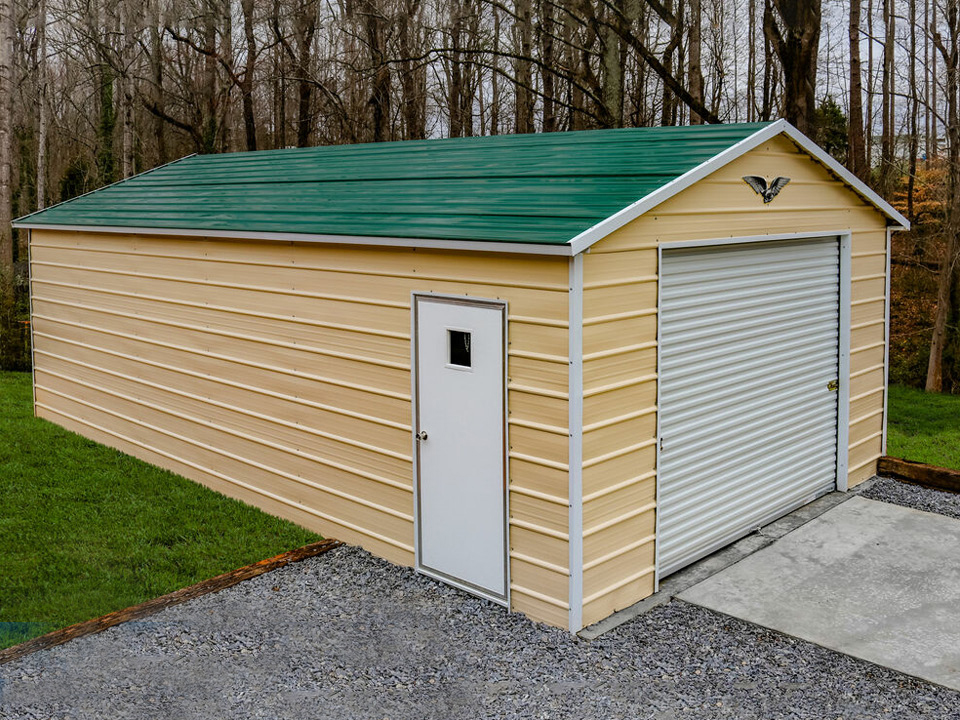
A boxed eave roof gives you a more traditional, residential look with an A-frame shape. For many property owners, this is the middle ground between basic affordability and improved appearance. It tends to look more polished than a regular roof, which matters if the structure is going near a house, driveway, or visible work area.
Functionally, boxed eave roofs still use horizontal roof panels, so drainage is better than a rounded roof in some ways because of the frame shape, but not as strong as a fully vertical system. For moderate climates, this style can be a solid option. If appearance matters and weather demands are not extreme, boxed eave often checks the right boxes.
Vertical roof
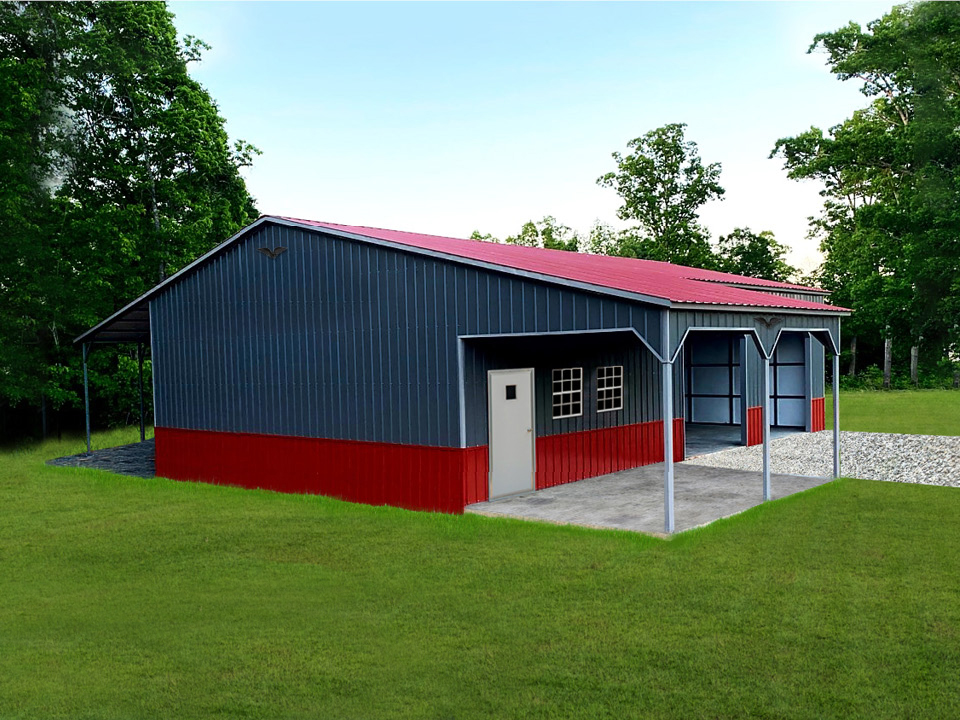
A vertical roof is usually the strongest all-around choice for long-term performance. The panels run from the ridge down to the eave, which allows water, snow, and debris to shed more effectively. This is the roof style many experienced buyers choose for larger buildings, taller structures, and buildings expected to handle demanding weather.
It generally costs more upfront, but it often pays off in reduced maintenance and better durability over time. If you are building a garage, workshop, barn, commercial structure, or RV cover, a vertical roof is often the safest recommendation. For buyers who want fewer compromises, this is usually where the comparison ends.
What matters most in a metal building roof style comparison
The best roof style depends on where the building is going, what it is protecting, and how long you plan to keep it.
Climate and weather load
Weather is one of the biggest decision factors. In areas with frequent rainfall, heavy snow, or falling leaves and debris, vertical roofs have a clear advantage. They are designed to let material move off the roof more efficiently instead of collecting and sitting on the panels.
In milder climates, a regular or boxed eave roof may be enough, especially for a smaller carport or shelter. But if your area gets strong seasonal weather, saving a little money upfront can turn into more maintenance and more concern later. For many buyers, peace of mind is worth the upgrade.
Building size
As buildings get wider, longer, and taller, roof choice matters more. A small single-car cover does not face the same demands as a large garage, agricultural building, or multi-bay workshop. Larger structures benefit from stronger drainage performance and a more capable roof system.
That is why vertical roofs are often the preferred choice for bigger custom buildings. The bigger the investment, the less sense it makes to cut corners on the part that takes the most direct weather exposure.
Intended use
A roof over a lawn tractor and a roof over a motorhome are not the same decision. If you are protecting high-value vehicles, farm equipment, inventory, tools, livestock feed, or workspace equipment, roof performance becomes more important.
For casual coverage, lower-cost options can work. For critical protection, a stronger roof style is usually the smarter move. Buyers often regret underbuilding when the structure has to do more than they first expected.
Appearance, maintenance, and resale value
Roof style also affects how the building feels on your property. A boxed eave or vertical roof usually creates a cleaner, more finished look. That matters for homeowners who want the building to complement the house and for businesses that want a more professional appearance.
Maintenance is another practical consideration. Horizontal panel systems can allow debris to collect more easily, especially in wooded areas. Vertical roofs tend to stay cleaner because material slides down the panel path more naturally. Less buildup can mean less maintenance and less worry about standing moisture.
Resale value is harder to measure, but buyers generally recognize quality when they see it. A well-designed building with a roof style suited to the local climate often feels like a more permanent, better-planned addition to the property.
Cost versus long-term value
Price matters. Most customers have a budget, and there is nothing wrong with weighing roof upgrades carefully. But a true metal building roof style comparison should look beyond the base quote.
A regular roof may lower your initial cost. A boxed eave roof may improve curb appeal without a major jump. A vertical roof may cost more now but reduce upkeep and perform better in severe weather. None of those choices is automatically right or wrong. The right choice depends on whether you are buying for short-term affordability, appearance, or long-term protection.
This is where practical guidance matters. If a building is expected to last for years and protect valuable assets, the lowest starting price is not always the best value. Paying more for the right roof can be cheaper than dealing with performance issues later.
Which roof style is best for your building?
Carports and basic vehicle covers
If you need simple shade and weather protection in a mild area, a regular roof can be enough. If you want a more refined look or a better match to a home, boxed eave is often worth considering. If the vehicle is large or valuable, especially an RV, vertical is usually the better fit.
Garages and workshops
Garages and shops usually benefit from a vertical roof. These buildings are often enclosed, used year-round, and expected to protect tools, vehicles, and equipment. Better drainage and lower maintenance make a strong case for upgrading.
Barns and agricultural buildings
Farm and rural properties usually need buildings that work hard and hold up. Whether you are covering hay, feed, tractors, or animal-use space, roof performance matters. Vertical roofing tends to be the most dependable choice for agricultural use, especially in changing weather.
Commercial and custom buildings
For light commercial use, larger spans, and customized structures, vertical roofs are typically the most practical recommendation. These projects often have more at stake in terms of durability, appearance, and long-term use.
Make the choice based on how you will really use the building
The mistake many buyers make is choosing a roof style based only on the starting number. The better approach is to think about location, weather, maintenance, appearance, and what the building needs to protect. If you only need simple coverage, a lower-cost roof may serve you well. If you want stronger performance and fewer compromises, vertical is often the better investment.
At Essex Metal Buildings, that is why custom design matters. A building should fit your property, your budget, and your actual day-to-day needs – not force you into a one-size-fits-all answer.
If you are still deciding, start with the question that matters most: what do you need this building to handle five years from now, not just on delivery day?