A garage that is too short for your truck, too narrow for your mower, or too basic for your daily use stops being a solution pretty quickly. That is why custom metal garages make sense for so many property owners. Instead of trying to adapt your routine to a standard building, you can order a garage built around your vehicles, equipment, storage needs, and site conditions.
For homeowners, rural landowners, and small business operators, that flexibility matters. A garage is not just a place to park. It may need to protect a work trailer, hold seasonal equipment, create secure storage, or give you a clean place to handle repairs. When the building is designed for the way you actually use your property, it works harder from day one.
Why custom metal garages are worth considering
The biggest advantage of custom metal garages is simple: fit. A made-to-order structure gives you more control over width, length, height, frame strength, roof style, and access points. That helps you avoid the common problem of buying a building that almost works.
That extra control also affects long-term value. If you need room for a lifted pickup today and a side-by-side tomorrow, sizing correctly upfront can save you from replacing the structure later. The same goes for door placement, enclosed bays, and added lean-tos or utility space. Small decisions at the design stage can make the building more useful for years.
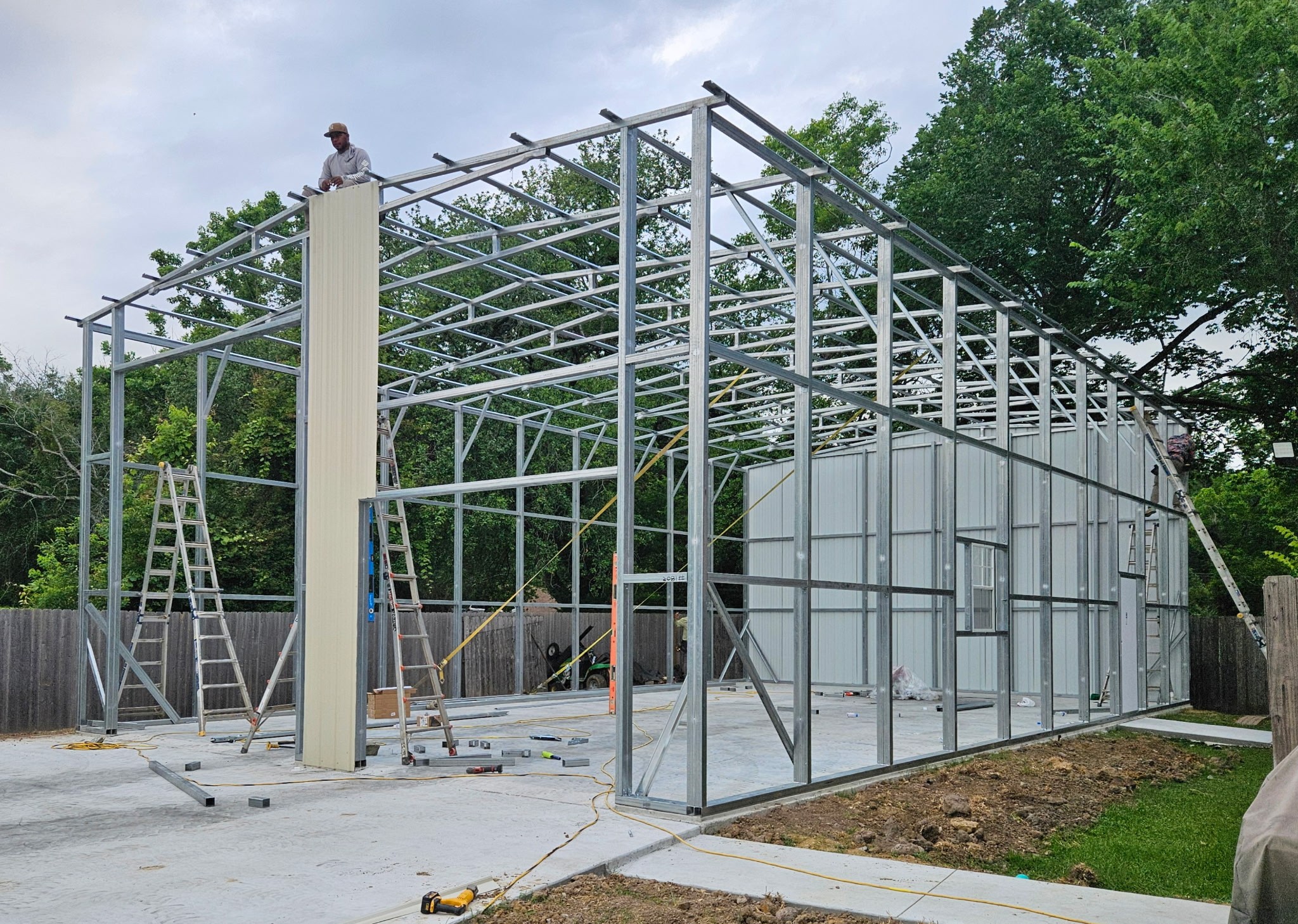
Steel also appeals to buyers who want durability without constant upkeep. Compared with many traditional building materials, metal structures are often chosen for their strength, resistance to pests, and lower maintenance needs. That does not mean every building is identical in quality, though. Gauge, framing, anchoring, and certification all matter, especially in areas with snow, wind, or uneven ground.
What buyers usually want from a custom garage
Most buyers start with a simple goal: protect what they own. But once the planning begins, the list usually gets more specific. You may want space for two vehicles and a workbench. You may need one enclosed bay and one open bay. You may need extra height for a van, RV, or tractor with attachments.
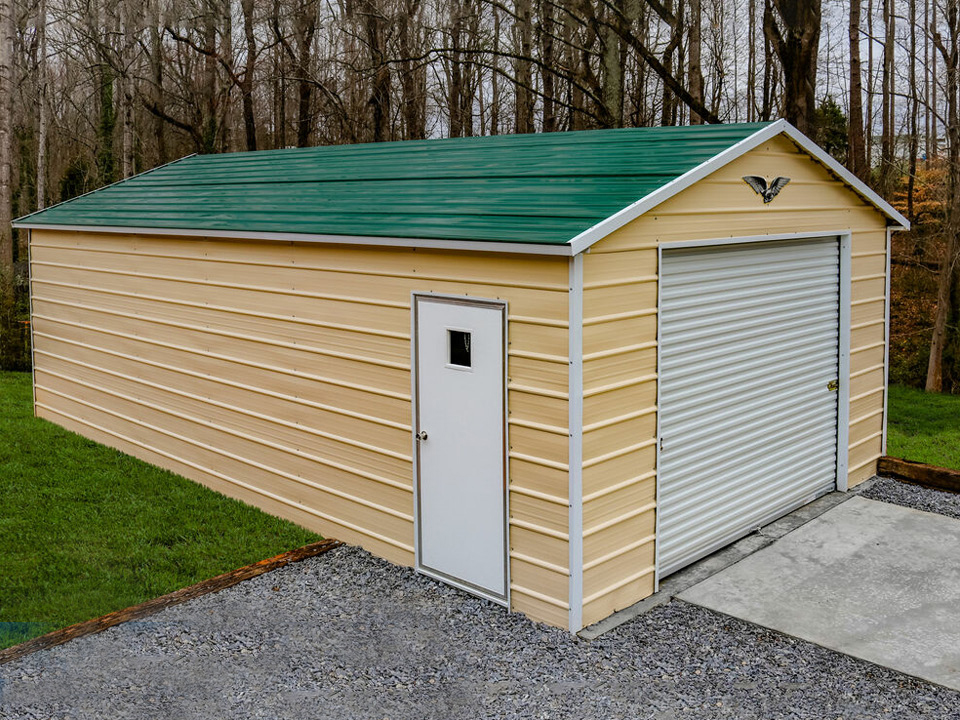
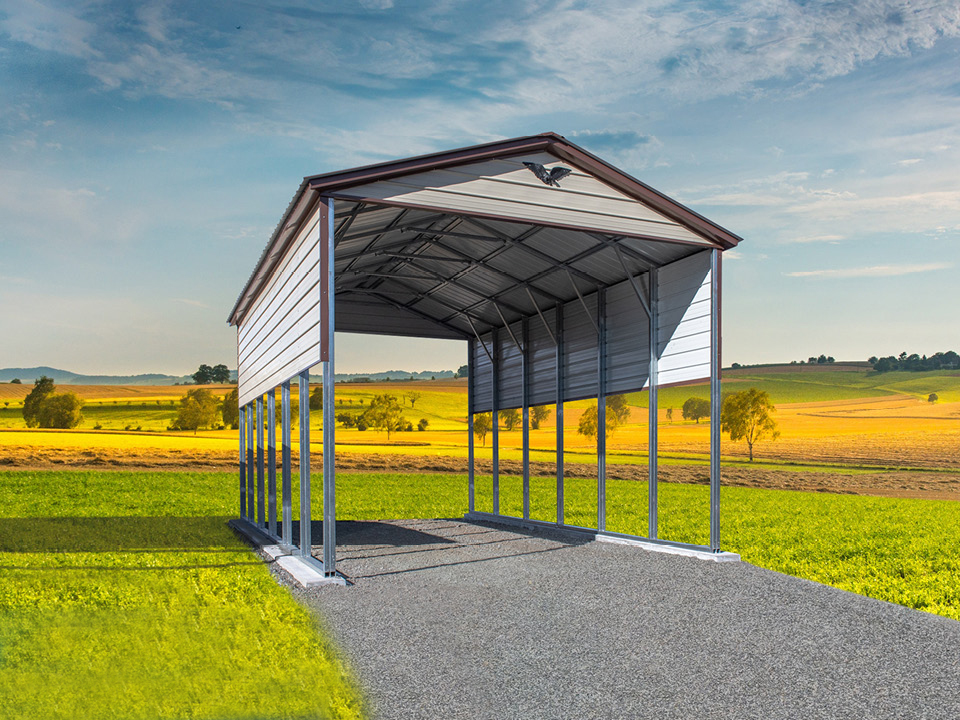
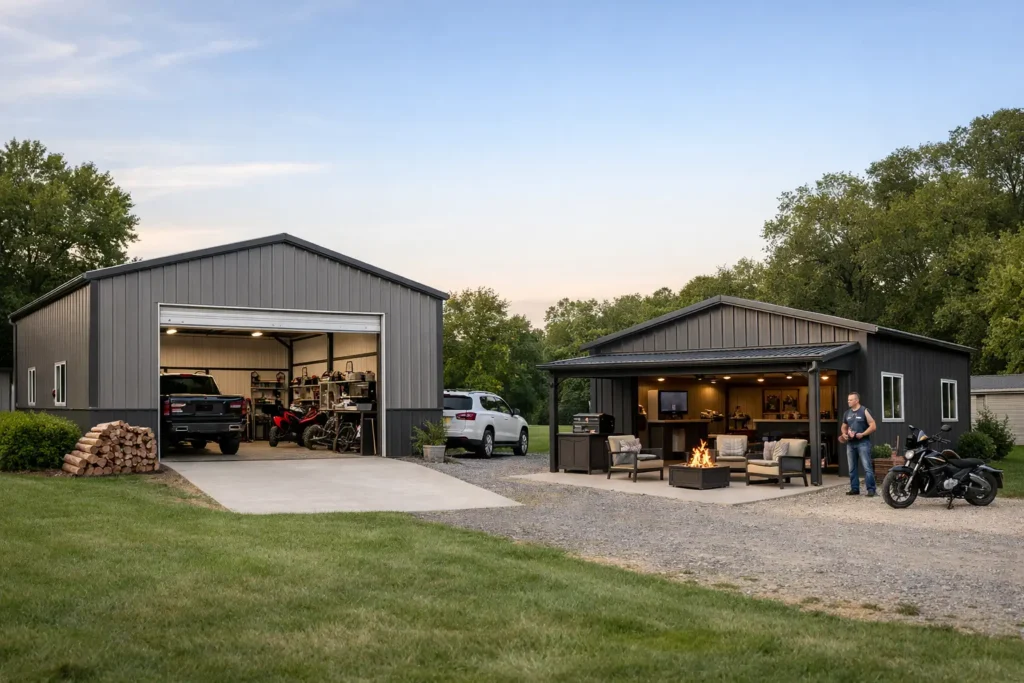
A custom garage can be built around those real-world details instead of forcing compromises. Common requests include taller legs for oversized vehicles, wider openings for easier backing in, and multiple garage doors so each bay is easier to access. Others want walk-in doors, windows for natural light, or partial enclosure depending on how they use the space.
The right setup depends on your property and your habits. If you work on equipment often, interior clearance and door placement matter more than people think. If the garage sits near a home, appearance and roof style may carry more weight. If it is for farm or business use, function usually leads the conversation.
Choosing the right size and layout
Size is where many garage decisions go right or wrong. Buyers often focus on what fits on paper, not what feels practical once the building is in use. A two-car garage, for example, may technically hold two vehicles but leave little room for opening doors, storing tools, or moving around comfortably.
That is why it helps to think beyond parking. Measure the widest and tallest vehicles you plan to store, then add room for clearance, storage, and future changes. If you own a truck with mirrors, a trailer, or a mower that gets parked inside during the off-season, those inches matter.
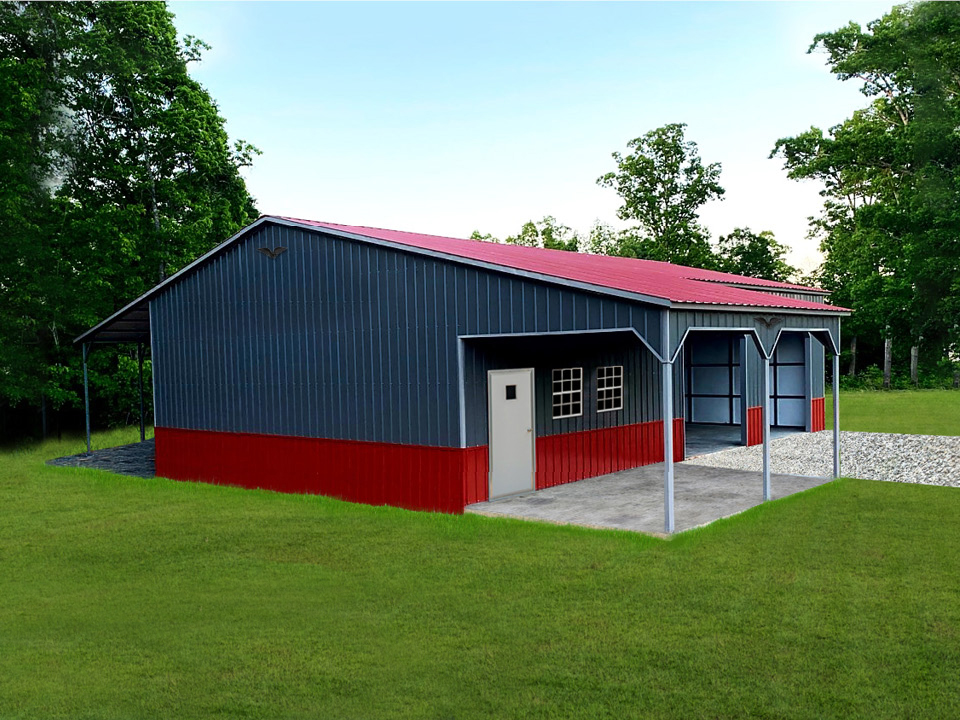
Layout is just as important as overall dimensions. Front-entry garages are common and efficient, but side-entry options can work better on some lots. If you expect frequent use, placing walk-in doors away from vehicle paths can improve convenience and safety. Interior dividers, extra bays, and attached covered areas can also make one building serve several purposes.
Roof style, framing, and other features that matter
Not every custom garage is built the same, and this is where buyers should slow down. Roof style affects both appearance and performance. Regular roofs are often the most budget-friendly option, while boxed-eave and vertical roofs are popular upgrades for a more finished look or improved water and debris runoff. In many cases, vertical roofs make the most sense for larger buildings or areas with heavier weather demands.
Framing strength also matters. Depending on your location, you may need a garage built to meet local wind or snow load requirements. That is not a small detail. A lower price does not help much if the structure is not suited to your region.
Then there are the options that shape daily use. Garage doors, roll-up doors, insulation, windows, color choices, panel orientation, and trim all affect how the building performs and how it looks on your property. Some buyers want a simple enclosed shell. Others want a garage that doubles as a workshop with ventilation, light, and easy access from multiple sides.
Custom metal garages for more than parking
One reason custom metal garages continue to appeal to practical buyers is that they can do more than one job. A structure that starts as vehicle storage can also become a tool room, hobby space, small business work area, or farm support building.
That flexibility matters when land use changes over time. A homeowner may first need a garage for cars and lawn equipment, then later want space for a home-based business or extra enclosed storage. A rural property owner may use it for trucks today and feed, tack, or utility equipment later. Building with those possibilities in mind can make the purchase feel smarter.
This is also where customization pays off more than a stock design. A building that supports your current use and leaves room for the next need tends to hold its value better in everyday terms. It keeps solving problems instead of creating new ones.
What to expect from the buying process
For many first-time buyers, the structure itself is only half the concern. The other half is the process. They want to know what the building will cost, how customization works, what preparation is needed, and who handles delivery and installation.
A good buying experience should make those answers clear early. You should be able to compare sizes, choose features, and understand how your decisions affect price. Visual tools can help a lot here, especially if you are trying to picture door placement, roof style, or color combinations before ordering.
It also helps to work with a team that can explain the trade-offs. Bigger is not always better if the site does not support it. A lower-cost roof style may be fine in one setting and less ideal in another. Some buyers benefit from financing flexibility or rent-to-own options, while others are focused on certification and foundation readiness. Straightforward guidance can keep the project moving without guesswork.
That is one reason many buyers prefer a guided design process. Essex Metal Buildings, for example, centers the experience around customization, quoting clarity, and coordinated delivery and installation, which can remove a lot of uncertainty for customers who do not want to manage every step alone.
How to make sure you order the right building
Start with use, not just budget. Think about what the garage needs to protect, how often you will access it, and whether your needs could expand in the next few years. Then match the dimensions and features to that reality.
It is also smart to think through your site before finalizing the order. Ground condition, access for installation, local code requirements, and available space all shape what makes sense. A well-designed garage still needs the right placement and preparation to perform the way it should.
Most of all, do not settle for a structure that only partly fits your property because it seems easier in the moment. A custom build gives you the chance to get the basics right – size, strength, access, and appearance – before the building is manufactured.
When a garage is designed around the way you live and work, it stops feeling like an add-on and starts feeling like part of the property.