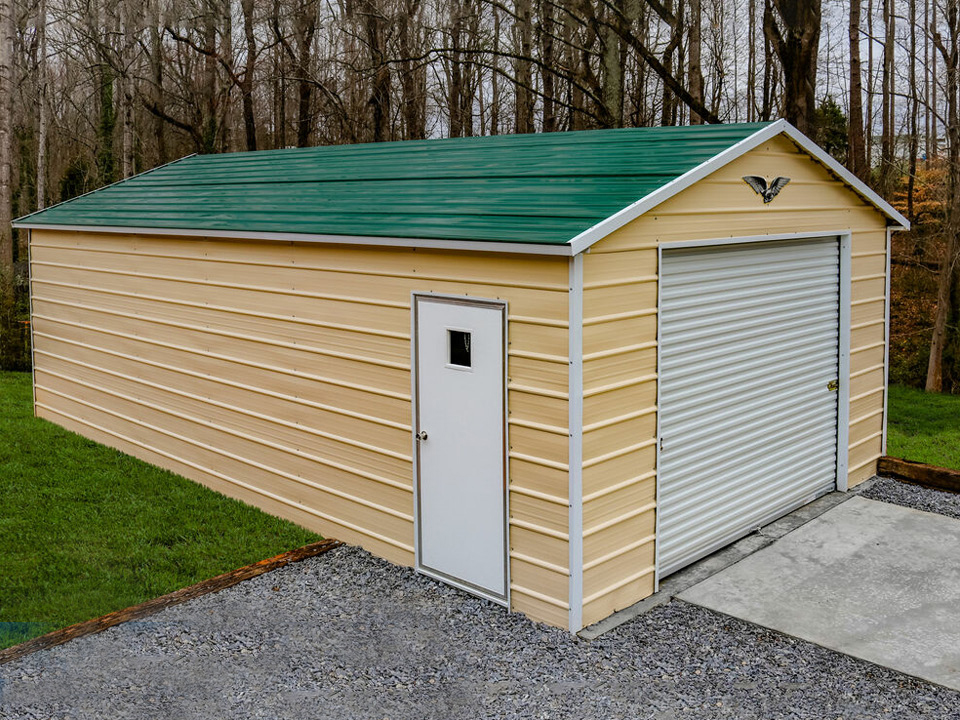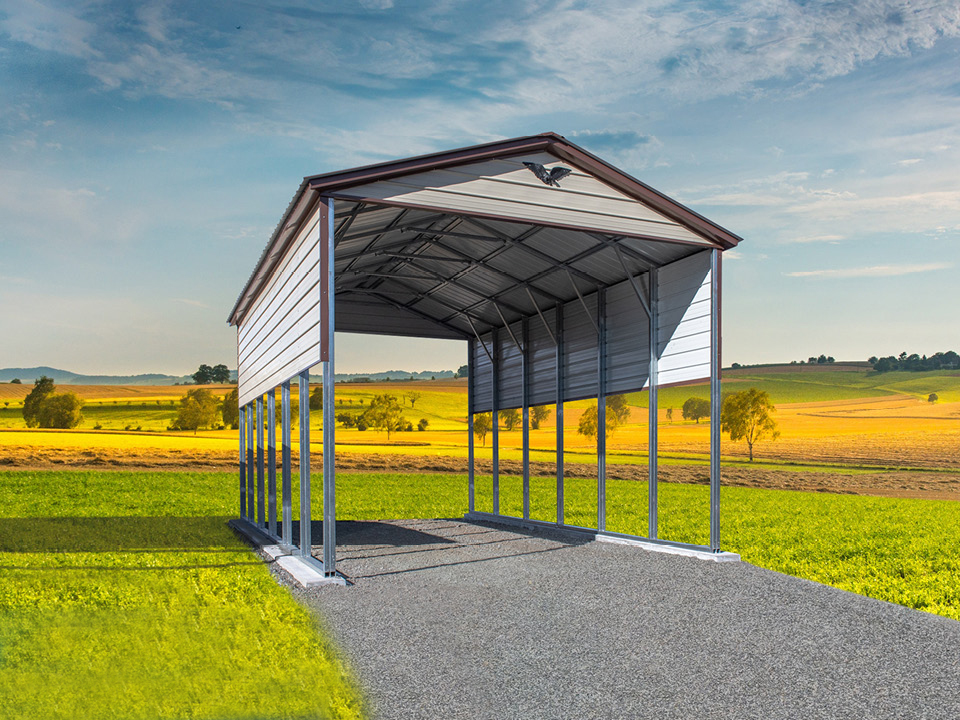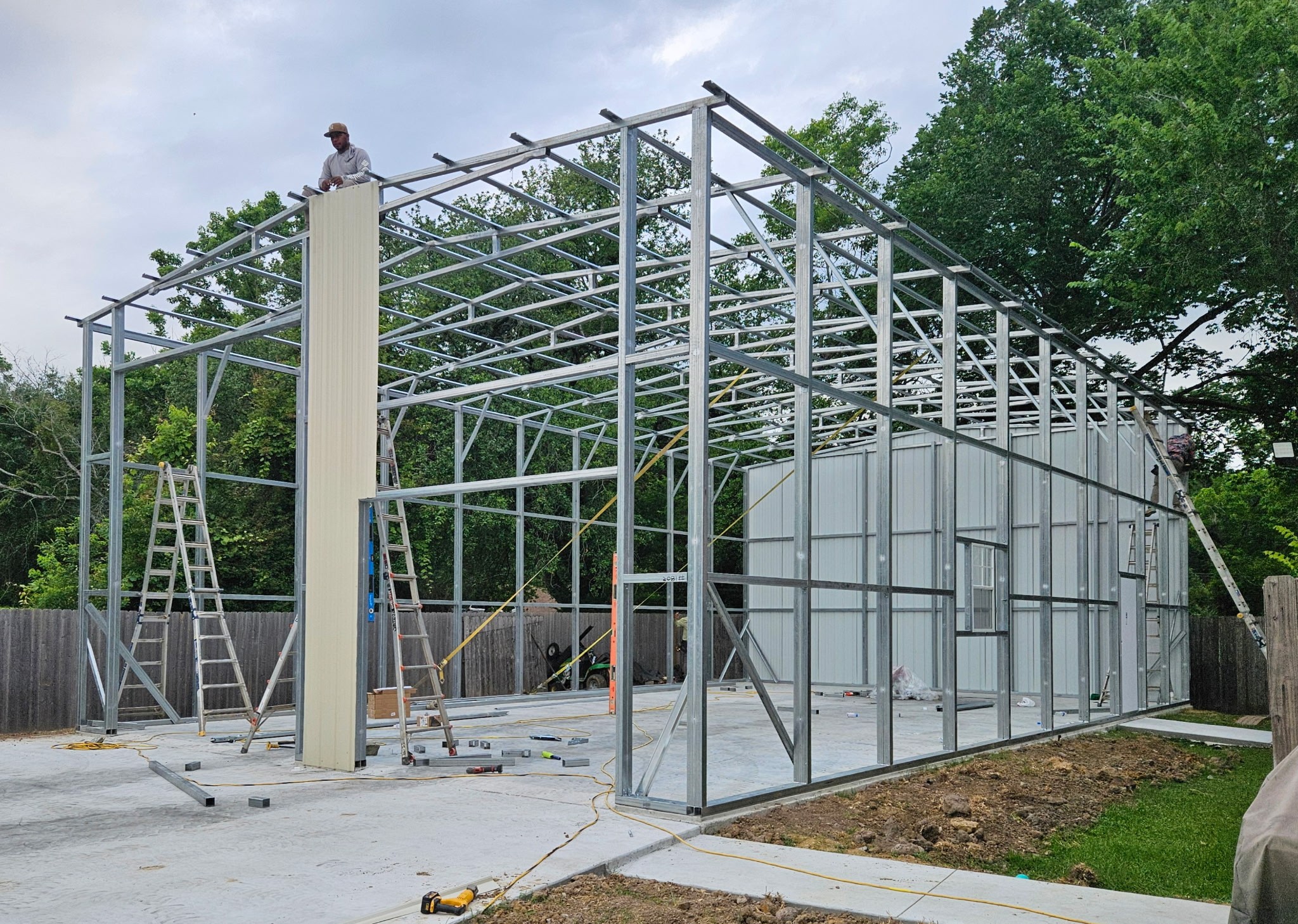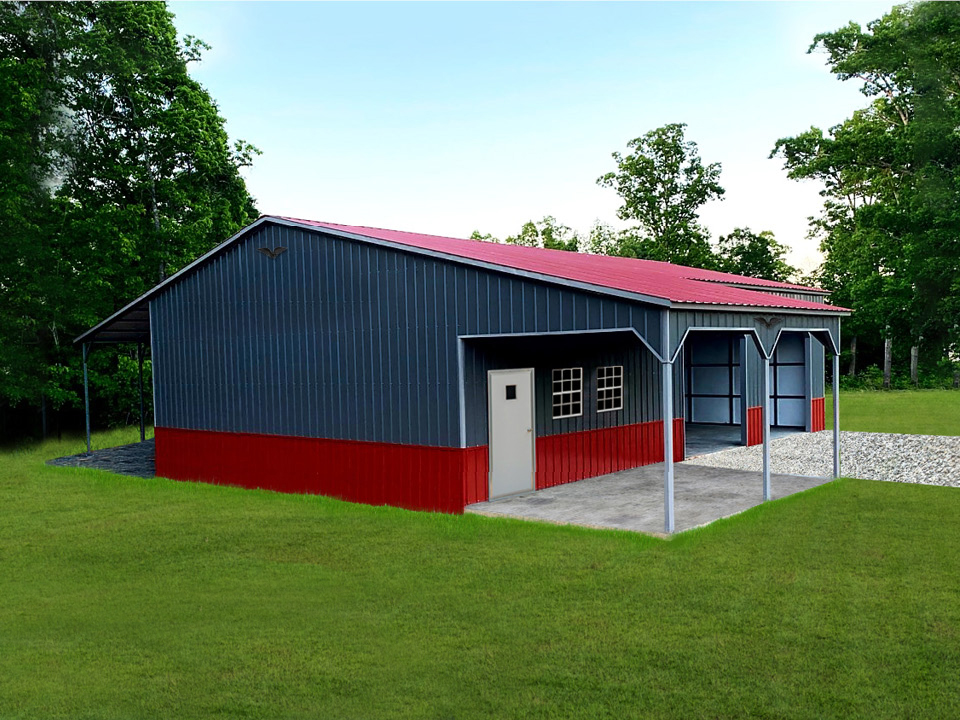

How a custom metal building design tool changes the buying process
A lot of metal building buyers know what they need the building to do, but not always what they need to order. That gap is where expensive mistakes happen. A garage ends up too narrow for the truck doors to open comfortably. A barn is tall enough for storage, but not for the equipment that actually needs to move through it. A workshop looks affordable at first, then grows more expensive after changes get added late in the process.
A custom metal building design tool helps you catch those issues before they become a delivery problem, an installation delay, or a building that never quite fits your property. Instead of guessing from a brochure or trying to picture dimensions in your head, you can build out the structure visually, adjust key features, and see how your choices affect the project.
For practical buyers, that matters. Whether you need a carport, RV cover, garage, barn, or a fully enclosed building for business or farm use, the right design tool gives you more control before you spend money.
What a custom metal building design tool should actually help you do
Not every online configurator is equally useful. Some are little more than a color picker with a few size options. A good custom metal building design tool should do more than make the building look appealing on a screen. It should help you make better buying decisions.
First, it should let you configure the dimensions that affect how the building performs on your property. Width, length, and leg height are not cosmetic choices. They determine whether you can store equipment safely, pull in a trailer without clearance issues, or leave enough working room around vehicles and tools.
It should also help you compare roof styles, panel layouts, and enclosure options in a way that makes the trade-offs clear. A fully enclosed structure gives more security and weather protection, but it costs more than a partial enclosure. A taller building adds flexibility, but it may also affect price, local requirements, and site prep considerations.
Most important, the tool should support real planning. Doors, windows, lean-tos, frame gauge, and trim details are not minor add-ons. They shape how the building functions every day. If you are buying for livestock, storage, mechanical work, or light commercial use, those details are the difference between a building that works and one that simply exists.
Why visual design beats back-and-forth guessing
When buyers try to price a custom building without a visual tool, the process usually gets slower and less accurate. They request a quote based on rough numbers, then revise it after realizing the opening needs to be wider, the side panel needs a different cut, or the roofline needs more height. None of that is unusual, but too many revisions can create confusion and slow the project down.
A 3D design studio improves that experience because it turns abstract choices into visible ones. You can see how a vertical roof changes the building profile. You can check whether a side entry makes more sense than a front-facing garage door. You can compare open, partially enclosed, and enclosed layouts without relying on imagination alone.
That kind of visibility is useful for first-time buyers, but it also helps experienced property owners move faster. If you already know the approximate footprint you need, a design tool helps you pressure-test the details before talking to a specialist.
The biggest mistakes buyers avoid with a 3D design studio
Most building problems start long before manufacturing. They start during planning, when the buyer chooses a layout based on price alone or overlooks how the structure will actually be used.
One common mistake is underbuilding. A carport that fits your current vehicle may not work if you upgrade to a taller truck, add a trailer, or want enclosed storage later. Another is overbuilding in the wrong way. Some buyers add square footage when what they really need is better door placement, more wall height, or a lean-to for covered access.
A custom metal building design tool helps reduce both problems because you can test scenarios before committing. If you plan to use the building for multiple purposes, such as storage and workshop space, you can build around movement, access, and clearance instead of square footage alone.
It also helps you spot feature conflicts early. A roll-up door may take wall space you expected to use for shelving. Window placement may need to shift to accommodate interior use. A lower roofline may save money upfront, but create everyday frustration if your equipment barely clears the opening.
Pricing is better when the design is clearer
Buyers want straight answers on cost, and that is easier to provide when the building is defined clearly. The more specific your design is, the more useful your quote becomes.
That does not mean every online price is final. Site conditions, local code requirements, certification needs, and installation variables can all affect the final number. But a well-built design tool gets you much closer to a realistic quote because it captures the major design decisions upfront.
That saves time on both sides. You are not waiting on pricing for a vague concept, and the building team is not trying to estimate a structure that may change completely after the first conversation. It is a more efficient way to shop, especially if budget matters and you want to compare options without starting from scratch every time.
For many buyers, that transparency also reduces pressure. You can experiment with features, scale the design up or down, and get a better sense of what matters most before you speak with a local expert.
The best design tools still need real human support
A digital tool should simplify the process, not replace guidance altogether. That distinction matters because metal building buyers often have questions that a configurator cannot answer on its own.
For example, the tool may let you select dimensions and features, but it will not always tell you whether your county requires certification, whether your site is ready for installation, or whether your intended use calls for a stronger frame. It also cannot fully evaluate your layout based on drainage, access paths, slope, or future use plans.
That is why the strongest buying experience combines a custom metal building design tool with a knowledgeable team. The tool gets your ideas into a clear starting point. A real specialist helps confirm whether the design fits your property, budget, and goals.
That support is especially valuable for buyers who are balancing cost with long-term use. Sometimes the less expensive option is the right one. Sometimes spending more on height, framing, or enclosure saves frustration later. It depends on what you need the structure to handle over time.
When a custom metal building design tool is most valuable
This kind of tool is useful anytime you want more control, but it becomes especially valuable in a few common situations.
It helps when you are building for a specific vehicle or equipment size and cannot afford clearance mistakes. It helps when you are comparing a garage against a carport or deciding whether a barn needs full enclosure. It also helps when multiple decision-makers are involved and everyone needs to see the same plan before moving forward.
Property owners often use it to answer practical questions before requesting a quote. How wide should the bays be? Is a vertical roof worth the added investment? Would one larger structure work better than two smaller ones? Those are easier questions to work through when you can see the building take shape.
For buyers who want speed, it is even more useful. Instead of starting with a blank inquiry, you can begin with a configured building and move into pricing and next-step guidance much faster.
Build with confidence before you buy
A metal building is too important to order from a rough sketch and a guess. If you want the building to fit your vehicles, your property, and your daily use, the design process has to be clear from the start.
That is why a 3D tool is more than a convenience. It is a practical way to make smarter choices, avoid preventable changes, and move toward a quote with fewer surprises. At Essex Metal Buildings, the goal is simple – give you an easier way to design what you actually need, then back it up with real support from quote to delivery and installation.
If you are planning a new structure, take the time to build it on screen first. A few extra minutes in the design stage can save you money, frustration, and second-guessing later.