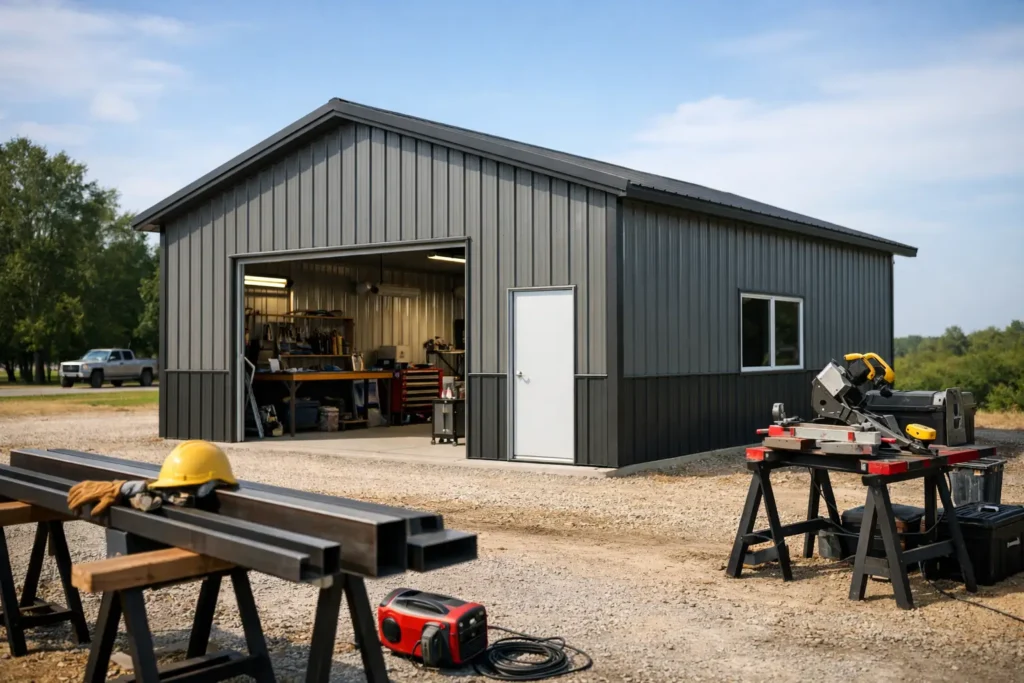
When your tools are taking over the garage, your equipment needs real cover, or your side business has outgrown a shed, metal workshop building kits start to make a lot more sense. They give you a faster path to usable workspace without forcing you into a one-size-fits-all building that does not match your property, your workflow, or your budget.
For many buyers, the appeal is simple. You want a structure that works hard, holds up, and can be configured around the way you actually use the space. That might mean room for welding and fabrication, small engine repair, woodworking, farm equipment storage, or a combination of all four. A good workshop is not just a box. It is part storage, part protection, and part productivity upgrade.
Why metal workshop building kits appeal to practical buyers
Wood shops and traditional stick-built buildings still have their place, but metal has some clear advantages when you want durability and speed. Steel buildings are built for long-term use, and they are especially attractive in areas where heat, heavy rain, wind, and regular wear can take a toll on lower-grade structures.
The biggest draw is flexibility. A workshop kit can be sized for a homeowner who needs a compact backyard work area or for a landowner who needs wide-span space for tractors, trailers, and service bays. You can keep the design basic to control cost, or add doors, height, enclosed bays, and layout upgrades that support daily work.
There is also the issue of predictability. Buyers usually want clear pricing, straightforward options, and a process that does not drag on for months. That is one reason made-to-order steel buildings continue to gain ground. You can design around your needs before you commit, rather than trying to adapt your work around a building that was never right in the first place.
What a workshop kit should include
Not every building sold as a workshop is equipped to function like one. Some are closer to simple storage buildings. If you plan to spend real time working inside, details matter.
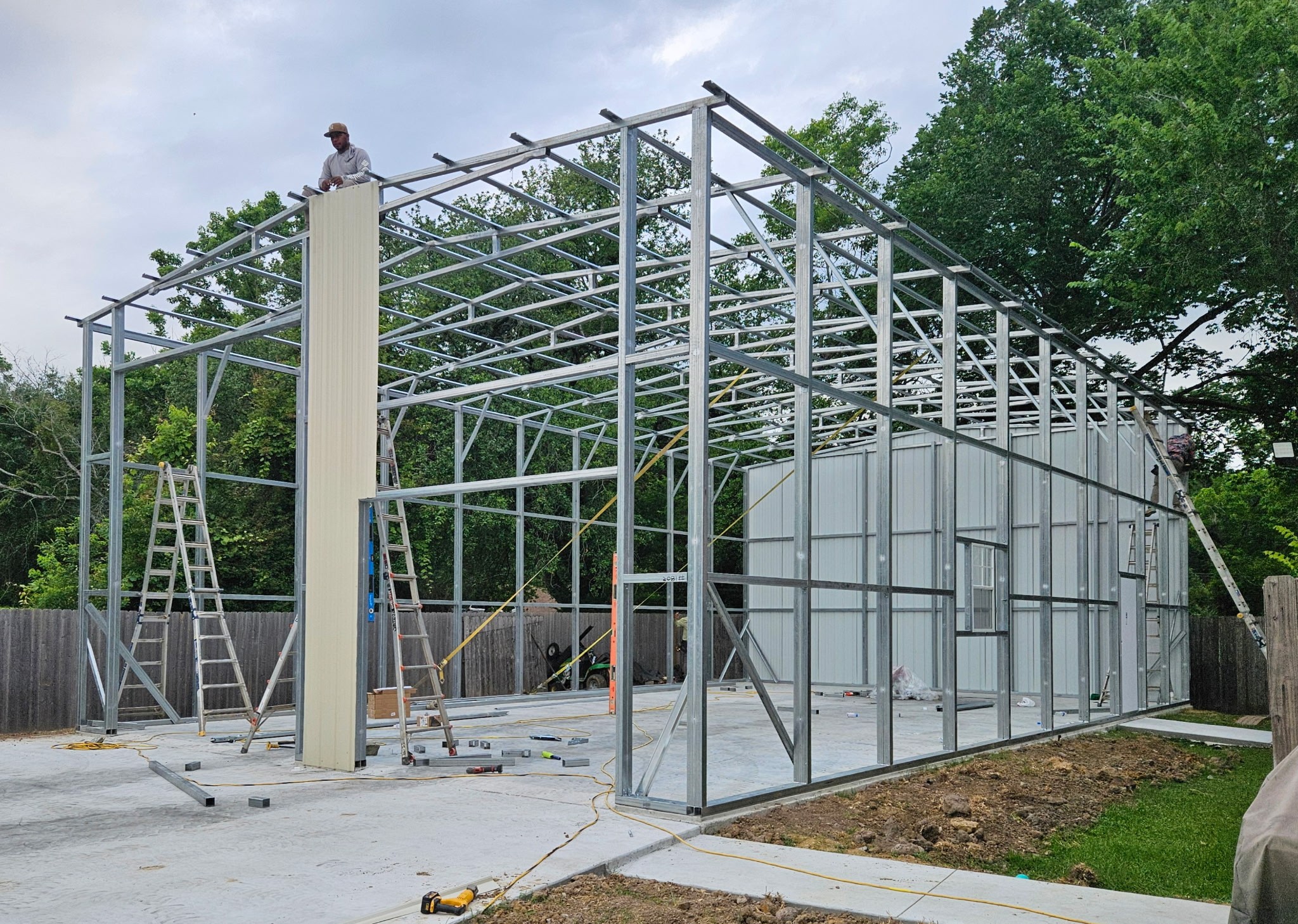
The frame is the starting point. You want quality steel, reliable engineering, and a building designed for your region and intended use. A workshop that stores lawn equipment on weekends is different from one that supports vehicle lifts, fabrication tables, or regular commercial use.
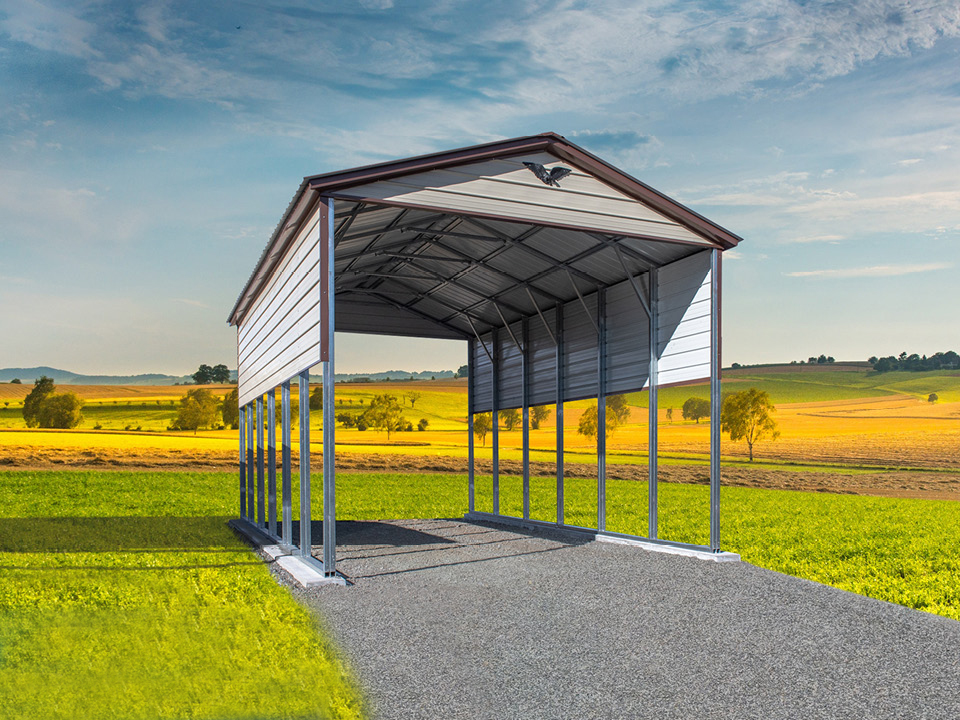
Roof style matters too. A vertical roof is often the better choice for larger workshops because it handles runoff more efficiently and gives the building a more finished appearance. That may not be essential for every buyer, but it is usually worth considering if you want cleaner performance over time.
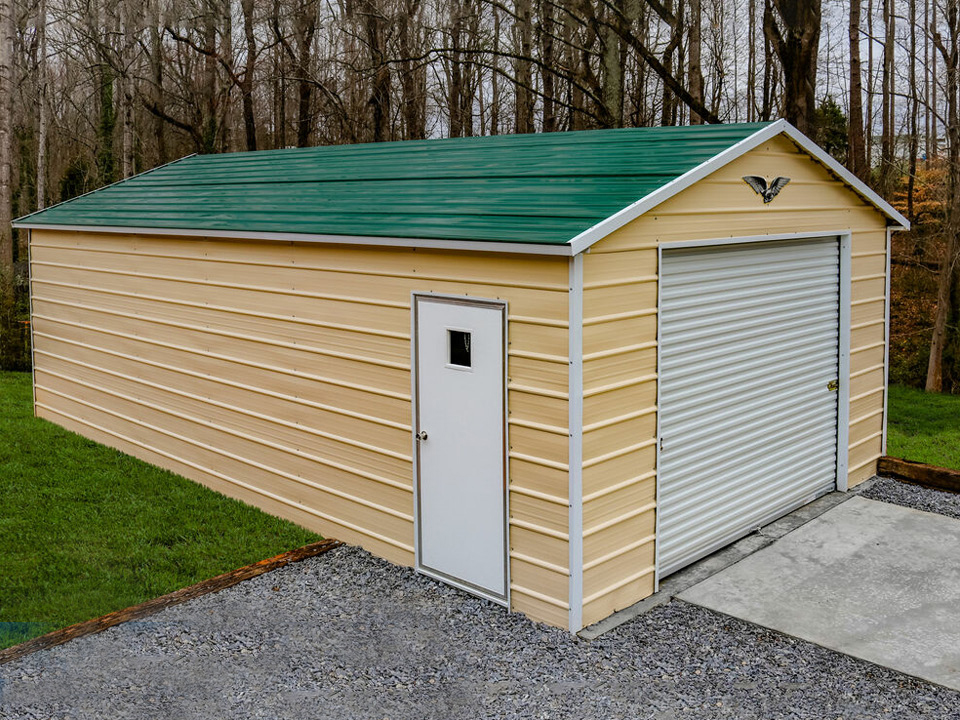
Doors and access points are where many buyers either get the building right or regret the layout later. A workshop needs entry that fits what comes in and out. Roll-up garage doors, walk-in doors, and frame-outs for windows all affect how useful the building feels once it is installed. A structure can have plenty of square footage and still feel cramped if access is poorly planned.
Choosing the right size for real-world use
One of the most common mistakes is buying for current storage only instead of actual use. It is easy to measure your vehicle or equipment and assume that is enough. In practice, you also need room to open doors, move around safely, add benches or shelving, and keep work zones from overlapping.
A single-bay personal workshop may work well in a 24×30 or 30×40 range, depending on your setup. If you need to store larger vehicles, tractors, boats, or trailers, or if you want dedicated work and storage zones, you may need more width, more depth, or both. Ceiling height is just as important. Taller side walls can make a major difference if you use lifts, stack materials, or need clearance for larger equipment.
This is where customization matters. Metal workshop building kits should adapt to your property and workflow, not force you to compromise on basics. If you know you will eventually add more equipment or convert part of the space for business use, it often makes sense to size up now instead of outgrowing the building in two years.
Custom features that improve how the building works
A workshop becomes more valuable when the layout supports the way you work every day. That does not always mean adding every upgrade available. It means choosing the features that solve real problems.
Extra width helps with circulation. More height improves flexibility. Insulation can make a big difference if you work year-round or want better temperature control. Windows bring in natural light, which matters more than many buyers expect once they spend full days inside the structure.
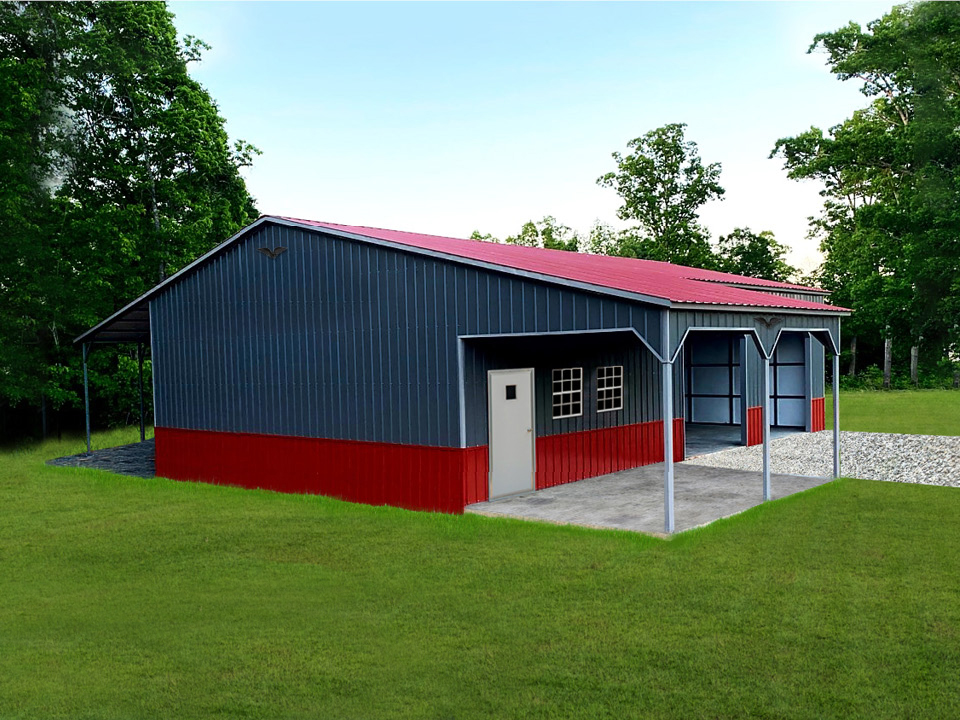
Lean-tos and overhangs are useful if part of your operation needs covered outdoor space. They can give you room for materials, equipment staging, or quick-access storage without increasing enclosed square footage too aggressively. For rural properties, that can be a smart middle ground between function and cost.
There is always a trade-off. More customization usually raises the final price, but the cheapest building is not always the best value. A workshop that truly supports your work can save time, reduce clutter, and protect expensive tools and equipment far better than an underbuilt structure that only partially meets the need.
Site prep and installation matter more than most buyers expect
A quality building can still disappoint if the site is not ready. Ground conditions, drainage, access, and foundation choices all affect performance and installation timing. That is why it helps to work with a provider that looks beyond the building itself.
Some buyers already have a concrete slab in place. Others are starting with raw ground and need guidance on what comes first. There is no universal answer because site conditions vary by property and local requirements. What matters is getting clear expectations before delivery is scheduled.
Installation is another big factor. A workshop kit may sound simple on paper, but a poorly coordinated install can create delays, frustration, and extra cost. Buyers who want a smoother process usually benefit from working with a company that can help coordinate design, delivery, and setup rather than leaving every step disconnected.
Comparing metal workshop building kits without getting lost in the details
The market is crowded, and a lot of buildings can look similar at first glance. The better comparison is not just price per square foot. It is what you are actually getting for that price.
Look at steel quality, frame design, roof style, customization options, and whether the building is made for your conditions. Ask how quoting works and whether the price reflects the features you need instead of a stripped-down starting number that changes later. If financing matters, check whether rent-to-own or other payment paths are available.
Customer support should be part of the comparison too. Buying a workshop is a practical decision, but it is still a significant purchase. You should be able to ask questions, adjust the design, and get clear answers from someone who understands both the product and the installation process.
That is one reason many buyers prefer a guided, digital-first experience. Being able to visualize the building, update dimensions and features, and request a straightforward quote can remove much of the guesswork. At Essex Metal Buildings, that design-first approach helps customers move from idea to workable plan with less back-and-forth and more confidence in what they are ordering.
When a workshop kit is the right choice
Metal workshop building kits are a strong fit when you need speed, durability, and design flexibility. They work especially well for homeowners adding usable space, rural property owners protecting equipment, farmers needing service or storage areas, and small business operators who want a practical building without the cost and delay of a fully traditional build.
They are not all identical, and that is the point. The right building depends on what you do inside it, what you need to store, and how long you expect it to serve you. Some buyers need a straightforward enclosed workspace. Others need a custom layout with multiple doors, added height, insulation, and room to grow.
The best place to start is not with the cheapest model. It is with a clear picture of how the workshop needs to perform on your property, in your climate, and for your day-to-day work. When the design matches the job, the building stops being just another structure and starts becoming part of how you get more done.