A metal building can look great on paper and still fall short once it is on your property. That usually happens when buyers focus on size first and features second. If you want a structure that works hard for years, the best metal building features are the ones that improve strength, usability, protection, and day-to-day convenience.
For most property owners, the right features depend on what the building needs to do. A garage for daily vehicle storage needs different details than a farm barn, workshop, or RV cover. The goal is not to load up every option available. It is to choose the features that make the building fit your space, your weather conditions, and the way you actually plan to use it.
What the best metal building features really do
The strongest feature packages are not just about appearance. They solve practical problems before those problems cost you time or money later. A well-chosen roof style can improve drainage and headroom. The right frame and gauge can help your building handle local wind and snow demands. A smart door layout can make the difference between a building that feels easy to use and one that turns simple tasks into daily frustration.
That is why customization matters. Standard buildings can work for basic needs, but many buyers are trying to protect specific equipment, create workspace, house animals, or add storage without wasting square footage. The best results usually come from matching the building design to the property instead of forcing the property to work around a stock layout.
1. Frame strength that matches your location
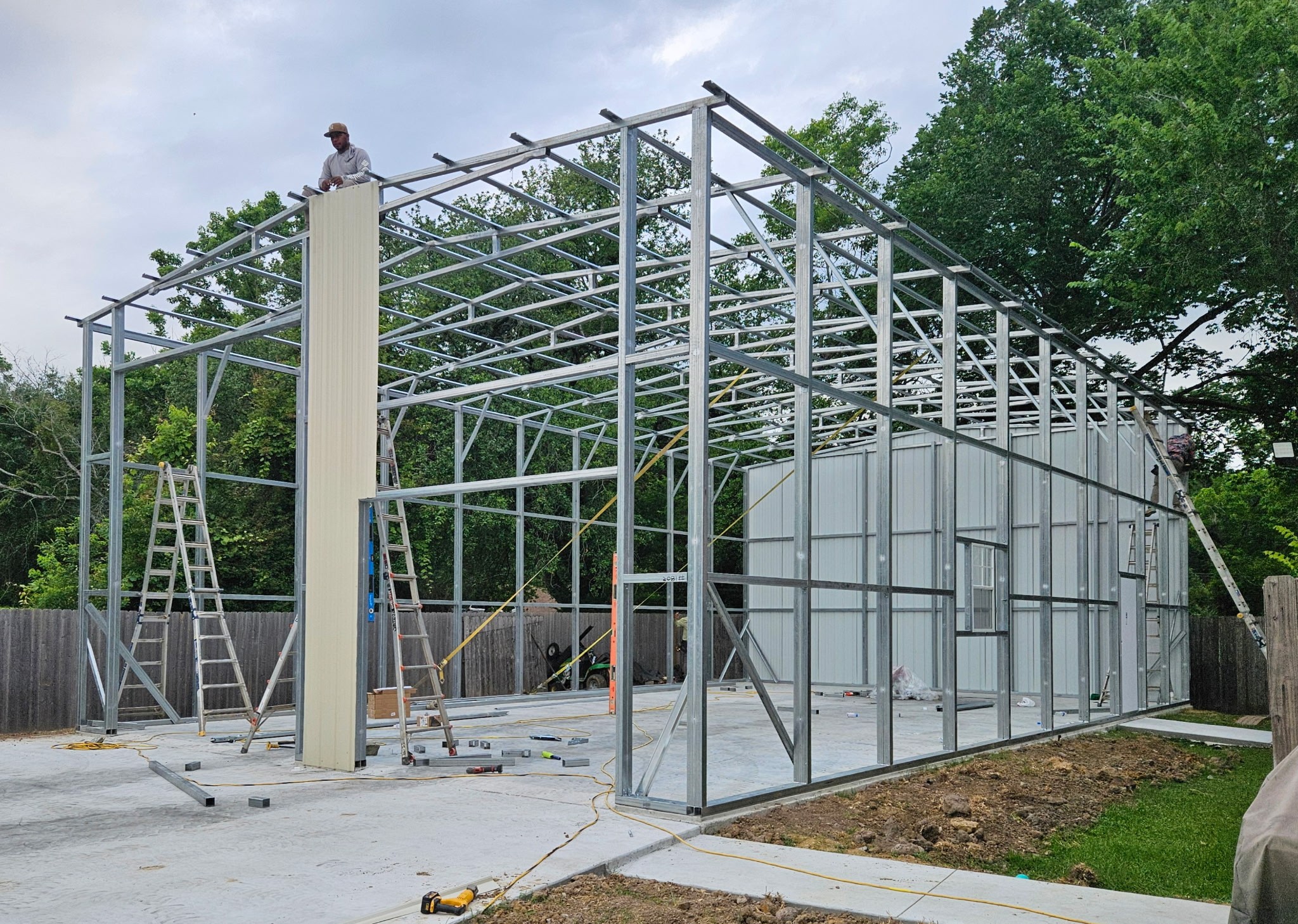
One of the best metal building features to prioritize is the structural system itself. This is not the flashiest choice, but it affects nearly everything else. Steel gauge, tubing dimensions, bracing, and anchoring all play a role in how well the building holds up over time.
A lighter-duty structure may cost less upfront, but it is not always the smart buy if you live in an area with higher wind exposure or seasonal snow loads. On the other hand, not every buyer needs the heaviest configuration available. It depends on climate, site conditions, and intended use. A dependable local expert can help you avoid overbuilding or underbuilding.
2. A roof style that fits function, not just looks
Roof style matters more than many first-time buyers expect. Regular roofs can work well for smaller, simpler applications in milder conditions. Boxed-eave and vertical roofs typically offer a more finished appearance, but the biggest practical difference often comes with water, debris, and snow management.
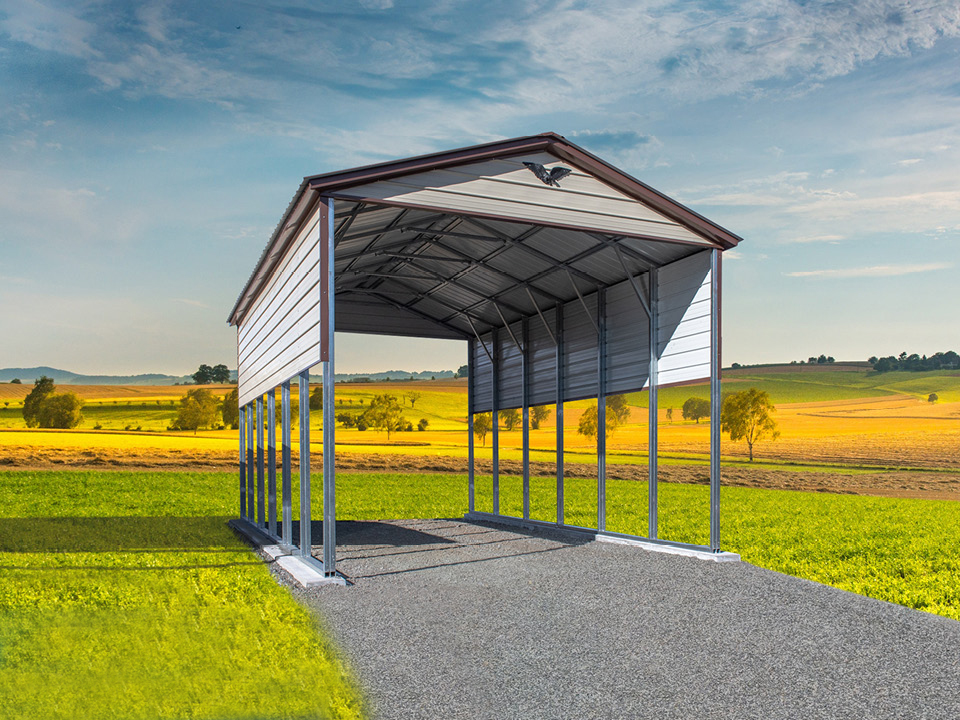
Vertical roofs are a strong choice when you want better runoff and easier maintenance, especially on larger buildings. They can also be a better fit for taller structures such as RV covers and workshops. If your building will face heavy rain, leaves, or snow, the roof style deserves careful attention early in the design process.
3. Height and clearance that give you room to grow
A building that is technically big enough can still be too tight to use comfortably. That is why usable clearance is one of the best metal building features to think through before you buy. Vehicle height, roll-up door placement, interior movement, shelving, and future equipment all affect how much room you really need.
This comes up all the time with trucks, tractors, trailers, and RVs. Buyers often focus on width and length, then realize later that height was the limiting factor. Adding a little extra clearance from the start can save you from replacing or modifying the structure later.
4. Door options that make daily access easier
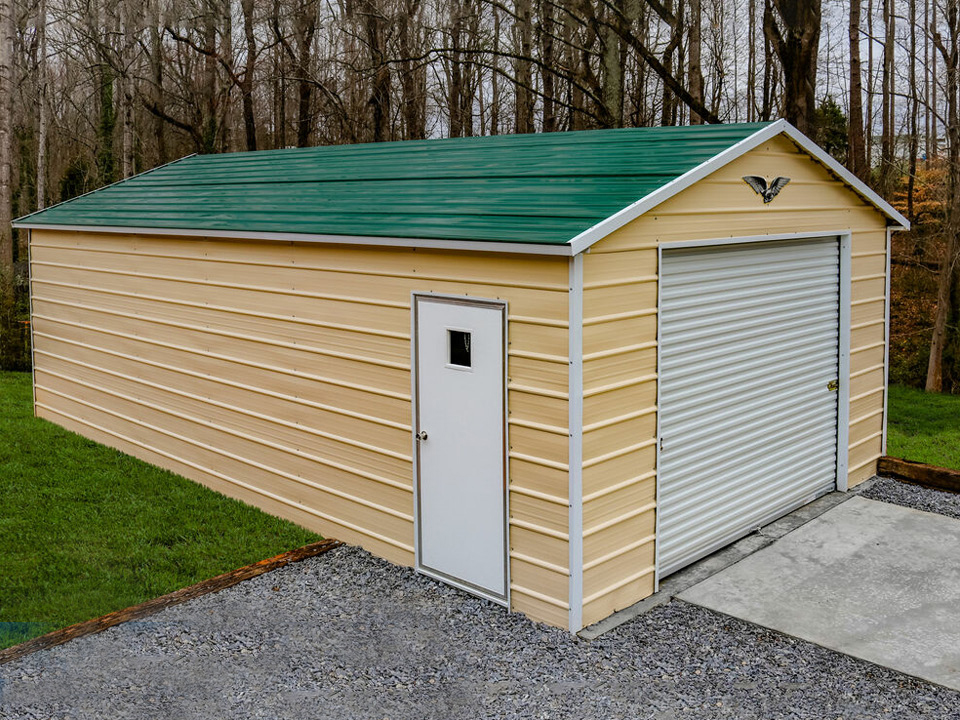
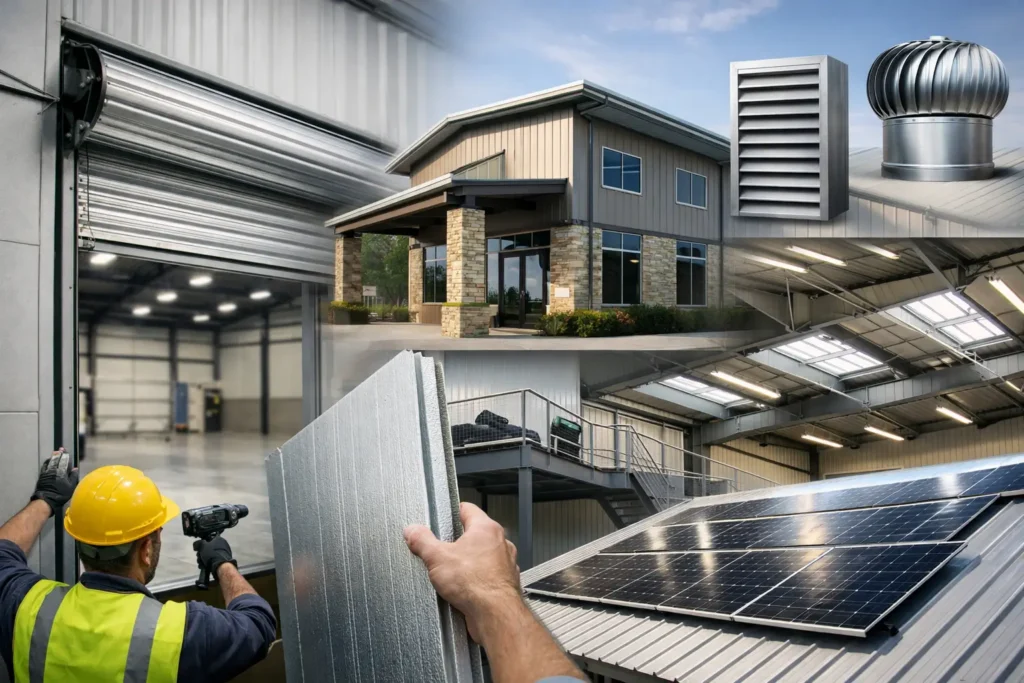
The right doors can change how useful a building feels every single day. Roll-up garage doors are ideal for vehicles, equipment, and larger access points. Walk-in doors make it easy to enter without lifting a large door every time. For barns or mixed-use buildings, placing multiple access points in the right locations can improve traffic flow and save time.
This is one area where habits matter. If you will be moving mowers, tools, feed, inventory, or vehicles in and out regularly, think about how those tasks happen in real life. A lower-cost door setup may look fine on a quote, but a better layout often brings more value over the life of the building.
5. Enclosure options that match your use case
Not every metal building needs to be fully enclosed. Some buyers need open-sided protection for vehicles or equipment. Others need partial walls for airflow and coverage. Fully enclosed structures are often best for workshops, garages, and secure storage.
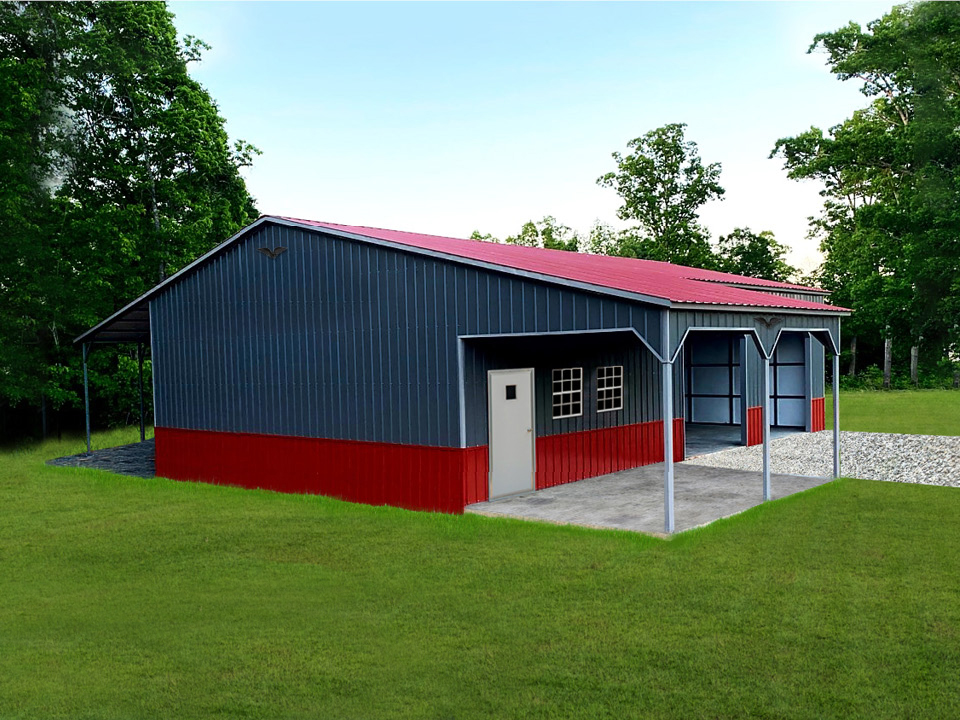
The right choice depends on what you are protecting and how much exposure is acceptable. A carport may be enough for basic weather coverage, while a garage offers more security and cleaner storage conditions. Agricultural buildings often land somewhere in between, with open bays, partial side panels, or lean-tos that support daily farm use.
6. Ventilation and airflow where it counts
Good ventilation is easy to overlook until heat, condensation, and stale air become a problem. For workshops, garages, barns, and storage buildings, airflow can protect both the structure and what is inside it. It can also make the space more comfortable to use during warmer months.
This does not mean every building needs an advanced ventilation package. But if you are storing vehicles, tools, feed, hay, or livestock-related materials, airflow matters. Roof vents, ridge ventilation, and strategic openings can help reduce moisture buildup and improve overall performance.
7. Trim, paneling, and finish details that protect the investment
When buyers compare buildings, they often focus on size and price while skipping over the finish details. Panel quality, fastener systems, trim work, and coatings all affect durability and appearance. These are some of the best metal building features because they contribute to long-term value, not just curb appeal.
Premium-grade materials and American-made components can make a real difference here. Better finishes hold up longer against sun, rain, and wear. Cleaner trim packages also give the building a more polished look, which matters whether the structure sits next to your home, on a farm, or on a customer-facing property.
8. Anchoring and installation built for the site
Even the right building can underperform if the installation is poor. Anchoring must match the surface and site conditions, whether the building is going on concrete, gravel, asphalt, or ground. A level pad, correct anchors, and a properly coordinated setup help the structure perform the way it was designed to.
This is where support matters. Buyers are not just purchasing steel. They are purchasing a complete result. Essex Metal Buildings focuses on guiding customers from design through delivery and installation coordination, which helps reduce the guesswork that often causes delays or costly mistakes.
9. Custom layout flexibility
One of the biggest advantages of metal construction is the ability to build around your needs instead of settling for a one-size-fits-all structure. That flexibility is one of the best metal building features for homeowners, landowners, and business operators who need a building that serves a specific purpose.
Maybe you need an attached lean-to for extra covered storage. Maybe you want a garage with two roll-up doors and a side entry. Maybe your farm building needs open bays on one end and enclosed storage on the other. Customization lets you create that kind of layout from the beginning, which is often more affordable and more efficient than trying to adapt a generic building later.
10. A simple buying process with clear pricing
This may not sound like a building feature in the traditional sense, but for many buyers it absolutely is. A complicated quoting process, vague pricing, and limited support can turn a good product into a stressful purchase. Clear configuration tools, transparent guidance, and financing options make it easier to move forward with confidence.
That matters even more for first-time buyers. A 3D design process can help you visualize dimensions, roof styles, doors, and color choices before committing. Rent-to-own support can also open the door for buyers who need a practical monthly path instead of a full upfront payment.
How to choose the best metal building features for your property
Start with use, not appearance. Ask what the building needs to protect, how often it will be used, who will use it, and what weather it needs to handle. From there, focus on the features that affect structure, access, and long-term function first. Cosmetic upgrades can come later if the budget allows.
It also helps to think one step ahead. If you may upgrade vehicles, add equipment, increase storage, or change how the space is used in the next few years, build with that in mind. A little added width, height, or enclosure now can be more cost-effective than outgrowing the building too soon.
Best metal building features are the ones you will notice later
The right metal building should feel like it belongs on your property from day one. It should protect what matters, work the way you need it to work, and keep doing its job without creating extra headaches. The best features are often the ones that seem simple now but save you money, effort, and frustration long after installation.
If you are planning a new garage, barn, carport, workshop, or RV cover, take the time to choose features that match real use instead of just checking boxes. A well-designed building does more than fill space. It makes that space more useful every day.