A metal building usually looks simple from the road. Then you start planning one for your own property and realize every choice affects price, function, and how well the building serves you five years from now. That is exactly where a custom metal building guide helps – not by overcomplicating the process, but by helping you make the right decisions before you order.
If you are buying a garage, barn, workshop, RV cover, or commercial structure, the goal is not just to get a building delivered. The goal is to get a building that fits your land, your equipment, your weather conditions, and your budget without forcing you into expensive changes later.
What a custom metal building guide should actually help you decide
A good building guide should answer practical questions first. How much covered space do you really need? What are you storing or protecting? Will you need enclosed walls today, or will an open structure work for now? Are you planning around one vehicle, a tractor, livestock, or a growing business operation?
Those questions matter because custom metal buildings are not one-size-fits-all. A carport that works perfectly for a pickup may fail completely for an RV with slide-outs. A workshop that looks large enough on paper can feel cramped once you add a roll-up door, shelving, and workspace around your equipment. Buyers often focus on the base dimensions and miss how daily use changes what the building needs to do.
That is why customization matters. Width, length, height, roof style, panel orientation, door placement, trim, and enclosure level all work together. Getting those details right up front usually saves more money than choosing the cheapest standard option and trying to make it work.
Start with use, not just size
Most buyers begin with dimensions. That makes sense, but the better place to start is with use. Think about how you will move in and out of the building, what needs to stay protected, and whether your needs may expand.
For a residential garage, the key question is often clearance and access. Two vehicles may technically fit inside a certain width, but can you comfortably open doors, walk around them, and add storage? For a farm building, you may need enough height for tractors, hay storage, or a loafing area that gives animals real shelter from wind and sun. For a small business, workflow matters just as much as footprint. A building can look large on a quote and still create bottlenecks if the doors and bays are in the wrong places.
This is where many first-time buyers benefit from working through a design tool or with a local expert. Seeing the building in a visual format often reveals issues that measurements alone do not.
Choosing the right roof style in your custom metal building guide
Roof style is one of the biggest decisions because it affects both appearance and performance. In any custom metal building guide, this choice deserves more attention than it usually gets.
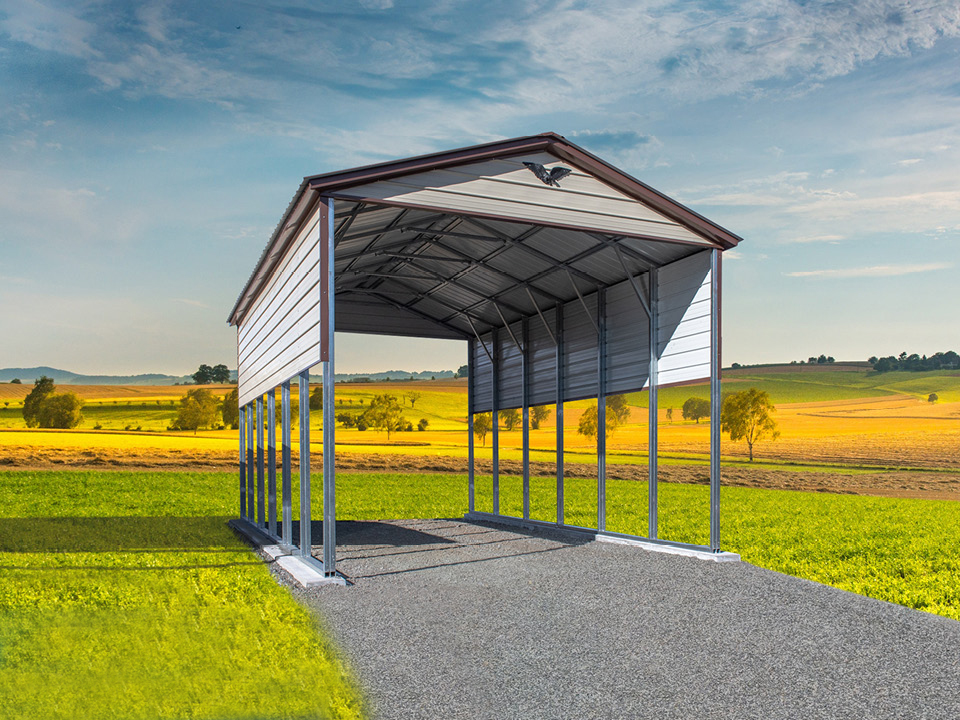
A regular roof is often the most budget-friendly option and can be a solid fit for smaller structures in milder conditions. An A-frame roof gives a more traditional look and is a popular choice when curb appeal matters. A vertical roof is often the better long-term choice for larger buildings or areas that deal with heavier rain, snow, or debris, because it helps water and material shed more efficiently.
The trade-off is simple. Better weather handling and a more premium finish can raise the price. But the cheapest roof style is not always the most affordable over time if it leaves you with more maintenance or less performance in your climate.
Open, partially enclosed, or fully enclosed?
This decision should come down to protection level and how you use the structure day to day. Open-sided buildings are a practical fit for vehicle coverage, equipment shelter, and some agricultural uses. They cost less and allow easy access from multiple sides.
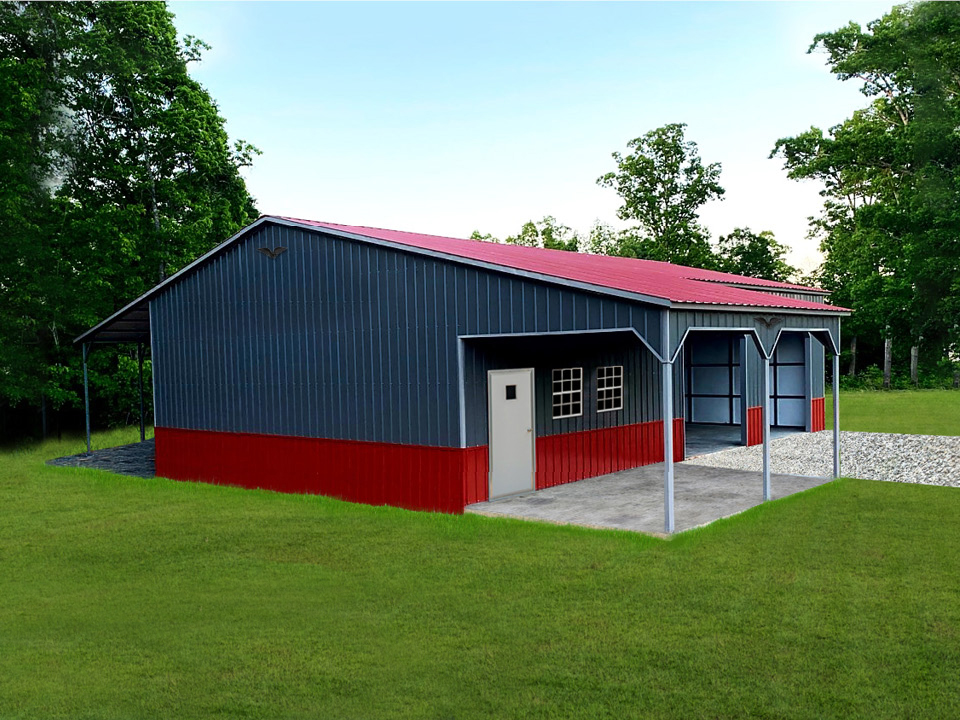
Partially enclosed buildings work well when you want a balance between airflow and protection. Adding side panels, end panels, or gables can block wind-driven rain and sun exposure without turning the structure into a full garage.
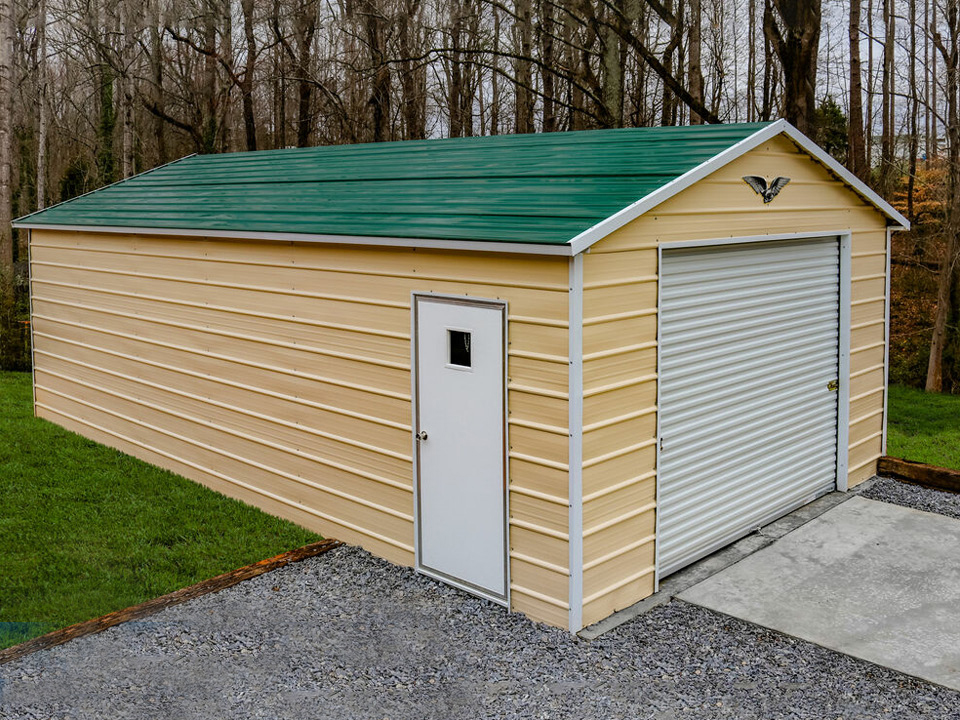
Fully enclosed buildings give you the most protection, security, and flexibility. If you need lockable storage, a workshop, a garage, or a building that may serve multiple purposes over time, full enclosure usually makes the most sense. The cost is higher, but so is the usefulness.
The right answer depends on your property and priorities. If security is critical, partial enclosure may not be enough. If ventilation is a top concern for animals or equipment, fully enclosed may not be the best starting point unless you plan for proper openings.
Don’t overlook height, clearance, and door placement
Height is one of the easiest details to underestimate. Buyers often plan for what they own today and forget future equipment, trailer height, lifted trucks, campers, or larger RVs. A few extra feet of clearance can make a major difference in long-term usability.
Door placement matters just as much. Roll-up doors, framed openings, walk-in doors, and side-entry options should follow your traffic pattern, not just the simplest layout. If you need to back in a trailer, move equipment through the building, or create separate work zones, your access points should support that.
This is where custom design pays off. Small layout changes can improve the daily experience of using the building and reduce frustration from tight turns, blocked storage, or wasted wall space.
Site prep is part of the building decision
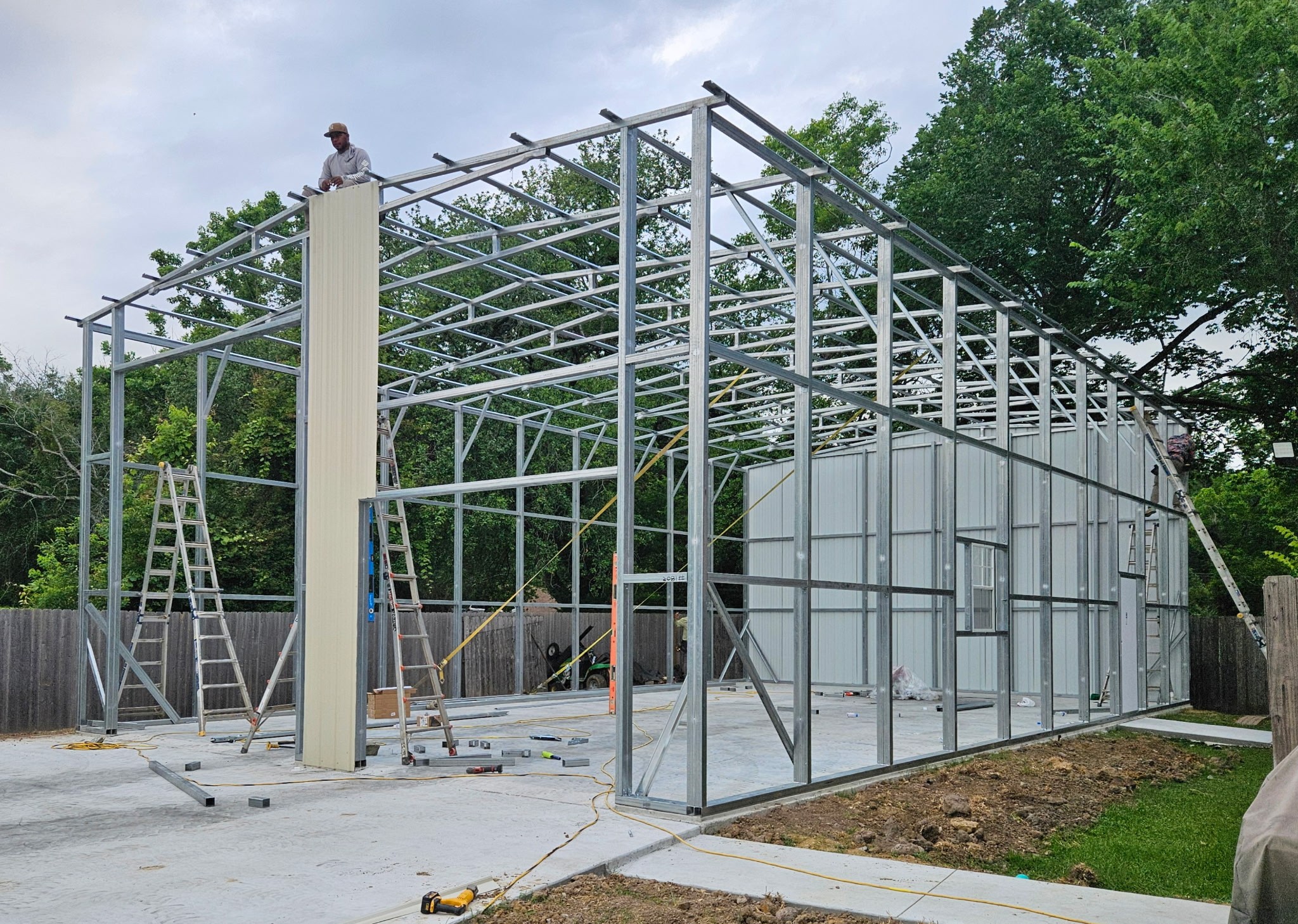
Even the best-designed building can disappoint if the site is not ready. Ground conditions, slope, drainage, and foundation type all affect installation and performance.
Some buyers assume site prep is a minor detail because they are focused on the structure itself. In reality, it influences everything from stability to water runoff. A well-prepared site helps protect your investment and supports a smoother install.
The right foundation depends on the building type and local conditions. In some cases, gravel may be suitable. In others, concrete offers better support and a better finished result, especially for enclosed garages and workshops. What works best depends on use, local codes, and the building configuration.
Understand the real cost, not just the starting price
Price matters, and smart buyers should compare options carefully. But the base price is only one piece of the cost picture.
Customization affects pricing in obvious ways, such as larger dimensions or added doors, but also in less obvious ones, like upgraded roof style, extra bracing, trim packages, and installation requirements. Site prep, permitting, and local code needs can also change the final number.
That does not mean custom is out of reach. It means clear quoting matters. A transparent quote helps you understand what you are paying for and where you may have room to adjust. Sometimes a slightly smaller footprint with a better layout is more useful than a larger building with fewer functional features. Sometimes financing or rent-to-own options make a better building possible without forcing you into a compromise you will regret.
Work with local code and weather in mind
A metal building should be designed for where it will stand, not where it looks good in a brochure. Wind ratings, snow loads, and local permitting requirements are not side issues. They directly affect safety and compliance.
This is one reason buyers benefit from guided support instead of guessing through the process alone. A good provider helps make sure the building configuration matches your area requirements and intended use. That is especially important if you are placing the structure in a storm-prone region or using it for business purposes.
Why digital design tools make a difference
For many buyers, customization feels easier once they can see it. A 3D design tool helps translate ideas into something concrete. You can compare roof styles, try different dimensions, place doors and panels, and get a clearer sense of how the finished building will work on your property.
That kind of visibility reduces mistakes. It also helps you move faster when you are ready to request pricing. Instead of describing a rough idea, you can start the conversation with a defined structure and refine from there. For buyers who want control without guesswork, that is a better experience.
Essex Metal Buildings has built much of its process around that idea – giving customers a practical way to design, price, and refine a structure before committing.
The best custom metal building guide ends with the right questions
Before you move forward, ask yourself a few honest questions. Will this building still fit my needs if my equipment changes? Am I choosing a lower price, or the right value? Does the layout support how I actually plan to use the space? Have I planned for weather, access, and site conditions instead of just appearance?
A custom metal building is one of those purchases where the right planning shows up for years. You notice it when your RV clears the opening without stress, when your tools stay dry, when your animals have better shelter, or when your workflow improves because the building was designed around real use. Take the time to build for the way you live and work now, with enough flexibility for what comes next.