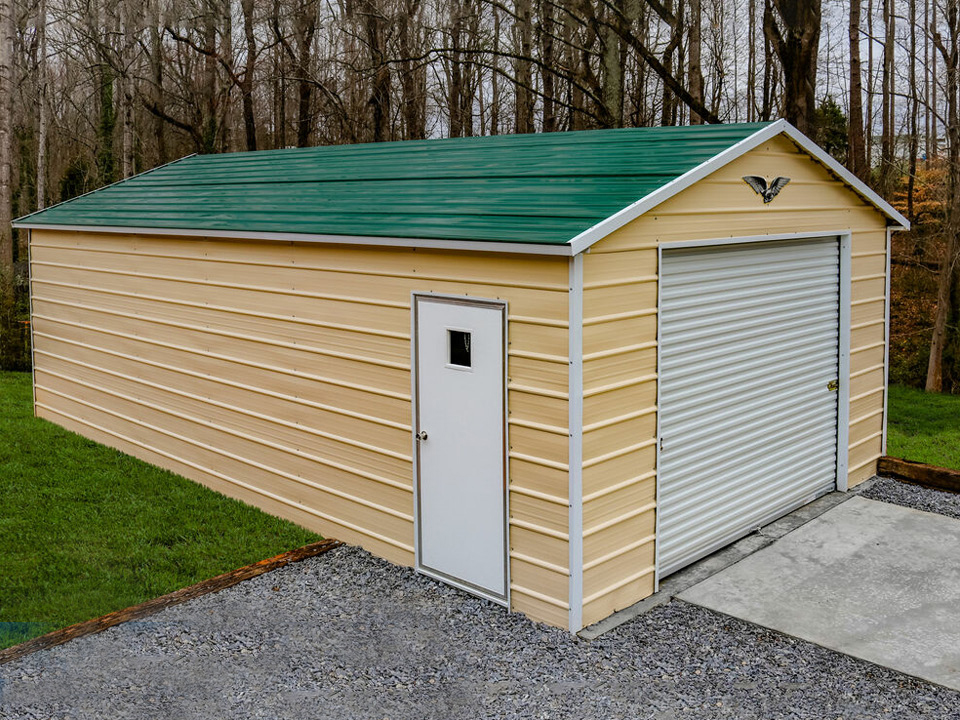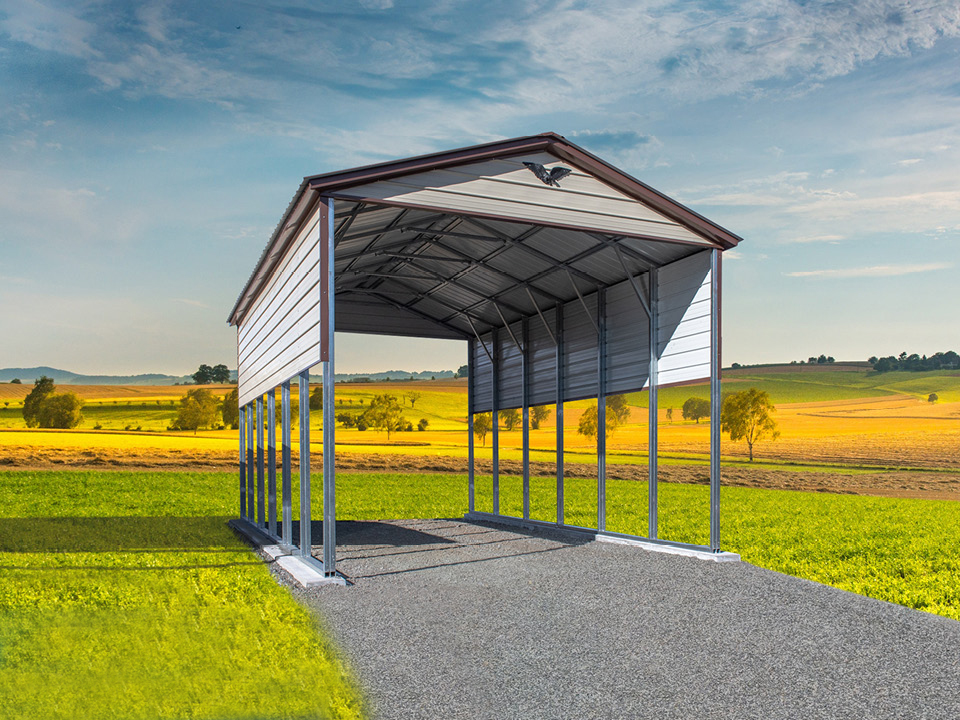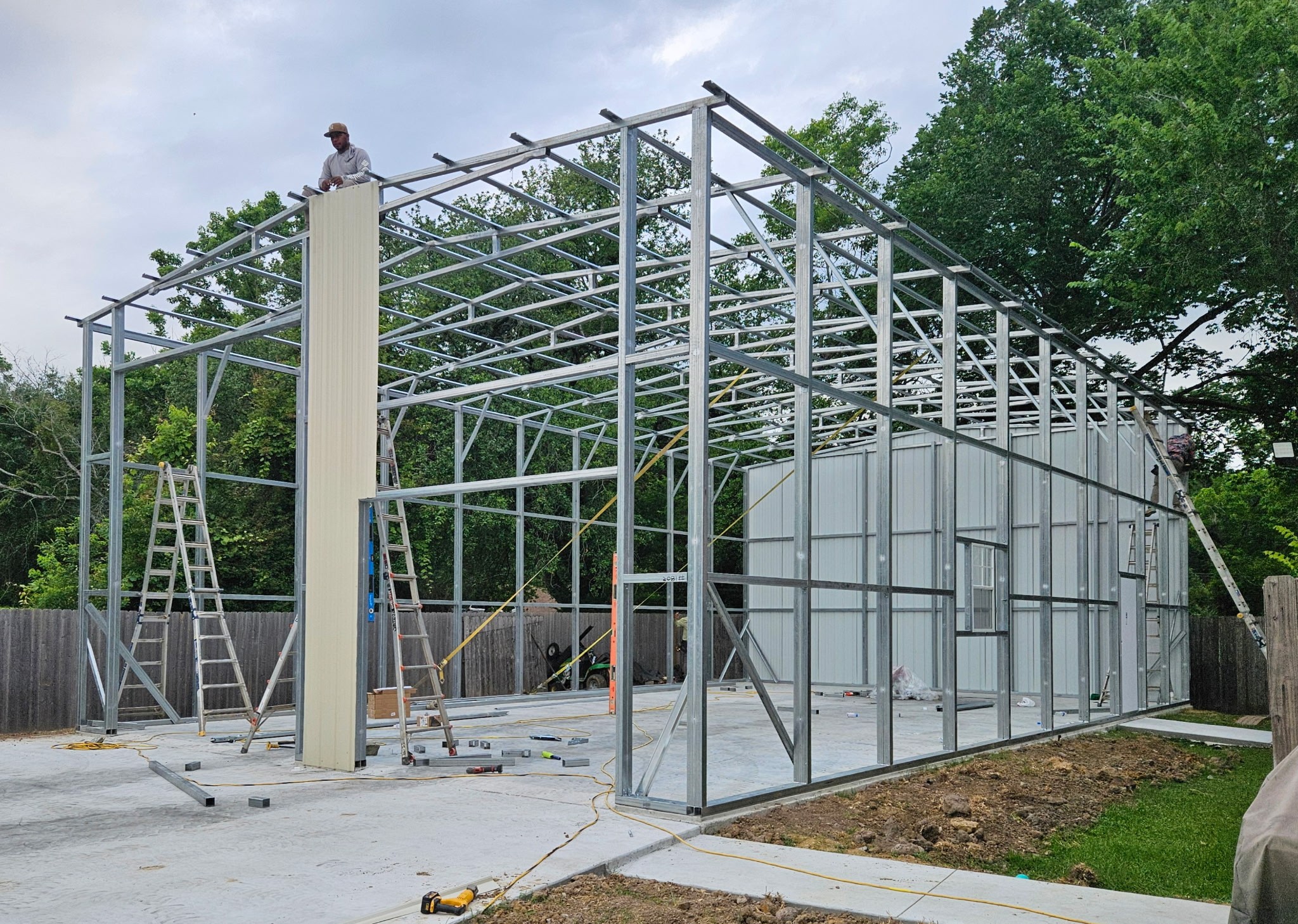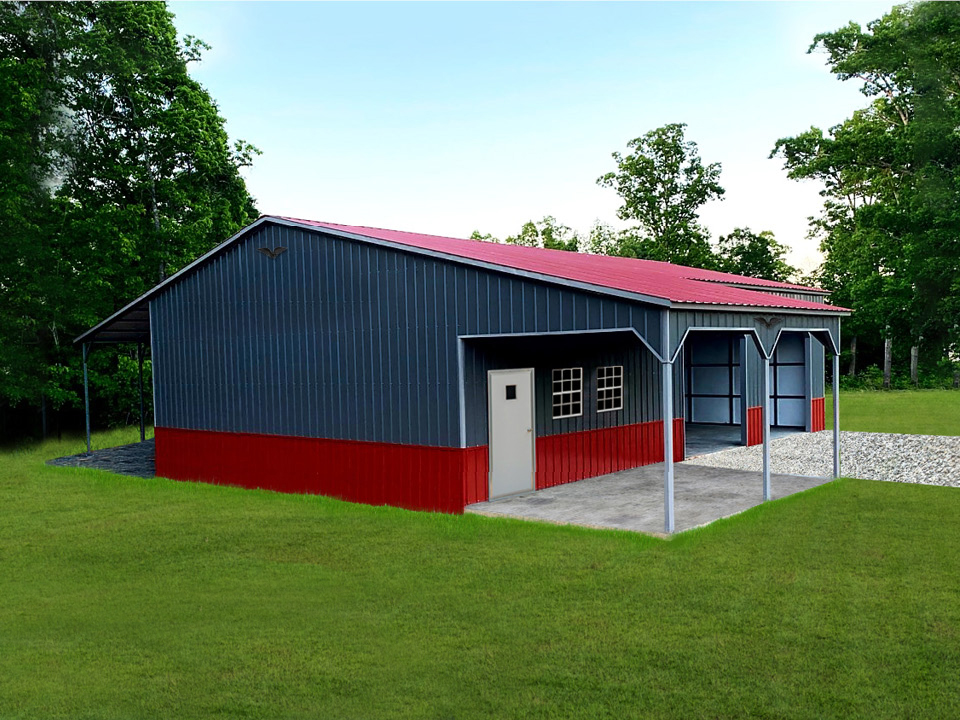
A custom building usually looks simple from the road. Then you start making decisions, and suddenly you are comparing widths, leg heights, roof styles, trim colors, doors, panels, and site layout all at once. That is where metal building design software earns its place. It gives you a way to see the structure before you commit, catch problems early, and make smarter choices with more confidence.
For property owners, that matters more than most people expect. A barn that is too narrow for equipment, a garage door placed on the wrong side, or a roof style that does not suit the local weather can turn an exciting purchase into an expensive correction. Good design tools reduce that risk by turning ideas into a clear visual plan.
What metal building design software actually does
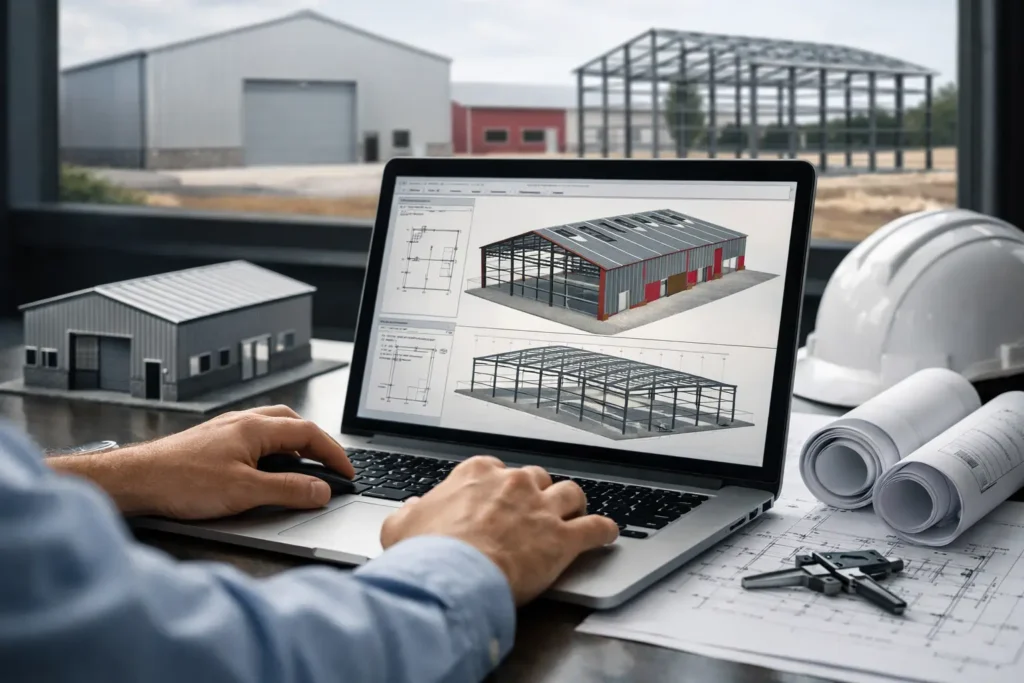
At the most practical level, metal building design software lets you configure a structure on screen before it is ordered. You can usually adjust dimensions, roof type, color combinations, enclosure options, doors, windows, and other add-ons while seeing those changes reflected in the design. Instead of relying on imagination alone, you get a more realistic sense of what the final building may look like and how it may function on your property.
That visual piece is only part of the value. The better platforms also help with pricing visibility, which is a major advantage for buyers trying to balance needs and budget. If changing from a standard roof to a vertical roof affects cost, or if adding extra bays changes the footprint enough to influence the overall plan, you can see those choices in context instead of guessing.
This is especially useful for customers who know what they need the building to do but are not sure how to configure it. A homeowner may know they need space for two vehicles and a mower. A farmer may need room for equipment, hay, or shelter. A small business owner may need covered workspace with enough clearance for trailers. The software helps translate that real-world need into dimensions and features that make sense.
Why buyers prefer design software before requesting a quote
The old way of buying a metal building often started with a rough conversation and a lot of back-and-forth. That still has value because expert guidance matters, but most customers want more clarity before they pick up the phone. They want to know whether a 24×30 garage feels right, whether a 12-foot leg height is enough for their RV, or whether a fully enclosed structure makes more sense than a partially enclosed one.
Metal building design software gives buyers a stronger starting point. It helps narrow down options before the quote stage, which saves time and makes conversations more productive. Instead of saying, “I think I want some kind of workshop,” you can say, “I need a 30×40 vertical roof building with two roll-up doors, one walk-in door, and an open lean-to on the side.” That is a much better place to begin.
It also makes the process less intimidating for first-time buyers. A lot of customers are not builders. They are homeowners, landowners, and business operators trying to solve a space problem. When they can experiment with options in a visual format, the purchase feels more manageable.
The features that matter most in metal building design software
Not every design tool is equally helpful. Some are little more than a basic visualizer. Others give you enough control to make meaningful decisions before you speak with a specialist. The right fit depends on how much detail you need and how close you are to buying.
A strong design experience starts with easy size customization. Width, length, and height should be simple to adjust because those dimensions shape almost every other decision. Roof style options should also be clear. For many buyers, choosing between regular, boxed-eave, and vertical roofing is not just about appearance. It can affect drainage, maintenance, and performance over time.
Door and panel placement is another major factor. A building can have the right size on paper and still work poorly if access points are in the wrong location. Good software lets you think through traffic flow, equipment movement, parking needs, and daily use.
Color selection matters too, though not only for curb appeal. Your building should fit the property and complement existing structures. A useful tool shows those combinations well enough that you can make a choice you will still like years from now.
Finally, pricing feedback is one of the most valuable features a buyer can have. It is hard to make practical decisions when every change feels disconnected from cost. When pricing is visible during design, buyers can decide where to invest and where to simplify.
Where software helps and where expert guidance still matters
Design software is a smart starting point, but it is not a substitute for experience. That is an important distinction. A digital tool can help you visualize your options, but it may not tell you whether your local site conditions call for a specific anchoring method, whether your county has permit requirements, or whether your chosen layout makes the most sense for how you will use the structure over time.
This is where the best buying process combines technology with real support. You want the speed and convenience of designing online, but you also want access to someone who can sanity-check the plan. That is often the difference between a building that looks right and a building that performs right.
For example, a customer may design an attractive structure with a lower roofline to save money. On paper, that seems sensible. In practice, it may create clearance issues for a lifted truck, tractor, camper, or trailer. Another customer may choose enclosure options based on appearance without considering ventilation needs for animals or workshop use. Software can show the building, but an experienced team helps protect the buyer from avoidable mistakes.
How to use metal building design software the smart way
The best approach is to begin with function, not appearance. Before you pick colors or trim, think about what the building needs to protect, store, or support. Measure your vehicles, equipment, trailers, or work area carefully. Include extra space for opening doors, walking around, and future needs. Many buyers regret building too small more than they regret building slightly larger.
Next, think about how the structure sits on your property. Entry direction, slope, surrounding trees, and distance from other buildings all affect usability. If you are placing a garage, workshop, or RV cover, make sure the design fits the way you will actually approach and use it.
Then start refining the details. Try different roof styles. Test door placements. Compare partially enclosed and fully enclosed options. If the software includes pricing, use that information to make trade-offs that matter. You may find that spending more on height or better roofing gives you more long-term value than spending extra on cosmetic upgrades.
If you reach a point where several options seem close, that is the right time to talk with a knowledgeable team. At Essex Metal Buildings, that digital-first process works best when paired with guidance from people who understand how these structures are used in the real world.
Who benefits most from using design software
Almost anyone shopping for a custom structure can benefit, but some buyers gain even more from it. First-time buyers often need help understanding what size and layout will serve them best. The software gives them a low-pressure way to learn.
Experienced landowners and business owners benefit for a different reason. They often know exactly what they want and prefer a faster path to a usable quote. Rather than starting from scratch in a phone call, they can create a close version of their target building and move the process forward quickly.
It is also valuable for anyone comparing priorities. If affordability is the main concern, the software helps identify options that keep the building functional without overspending. If appearance matters because the structure will sit beside a home or commercial property, the design view helps make sure the final look feels intentional.
A good building purchase should not feel like guesswork. Metal building design software gives buyers more control, more visibility, and a better sense of what they are ordering before production begins. When that technology is paired with practical advice and a team that understands custom steel buildings, the result is a smoother path from idea to installed structure. Start with what you need the building to do, and the right design usually follows.