The fastest way to turn a simple metal building project into a headache is to underestimate the ground it sits on. A great building on a poor site can lead to water problems, shifting, installation delays, and extra costs you did not plan for. That is why this metal building site prep guide focuses on the part buyers often overlook until delivery is already on the calendar.
If you are planning a garage, barn, RV cover, workshop, or custom steel building, site prep is not just a box to check. It directly affects how well your building performs, how long it lasts, and how smooth your installation goes. The goal is simple: create a level, accessible, well-draining area that matches your building dimensions and local requirements.
Why site prep matters before anything else
Most buyers start with size, roof style, and features. That makes sense. You want the building that fits your property and your budget. But the site determines whether that building can be installed correctly in the first place.
When the pad is out of level, too small, too soft, or hard to access, crews lose time and the install may need to be postponed. In some cases, the building can still go up, but you may end up with pooling water, uneven stress on the frame, or a floor plan that never works as well as it should.
Good site prep protects your investment. It also helps you avoid the kind of last-minute fixes that usually cost more than doing it right the first time.
Start with the building use, not just the footprint
Every metal building site prep guide should begin with one practical question: what will the building actually do on your property?
A simple carport has different site demands than an enclosed garage or agricultural barn. If you are storing vehicles and equipment, you may need more room around the structure for turning, backing in, and opening doors. If the building will house livestock or hay, drainage and ground stability become even more important. If it is a workshop, think about future concrete, utilities, and how people will move in and out every day.
This is where many property owners save money by planning ahead. A slightly larger prepared area now is usually cheaper than reworking the site later because you want a driveway extension, apron, or extra clearance around the building.
Choose the right location on your property
The best-looking spot is not always the best building spot. You want a location that is reasonably level, easy for delivery trucks to reach, and far enough from low areas where water collects.
If your property has slope, that does not automatically rule it out. It just means prep may be more involved. Cutting and leveling a steep area can increase site costs, and sometimes a different location gives you a better result for less money.
You should also think about tree coverage, overhead power lines, fence lines, septic systems, and other existing improvements. A building site needs working space around it during installation, not just enough room for the final structure. Tight access can become a real problem if crews cannot maneuver safely.
Understand local rules before ground work begins
Before you bring in gravel or order concrete, check your local zoning and permitting requirements. Rules can vary by county and municipality, and setbacks are one of the most common issues buyers run into.
A site may look perfect until you realize the building sits too close to a property line, utility easement, or another structure. Some areas also have rules for stormwater, height, anchoring, or engineered plans. If your site prep starts in the wrong place, moving it later is expensive and frustrating.
This is one area where guided support matters. A dependable building partner can help you think through the install requirements early so you are not guessing after you have already started prep.
Level ground is good, but drainage is critical
Buyers often focus on levelness first, and they should. Your site does need to be level enough for proper installation. But drainage is just as important.
A perfectly flat area that traps water is not a good site. You want the finished grade to move water away from the building, not toward it. Standing water around posts, legs, or slab edges can create ongoing maintenance issues and make the area harder to use.
In many cases, a slight slope away from the structure is the better approach. The exact grade can depend on the site, soil, and foundation type, but the bigger point is this: do not prep a pad in isolation from the surrounding land. Think about where rain goes after it lands on the roof and the ground around the building.
Pick the right foundation for the structure
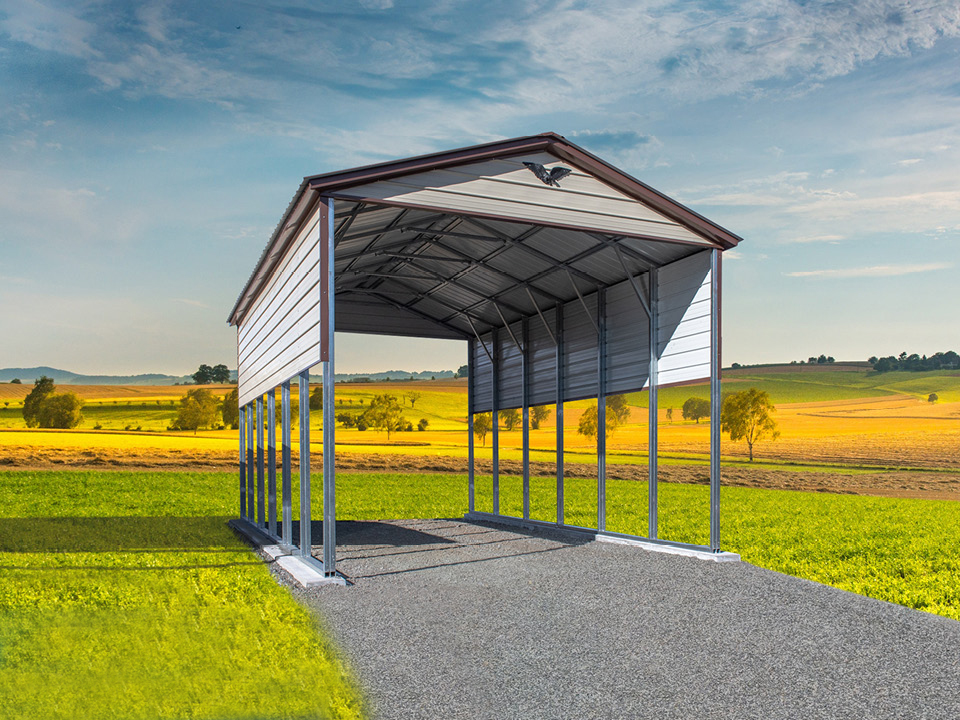
Not every metal building needs the same foundation approach. Some are installed on ground with proper anchors, some on gravel pads, and some on concrete slabs or footers. What makes sense depends on the building type, local code, intended use, and your long-term plans.
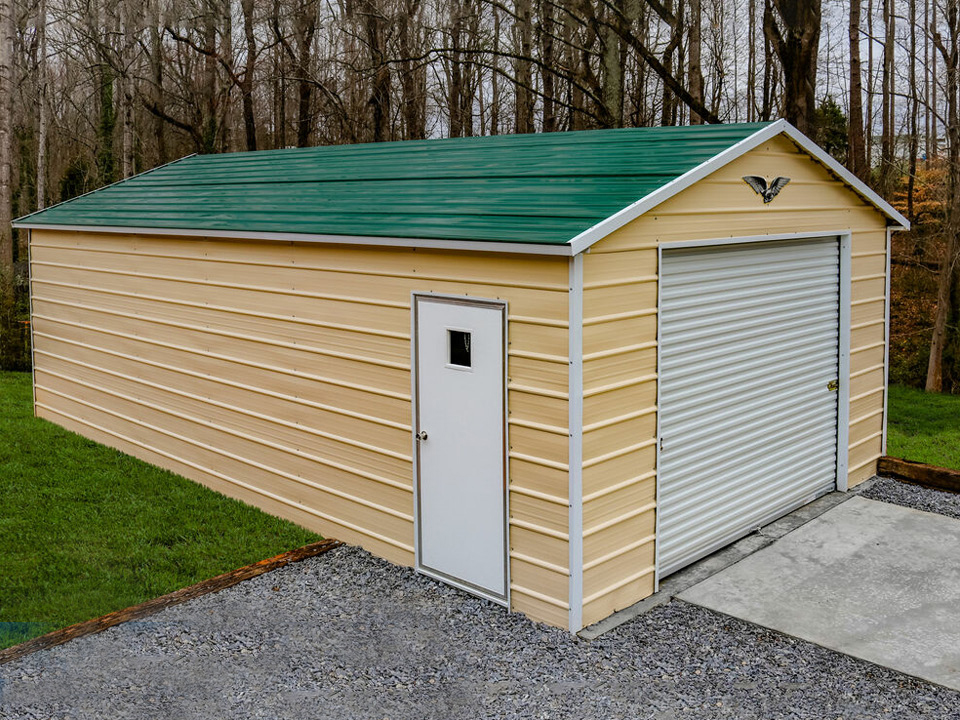
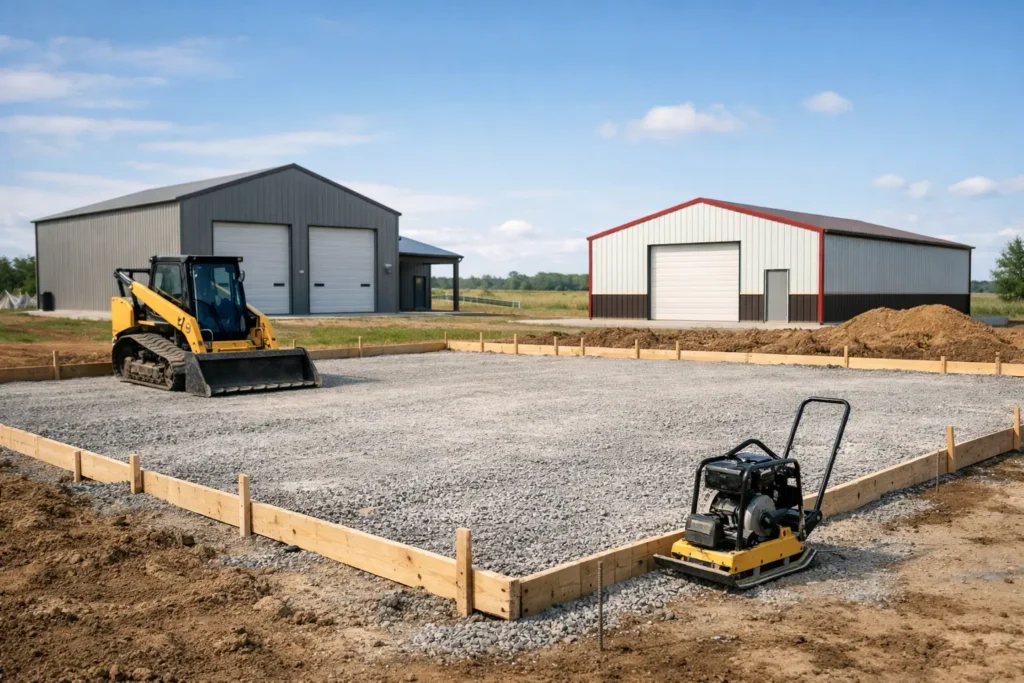
A gravel pad can be a practical option for certain agricultural and utility structures, especially when you need drainage and cost control. Concrete is often preferred for enclosed garages, workshops, and buildings that will carry heavier use. It provides a finished floor and can improve cleanliness, storage, and daily function.
The trade-off is cost and lead time. Concrete usually requires more planning, more precision, and enough cure time before installation. Gravel can move faster, but it still has to be compacted and built correctly. A cheap pad that settles is not a bargain.
A metal building site prep guide for pad size
One of the most common mistakes is preparing a pad that matches the exact building dimensions and nothing more. In many cases, the site should extend beyond the structure footprint to support drainage, access, and installation clearance.
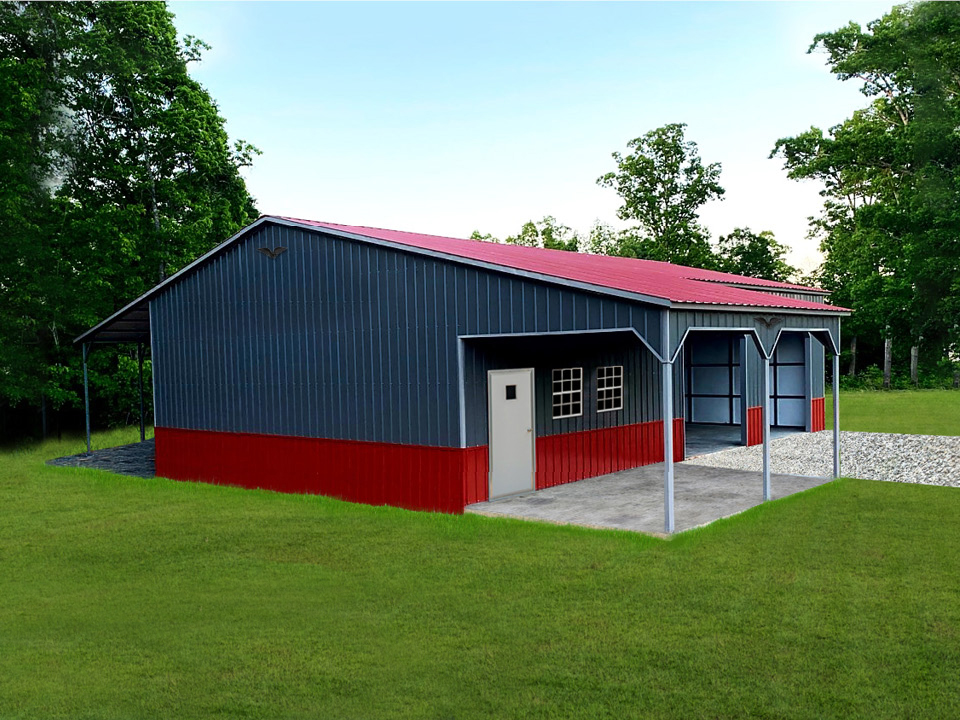
How much extra space you need depends on the building style and the type of foundation. For example, an enclosed garage may benefit from additional room in front for a driveway apron, while a barn or equipment cover may need more side clearance for movement and maintenance. If the site is too tight, the building may fit, but using it becomes inconvenient.
This is also the time to think ahead about gutters, side panels, lean-tos, ramps, and door swing. Future upgrades are easier when the surrounding area was planned with them in mind.
Soil conditions can change the whole job
Two sites can look similar on the surface and behave very differently underneath. Soft soil, expansive clay, loose fill, or areas with poor compaction can all create problems for foundations and anchors.
If your property has known soil issues, do not ignore them. Bringing in and compacting proper fill may be necessary. In some situations, you may need more site work than expected before the building can be safely installed. It depends on the structure and the local ground conditions.
This is one reason bargain pricing on the building alone can be misleading. If the site is not ready, the true project cost is higher no matter where you buy the structure.
Make sure crews and trucks can get in
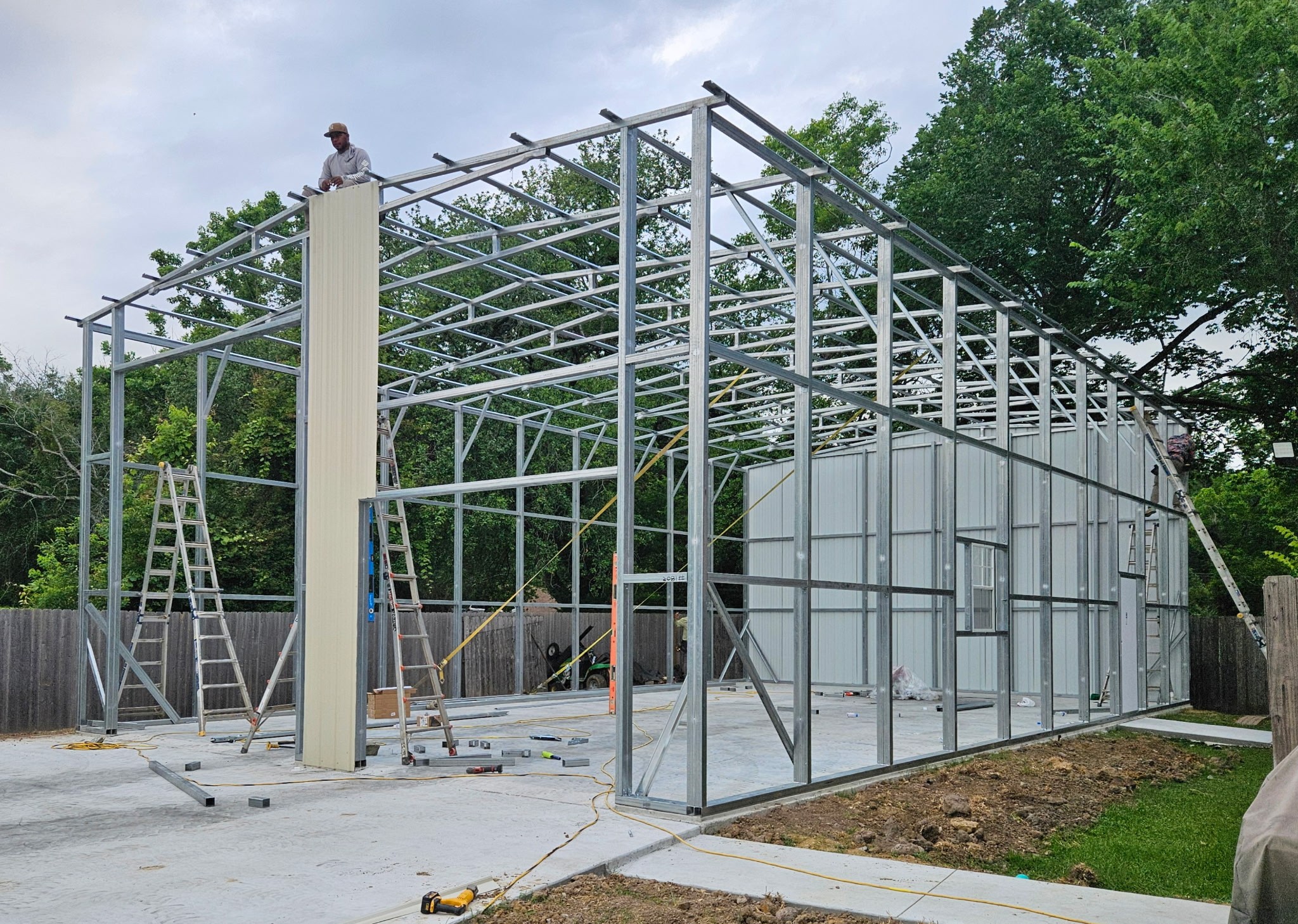
Delivery and installation are often where site prep mistakes become obvious. The building materials have to reach the site, and the crew needs space to unload, stage components, and work efficiently.
If access roads are narrow, muddy, heavily sloped, or blocked by trees and gates, installation can slow down or stop. The site may also need enough overhead clearance for equipment and safe maneuvering.
A good rule is to think beyond the finished building and walk the full route from the road to the pad. If a large truck had to make that trip tomorrow, could it do it without issue? If the answer is maybe, fix it before delivery day.
Utility planning is easier before installation
If your building will need electricity, water, or drainage connections, plan those before the structure goes up. Trenching after installation is possible, but it is usually more disruptive.
Workshop owners often want power for lighting, tools, and door openers. Homeowners adding a garage may want exterior lighting or future HVAC. Agricultural buyers may need water access nearby. None of this has to be fully finished in advance in every case, but the layout should be considered early so you do not end up working around the building later.
Final walkthrough before delivery
Before installation is scheduled, walk the site one more time with a practical eye. Check that the pad is complete, level, and sized correctly. Confirm drainage paths, access, setbacks, and any permit requirements. Remove debris, mark utilities if needed, and make sure the site is ready for the crew to get straight to work.
This is where an experienced provider can save you time. At Essex Metal Buildings, helping customers think through design, pricing, and installation logistics early is part of making the process easier from start to finish.
The best building projects usually do not feel rushed on install day. They feel prepared. If you give the ground the same attention you give the building design, you put yourself in a much better position to get a structure that looks right, performs well, and serves your property for years.