

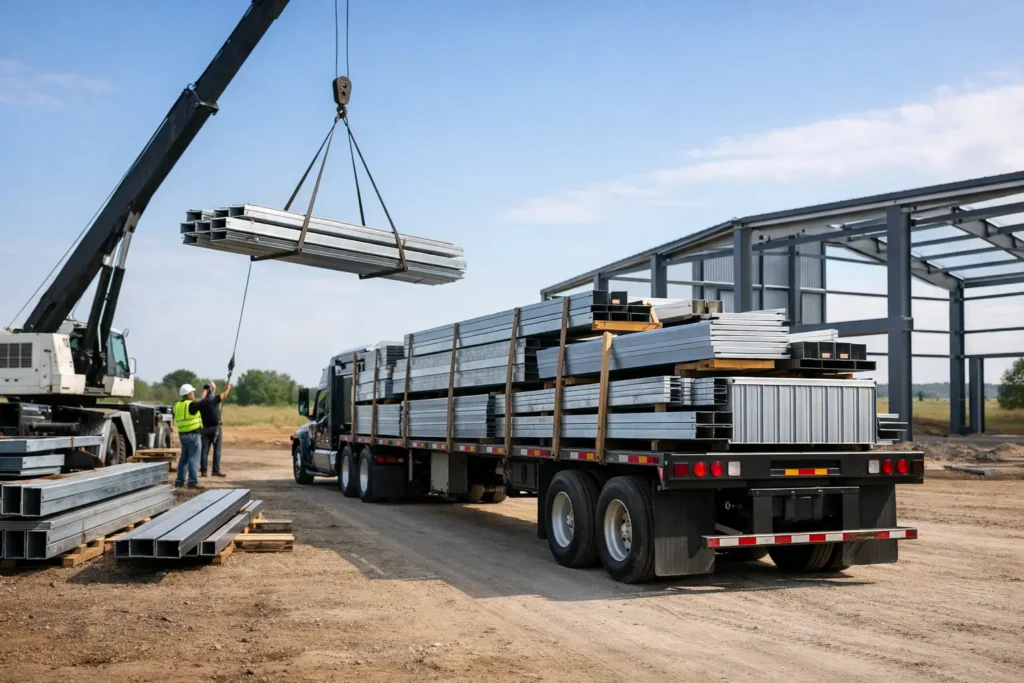
A steel building rarely shows up as a finished box ready to drop into place. The steel building delivery process is more coordinated than that, and knowing how it works can save you time, frustration, and unexpected costs before installation day arrives.
For most buyers, the biggest question is simple: what happens after the order is placed? If you are buying a custom garage, barn, RV cover, workshop, or commercial structure, delivery is the point where design decisions become real. It is also where site access, scheduling, weather, permits, and communication all start to matter at the same time.
What the steel building delivery process actually includes
Delivery is not just transportation. It usually covers production scheduling, order confirmation, material bundling, route planning, site readiness checks, and coordination with the installation crew. If any one of those pieces is off, the whole job can slow down.
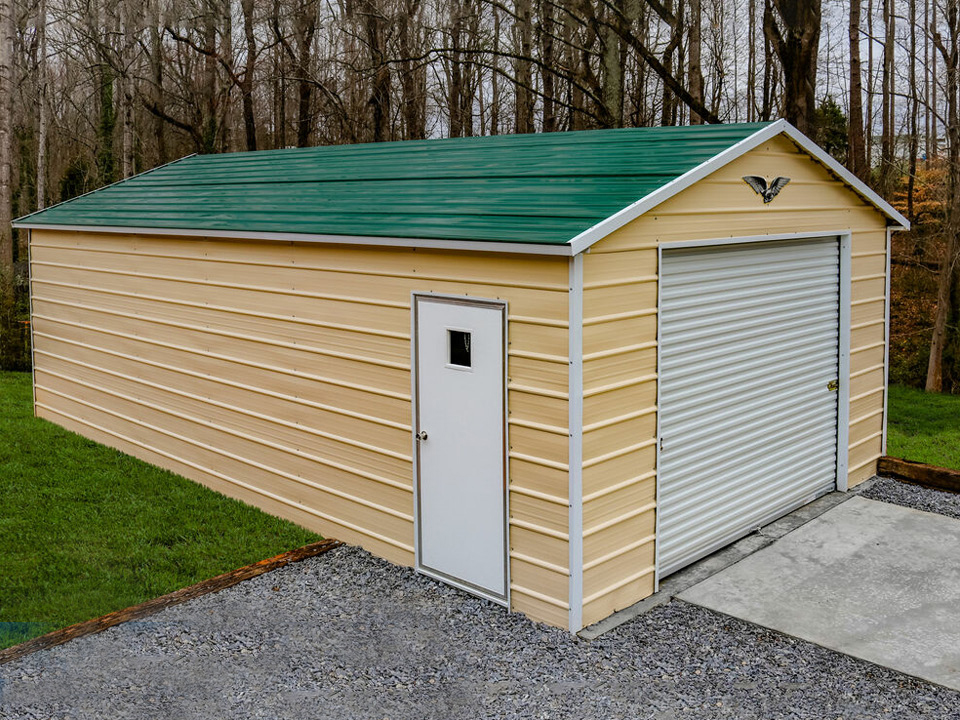
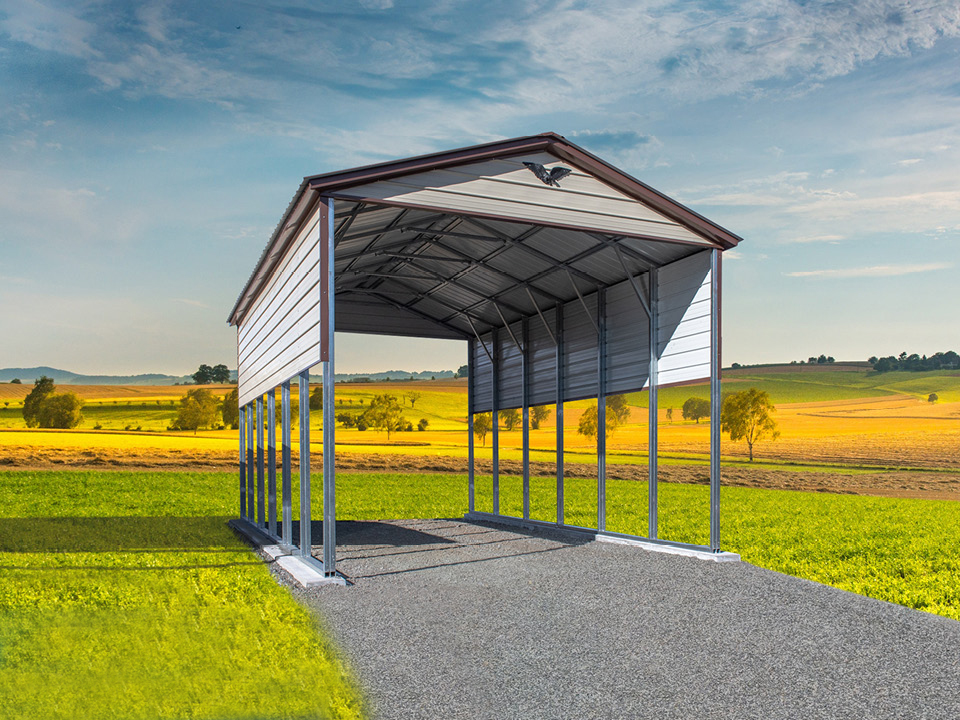
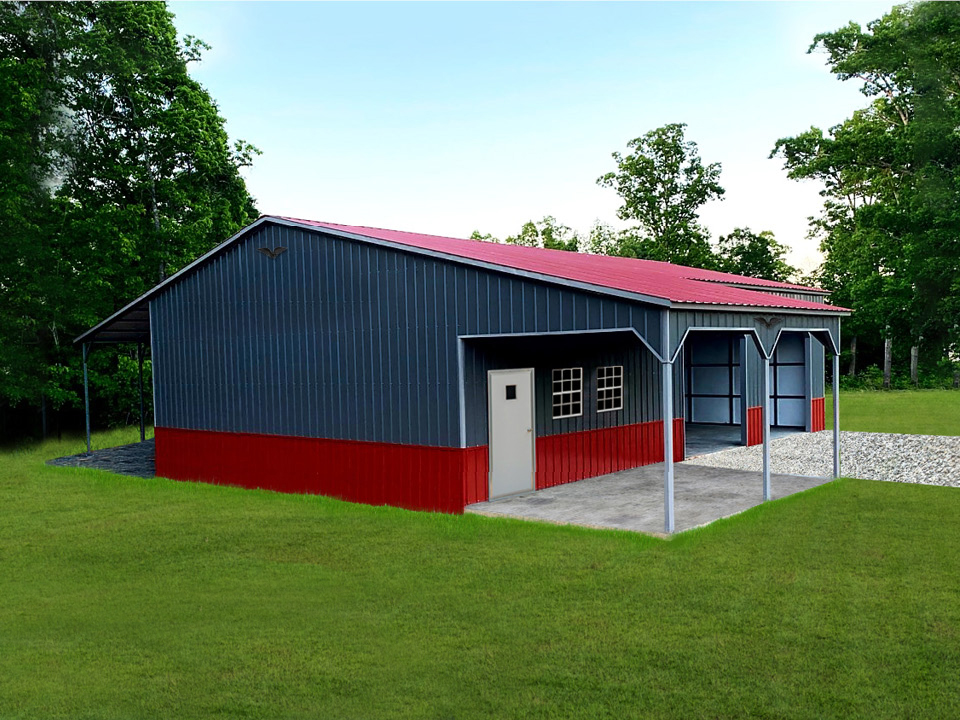
That matters because most steel buildings are made to order. Your dimensions, roof style, panel color, trim, doors, framing options, and certification requirements affect what gets manufactured and when it can ship. A standard-size carport may move faster than a fully enclosed, engineered building with insulation framing, multiple openings, and site-specific load requirements.
This is why a good provider does more than quote a price. They help you understand the timeline and prepare your property so the delivery goes smoothly.
Step 1: Finalizing the order before anything ships
Before delivery is ever scheduled, the building details need to be locked in. That includes width, length, height, roof style, panel layout, door placement, anchors, and any upgrades tied to wind or snow loads in your area. If financing is involved, that also needs to be settled before production moves forward.
This stage can feel administrative, but it directly affects delivery timing. Last-minute changes often mean revised drawings, updated pricing, or production delays. If a buyer changes from an open carport to a fully enclosed garage after the order is submitted, the manufacturer may need to rebuild the schedule around different materials.
For that reason, it pays to confirm the details carefully on the front end. A few extra minutes spent reviewing the order can prevent weeks of delay later.
Step 2: Manufacturing and scheduling
Once the order is approved, the building enters production. Because these structures are typically custom, manufacturing timelines vary based on plant capacity, material availability, seasonality, and the complexity of the building. Spring and early summer often bring heavier demand, which can stretch lead times.
This is also the stage where buyers sometimes get impatient, especially if they expected delivery to work like ordering a stock product. It usually does not. The frame, panels, trim, and hardware are prepared for your specific building package, then grouped for transport.
A dependable team should give you a realistic timeframe instead of promising the fastest possible date. Clear expectations matter more than an aggressive estimate that slips repeatedly.
Step 3: Preparing the site for delivery
The steel building delivery process depends heavily on site conditions. Even if the building is ready, delivery can stall if the property is not.
The site should be level, accessible, and clear of obstacles before the truck arrives. That means removing low branches, checking gate width, accounting for soft ground, and making sure there is enough turning room for a trailer carrying long steel components. Rural properties often have plenty of open land, but not always enough practical access for a large delivery vehicle.
If the building is going on concrete, the slab usually needs to be completed to the correct dimensions before installation. If it is going on ground, gravel, or asphalt, the anchor plan and surface preparation need to match the building type and local requirements. Buyers sometimes assume the installation crew can solve site issues on arrival, but there are limits. Crews can assemble buildings. They are not there to clear trees, move vehicles, regrade the pad, or fix an undersized slab.
Step 4: Confirming permits and local requirements
Not every steel structure is treated the same by local authorities. Some areas require permits for even small metal buildings, while others are more flexible depending on size, use, and foundation type. The delivery timeline can be affected if permit approval is still pending when the building is ready to ship.
This is one of the most common points of confusion for first-time buyers. Ordering a building does not automatically mean the site is legally ready for installation. In many cases, permit responsibility falls on the property owner, even when the building supplier provides engineered plans or certification documents.
It is worth checking early, not after the truck is already on the schedule. Delays tied to permitting can create storage issues, rescheduling fees, or installation setbacks.
Step 5: Delivery day and what to expect
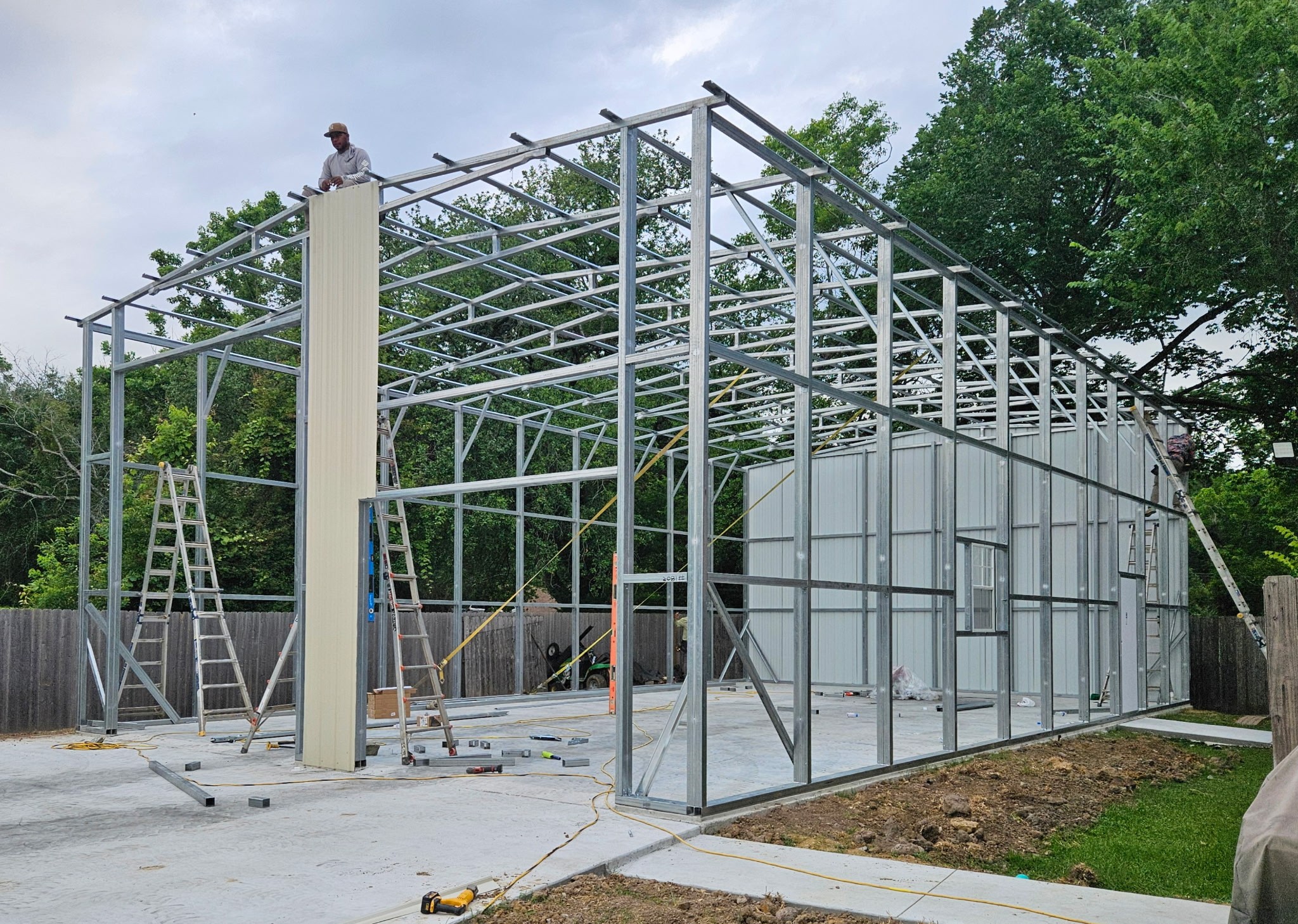
When delivery day arrives, the materials usually come bundled rather than assembled. You should expect framing members, panels, trim, fasteners, and related components to arrive as a package for onsite installation.
That means someone should be available to verify access and receive the delivery if required. In some cases, the truck can unload near the build area. In others, materials may need to be staged nearby if direct access is tight. Weather can also affect timing. Rain, muddy ground, high winds, or storm conditions may delay unloading or change the installation sequence.
A smooth delivery is usually quiet and efficient. A rough one tends to trace back to site access problems, unclear communication, or unrealistic assumptions about what the driver or crew can accommodate.
How delivery and installation work together
Many buyers think of delivery and installation as separate events, but they are closely connected. If installation is scheduled immediately after delivery, the site has to be fully ready before the materials arrive. If there is a gap between the two, the materials may need to be stored safely and kept accessible.
This is where end-to-end coordination makes a real difference. A company that manages design, order review, delivery scheduling, and setup support can reduce handoff problems. Essex Metal Buildings focuses on that kind of guided process because custom projects go better when buyers are not left to connect every moving part on their own.
That said, exact timing still depends on several variables. Distance from the manufacturing location, route restrictions, crew availability, and weather all play a role. There is no honest one-size-fits-all timeline.
Common delays in the steel building delivery process
Most delivery problems are preventable, but only if they are spotted early. The usual trouble areas are incomplete site prep, pending permits, last-minute design changes, poor property access, and weather-related rescheduling.
Peak season can also affect delivery windows. If you need a building installed by a certain date, such as before harvest, before winter, or before taking delivery of an RV, it is smart to start earlier than you think you need to. Waiting until the busy season often limits your options.
Communication matters here. If you know your driveway is narrow, your land stays soft after rain, or your county has strict permit rules, say that up front. The more a provider knows, the better they can plan around it.
How to make your delivery go more smoothly
The best thing a buyer can do is stay involved without overcomplicating the process. Confirm your order details carefully, ask what site conditions are required, check local permit rules early, and keep the delivery path clear. If you are pouring concrete, verify the dimensions against the approved building layout before the slab is finished.
It also helps to ask practical questions instead of just asking for the fastest date. Find out how much access the truck needs, whether someone must be onsite, what weather conditions can trigger a delay, and whether installation is planned for the same day or later. Those answers are often more useful than a broad estimate.
A custom steel building is a major purchase, but the delivery should not feel mysterious. When the order is accurate, the site is prepared, and the schedule is coordinated properly, the process becomes much more predictable.
The real goal is not just getting materials to your property. It is getting your building delivered in a way that keeps the project on track, protects your investment, and sets up a clean installation. If you approach the steel building delivery process with that in mind, you will make better decisions from the very start.
A little preparation before the truck arrives can make the difference between a rushed project and one that feels well managed from day one.