If you’re pricing a carport, garage, barn, or RV cover, the roof style can change more than the look. In a vertical roof vs regular roof comparison, the real question is how much performance you need for your climate, your building size, and the way you plan to use the structure.
A lot of buyers start by focusing on width, height, and price. That makes sense. But roof design affects water runoff, snow handling, maintenance, noise, and long-term wear. Choose the wrong one, and a lower upfront cost can turn into a structure that needs more attention than you expected.
Vertical roof vs regular roof: what’s the difference?
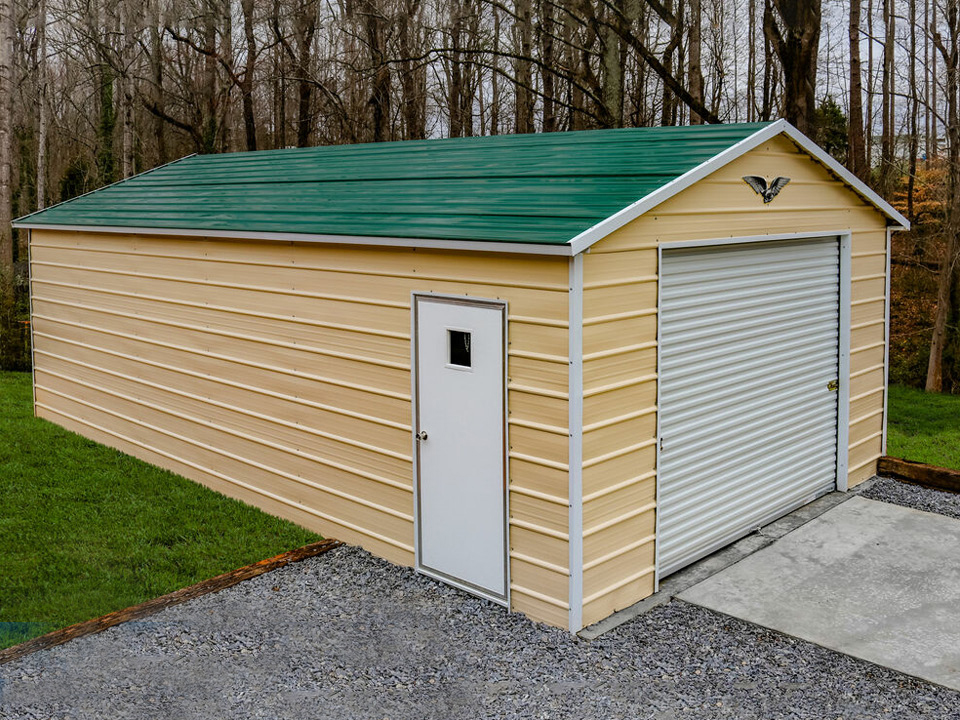
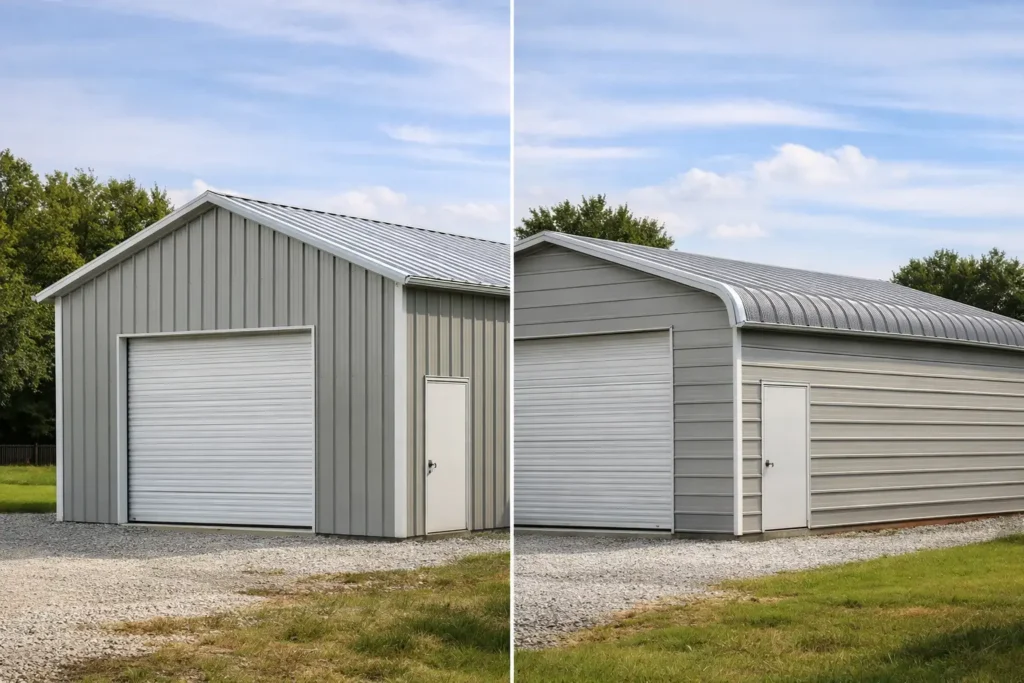
A regular roof, often called a standard roof on metal buildings, has horizontal roof panels that run from front to back. It is the simplest and most affordable roof style offered on many steel structures. Because the panels run horizontally, rainwater, debris, and snow do not move off the roof as efficiently as they do on higher-performing designs.
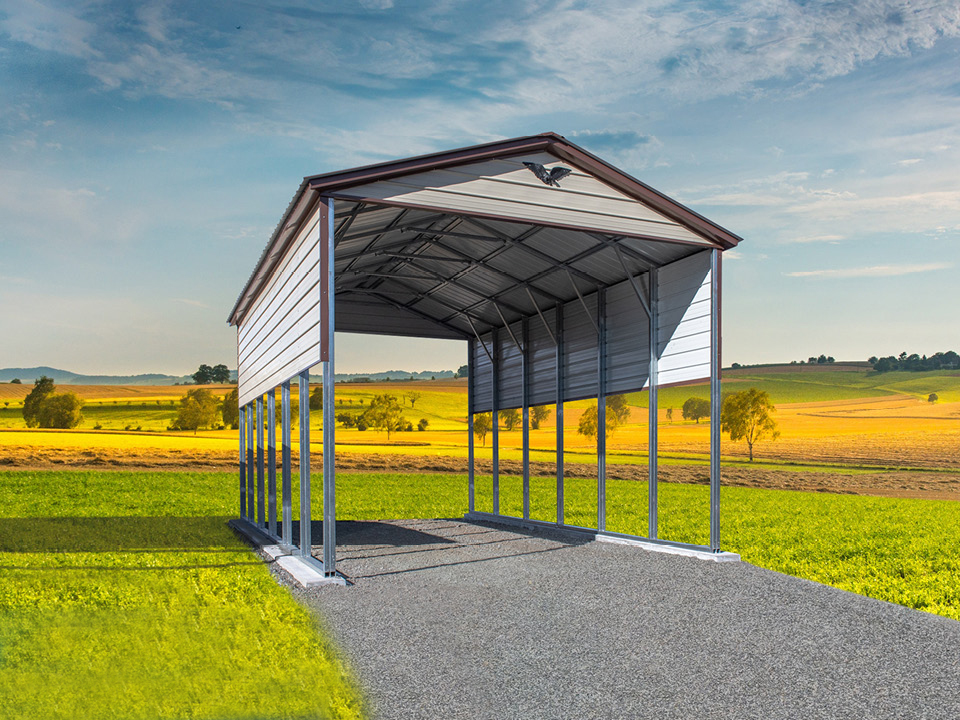
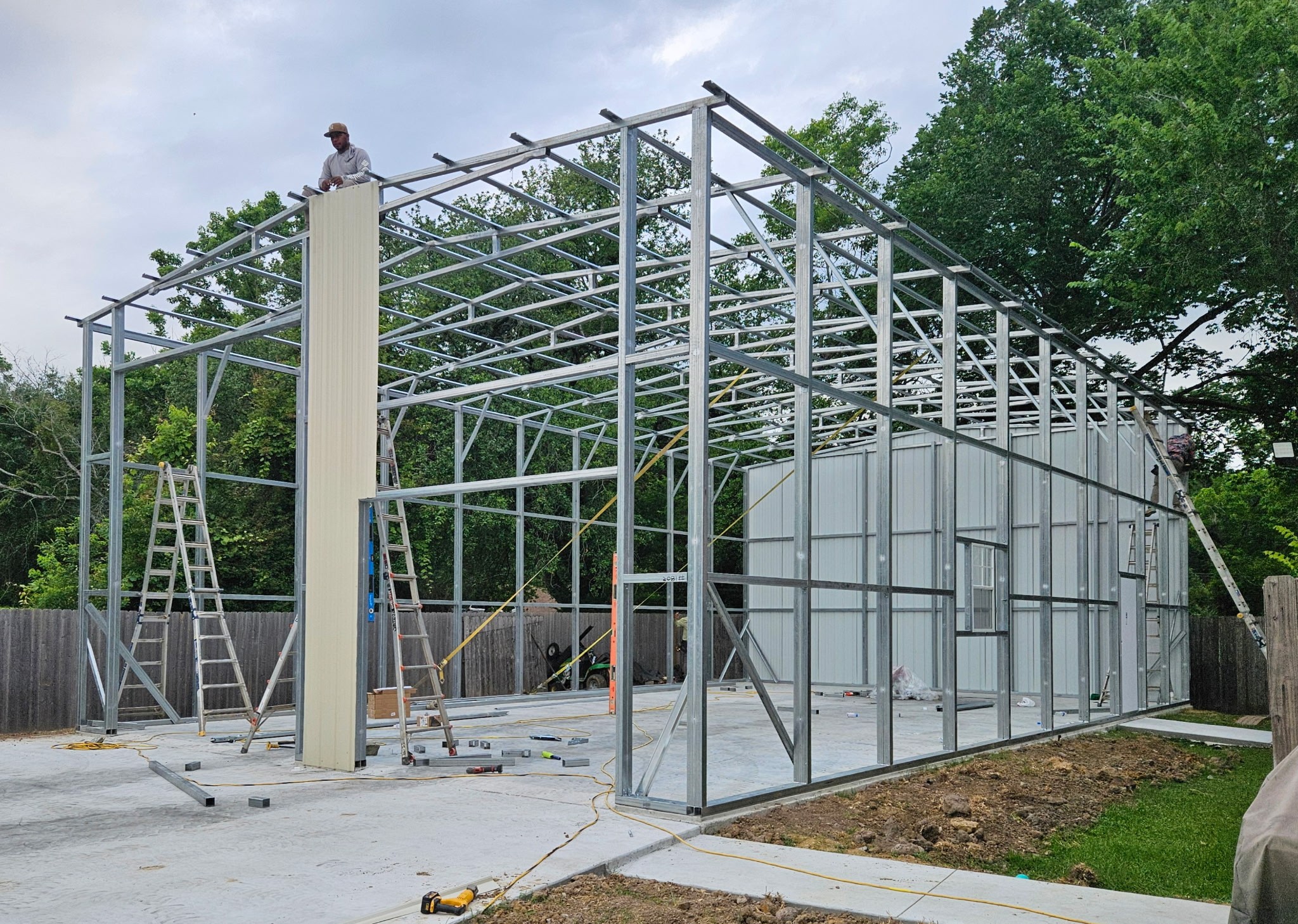
A vertical roof uses roof panels that run from the ridge down to the eave. It also includes a framed system with hat channels and a ridge cap designed to move water, snow, and leaves downward more effectively. On most metal buildings, this is considered the strongest and most weather-ready roof option.
That difference in panel direction may sound minor, but it matters in real use. If your building is going on a rural property with open exposure, under trees, or in an area with regular rain or snow, roof orientation affects how the structure performs year after year.
Why roof style matters more than many buyers expect
For smaller, lightly used buildings in mild climates, a regular roof can be a practical budget choice. If you’re covering a compact vehicle or adding simple storage where heavy weather is not a major concern, it may do the job just fine.
But many property owners are not buying a metal building for light-duty use. They need to protect tractors, trailers, boats, RVs, work equipment, feed, tools, or daily-use vehicles. In those cases, the roof is not just a top layer. It is one of the main features determining how well the building holds up over time.
A vertical roof usually makes the most sense when you’re investing in a larger structure, planning to stay on the property long term, or want fewer headaches with maintenance. It costs more, but it often pays back in performance and peace of mind.
Cost: the biggest reason buyers consider a regular roof
Let’s start with the obvious trade-off. Regular roofs usually cost less than vertical roofs. For buyers working within a tight budget, that lower price can be appealing, especially if the building is relatively small.
If your goal is basic coverage at the lowest upfront cost, a regular roof may check the box. This can be true for entry-level carports, temporary-use shelters, or secondary structures where premium performance is not necessary.
Still, the cheapest option is not always the best value. If you later deal with standing debris, more frequent cleaning, or limitations tied to your local weather, the savings may feel smaller over time. That is why cost should be weighed against use, location, and expected lifespan, not just the starting quote.
Drainage and weather performance
This is where vertical roofs usually pull ahead.
Because the panels run from top to bottom, a vertical roof naturally channels rain, melting snow, and debris toward the edges of the building. That design helps reduce pooling and encourages cleaner runoff. It is especially useful on garages, workshops, barns, and RV covers that sit through all seasons.
A regular roof can still protect your building contents, but it is less efficient at shedding water and debris. The panel ribs run horizontally, which can slow runoff and allow leaves, dirt, or moisture to collect more easily. In dry areas with minimal storms, that may not create a major issue. In wetter or wooded locations, it can become a maintenance concern.
If your property sees frequent rain, occasional ice, or seasonal snow, vertical roofing is usually the safer call. It is built for tougher conditions and tends to be the preferred choice for buyers who want stronger all-around protection.
Vertical roof vs regular roof for snow, wind, and larger buildings
The bigger the building, the more roof performance matters.
On a compact carport, a regular roof may be acceptable if local conditions are mild. On a taller garage, wider barn, or long RV cover, a vertical roof generally becomes the smarter investment. Larger spans put more importance on how the roof handles load, runoff, and structural stress.
Vertical roofs are commonly recommended for areas with snow because they help move accumulation off the roof more effectively. They are also popular in places with stronger weather patterns, where buyers want a more durable system from the start.
Wind is a little more situational because the full building design matters, not just the roof style. Anchoring, framing, enclosure level, and installation all play a role. But when buyers are trying to build for stronger overall performance, vertical roofing is often part of that conversation.
Maintenance and long-term ownership
Most buyers are not looking for a building they have to babysit. They want dependable protection and a setup that works without constant upkeep.
That is one reason vertical roofs remain so popular on premium metal buildings. Since they shed water and debris more effectively, they usually require less attention over time. Leaves are less likely to sit on the roof, and dirt buildup tends to be less of an issue.
A regular roof may need more occasional cleaning, especially if the structure is installed near trees or in an area where storms blow debris across the property. That does not make it a bad product. It just means the ownership experience can be different.
For some buyers, that trade-off is acceptable if the price savings are meaningful. For others, especially those buying a building for years of daily use, lower maintenance is worth paying for upfront.
Which roof works best for different building types?
For basic carports used in mild climates, a regular roof can be a reasonable fit. It gives you simple protection at a lower cost and can work well when the structure is smaller and the weather is less demanding.
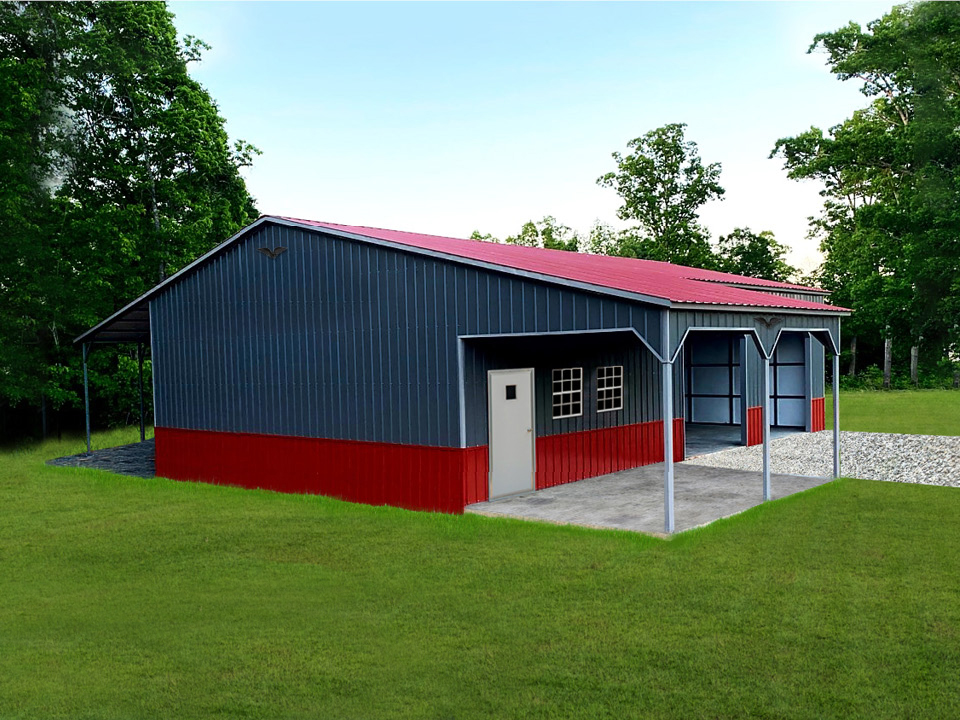
For garages, workshops, barns, and RV covers, vertical roofs often make more sense. These buildings tend to protect higher-value items or serve more demanding daily needs. Better drainage and stronger overall performance become more important.
If you are covering an RV, camper, boat, farm equipment, or a work truck, it usually makes sense to think beyond the entry price. The larger and more valuable the asset, the more a vertical roof tends to justify itself.
For agricultural and rural properties, vertical roofs are often a better long-term match simply because they handle open exposure, seasonal weather, and debris more effectively. That is especially true when the structure will be used year-round.
When a regular roof is enough
A regular roof is not the wrong choice just because it is the lower-cost option. It can be the right fit when the building is small, the budget is firm, and the local weather is relatively forgiving.
It also makes sense when the structure is being used for straightforward coverage rather than heavy-duty protection. If you know what you need and the conditions support it, a regular roof can still provide solid value.
The key is being honest about what the building will face. If you already know your property gets heavy rain, falling leaves, or winter weather, choosing a regular roof just to save money may not feel like a win later.
When a vertical roof is worth the upgrade
A vertical roof is usually worth the extra cost when you want the best mix of durability, appearance, and weather performance. It is the upgrade many buyers choose when they want to do it once and do it right.
It is also the better option if you are customizing a building for long-term use. If you’re investing in a garage, workshop, barn, or large cover, a stronger roof system supports the value of the full project.
At Essex Metal Buildings, that is often where good planning matters most. A buyer may start by comparing roof prices, but once they look at building size, location, use, and expected lifespan, the better answer becomes clearer.
How to decide with confidence
If you are stuck between the two, ask yourself a few practical questions. How large is the building? What kind of weather does your property get? Will the structure sit under trees? Are you protecting something expensive? Do you want the lowest upfront cost, or the stronger long-term option?
Those answers usually point you in the right direction.
For a simple structure in a mild climate, a regular roof can be a smart, budget-friendly choice. For better drainage, better performance in rougher weather, and a stronger fit for larger buildings, vertical roofing is usually the better investment.
The best roof is the one that matches the way you actually live and work on your property. When you choose based on real use instead of just sticker price, you end up with a building that feels like money well spent.