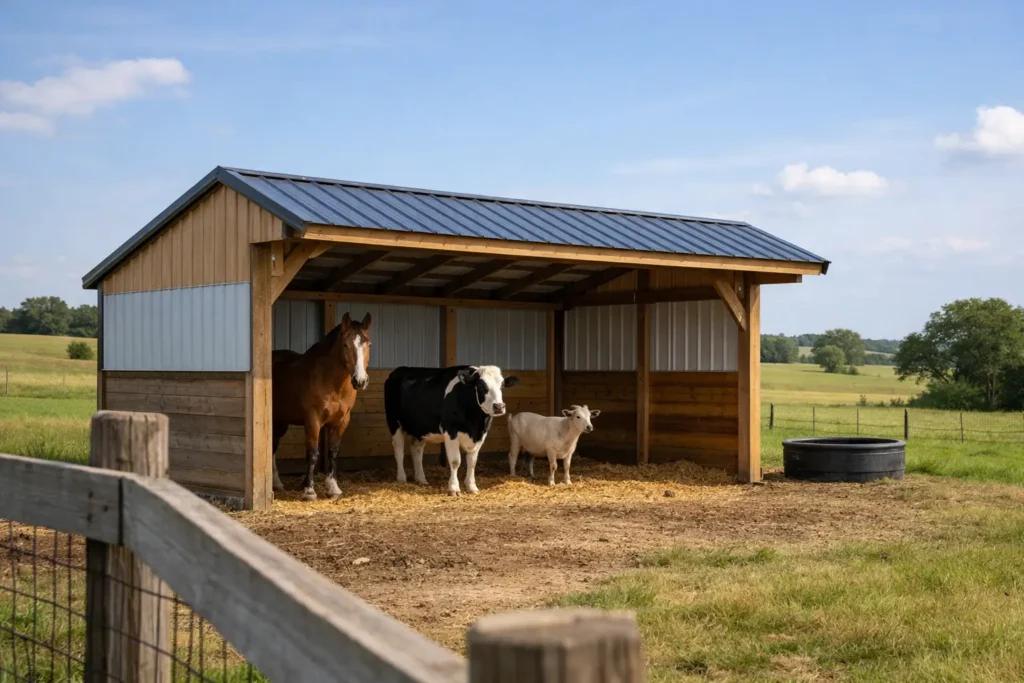
If you have animals on your property, you already know they do not always need a fully enclosed barn. Sometimes they just need a dry, shaded place to get out of the weather and settle in. That is usually the simplest answer to what is a loafing shed – a partially enclosed shelter designed to give livestock basic protection from sun, rain, wind, and snow without the cost or footprint of a traditional barn.
For many property owners, a loafing shed hits the sweet spot. It is practical, easier to place on a site, and often more affordable than a larger enclosed structure. But like most building choices, the right setup depends on what you are sheltering, how much weather exposure your property gets, and how long you expect the structure to serve you.
What is a loafing shed used for?
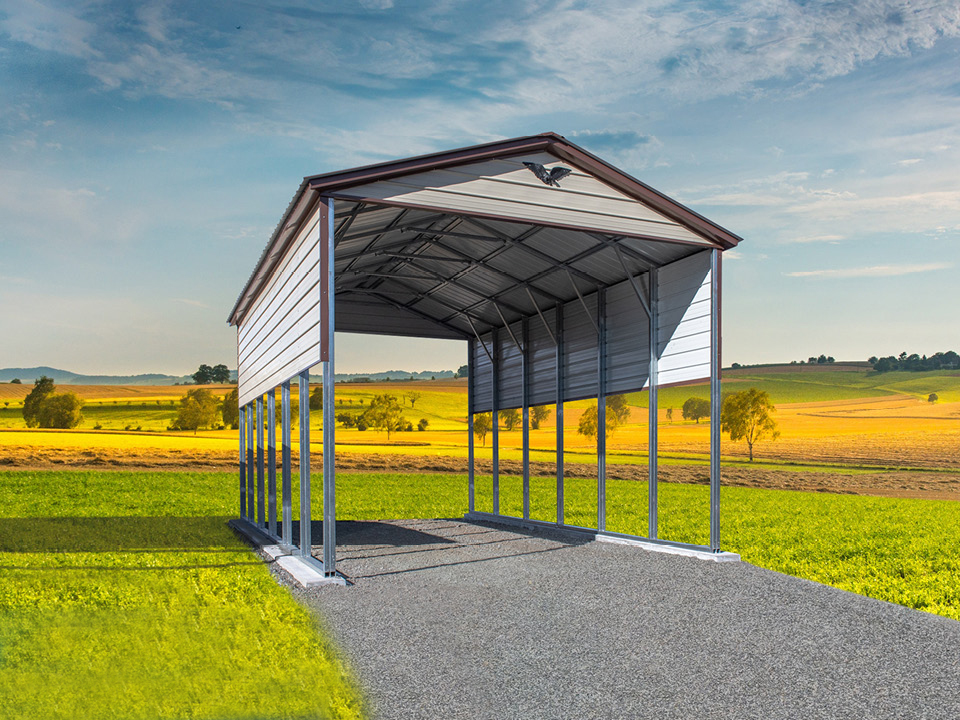
A loafing shed is most commonly used for horses, cattle, goats, and other livestock that benefit from open access to shelter. The name comes from the idea that animals can “loaf” or rest inside when they want to, then move back out freely. Unlike a barn with stalls, doors, and enclosed storage areas, a loafing shed is usually open on one side and enclosed on the other three.
That simple design is the whole point. Animals can get under cover quickly during a storm or in peak summer heat, and owners do not have to invest in a full barn if they do not need one. In many cases, loafing sheds are also used to protect hay, feed, tractors, ATVs, or ranch equipment, especially on properties where flexibility matters more than total enclosure.
Why buyers choose a loafing shed instead of a barn
A barn makes sense when you need secure storage, individual stalls, tack space, or a fully controlled environment. A loafing shed makes sense when your priority is straightforward shelter.
That difference matters because many buyers start by shopping for a barn when their actual need is much simpler. If your animals are turned out most of the time and just need relief from weather, a loafing shed can do the job with less material, less installation complexity, and usually a lower overall price.
There is also less maintenance to think about with an open-sided structure. Ventilation is naturally better, access is easier, and daily use tends to be more convenient. You are not constantly opening doors, managing enclosed airflow, or cleaning a building that was designed for a much more involved operation.
Still, there is a trade-off. A loafing shed does not provide the same security or weather seal as a full barn. If you need lockable storage, stronger protection for feed, or a more controlled setup for animals with special care needs, a barn may still be the better long-term investment.
What is a loafing shed design supposed to include?
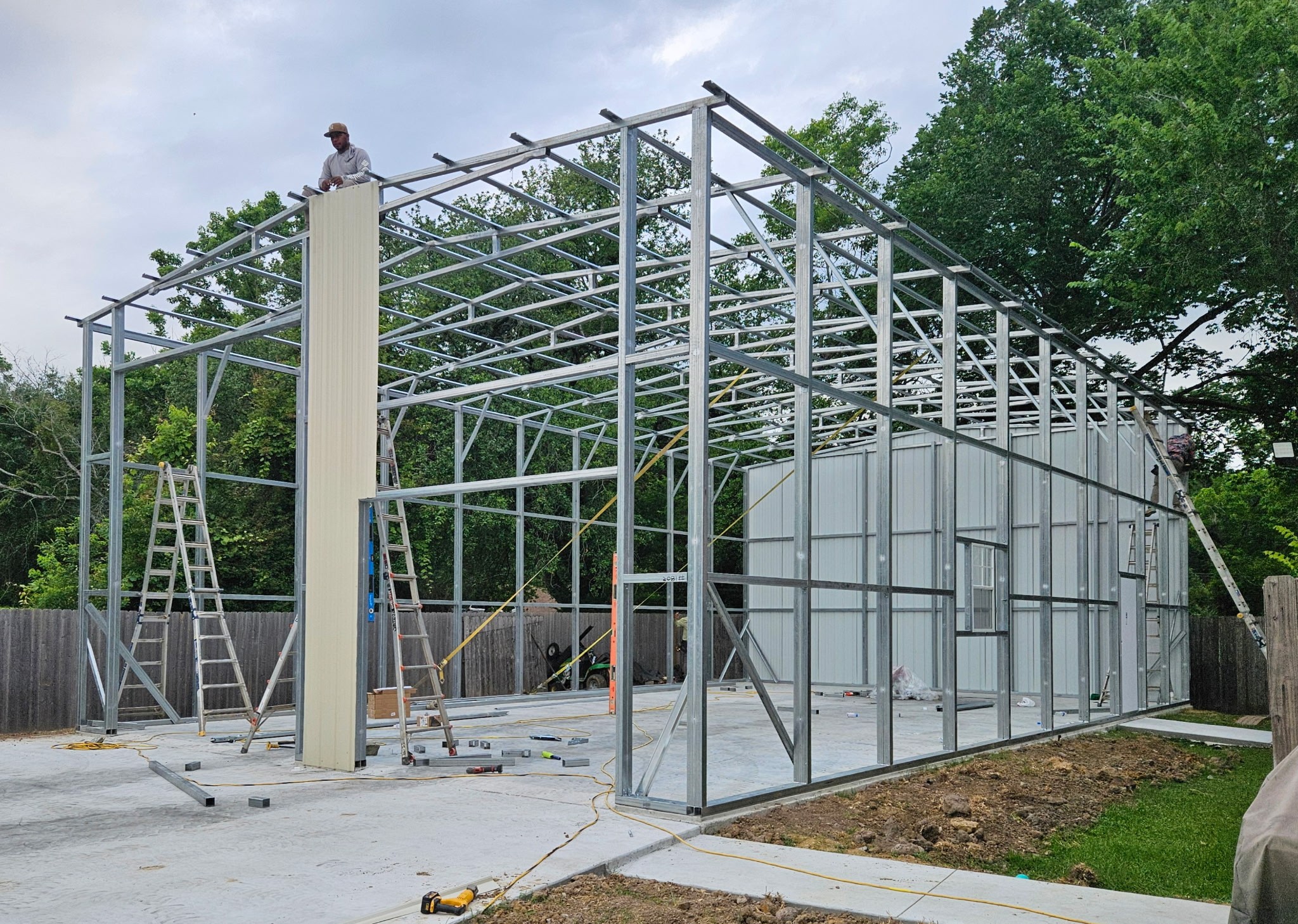
The basic design is simple, but details matter. A well-built loafing shed usually includes a strong steel frame, durable roof panels, enclosed side and back walls, and an open front for easy entry. The roof needs enough height and pitch to handle local weather conditions, and the structure needs to be anchored correctly for the site.
Size is one of the first decisions. A small setup may work for one or two animals, while a larger herd needs more width, depth, and clearance. If animals are crowded, the shed stops being useful. You want enough room for them to enter and exit without conflict, especially if you are housing horses or larger livestock that need space to move comfortably.
Orientation matters too. The open side should usually face away from prevailing wind and driving rain. That sounds obvious, but it is one of the biggest factors in whether the shelter actually performs well. A loafing shed in the wrong position can become a wind tunnel or a muddy mess.
Metal vs. wood loafing sheds
Both materials can work, but they do not perform the same over time.
Wood has a traditional look and can be a good fit for certain properties, but it typically requires more upkeep. Moisture, pests, warping, and rot can all become issues, especially in humid climates or on working land where the structure gets hard daily use.
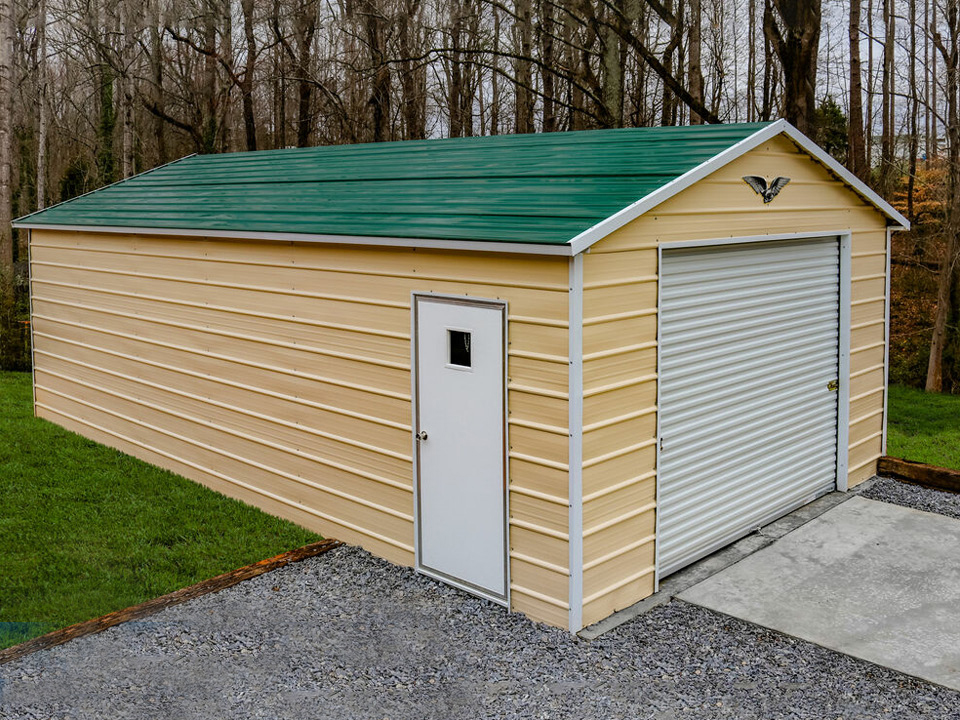
A metal loafing shed is often the better fit for buyers who want durability and lower maintenance. Steel holds up well against weather, does not attract termites, and can be customized in a range of widths, lengths, and heights. For rural property owners, farmers, and homeowners who want a structure that works hard without demanding constant repairs, metal is usually the more practical choice.
That does not mean every metal shed is equal. Gauge, framing style, roof design, and installation quality all affect how well the building lasts. A cheaper structure can cost less upfront and disappoint you later if it is not designed for your wind and snow conditions.
Common loafing shed sizes and configurations
There is no single standard size because use cases vary so much. Some buyers need a compact shelter for one horse. Others need a long run-in style structure that can accommodate multiple animals across a pasture line.
Smaller loafing sheds are often used on residential acreage or hobby farms. Larger versions are common on ranches, horse properties, and agricultural sites where equipment or feed may also be stored nearby. The best configuration depends on animal count, animal size, and how the shelter fits into your traffic flow, fencing, and drainage.
If you are comparing options, think beyond the footprint. Roof style, side-wall height, and open-front width all change how usable the structure feels day to day. A building that looks big enough on paper can still feel tight if entry is awkward or interior clearance is limited.
When a loafing shed is the right investment
A loafing shed is a strong choice when you need dependable shelter without overbuilding. That includes pasture shelter for horses, seasonal coverage for cattle, shade for goats, and flexible protection for hay or small equipment.
It is also a smart move when you want to start with a simple structure and keep your budget under control. Not every property needs a large enclosed barn right away. In some cases, a loafing shed handles the immediate need while leaving room to add other buildings later.
This is especially true for first-time buyers. If you are still learning how you use your land, a simpler shelter can be the safer decision. You get protection where you need it most without locking yourself into a more expensive structure before you are ready.
What to consider before you buy
Start with your animals and your site. How many head are you sheltering? What kind of weather do you get through the year? Do you need just shade and cover, or do you also need storage, partitioning, or future expansion?
Then think about placement. Ground conditions, drainage, and orientation all affect performance. Even a well-built loafing shed can become frustrating if water pools around it or the opening faces the worst weather on your property.
You should also check local permitting and zoning requirements. These rules vary by location, and it is better to know them early than run into delays after you have chosen a design. If you are buying a custom metal structure, working with a team that can guide you through sizing, configuration, and installation can save you time and prevent expensive mistakes.
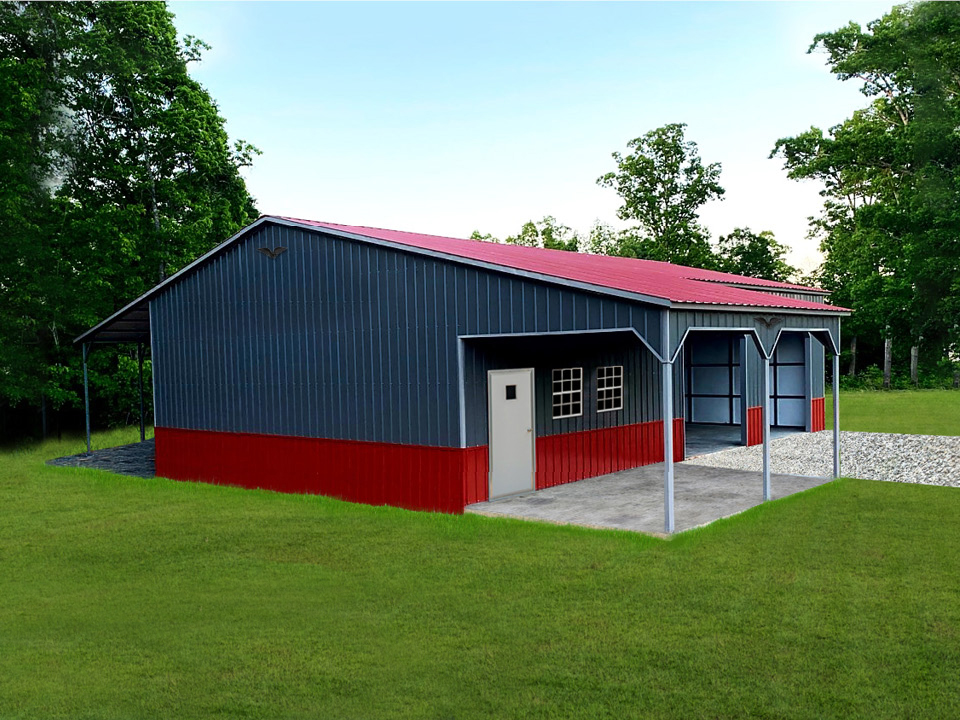
For buyers who want more control over the final setup, customization is a major advantage. The right supplier should be able to help you adjust dimensions, roof style, panel colors, and layout so the shed matches your property and your actual use. At Essex Metal Buildings, that is part of the process – helping customers build a structure that fits instead of pushing a one-size-fits-all option.
What is a loafing shed really worth on a property?
Its value comes down to function. A loafing shed protects animals from stress, helps preserve feed and equipment, and gives your property a more usable setup through every season. It is not flashy, and it does not need to be. The best ones simply do their job year after year.
That is why so many landowners choose them. When you need practical shelter, customization, and a price point that makes sense, a loafing shed is often one of the smartest structures you can add. If you plan carefully and buy for your real conditions, it becomes the kind of building you rely on without having to think much about it after install.