
Space problems usually show up before a business is ready for a major expansion. A contractor needs a covered place for tools. A landscaping company wants to protect equipment. A small auto shop has outgrown its bay count. That is why the best metal buildings for small businesses are rarely the biggest or most expensive options. They are the ones sized and configured to solve the right problem without wasting budget.
For many owners, metal buildings make sense because they are durable, fast to plan, and easier to customize than many people expect. The real question is not whether steel is a good material. It is which type of building fits the way your business actually operates day to day.
What makes the best metal buildings for small businesses?
A good small business building has to do more than stand up to weather. It needs to support workflow, protect inventory or equipment, and leave room for the business to grow. That means the best choice often comes down to layout, access points, roof style, and clearance rather than just square footage.
For example, a detailing business may need wide openings, good ventilation, and enough height for trucks or vans. A feed store or equipment repair shop may care more about enclosed storage, roll-up doors, and a floor plan that separates customer traffic from work areas. The building itself should make the work easier, not create bottlenecks.
Cost matters too, but the lowest upfront price is not always the best buy. If a cheap design leaves you short on height, door width, or enclosed space, you may end up replacing it sooner than expected. Small business buyers usually get the best long-term value from a building that is tailored to current needs with a little margin for future use.
Best metal building types by business use
Workshop buildings
Workshops are one of the most practical choices for small businesses because they can serve many roles. They work well for contractors, welders, mechanics, woodworkers, and service-based businesses that need indoor work space with storage attached.
A workshop building typically makes sense when you need a fully enclosed structure, reliable equipment protection, and room for benches, shelving, or machinery. The key details are often clear-span interior space, door placement, and wall height. If you expect to bring in trailers, lifts, or tall equipment, extra clearance is worth planning for early.
Metal garages for service businesses
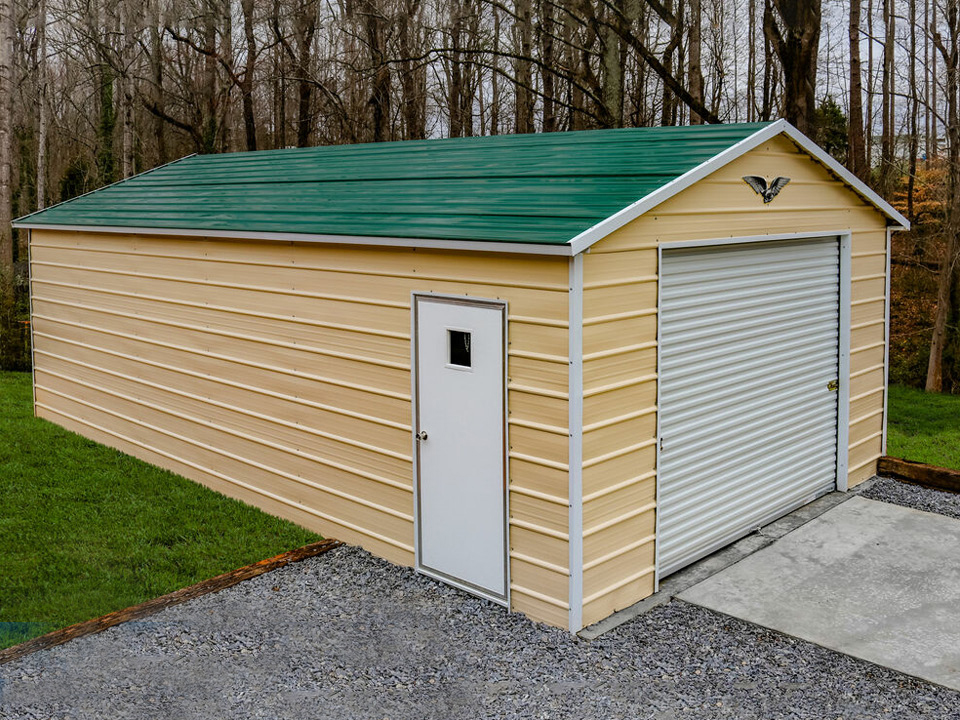
For businesses that rely on vehicles, a metal garage can be the simplest answer. Electricians, plumbers, HVAC companies, and mobile repair operators often need secure overnight storage for vans, tools, and materials. A garage-style building keeps assets covered and can double as a dispatch or staging point.
This is where bay count matters. A two-car setup may work for one owner-operator with room to grow, while a wider multi-bay layout fits businesses with several vehicles. If your team loads and unloads every morning, easy access and turning room around the building are just as important as the structure itself.
Equipment and fleet covers
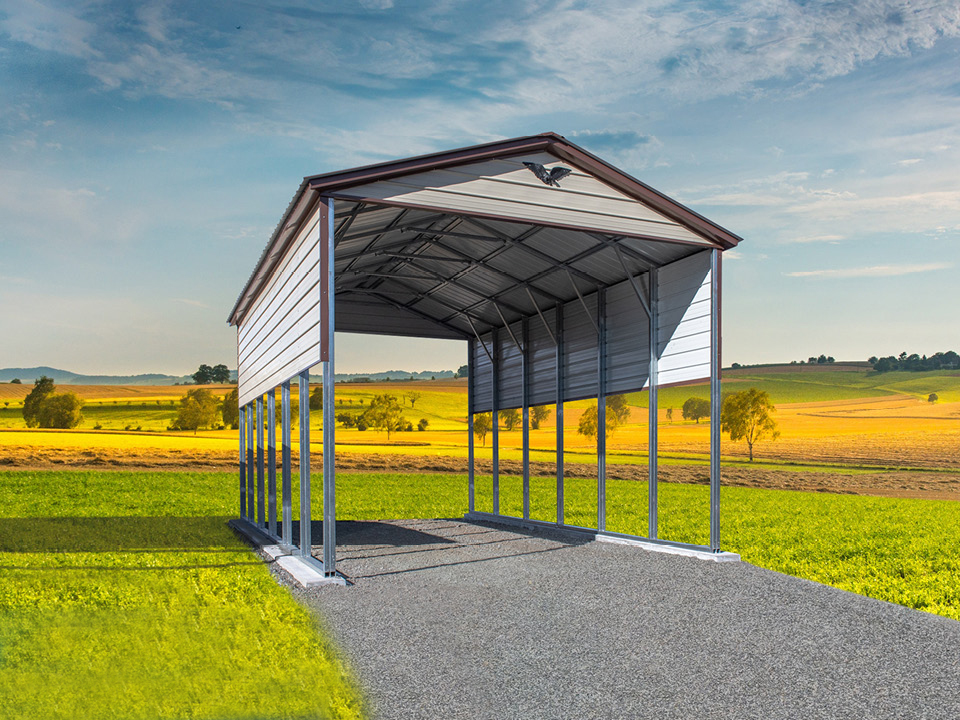
Not every business needs a fully enclosed building. Open-sided or partially enclosed metal covers are often among the best metal buildings for small businesses that need fast, affordable protection for vehicles and equipment.
Landscaping companies, farm-related businesses, delivery operators, and trailer-based services often benefit from this format. It costs less than a fully enclosed building and still protects valuable assets from sun, rain, and hail. The trade-off is security and weather exposure from the sides, so it works best when full enclosure is not a top priority.
Storage buildings for inventory and supplies
If your biggest problem is clutter, inventory loss, or materials getting damaged outdoors, a dedicated storage building may be the better investment. This works well for retailers with seasonal stock, construction firms storing materials, or property service businesses that need organized supply space.
The right design depends on what you are storing. Shelved inventory may need more enclosed wall space and walk-door access. Bulk materials or palletized goods may require wider doors and room for forklifts. It depends on whether the building is mainly for static storage or constant daily movement.
Hybrid commercial buildings
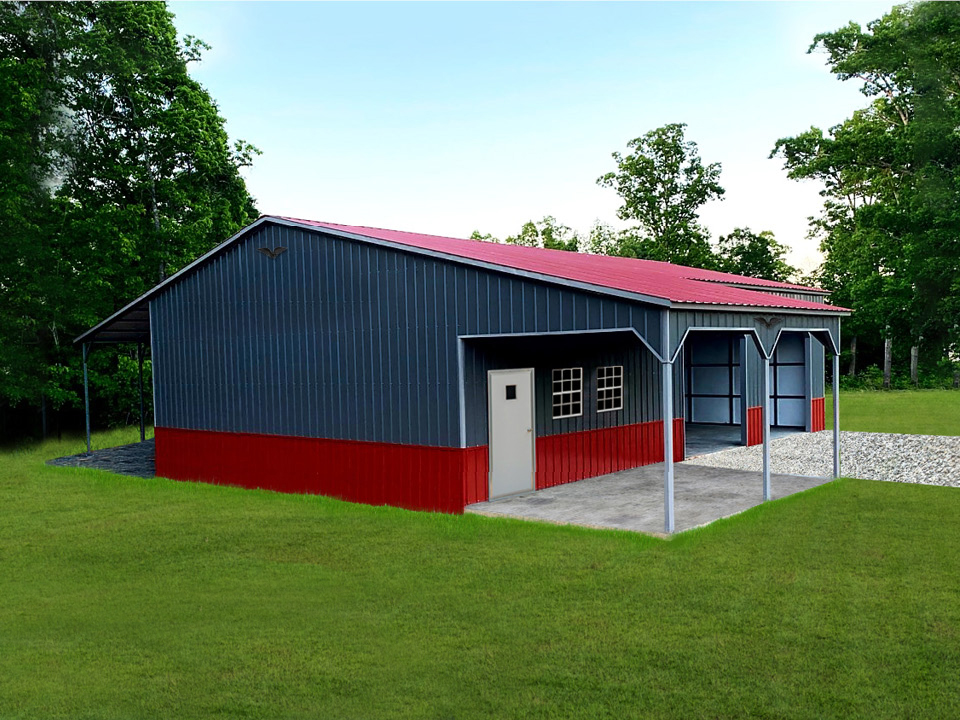
Some small businesses need more than one function under one roof. A hybrid building can combine shop space, storage, vehicle coverage, and even a small office area within the same footprint. This is often a smart fit for growing businesses that need to keep overhead under control while getting more use from one structure.
These buildings require more planning, but they offer better flexibility. Instead of buying one building now and another later, you can design for mixed use from the start. That can be especially helpful for businesses working from rural property or mixed residential-commercial land.
How to choose the right size and layout
The easiest mistake is buying for what you have today and nothing more. If your business is growing, a building that feels adequate now may feel cramped within a year or two. On the other hand, oversizing can strain budget and create unnecessary site work costs.
A practical approach is to think in terms of movement, storage, and future additions. How many vehicles or machines need to fit inside at once? Do doors need to accommodate trailers, tall trucks, or wide equipment? Will you need wall space for shelving, tools, or electrical runs? Those answers shape the building more accurately than a rough guess at square footage.
Roof style also matters. Vertical roof designs are a popular choice for many commercial uses because they handle water, debris, and snow more effectively. Boxed-eave and regular roofs may suit lighter-duty applications, but the best fit depends on climate, building size, and appearance goals.
Features worth paying for
Some upgrades are optional. Others save frustration from day one. Taller legs, wider roll-up doors, framed openings, and added enclosed panels can make a major difference in how usable the building feels.
If your business depends on access speed, invest in doors that match your equipment and daily routine. If security matters, prioritize full enclosure and fewer weak points. If curb appeal matters because customers visit the property, the right color combination and trim package can help the building look more professional without changing its core function.
Insulation, ventilation, and anchoring should also be considered early. A building that is too hot, too damp, or not suited to local site conditions can create operating problems later. This is where working through the design details with an experienced team pays off.
Budget, financing, and the real cost question
Small business owners usually ask the right question first: what is this really going to cost me? The answer depends on size, style, customization, site conditions, and local requirements. A basic cover costs less than a fully enclosed, customized shop. That part is straightforward.
What gets overlooked is cost over time. Replacing damaged equipment, renting off-site storage, or working out of an inefficient layout can be more expensive than choosing a better building upfront. For many owners, the smart move is balancing immediate affordability with long-term usefulness.
Financing can also affect what is realistic. Rent-to-own options can help some buyers get the building they actually need instead of settling for a smaller structure that does not solve the problem. That is often the difference between a temporary fix and a real business asset.
Why customization matters more for business buyers
Small business owners rarely have the luxury of adapting their operations to a generic structure. Usually, it needs to be the other way around. The building should fit your workflow, your vehicles, your equipment, and your property.
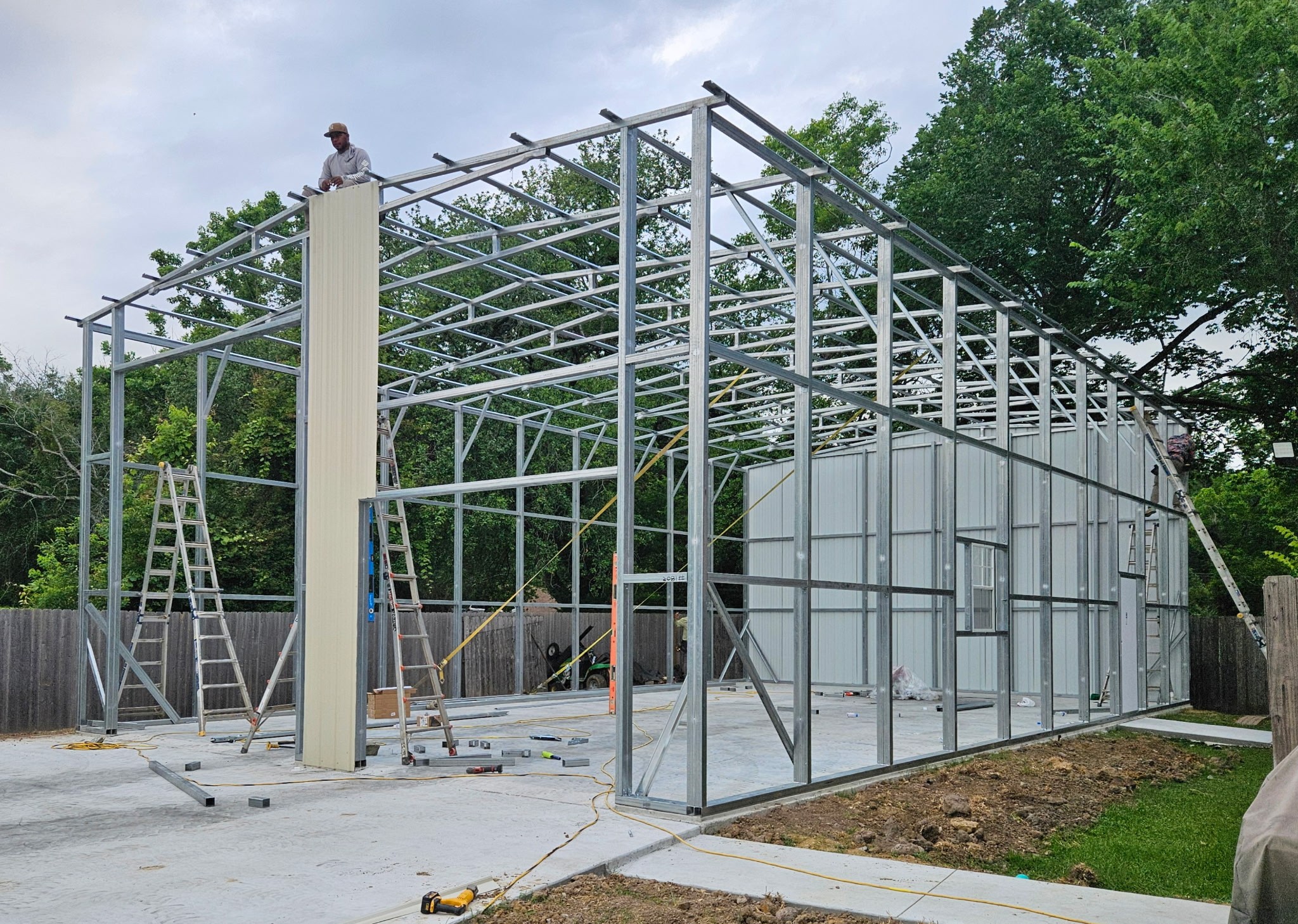
That is why custom design matters. Width, length, height, roof style, panel configuration, and door placement all change how functional the final building will be. A made-to-order steel structure gives you more control over those decisions, which can help you avoid expensive compromises.
For buyers who want a simpler path, a digital design process can also help. Being able to configure a building, see layout options, and price choices more clearly removes a lot of guesswork. Essex Metal Buildings has leaned into that approach because most customers want clarity before they commit, not surprises after.
The best choice depends on how you work
There is no single answer to the best metal buildings for small businesses because small businesses do not all operate the same way. A lawn care company, a mechanic, a feed supplier, and a contractor may all need metal buildings, but not the same kind.
The best fit is the one that supports the way you work now and still makes sense as the business grows. If you start with that mindset, you are much more likely to end up with a building that earns its keep for years. Before you price options, take a hard look at your workflow, your equipment, and your next likely stage of growth. That is usually where the right building starts to become obvious.