A barn that looks right on paper can still disappoint once the weather shows up. The roof is usually where that gap appears. If you’re comparing metal barn roof styles, the real question is not which one looks best in a brochure. It is which roof will hold up to your wind, rain, snow load, clearance needs, and budget without forcing compromises you did not plan for.
That choice affects more than appearance. Roof style can change how water sheds, how much usable interior height you get, how the structure handles regional weather demands, and how much you spend upfront. For property owners trying to protect hay, tractors, trailers, livestock, or workshop equipment, that is not a small decision.
Why metal barn roof styles matter more than most buyers expect
Most buyers start with width, length, and height. That makes sense. You need a barn that fits the job. But roof style influences how well the whole building performs over time.
A low-cost option may work perfectly for basic storage in a mild climate. In another setting, that same roof could lead to faster runoff issues, lower overhead clearance, or less confidence during heavy storms. On the other hand, a taller, more engineered roof profile may cost more at the start but solve problems before they happen.
That is why the best roof style is rarely universal. It depends on how you use the barn, where it is installed, and what kind of long-term value you expect from it.
The main metal barn roof styles to consider
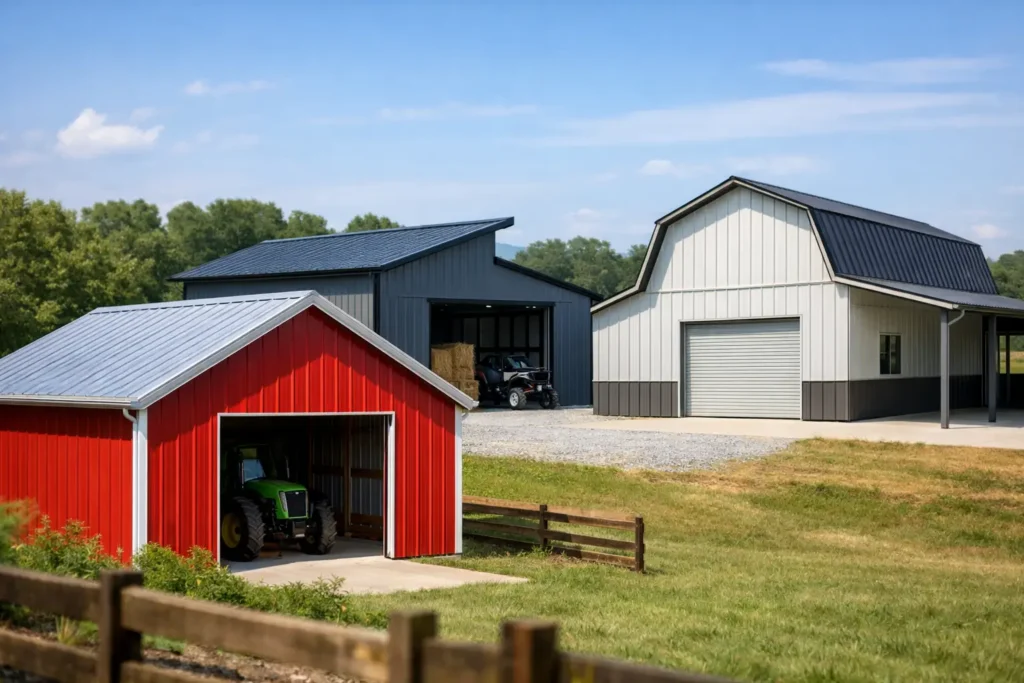
For most custom metal barns, buyers are usually comparing regular roofs, boxed eave roofs, and vertical roofs. Each one has a place. The right fit comes down to performance, appearance, and price.
Regular roof barns
A regular roof is often the most economical option. It has a rounded shape and typically uses horizontal roof panels. For smaller barns in areas with lighter weather demands, it can be a practical way to get covered space without pushing the budget.
This style is common for basic agricultural storage, small animal shelters, and property owners who want simple protection for equipment or feed. If cost control is your top priority, a regular roof may check the box.
The trade-off is performance in tougher conditions. Because the roof panels run horizontally, debris, rain, or snow may not move off as efficiently as they do on a vertical roof. It can still be a good fit, but it is usually better suited to smaller spans and less demanding environments.
Boxed eave roof barns
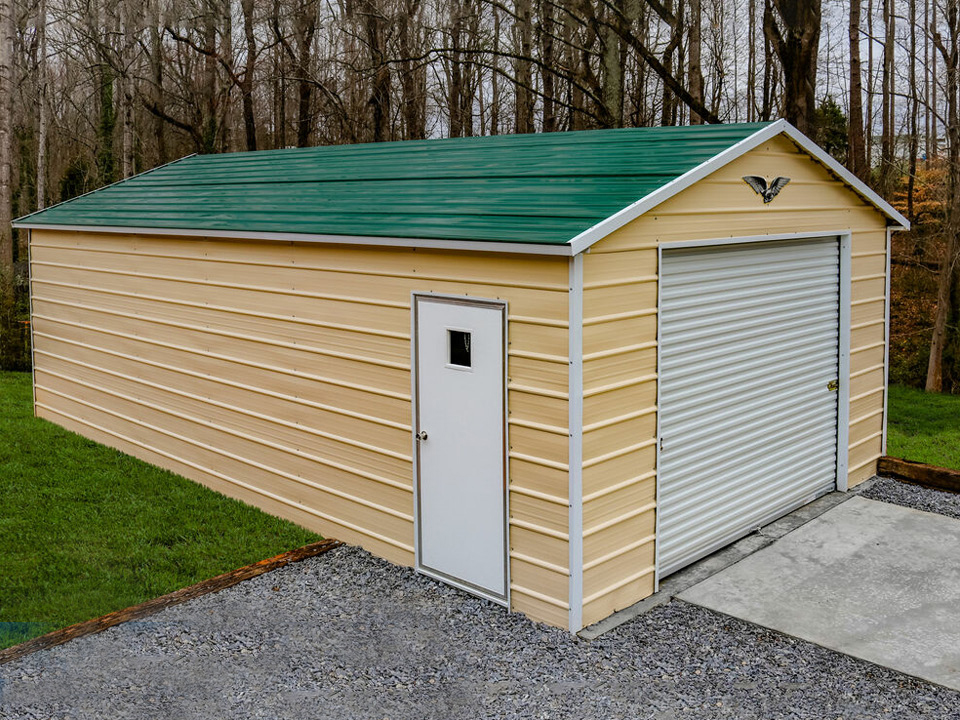
A boxed eave roof gives you a more traditional, straight-edged appearance. Many buyers prefer it because it looks cleaner and more residential or ranch-style than a rounded regular roof. It also tends to create a more finished look on larger buildings.
Like regular roofs, boxed eave roofs often use horizontal paneling. That means they can still carry some of the same limitations in areas with heavy precipitation or where debris buildup is a concern. Still, for moderate climates and buyers who want a sharper profile, it can be a strong middle-ground choice.
This style often appeals to homeowners and landowners who want a barn that blends better with nearby garages, homes, or workshops. It is a visual upgrade for many buyers, even when the use is still strictly practical.
Vertical roof barns
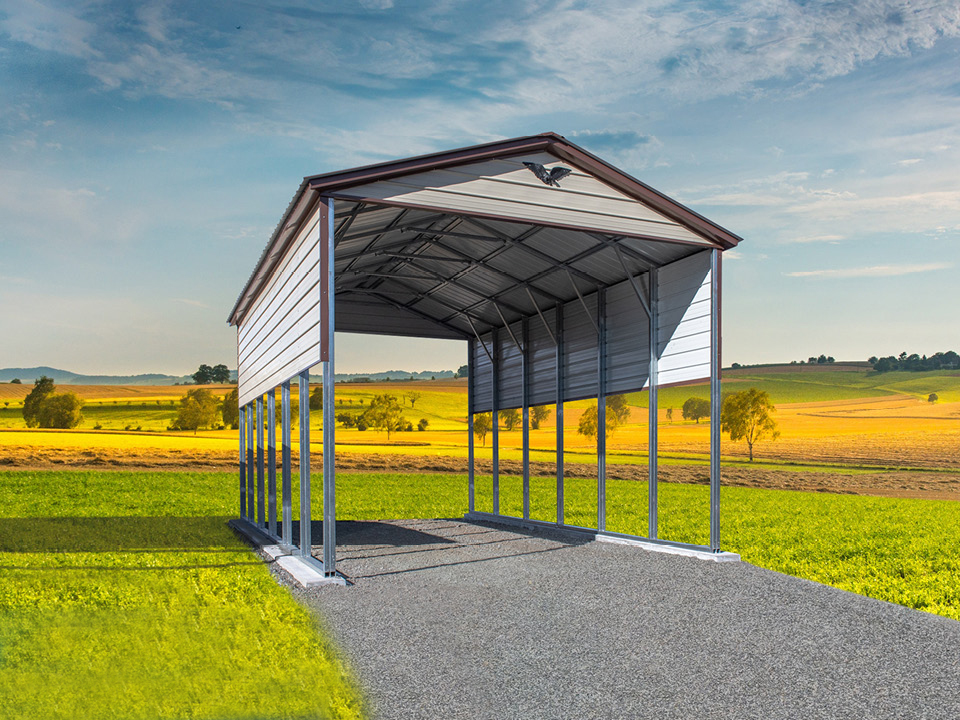
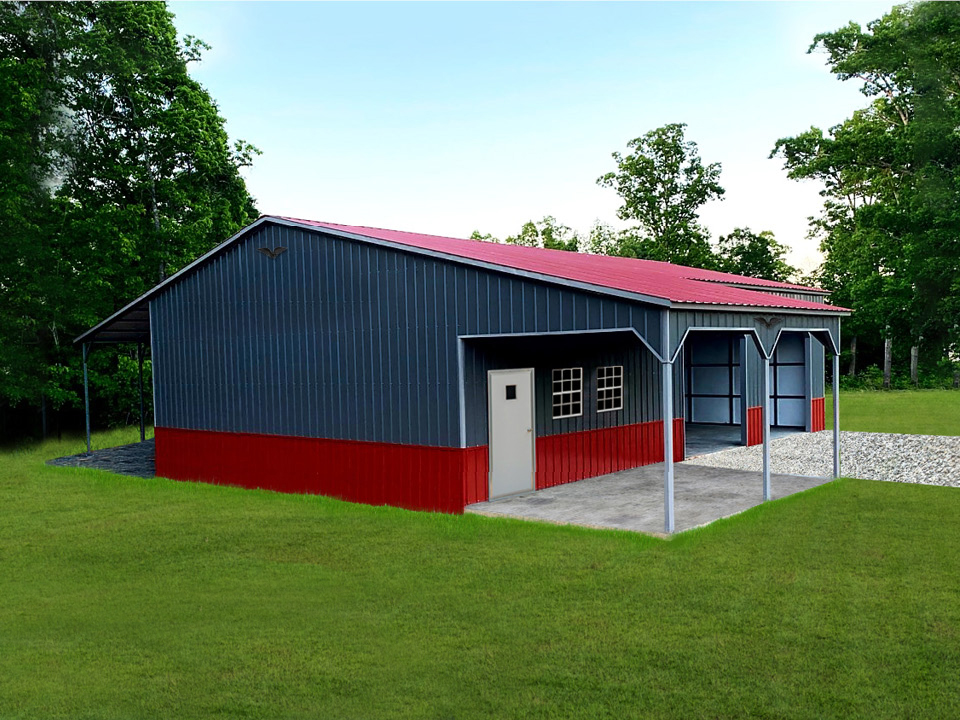
If you want the strongest all-around performer, a vertical roof is usually the leading option. The panels run from the ridge down to the eave, which helps rain, snow, and debris slide off more effectively. That matters in regions where weather is not gentle.
Vertical roofs are often recommended for larger barns, taller buildings, and structures expected to handle tougher conditions over time. They also tend to offer a more polished, commercial-grade look that many buyers want for agricultural and mixed-use buildings.
The upfront price is higher than a regular roof in many cases, but the added performance can make that investment easier to justify. For buyers who need dependable protection for tractors, RVs, farm equipment, or inventory, vertical roofing often delivers the best long-term value.
How to choose the right roof for your barn
The smartest way to compare metal barn roof styles is to match them to your actual use case, not just the starting price. A cheaper roof is only cheaper if it still does the job well.
Start with your weather conditions
Climate should be one of the first filters. If your area sees frequent rain, snow, or falling leaves and debris, a vertical roof deserves serious consideration. Its panel orientation supports drainage and helps reduce buildup.
If conditions are milder and the building is smaller, a regular or boxed eave roof may be enough. That can free up budget for other upgrades like extra height, enclosed sides, doors, insulation, or lean-tos.
Wind exposure matters too. Open rural properties, elevated sites, and storm-prone regions often call for stronger engineering choices across the whole building, not just the roof profile.
Think about what you are storing
A barn used for livestock shelter has different demands than one used for classic car storage or farm equipment. If you are storing tall machinery, stacking materials, or creating a workshop with lighting and ventilation, roof shape and interior clearance become more important.
Vertical roofs often make the most sense for larger equipment and more demanding daily use. If the barn is mainly for light storage or seasonal shelter, a simpler roof style may be all you need.
The question is not whether one style is objectively best. It is whether it supports the work your barn has to do.
Consider building size
As barns get wider, longer, or taller, roof style becomes less of a cosmetic choice and more of a structural decision. Large buildings generally benefit from stronger, more efficient roof systems. That is one reason vertical roofs are so popular on larger custom metal barns.
On smaller buildings, the budget savings of a regular roof may make sense. On larger footprints, many buyers find the added confidence of a vertical roof worth the upgrade.
Balance cost against value
Every buyer has a budget. That does not mean every decision should be made on lowest price alone. A lower-cost roof can work very well if the structure is modest and the site conditions are favorable. But if you already know your barn will face tough weather or heavy use, saving money on the roof may create frustration later.
A better approach is to decide where performance matters most, then build around that. Sometimes the right move is to keep the layout simple and put more of the budget into the roof system itself.
Common buyer mistakes when comparing roof styles
One of the most common mistakes is choosing based only on appearance. A boxed eave roof may look great, but appearance should not outweigh function if your site gets hard rain or snow. Another mistake is underestimating future use. A buyer may plan for simple storage now, then need workshop space, taller access, or better drainage later.
There is also a tendency to overbuild when it is not necessary. Not every small barn needs the highest-end roof system available. If your use is light and your local conditions are manageable, a simpler style may be the more efficient choice.
This is where guidance matters. A custom building should fit your property and your priorities, not force you into a standard answer.
Matching roof style to barn purpose
For hay, feed, and basic farm storage, regular or boxed eave roofs can work well when weather demands are moderate. For horse barns, loafing barns, and mixed-use agricultural setups, buyers often want a cleaner look and stronger performance, which makes boxed eave or vertical roofs more appealing.
For equipment barns, RV storage barns, commercial-use structures, and larger enclosed buildings, vertical roofs are often the safest recommendation. They handle scale better, support runoff more effectively, and usually give buyers more confidence when they are protecting high-value assets.
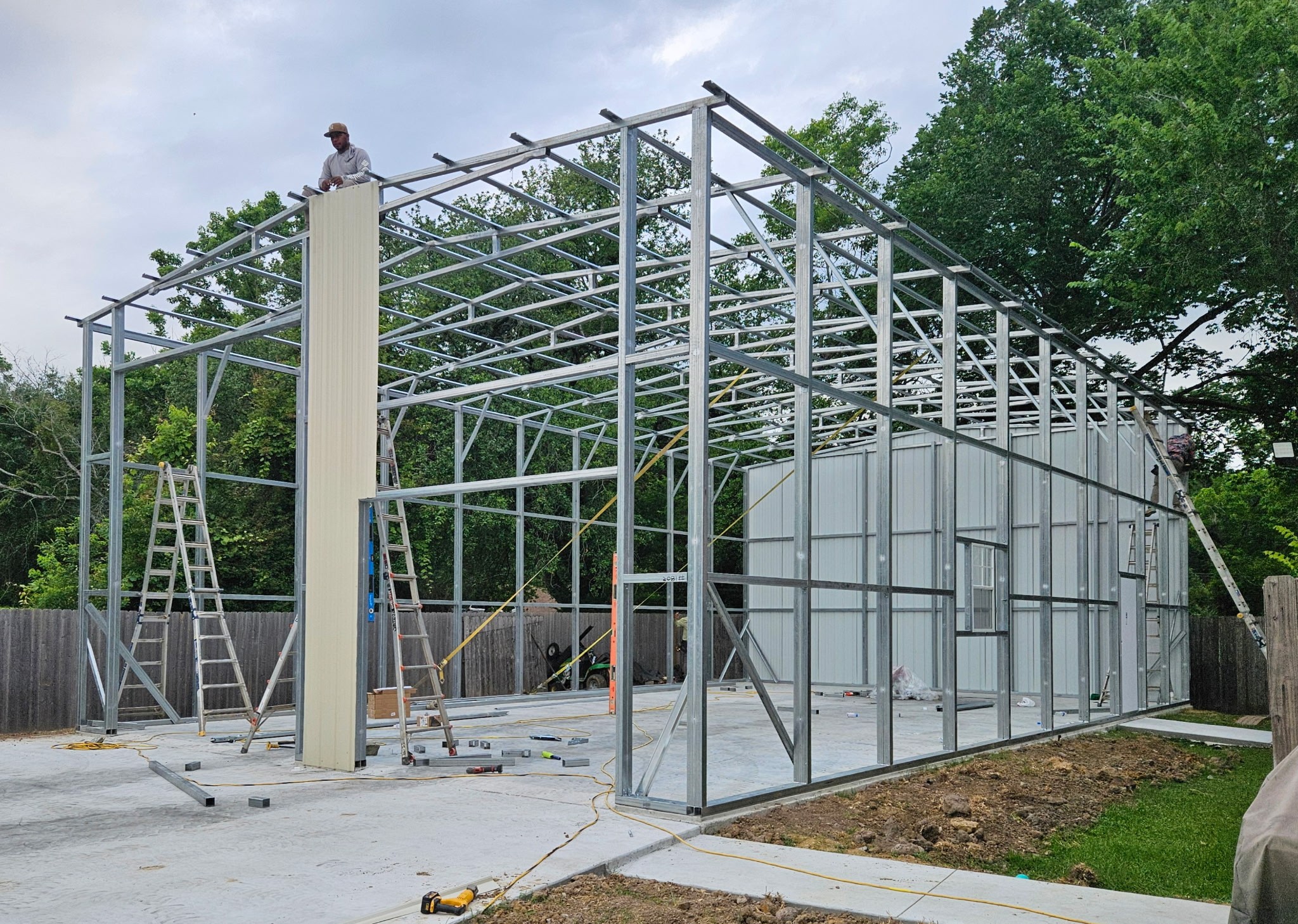
If customization matters, your roof choice should also work with the rest of the design. Height, panel orientation, doors, trim, overhangs, and enclosure options all need to function as one system. That is where a company like Essex Metal Buildings can help buyers compare options without guessing.
What to keep in mind before you order
Before you settle on a roof style, get clear on three things: your site conditions, your must-have use cases, and your acceptable budget range. Those answers will usually narrow the field quickly.
It also helps to think a few years ahead. If there is a chance your barn will take on heavier use, house larger equipment, or serve multiple purposes, it may be worth designing for that now instead of replacing or modifying later.
The best barn is not just the one you can afford today. It is the one that still fits your property when your needs grow, your weather turns rough, and your building has to prove its value. Choose the roof that lets the rest of the structure do its job with confidence.