
If you are weighing a custom steel building versus pole barn, the real question is not which one is cheaper on day one. It is which one makes more sense for your land, your weather, your intended use, and how long you expect the structure to serve you. A building that looks affordable upfront can become the more expensive option if it limits your layout, needs more upkeep, or falls short as your needs change.
For many property owners, this decision comes down to practical trade-offs. You may need a barn for livestock today, but want enclosed storage next year. You may want a garage now, then turn it into a workshop or small business space later. That is where the differences between steel and post-frame construction start to matter.
Custom steel building versus pole barn: the basic difference
A pole barn, also called a post-frame building, is typically built with large wood posts set into the ground or anchored to a foundation. The posts support the roof and walls, and the exterior is often finished with metal panels. It is a common choice for agricultural storage, animal shelters, and utility buildings.
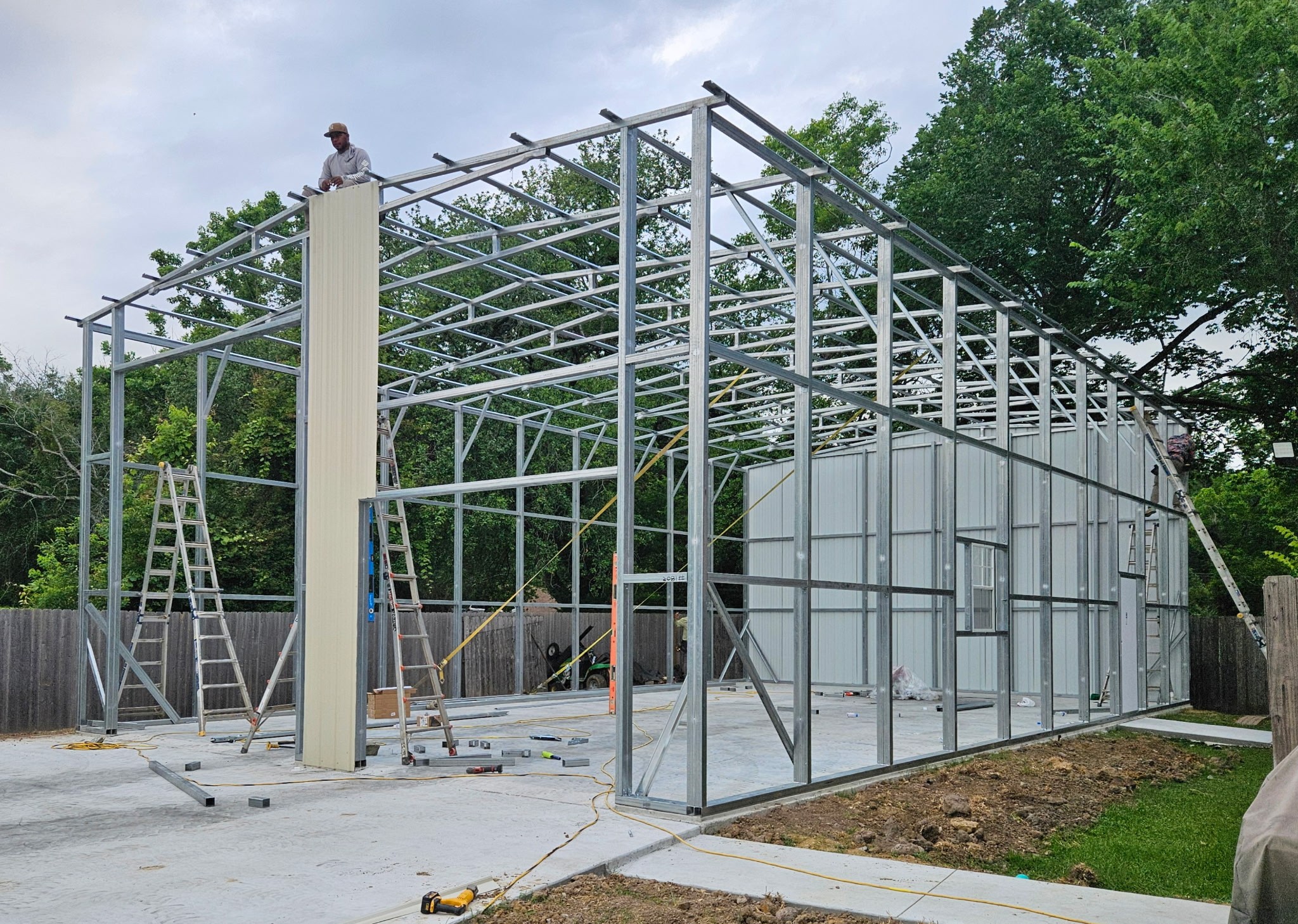
A custom steel building uses a steel frame as the primary structural system. That frame is engineered to carry loads across the building, which can open up more interior space and allow more control over dimensions, doors, height, roof style, and enclosed features. In many cases, buyers choose steel because they want a structure built around a specific use instead of adjusting their use to fit a standard layout.
At a glance, both can look similar from the outside. The difference is in what is holding the building up, how it performs over time, and how much flexibility you have during design.
Cost is important, but it is not the full story
Pole barns often get attention because the initial build cost can be lower, especially for simple agricultural use. If you need a basic shelter for hay, equipment, or seasonal storage, post-frame construction may look appealing from a budget standpoint.
But lower initial price does not automatically mean lower total cost. Wood posts can be vulnerable to moisture, pests, and ground contact issues over time. Depending on site conditions, repairs and maintenance can add up. If the building will be enclosed, insulated, or used heavily year-round, the long-term value equation can shift toward steel.
A custom steel building may cost more upfront depending on size, features, and installation requirements, but it often offers stronger long-term value for buyers who want durability, lower maintenance, and a more tailored layout. If your building is expected to protect vehicles, tools, equipment, inventory, or income-producing operations, paying attention to lifecycle cost usually makes more sense than focusing only on the lowest quote.
Durability and weather performance
This is one of the biggest reasons buyers compare these two options seriously. Weather does not care what looked cheaper on paper.
Steel buildings are known for strength and consistency. When engineered properly, they can perform well under wind, snow, and other regional load requirements. They also are not vulnerable to termites, rot, or the same kind of moisture damage that can affect wood components over time.
Pole barns can also perform well when designed and built correctly, but wood-based structures are more dependent on protecting posts, controlling moisture, and managing long-term wear. In dry climates with lighter demands, that may not be a major issue. In areas with high humidity, heavy storms, or long-term exposure concerns, it can become more important.
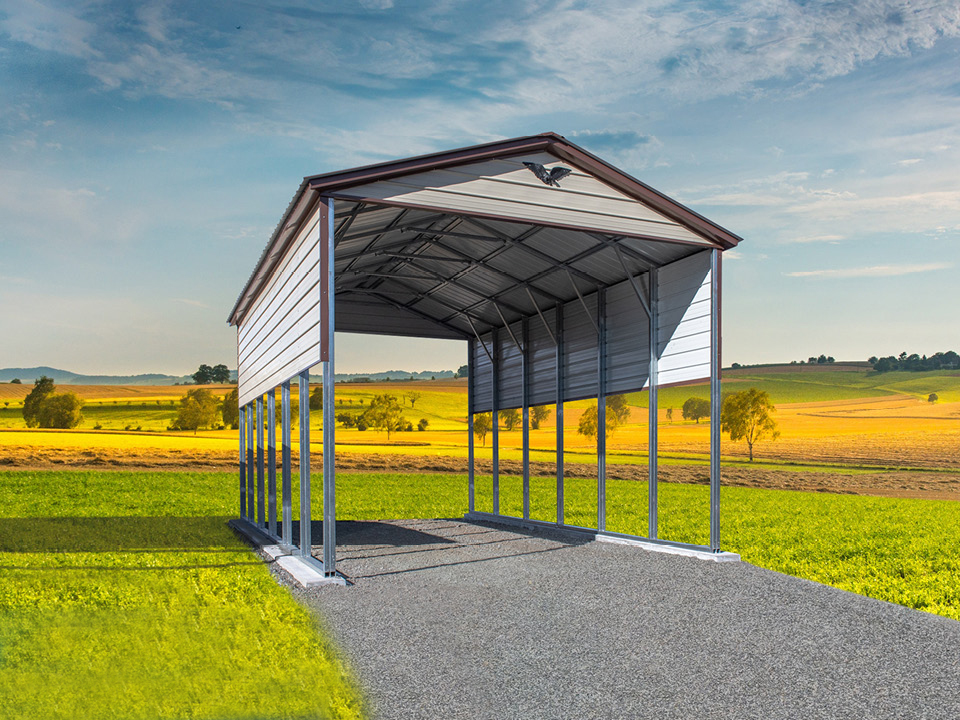
If you are building in a region where severe weather is common, a custom steel building often provides more peace of mind. That matters even more when the structure is protecting expensive vehicles, farm equipment, RVs, or business assets.
Design flexibility and future use
A lot of buyers start with one purpose and end up needing three. That is why flexibility should not be an afterthought.
Pole barns are practical for many straightforward agricultural applications. They can work well for open-sided shelters, livestock cover, and basic storage. But if you want a cleaner finished interior, wide clear spans, taller openings, multiple roll-up doors, or a more refined layout for mixed use, steel usually gives you more room to build exactly what you need.
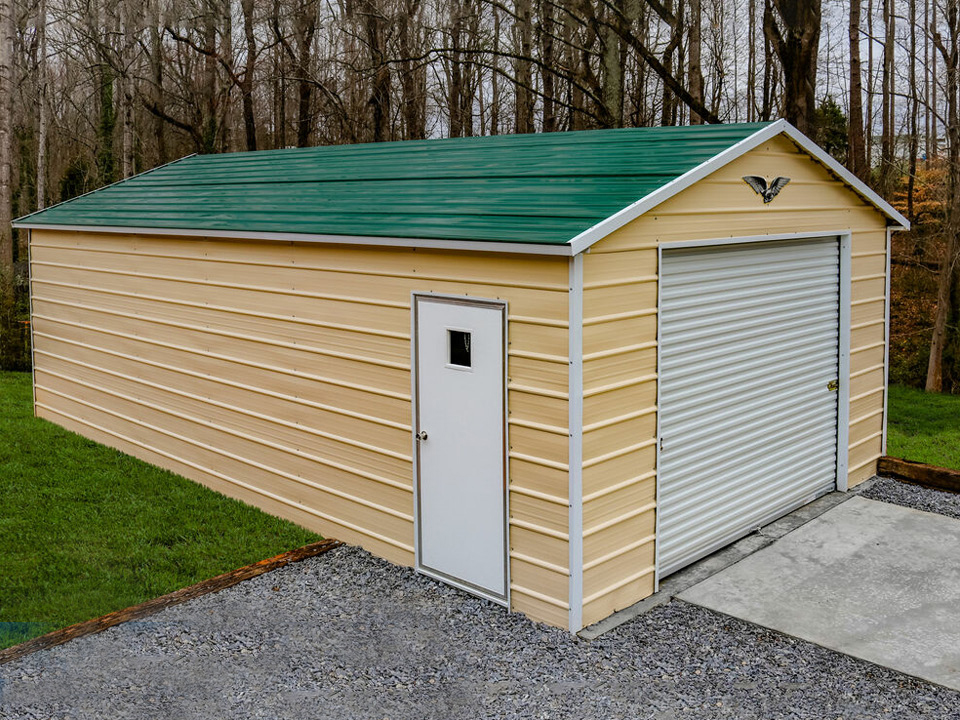
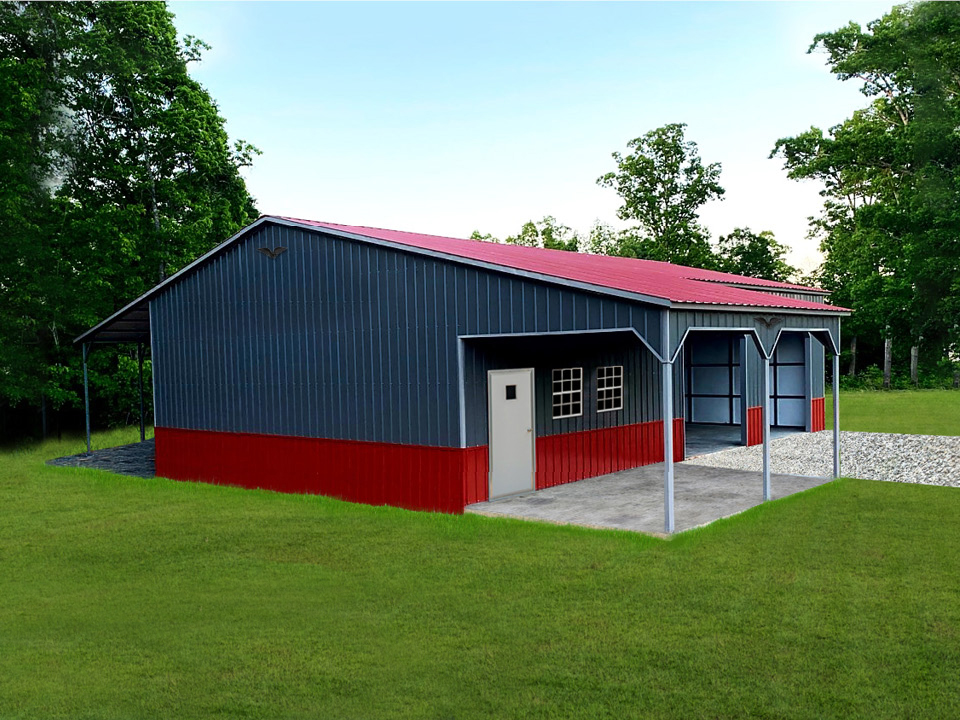
That is one reason many homeowners and landowners lean toward custom steel. You can configure width, length, height, roof style, panel colors, trim, enclosed sections, lean-tos, and door placements around your property and your daily use. If you need a garage with extra height for a lifted truck, a workshop with storage in the back, or a barn that combines equipment parking with enclosed feed space, customization matters.
A steel building also tends to adapt better if your use changes later. What starts as a boat cover or farm building may become a garage, workshop, or light commercial space. The more specific your plans are now, and the more likely they are to evolve, the more valuable a custom design becomes.
Maintenance expectations over time
Most buyers are not shopping for a building because they want another thing to maintain. They want a structure that solves a problem and keeps doing its job.
This is where steel has a clear advantage for many owners. A properly installed metal building generally requires less ongoing maintenance than a wood post-frame structure. You are not dealing with rot, insect damage, or the same level of concern around wood deterioration. That can reduce headaches over the years, especially if the building sits on rural property where constant upkeep is inconvenient.
Pole barns can still be a good fit if you understand the maintenance needs and your use case is simple. But if you want lower maintenance ownership, steel is often the better match.
Foundation, site, and installation considerations
Site conditions can influence the best choice more than some buyers expect. Pole barns are often chosen in part because they may require a simpler foundation approach, depending on design and local requirements. That can help in some settings.
Steel buildings, on the other hand, usually benefit from a more defined foundation or anchoring system. While that may add planning, it also contributes to long-term stability and performance. A better foundation can be a real advantage if you want an enclosed building, finished interior, or a structure that will see regular use for many years.
Installation quality matters with either option. A poorly installed building of any type will cause problems. That is why guidance matters just as much as materials. Working with a provider that helps you configure the right building, explains load requirements, and coordinates delivery and setup can save time and prevent expensive mistakes.
Which option is better for different uses?
For basic farm storage, hay cover, or open livestock shelter, a pole barn may be enough. If the goal is function at the lowest possible initial cost, and the building does not need to serve a polished or multi-use role, post-frame can be a reasonable choice.
For garages, workshops, RV covers, equipment storage, business use, and custom residential applications, steel often makes more sense. Those uses typically benefit from stronger framing, cleaner customization, and lower maintenance. If appearance matters, if you want enclosed space, or if you are trying to maximize long-term value, steel is hard to ignore.
This is especially true for buyers who do not want to settle for a one-size-fits-all structure. A made-to-order steel building lets you build around your vehicles, your property layout, and the way you actually plan to use the space.
Custom steel building versus pole barn: how to decide
Start with the job the building needs to do for the next ten to twenty years, not just the next season. Think about whether you need open shelter or enclosed protection. Consider your local weather, how much maintenance you are willing to take on, and whether the structure may need to adapt over time.
If your priority is the lowest upfront cost for a simple agricultural building, a pole barn may check the box. If your priority is durability, customization, cleaner long-term ownership, and broader use potential, a custom steel building is often the smarter investment.
At Essex Metal Buildings, many customers choose steel because they want more control over the final design and more confidence in what they are getting. That includes everything from sizing and roof style to doors, colors, and layout.
The right answer depends on your property, your budget, and your plans. But if you are building something you expect to rely on for years, it helps to choose the option that fits how you live and work, not just the one with the smaller starting number. A building should make life easier long after the install crew leaves.