

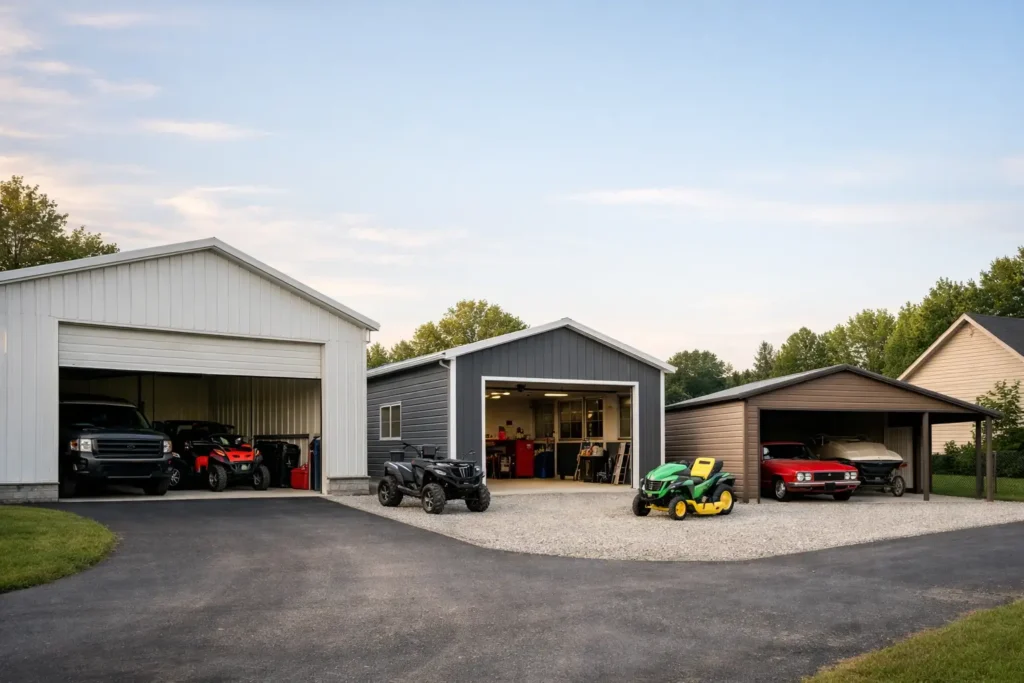
A garage starts looking small the moment you try to fit real life inside it. One vehicle turns into two. Lawn equipment needs a dry place. Holiday storage stacks up. Then you realize the best metal garage for homeowners is not the biggest one on paper – it is the one built around how you actually use your property.
That is where many buyers get stuck. They know they want a durable steel garage, but they are deciding between sizes, roof styles, doors, gauges, and upgrades without knowing which choices matter most. A good decision comes down to function first, then structure, then price.
What makes the best metal garage for homeowners?
The best option is rarely a standard one-size-fits-all building. For most homeowners, the right metal garage is a custom-fit structure that protects vehicles, handles local weather, and leaves enough room for storage or work space without overspending on square footage they will not use.
A detached metal garage usually makes the most sense when you need flexibility. It can be placed where access is easiest, sized for your lot, and designed around your driveway, home layout, and future needs. Some homeowners need a clean single-car setup. Others are planning for trucks, side-by-sides, a mower, and a workbench from day one.
That is why the real question is not simply which garage is best. It is best for what.
Start with how the garage will be used
If your main goal is basic vehicle protection, your priorities will be different than someone building a hobby shop or heavy-duty storage space. A homeowner parking a sedan and storing a few tools may do well with a smaller enclosed garage. A buyer with a full-size pickup, outdoor equipment, and seasonal storage needs should think beyond minimum dimensions.
This is where people often make the costliest mistake. They buy based on what fits today, not what they will need in two or three years. Adding a little width or depth at the start is often more affordable than replacing an undersized building later.
If you plan to use the garage for parking only, focus on clear entry width, wall height, and door placement. If you want it to double as a workshop, storage area, or utility building, interior clearance and layout become much more important.
Common homeowner garage setups
A single-car metal garage works well for compact properties or households that need one secure enclosed bay. A two-car garage is the most common choice because it gives homeowners practical daily use with some breathing room. A three-car or oversized garage is often the better fit for larger lots, multi-vehicle households, boats, trailers, or workshop use.
The right footprint depends on more than vehicle count. Door swing, storage shelves, free walking space, and the size of your equipment all matter.
Size matters, but layout matters more
Many homeowners focus first on width, but depth and height deserve equal attention. A garage that is wide enough for two vehicles can still feel cramped if it lacks room in front, behind, or above them.
For example, a garage built for SUVs or lifted trucks may need taller side walls and taller doors than a garage for passenger cars. If you own a crew cab pickup, a fishing boat, or a utility trailer, depth can become the deciding factor. If you want overhead storage or a future garage door opener setup, roof clearance also matters.
A practical layout should let you pull in comfortably, open doors without squeezing, and move around without turning the garage into a maze of stored items. Homeowners who plan for that early tend to be much happier with the final building.
Choosing the right roof style
Roof style affects both appearance and performance. For homeowners, the choice often comes down to regular roof, boxed-eave roof, or vertical roof design.
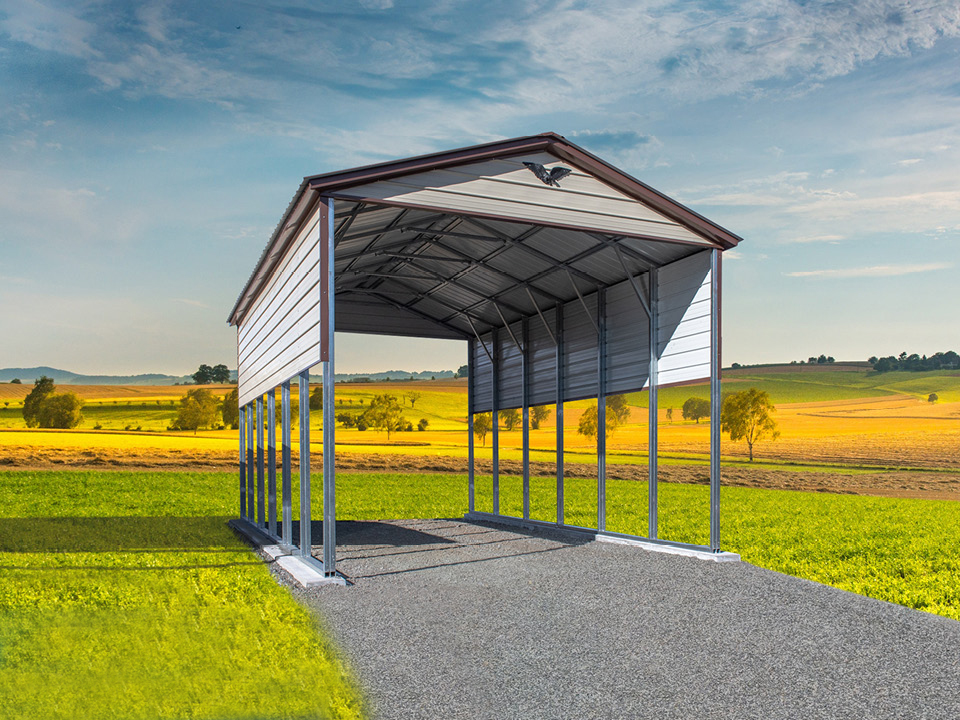
A regular roof can be a budget-friendly solution for smaller garages in milder conditions. A boxed-eave roof offers a more residential look and can be a strong middle-ground choice. A vertical roof is typically the best long-term option when you want stronger drainage, better handling of rain, snow, and debris, and a more premium finished look.
If your area gets frequent bad weather, heavy precipitation, or falling leaves and debris, a vertical roof is often worth the upgrade. It usually performs better over time and requires less maintenance in demanding conditions.
Steel gauge and frame strength are not small details
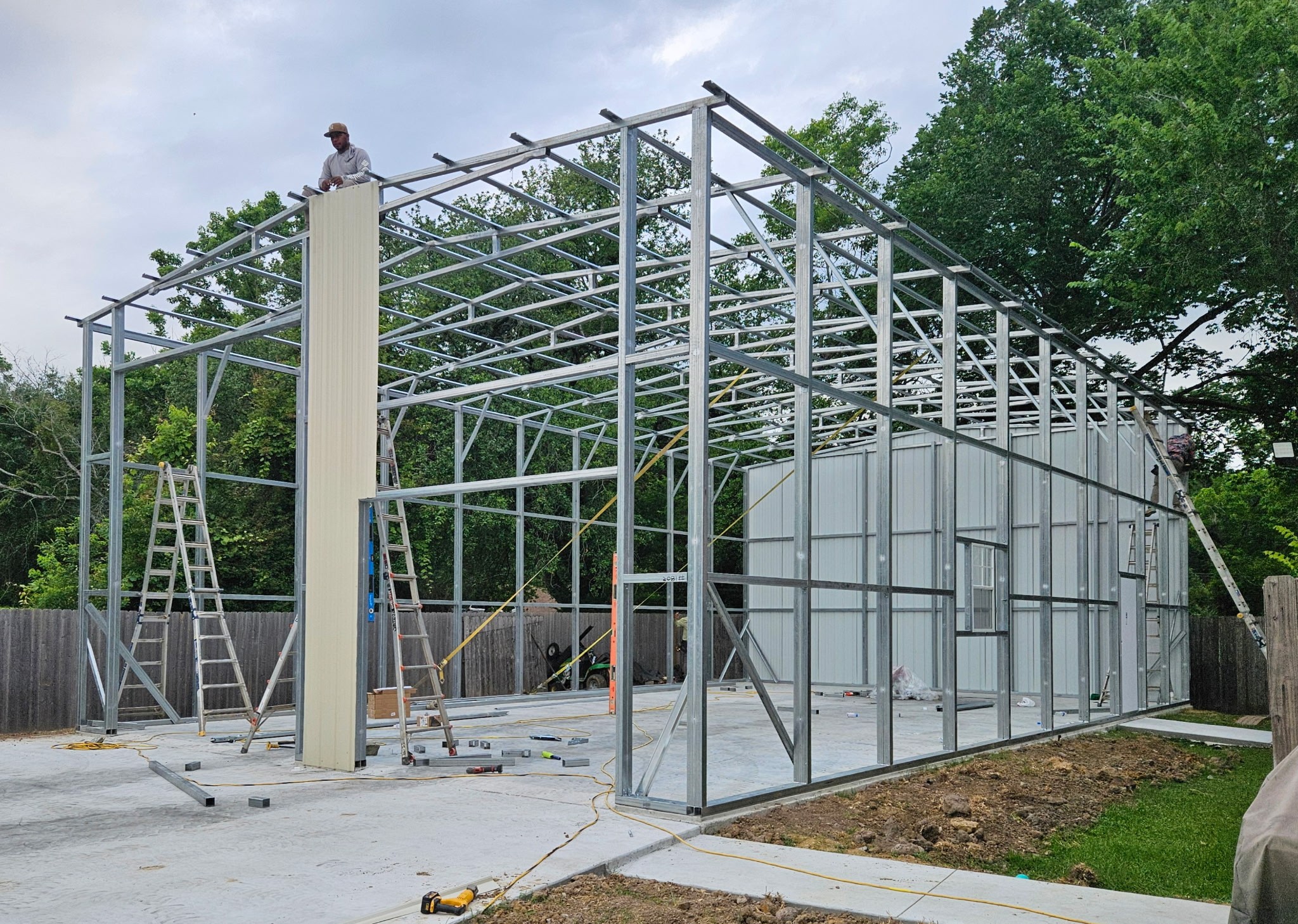
When homeowners compare pricing, they sometimes miss what they are actually comparing. Not all metal garages are built the same. Steel gauge, framing design, and certification options all affect strength, longevity, and value.
A lower price may reflect lighter materials or fewer structural upgrades. That does not automatically make it a bad option, but it does mean you should match the building to your location and intended use. Wind and snow loads, anchoring requirements, and local code expectations all matter.
For buyers who want long-term peace of mind, premium-grade materials and a properly engineered structure are usually the smarter investment. A garage is not just a cover. It is a building you will rely on year after year.
Doors, windows, and access points change daily convenience
One of the biggest differences between an average garage and the best metal garage for homeowners is how easy it is to live with every day. That comes down to access.
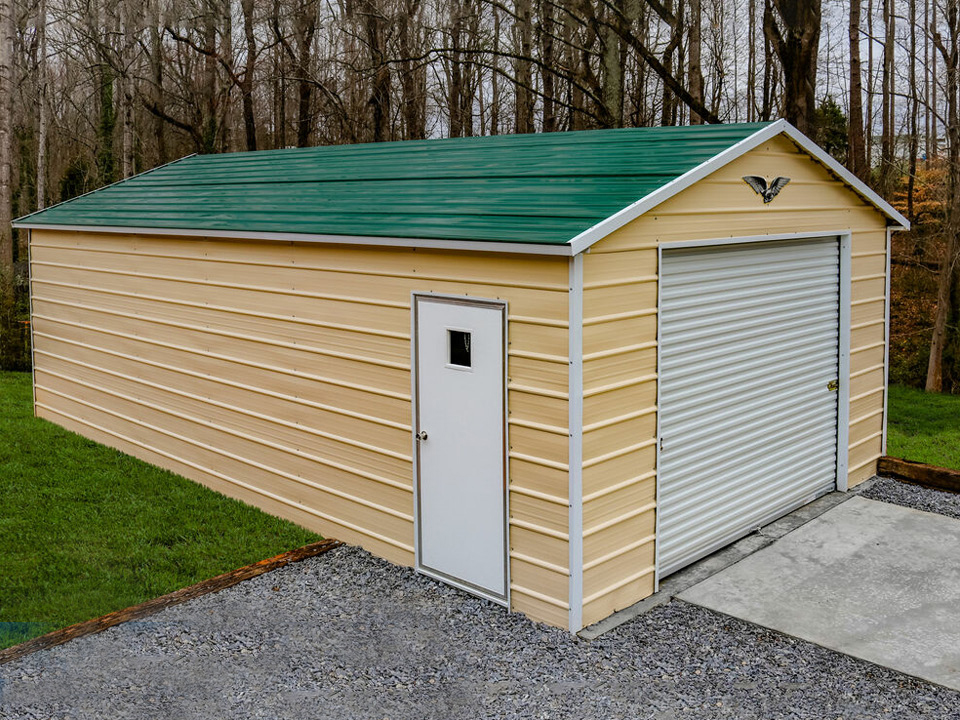
Garage doors need to match your vehicles and driving habits. Roll-up doors are popular because they are efficient and simple to use. Walk-in doors are important if you do not want to open the main bay every time you grab a tool or lawn item. Windows can improve visibility and make the space feel more useful if you spend time inside.
Door placement matters too. A great-looking garage with awkward entry can become frustrating fast. Think through how you will approach the building, back out, unload equipment, and move around in bad weather.
Don’t overlook site prep and installation
A quality garage can only perform as well as the site beneath it. Ground conditions, access for delivery, drainage, and foundation choices all affect the final result.
For some homeowners, a level gravel pad is enough. Others need a concrete slab for heavier use, cleaner finished space, or specific anchoring requirements. The right answer depends on your building size, local conditions, and how you plan to use the garage.
Installation support matters just as much. A made-to-order garage should not leave you guessing about measurements, prep work, or next steps. Working with a team that helps guide design, quoting, delivery, and setup removes a lot of risk from the process.
Customization is where real value shows up
The best garage for one property may be completely wrong for another. That is why customization matters.
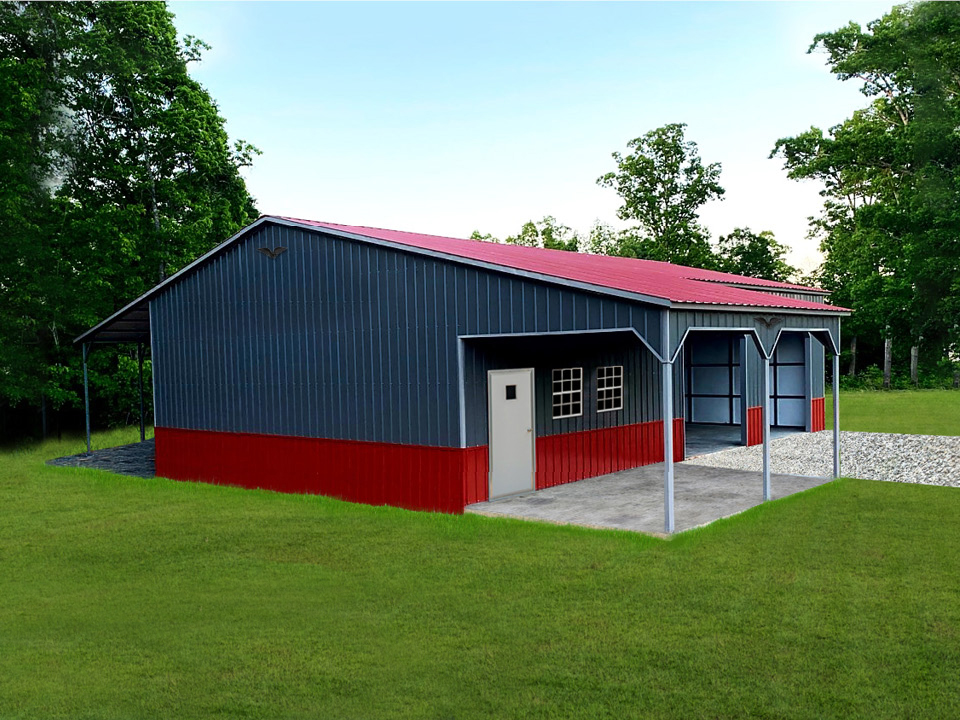
A homeowner in a suburban setting may want a garage that blends with the home through trim color, roof style, and clean front-facing design. A rural property owner may care more about extra height, multiple bays, and wider access for equipment. Someone planning a home workshop may prioritize enclosed sides, insulation-ready design, and more windows or door combinations.
This is where custom design tools and direct guidance become useful. Instead of settling for a close-enough building, you can configure dimensions, openings, style, and upgrades around your actual needs. Essex Metal Buildings offers that kind of guided buying process, which helps homeowners move from idea to installed building with much more confidence.
Budget matters, but so does cost over time
Every homeowner has a budget. The key is making sure you are comparing real value, not just starting price.
A cheaper garage may look attractive upfront, but if it lacks the right height, access, roof system, or structural strength, you may pay for those compromises later. On the other hand, adding every upgrade available does not always make sense either. Some features deliver daily usefulness. Others are only worth it if they match your climate or intended use.
For many buyers, the sweet spot is a garage sized slightly beyond current needs, built with dependable materials, and configured with the doors and roof style that make daily use easier. Financing options such as rent-to-own can also make a better-fit building more manageable without forcing you into a stripped-down choice.
How to choose with confidence
If you are trying to narrow it down, think in this order: use, size, weather demands, access, and budget. That sequence helps prevent emotional buying and keeps the focus on long-term function.
A homeowner who needs secure parking and moderate storage may be well served by a two-car enclosed vertical-roof garage with one walk-in door and enough depth for shelves. A buyer with oversized vehicles and equipment may need taller legs, larger roll-up doors, and a wider footprint. Neither is universally better. The better choice is the one that fits the property and the way it will be used.
The right garage should feel like it was planned for your life, not forced onto your lot because it happened to be available. When you get the size, structure, and layout right, a metal garage stops being just another outbuilding and starts solving real problems every day.
If you are weighing options now, give yourself permission to plan one step ahead of your current need. Homeowners rarely regret a garage that gives them room to grow.