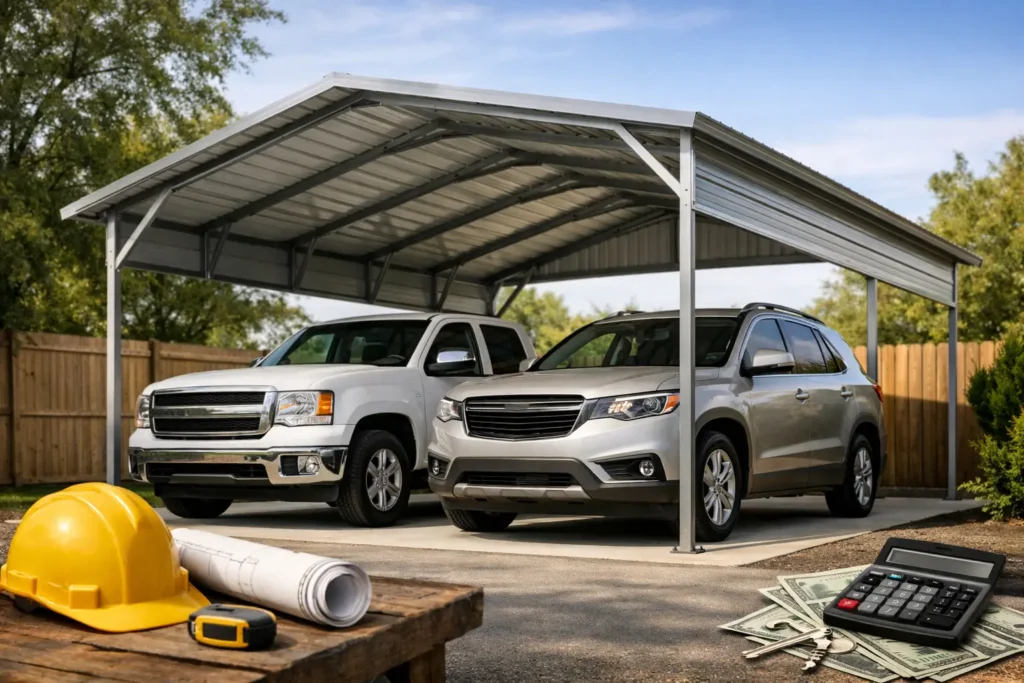
A low online price can look great until installation, anchors, permits, and site prep start showing up as separate line items. When buyers ask about metal carport prices installed, what they usually want is the real number – not the teaser price.
That real number depends on more than width and length. Your roof style, gauge, leg height, certification needs, local wind and snow requirements, and the condition of your site all play a role. If you want a carport that fits your property, protects your vehicles, and goes up without surprises, it helps to understand what drives installed cost before you request a quote.
What metal carport prices installed usually include
Installed pricing generally means the structure itself plus delivery and professional setup. That sounds simple, but not every quote defines it the same way. Some companies include standard anchors, basic trim, and normal installation conditions. Others show a base building price first, then add delivery, setup, upgraded framing, or certification later.
A good installed quote should make clear whether you are paying for the frame, paneling, labor, delivery, and anchoring. It should also spell out what is not included, such as concrete work, grading, permit fees, or engineering required by your local code office. That distinction matters because two quotes can look similar at first glance while being very different in final cost.
This is one reason custom buyers tend to do better with a detailed quote instead of shopping by advertised starting price alone. A building that is cheaper on paper can end up costing more once the details are added back in.
Typical price ranges for installed metal carports
There is no single national price that fits every market, but most installed metal carports fall into broad pricing bands based on size and design. A smaller single-car unit with a standard roof and basic height will usually be the most affordable option. Step up to a wider two-car carport, taller legs, or a stronger frame for local code compliance, and the price climbs accordingly.
As a general range, buyers often see installed pricing start around a few thousand dollars for smaller entry-level models and move upward into the mid-thousands for larger two-car and triple-wide carports. Fully customized structures with enclosed sides, vertical roofs, extra height for RVs, or commercial-grade needs can go well beyond that.
That is why “how much does a metal carport cost installed” is really a design question. The more precise your dimensions and site conditions are, the more useful the price becomes.
The biggest factors that affect metal carport prices installed
Size changes cost fast
Width, length, and leg height are the first cost drivers. A 12×21 carport and an 18×26 carport may sound fairly close, but the second structure requires more steel, more paneling, and often more labor. Height is another easy one to overlook. If you need clearance for a lifted truck, tractor, boat, or RV, expect a noticeable jump in price.
Roof style matters
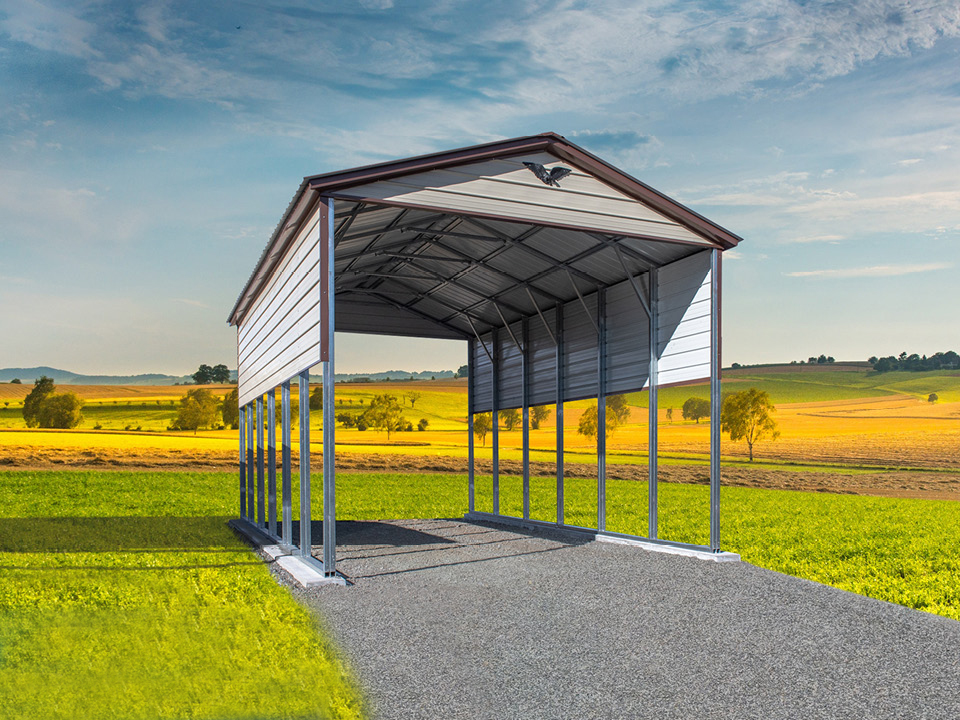
Roof style affects both appearance and performance. Regular roofs are often the lowest-cost option and can work well in milder conditions. Boxed-eave and vertical roofs usually cost more, but they can offer better water runoff and a cleaner fit for larger structures. In areas with heavier snow or where long-term durability is the priority, many buyers decide the upgrade is worth it.
Certification and local code requirements
A carport built to meet specific wind and snow loads typically costs more than a non-certified unit. That extra cost goes toward stronger framing, closer spacing, additional bracing, and engineering standards. If your county requires certified plans, that is not an optional upgrade. It is part of buying the right building for your location.
Site conditions and installation access
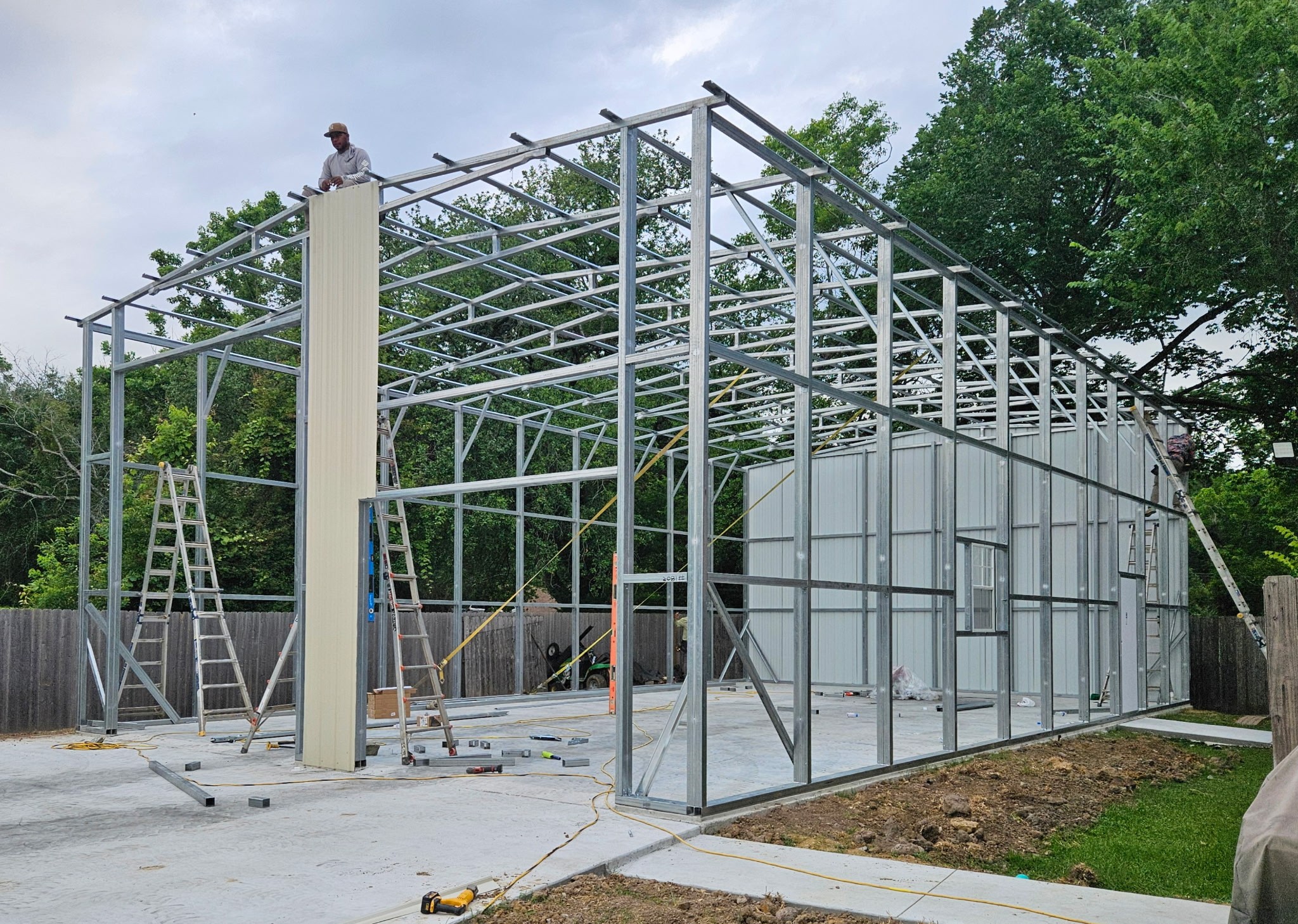
Flat, open ground is easier and cheaper to install on than a sloped, tight, or obstructed site. If your pad is uneven, soft, or difficult to reach with delivery equipment, you may need prep work before installation day. Trees, fences, overhead lines, and narrow gates can also complicate labor.
Anchors and foundation type
A carport can be installed on gravel, asphalt, dirt, or concrete, but the anchor type changes with the surface. Concrete pads often provide the cleanest and most stable base, though they add cost if you do not already have one. Ground installation can reduce upfront expense, but it depends on local code, soil conditions, and intended use.
Why add-ons can change the price more than expected
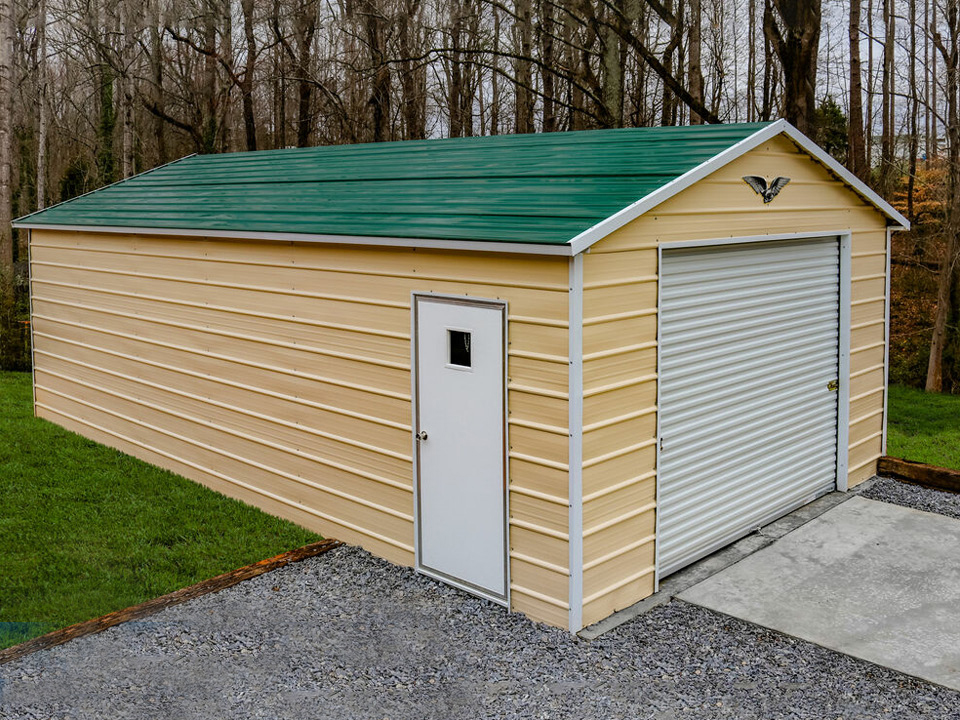
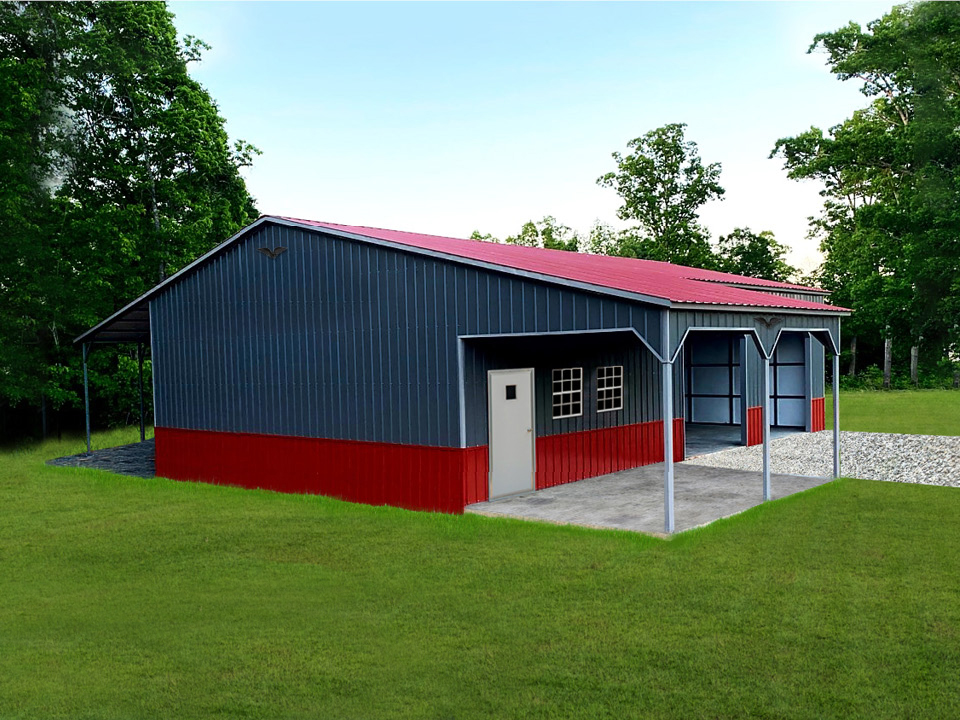
A basic open carport is one thing. A custom carport that solves a real storage problem is another. Side panels, gable ends, enclosed ends, partial walls, frame-outs, and lean-tos all increase material and labor costs. So do upgraded gauges, color choices, and taller openings.
For many buyers, those additions are still the right move. If wind-driven rain comes in from one side of the property, adding a side panel can protect your vehicle better than a larger open carport would. If you need space for tools, feed, or equipment, partial enclosure may deliver more day-to-day value than the cheapest open design.
The key is to spend on features that match how you actually use the building. Paying for customization makes sense when it improves function, not just when it looks good on a configuration screen.
How to compare installed quotes the right way
When comparing metal carport prices installed, ask each provider the same practical questions. Is delivery included? Is standard installation included? What anchors are included? Is the building certified for your county if needed? Are there additional charges for your zip code, your site conditions, or your chosen colors and trim?
You also want to know who is coordinating the process from order to setup. A lower quote is less appealing if communication is weak, lead times are unclear, or installation support disappears once the deposit is paid. Buyers are not just purchasing steel. They are purchasing accuracy, coordination, and confidence that the building delivered is the building quoted.
That is where a guided buying process matters. A detailed design tool and clear consultation can help you catch issues early, before they become change orders or delays.
Budgeting beyond the building price
Even when installation is included, buyers should leave room in the budget for the parts of the project that happen before or around delivery. Permits are one example. Some areas require them, some do not, and the process can vary widely by county. Site prep is another common expense, especially if drainage, leveling, or a new concrete pad is needed.
If you are financing the project, monthly affordability may matter more than the full upfront total. For some property owners, rent-to-own options make it easier to get the right size now instead of settling for a smaller structure that will not work long term. That can be a practical decision, especially when the building protects vehicles or equipment that are worth far more than the monthly payment.
When the cheapest installed price is not the best value
There is a difference between a low price and a smart buy. A very cheap installed quote may mean lighter materials, fewer customization options, weaker support, or hidden exclusions. If your carport fails to meet local code, does not fit your vehicle, or needs replacement sooner than expected, the savings disappear quickly.
Value comes from matching the structure to the job. For a basic sedan on a sheltered property, a simpler carport may be all you need. For trucks, farm equipment, boats, or RVs exposed to wind and weather, it often pays to choose stronger framing, better roof design, and dimensions that give you room to move.
At Essex Metal Buildings, that is why we encourage buyers to price the building they actually need, not just the one with the lowest advertised starting point. A custom quote gives you a clearer picture of what your installed cost really looks like and helps you avoid paying twice – once for the cheap option, then again to fix it.
Getting an accurate price without wasting time
The fastest way to get a useful price is to gather a few details before requesting a quote. Know what you are covering, roughly how much clearance you need, where the building will sit, and whether your county has permit or certification requirements. If you already know you want side panels, vertical roofing, or extra height, say that upfront.
That information helps turn a vague budget conversation into a real project estimate. It also makes it easier to compare options and decide where to save and where to upgrade.
A metal carport is one of those purchases that looks simple from the outside but gets more site-specific once you start pricing it. The good news is that with the right quote, the right design, and the right installation support, you can make a clear decision and end up with a structure that works hard for years.