If you have ever priced a garage, barn, or RV cover the old way, you already know the problem. You make a few calls, wait on rough estimates, and still do not know what your building will really look like on your property. Designing online changes that. You can see your options, adjust the details, and get much closer to a real decision before you ever speak with a builder.
That matters because most buyers are not looking for a generic structure. They need a building that fits how they actually use their land, vehicles, equipment, or workspace. If you are trying to figure out how to design a metal building online, the goal is not just to make something that looks good on a screen. The goal is to build something that works in the real world and stays within budget.
Start with the job your building needs to do
Before you pick colors or roof lines, get clear on the building’s purpose. A metal garage for two pickups needs a different layout than a horse shelter, a workshop, or a commercial storage building. The fastest way to waste money is to design around appearance first and function second.
Think about what will go inside, how often you will access it, and whether your needs might grow over time. If you are storing an RV, height becomes a bigger issue than many first-time buyers expect. If you want a workshop, doors, ventilation, and electrical planning will matter more than they would in a simple equipment cover. If livestock is involved, open-sided options and airflow become part of the design, not an afterthought.
A good online design process starts with those practical questions because they shape every choice that follows.
How to design a metal building online without missing the basics
Most online 3D builders follow the same logic. You begin with the building type, then choose dimensions, roof style, framing options, panels, openings, and add-ons. That sounds simple, but a smart design comes from understanding which choices affect price, performance, and installation.
Start with width, length, and height. Width controls how much usable side-by-side space you have. Length affects storage capacity and traffic flow. Height determines whether larger vehicles, trailers, tractors, or lifts can clear the openings comfortably. It is usually better to measure your tallest and widest equipment and then add room for movement, not just fit.
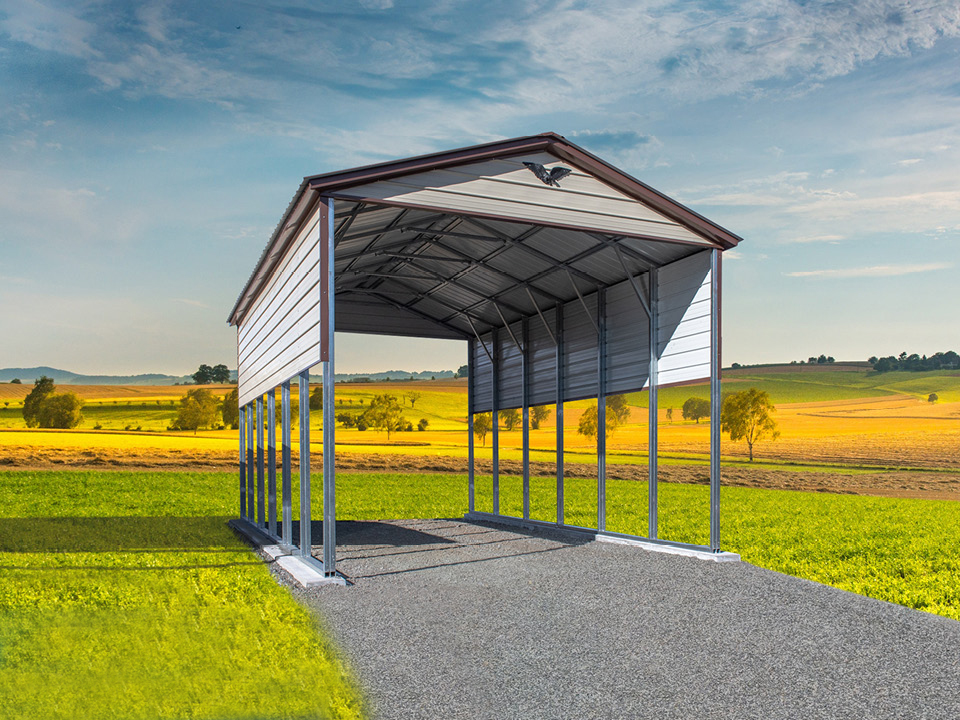
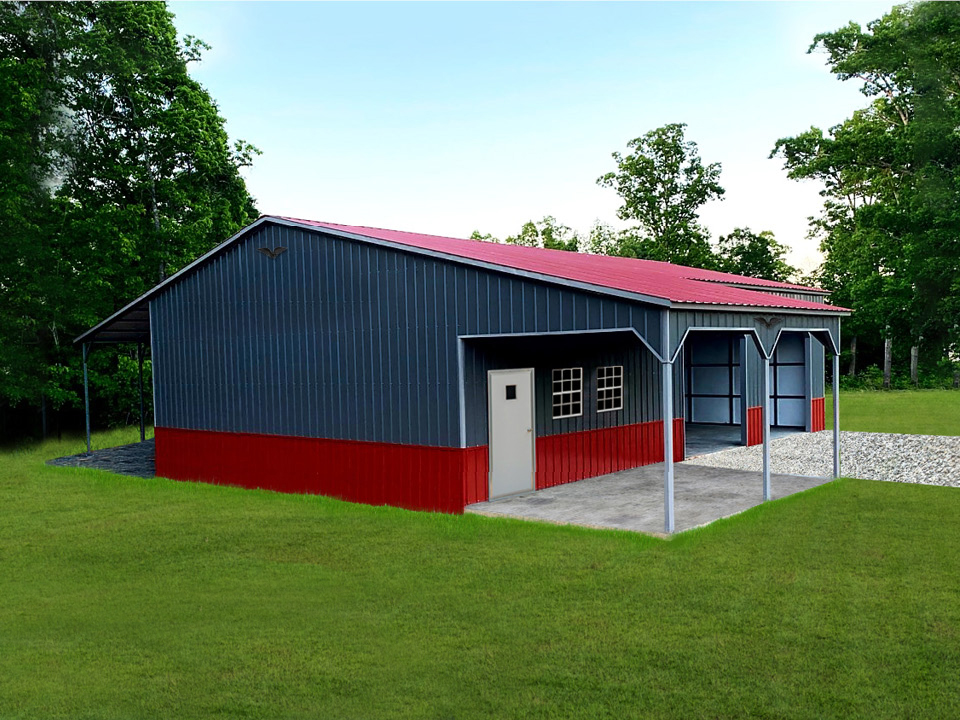
From there, choose the basic layout. Some buyers need a fully enclosed garage. Others need a partially enclosed barn with lean-tos, or a carport that can be upgraded later. One benefit of designing online is that you can compare those options side by side instead of guessing from a brochure.
Pick a roof style that matches your priorities
Roof style is often where buyers hesitate, and for good reason. It affects appearance, weather performance, and cost.
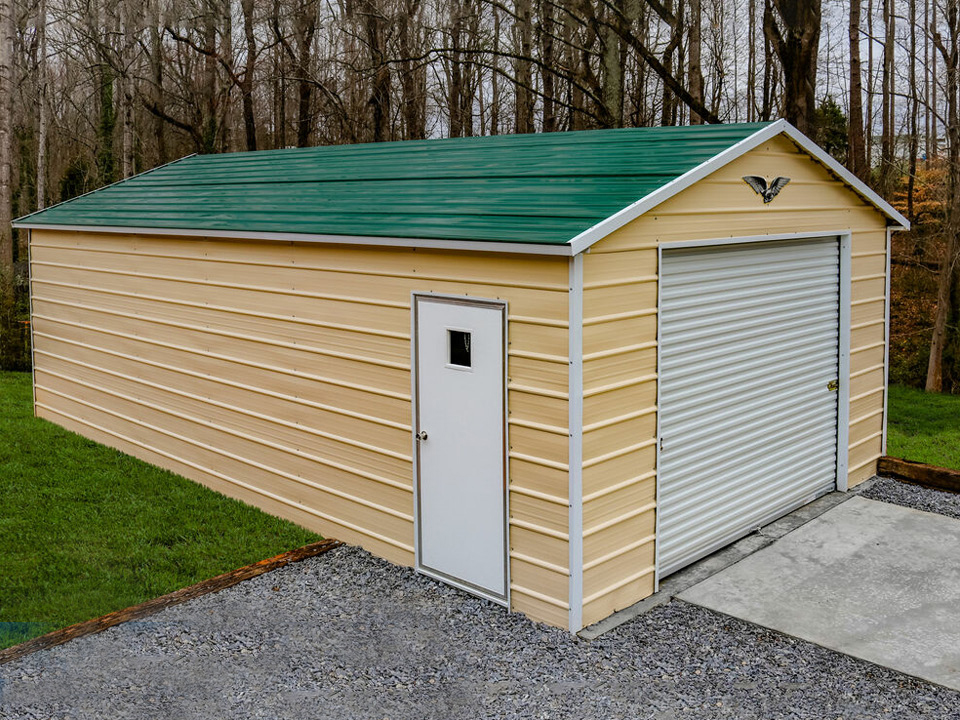
A regular roof is typically the most economical choice and works well for smaller structures in milder conditions. A boxed-eave roof gives you a cleaner, more residential look while staying cost-conscious. A vertical roof usually costs more, but it is often the better long-term value for larger buildings or areas that deal with heavier rain, snow, or debris. Water, leaves, and snow tend to shed more effectively on a vertical panel layout.
This is one of those areas where the cheapest option is not always the lowest-cost decision over time. If your building is going on open land and will take weather year after year, it often makes sense to think beyond upfront price.
Doors, windows, and access points make or break usability
A building can have the right dimensions and still feel frustrating to use if the openings are wrong. This is why online design tools are so helpful. You can place garage doors, walk-in doors, windows, and framed openings where they make sense instead of settling for a standard layout.
Think through your daily use. Will you pull straight in or need to back in? Do you want drive-through access? Will one roll-up door handle your needs, or do separate bays make more sense? A workshop may need a walk-in door away from vehicle traffic. A barn may need wider openings on one end and more enclosed wall space on the other.
Window placement matters too. Natural light can reduce the need for daytime lighting, but too many openings may reduce wall space for storage or workbenches. It depends on whether your building is mainly for protection, active work, or both.
Use the online design tool to test real scenarios
The best way to design a metal building online is to treat the tool like a planning space, not just a checkout page. Try different versions of the same building and compare how the changes affect cost and function.
For example, you might start with a standard garage size, then increase the height by 2 feet to clear a future camper. You may test an open lean-to for equipment storage instead of expanding the enclosed footprint. You could compare a single large overhead door versus two smaller bay doors. Those small adjustments can have a big impact on convenience and price.
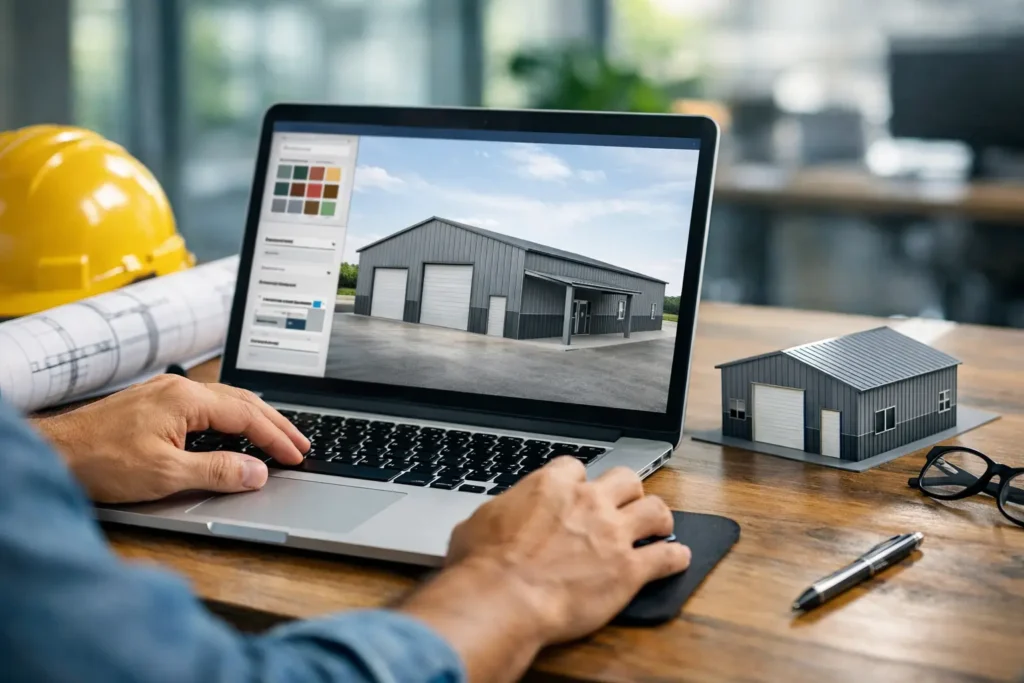
This is where a 3D design studio becomes especially useful. Seeing the building update in real time helps you catch layout issues early. A design that sounded fine in your head can look crowded once doors, windows, and panel sections are actually placed on the structure.
Don’t ignore site conditions
A strong online design still has to work with the property where it will be installed. That includes more than just available space.
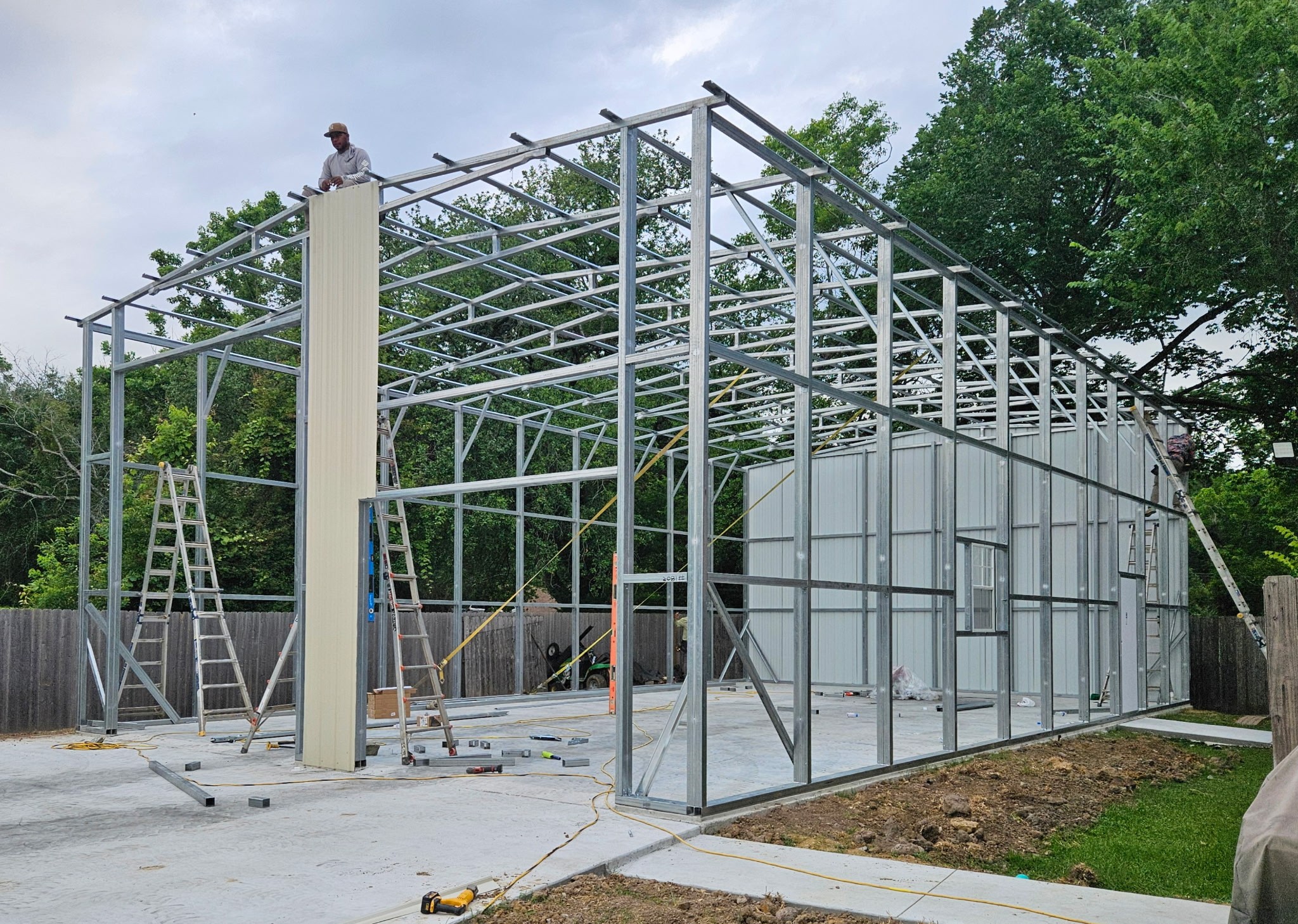
Ground condition, slope, drainage, local wind or snow considerations, and access for delivery and setup all matter. A building may fit on paper but create problems if the site is uneven or difficult for installation crews to reach. Your foundation choice also matters. Some metal buildings can be installed on ground, gravel, asphalt, or concrete pads, but not every configuration is equally suited for every surface.
This is one place where online tools and expert guidance should work together. Design online for speed and clarity, then confirm the final details with a knowledgeable team before you place an order. That extra step can save time, money, and frustration.
Budget for the features you will care about later
When buyers design online, they often focus on the base price first. That makes sense, but a base building is only part of the decision. The better question is which upgrades will matter after the building is installed and in daily use.
Extra height, upgraded roof style, insulation planning, lean-tos, gable ends, additional panels, and better door placement can all make a building more useful long term. On the other hand, not every upgrade is necessary. If you need a simple cover for farm equipment, a fully enclosed custom garage may be more than you need.
The right design is usually the one that fits your actual use today while leaving enough flexibility for tomorrow. That balance is different for every buyer. Some want the lowest payment possible. Others want to avoid outgrowing the structure in two years.
Work with a team after you build it online
Online design should make the process easier, not leave you on your own. Once you have a configuration you like, the next step is to review it with a real person who understands metal building construction, local requirements, and practical trade-offs.
That is especially important if you are comparing financing options, planning a custom layout, or trying to match the building to a specific residential, agricultural, or commercial use. A strong provider can help verify your design, explain what affects the quote, and point out options you may not have considered.
At Essex Metal Buildings, that mix of digital convenience and direct support is what helps customers move from idea to installed building with more confidence. You can design online, price your options, and still get guidance from a local expert team when it is time to finalize the details.
What a good online metal building design should give you
By the time you finish designing, you should have more than a rough sketch. You should know the building type, dimensions, roof style, access points, and key upgrades that fit your property and your budget. You should also have a realistic sense of whether the design solves the problem that made you start shopping in the first place.
That is the real advantage of learning how to design a metal building online. You get control without having to guess, and you get clarity before making a major purchase. If you take the time to design around your actual needs, the right building becomes a lot easier to spot when you see it on the screen.