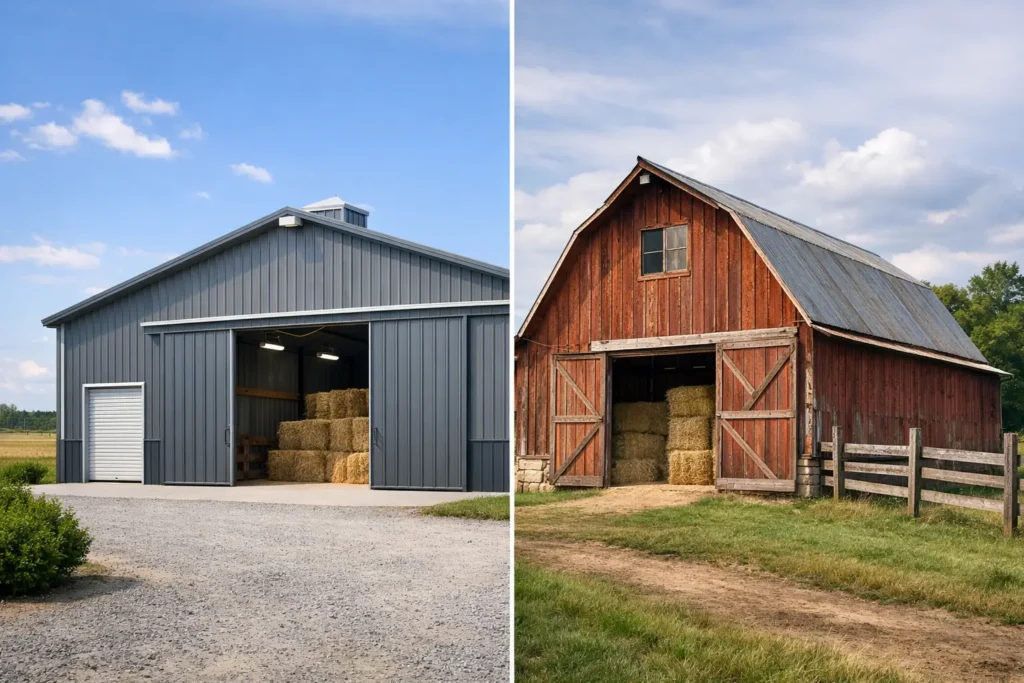
If you are weighing a steel barn versus wood barn, you are probably not shopping for looks alone. You need a building that handles weather, protects equipment or animals, fits your property, and makes sense for your budget long term. That is where the decision gets real – because the cheaper option upfront is not always the better value five or ten years from now.
For some buyers, a traditional wood barn still feels like the obvious choice. For others, steel is the practical answer because it offers strength, lower maintenance, and more flexibility than many people expect. The right pick depends on how you plan to use the barn, what kind of climate you live in, and how much ongoing upkeep you are willing to take on.
Steel barn versus wood barn: the biggest difference
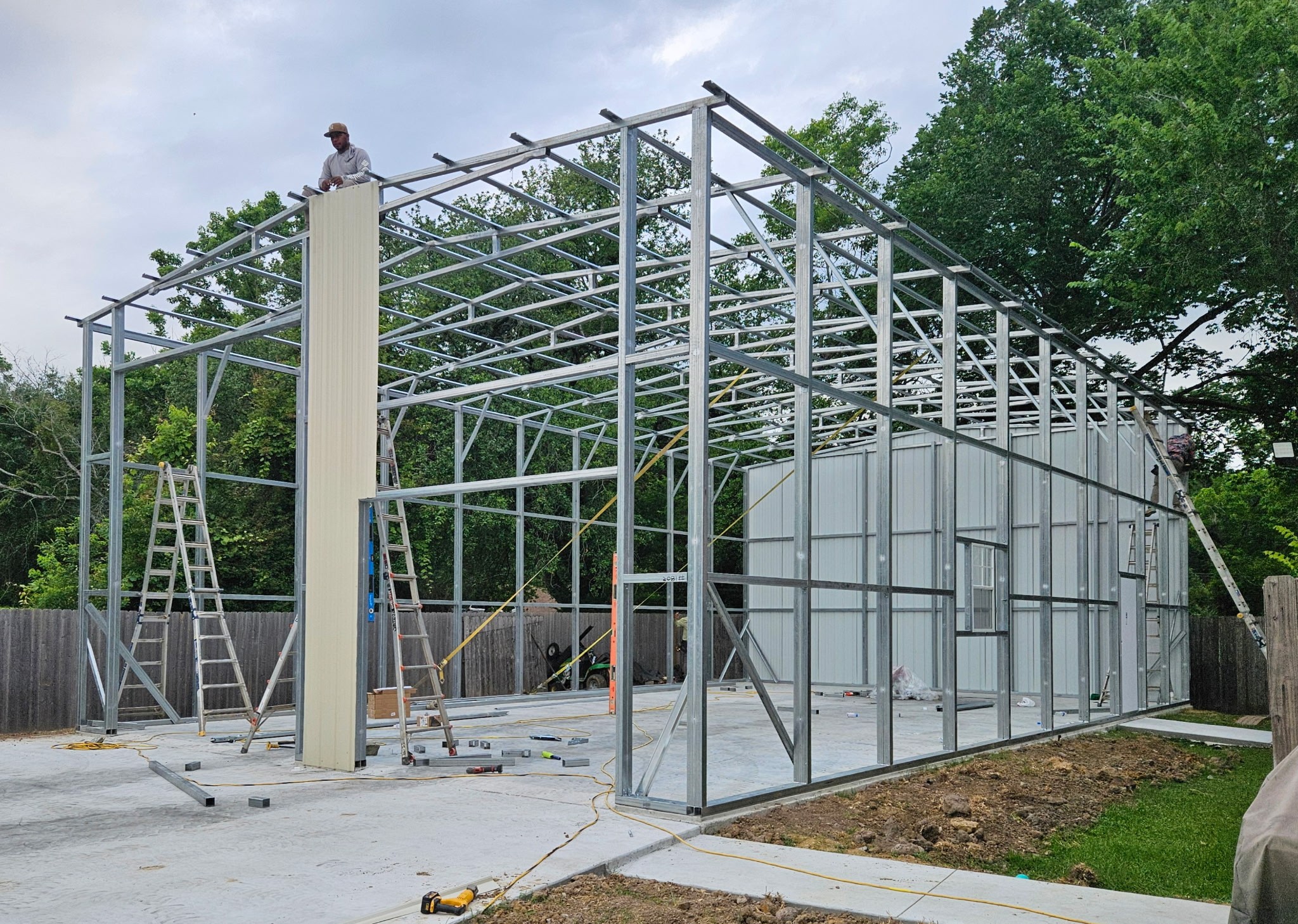
At the most basic level, the difference comes down to structure and ownership costs over time. A wood barn is built with lumber framing and typically needs more hands-on maintenance as the years go by. A steel barn uses metal framing and panels designed for durability, which usually means fewer repair headaches and a longer service life with less routine work.
That does not mean wood is always the wrong answer. Some property owners want a classic appearance, already have access to local carpentry labor, or are matching existing farm buildings. But if your top priorities are strength, efficiency, and dependable protection, steel often pulls ahead quickly.
Cost is more than the purchase price
A lot of buyers start with one question: which barn costs less? The honest answer is that it depends on the size, customization, site prep, and local labor rates. In some cases, a simple wood barn may look competitive at first. But the initial build cost is only one part of the picture.
With wood, you may be looking at higher labor costs, especially if the project is fully stick-built on site. Lumber prices can also swing hard, which makes budgeting less predictable. Over time, wood structures may need repainting, sealing, board replacement, pest treatment, or repairs related to moisture damage.
Steel barns tend to be more predictable in both materials and installation planning. They can also reduce long-term maintenance expenses, which matters if you want a structure that works hard without asking for constant attention. For many landowners, that long-view value is what turns the decision.
Maintenance and repairs
This is where the steel barn versus wood barn comparison gets very practical.
Wood barns need regular care. Exposure to rain, humidity, sun, and temperature changes can lead to rot, warping, cracking, and insect damage. Even a well-built wood barn can require ongoing inspection and repair. If you stay ahead of the maintenance, you can protect the structure for years. If you do not, small issues can become expensive ones.
Steel barns are generally easier to own. They do not attract termites, they will not rot, and they hold up well in challenging weather when properly engineered and installed. That lower-maintenance appeal is a major reason many buyers move toward metal, especially for agricultural use, equipment storage, workshops, and multi-purpose barns.
That said, steel is not maintenance-free. You still want quality materials, proper anchoring, and a design suited to your region. Condensation control, ventilation, and roof style also matter. A well-designed metal building performs best when those details are handled correctly from the start.
Strength, weather, and lifespan
A barn has one job above all else: protect what matters inside it. That could mean tractors, hay, tools, livestock, vehicles, feed, or workspace. So strength is not just a feature. It is the whole point.
Wood barns can be strong when built well, but they are more vulnerable to moisture and biological wear over time. In regions with heavy humidity, termites, or frequent storms, that vulnerability becomes a bigger factor.
Steel barns are built for durability. Quality steel structures are designed to handle demanding weather conditions, including high winds, snow loads, and harsh sun exposure. For buyers in areas where weather can turn quickly, that peace of mind matters. It also matters if you are storing expensive equipment that cannot be left exposed.
Lifespan is where steel often offers a clear advantage. A wood barn can last a long time with excellent maintenance, but it usually asks for more from the owner to get there. A steel barn is often the better fit for buyers who want a long-lasting structure without taking on a second job just to keep it in shape.
Customization is not just for looks
One common assumption is that wood gives you more design freedom. Years ago, that may have felt true to more buyers. Today, custom metal buildings offer far more flexibility than many people realize.
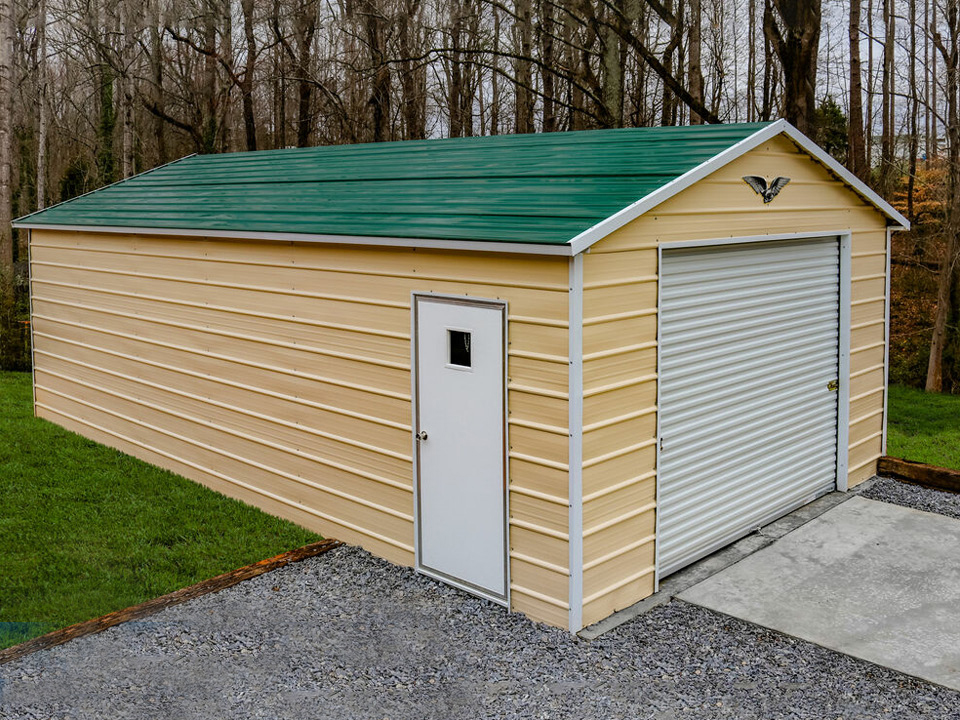
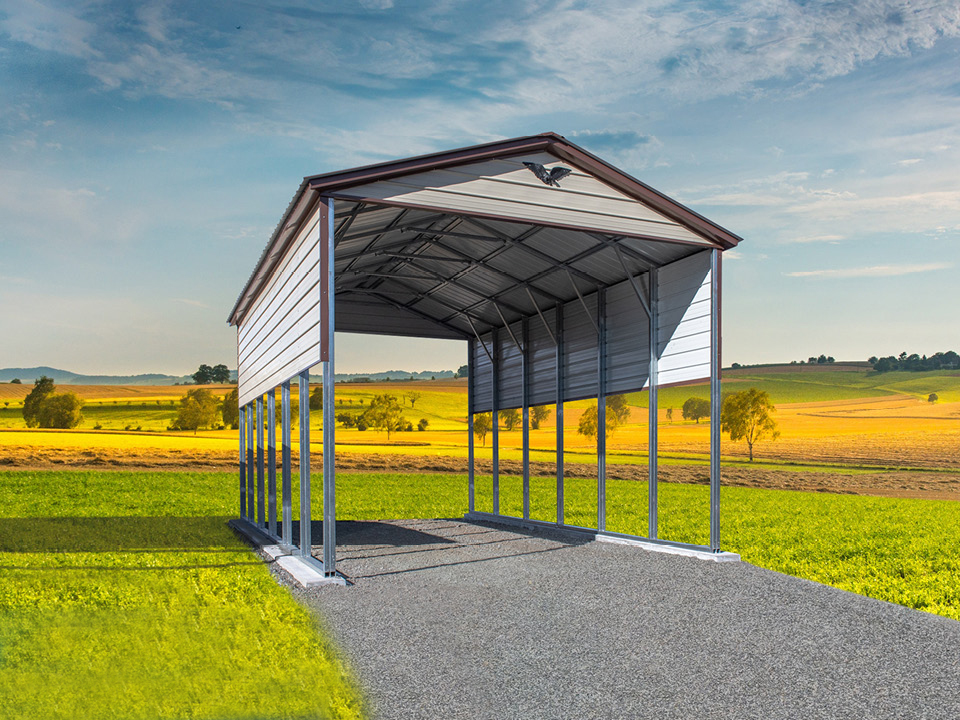
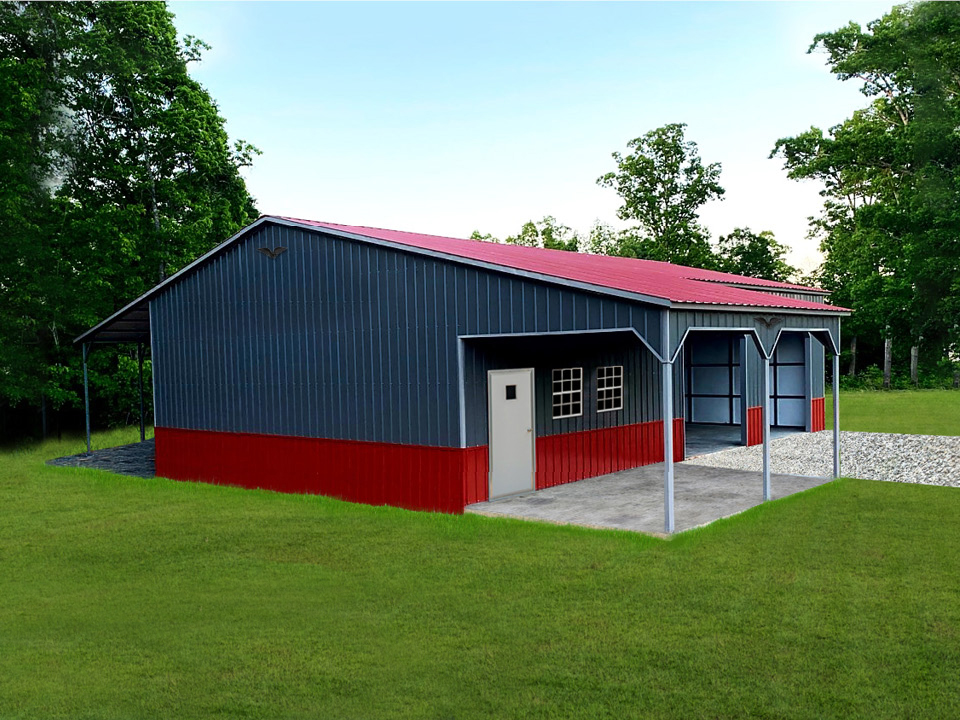
A steel barn can be configured for open bays, enclosed storage, tack rooms, workshops, lean-tos, varying roof styles, and different door and window placements. You can size it around how you actually use your property instead of trying to adapt to a one-size-fits-all layout. That matters whether you are housing animals, protecting farm equipment, or building a barn that doubles as a shop.
Wood still has appeal if your priority is a certain traditional style. But if your real goal is function, clearance, access, and usable square footage, steel usually gives you plenty of room to tailor the building to your needs.
Build time and buying process
Another difference that often gets overlooked is how the project comes together.
Wood barns are often built from the ground up on site, which can mean longer construction timelines and more moving parts. Weather delays, labor scheduling, and material changes can all affect progress.
Steel barns are often easier to plan and coordinate, especially when you work with a company that helps you configure the building, price it clearly, and manage delivery and installation. That kind of process gives buyers more confidence because they know what they are getting before the project starts.
For many property owners, convenience matters almost as much as cost. If the buying experience is confusing, the project can feel bigger than it needs to be. That is why a guided process matters. Companies like Essex Metal Buildings make it easier to compare sizes, layouts, and features before you commit, which helps remove guesswork from a major purchase.
Which barn is better for farms, homes, and small businesses?
The answer depends on use.
If you want a classic appearance for a residential or hobby farm setting, wood may still appeal to you. Some buyers are willing to trade higher maintenance for that look. If the barn is a centerpiece on the property and aesthetics lead the decision, wood can still make sense.
If the barn needs to work hard every day, steel usually stands out. It is a strong fit for equipment storage, hay protection, workshops, livestock shelters, garages, and mixed-use agricultural buildings. It also makes sense for small business owners who need practical space without overspending on ongoing upkeep.
For first-time buyers, steel often feels like the simpler choice because it solves more problems at once. You get durability, customization, and lower maintenance in one package. For experienced landowners, the appeal is usually even clearer because they have already dealt with repairs, repainting, and weather-related wear on older structures.
When wood still makes sense
A fair comparison should include the cases where wood is still a good option.
If you already have trusted local builders, want a highly traditional exterior, and are comfortable budgeting for ongoing maintenance, a wood barn may fit your property goals. It can also make sense for certain custom builds where appearance matters more than lifecycle cost.
The key is going in with open eyes. Wood is not a bad choice. It is just a higher-maintenance choice in many situations. If you are fine with that trade-off, it may still be the right one for you.
When steel is the smarter long-term buy
If your priority is dependable protection, easier ownership, and strong value over time, steel is tough to beat. It gives you a durable structure that can be tailored to your needs without locking you into the maintenance cycle many wood buildings require.
That matters even more when the barn is not optional. If you need covered space for animals, machinery, work, or storage, reliability matters every season. You want a building that shows up for the job year after year.
The best barn is the one that fits how you live and work now, while still making sense years from today. If you are leaning toward steel, take the time to price the building you actually need, not just the one that looks cheapest on day one.