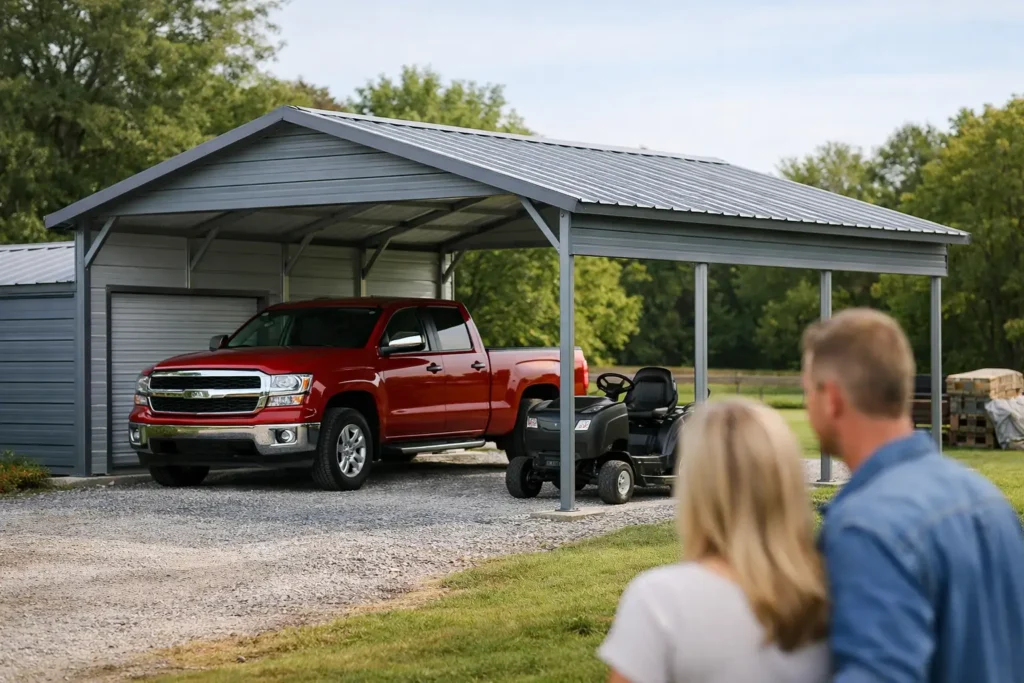
When your truck, tractor, RV, or daily driver is sitting out in the sun, rain, and hail, waiting to buy later can get expensive fast. Rent to own carports give property owners a way to put up protection now and spread the cost over time, which is why this option keeps coming up for homeowners, farmers, and small business owners who need a practical answer without a large upfront payment.
That said, not every rent-to-own agreement is the same, and not every carport is worth financing. The smart move is to look at the structure and the payment terms together. A low monthly payment only helps if the building itself fits your property, your weather conditions, and the way you plan to use it.
Why rent to own carports appeal to practical buyers
Most people shopping for a carport are not doing it for fun. They need to solve a real problem – protecting vehicles, covering equipment, adding storage space, or creating a more usable area on the property. The issue is timing. You may need the structure now, but paying the full amount at once may not be the best use of cash.
That is where rent-to-own can make sense. Instead of delaying the project, you can get the building in place and make manageable monthly payments. For many buyers, that means keeping savings available for other priorities such as land work, home repairs, equipment, or seasonal business costs.
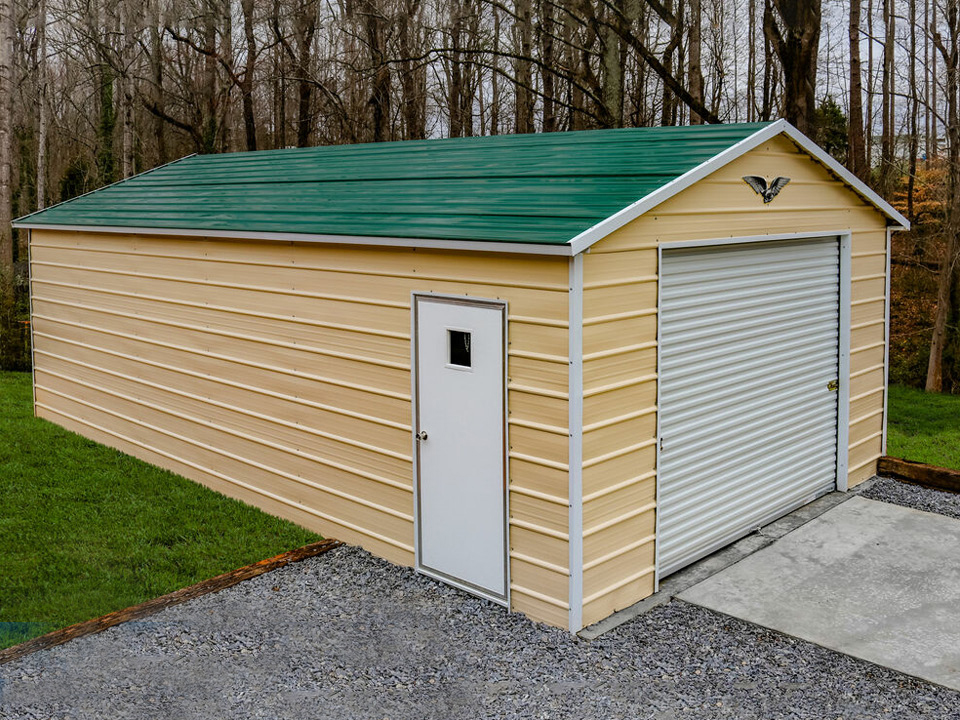
It can also be a good fit for buyers who want more than a basic one-size-fits-all cover. A custom metal carport with the right dimensions, roof style, and add-ons often protects your investment better than settling for the cheapest available option. If monthly payments make that better fit possible, the value is not just financial. It is functional.
How rent to own carports usually work
In most cases, a rent-to-own carport program lets you choose the structure you want and pay for it over a set term instead of all at once. Terms often vary based on the building size, total price, and provider requirements. Some programs are designed to keep the approval process simple, which is a major reason buyers look at this route in the first place.
The main appeal is accessibility. Traditional financing can be slower and more restrictive, while rent-to-own is often built for speed and convenience. That does not mean you should rush. You still want to understand the payment schedule, the length of the agreement, any initial payment required, and what happens if you pay early or miss payments.
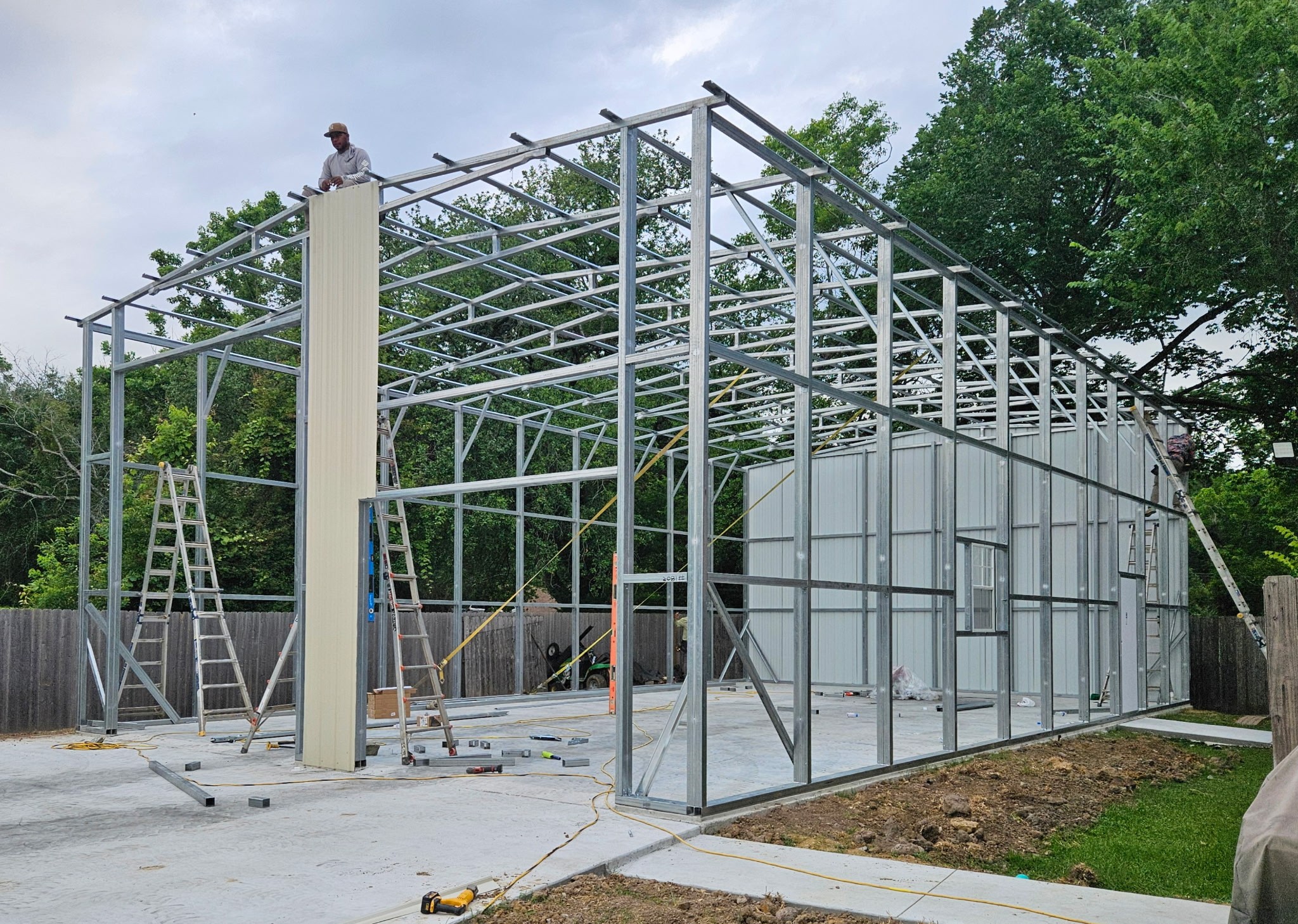
This is also the point where buyers should ask about installation, site preparation, and what is included in the quoted price. Monthly cost is only part of the picture. If your site needs grading, anchors, or a concrete pad, those details affect the real project budget.
What affects the monthly payment
The size of the carport is the obvious factor, but it is far from the only one. Width, length, and leg height all matter, especially if you are covering taller vehicles like RVs, lifted trucks, trailers, or farm equipment. A standard two-car carport will price differently than a taller unit designed for oversized clearance.
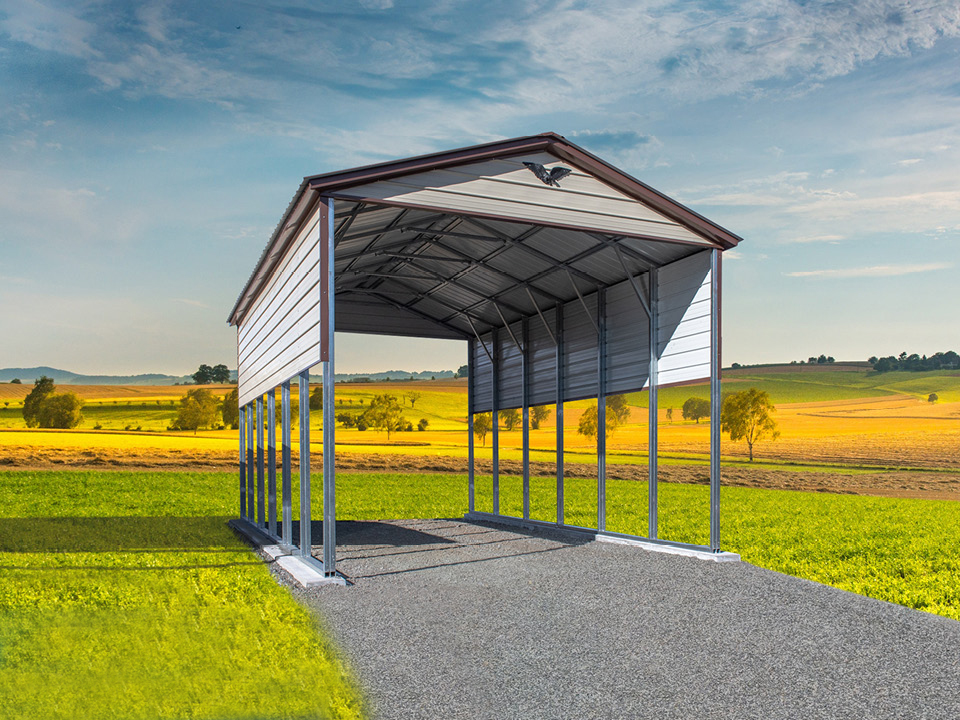
Roof style also changes cost. A regular roof may work for some settings, but boxed eave and vertical roof designs are often better choices for buyers who want stronger performance and cleaner water or debris runoff. In areas that see heavy rain, snow, or leaves, the right roof style can make a noticeable difference in long-term satisfaction.
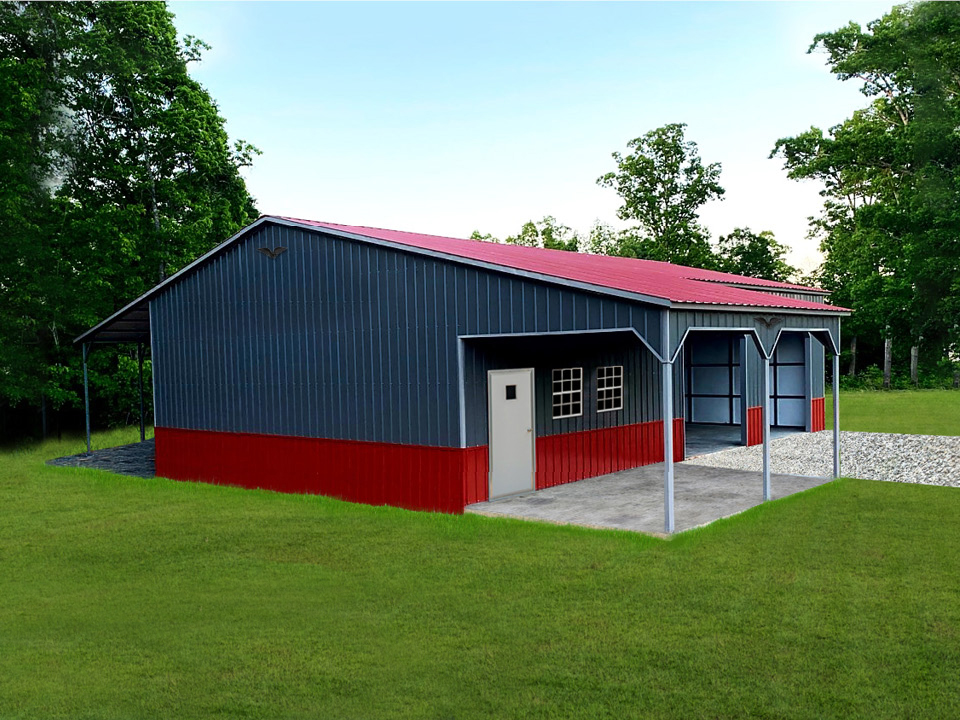
Then there are the customization options. Side panels, end panels, enclosed sections, gables, trim choices, and additional framing all add to the total. None of that is bad. In many cases, those upgrades are exactly what make the structure more useful. The key is to choose features that match your actual needs instead of paying for extras you will not use.
Choosing the right carport before you sign
A financing option should never distract from the product itself. Before you commit to any agreement, think about how the carport will be used over the next several years, not just this season.
If you only need to cover one vehicle today, but you know a second vehicle, boat, or utility trailer is coming, sizing up now may save money later. Replacing a too-small structure is usually more expensive than planning ahead. The same idea applies to height. Buyers often underestimate clearance needs, especially if they may switch vehicles in the future.
You should also consider where the carport will sit on your property. Wind exposure, slope, drainage, and access all matter. A carport that looks right on paper may need adjustments once you account for actual site conditions. This is one reason custom configuration and guidance from an experienced team can save time and frustration.
When rent to own carports make the most sense
This option tends to work best for buyers who need immediate protection, want to preserve cash flow, and have a clear plan for the structure they are ordering. It is especially useful when delaying the purchase would create bigger problems, such as weather damage, equipment wear, or ongoing storage headaches.
It can also be the right move when a custom building is the better answer but paying in full would force too many compromises. If spreading out the cost lets you get the right dimensions, stronger roof system, or more practical layout, the result is often a better long-term investment.
On the other hand, it depends on your budget discipline. If a monthly payment looks small but stretches your finances too thin, it may not feel affordable over time. The best financing option is one that solves a problem without creating a new one.
Common trade-offs to think through
Rent-to-own is about flexibility, but every flexible payment option comes with trade-offs. Over time, the total paid may be more than a cash purchase. For some buyers, that is an acceptable exchange for getting the structure in place now. For others, paying upfront may be the better value if funds are available.
Another trade-off is customization versus simplicity. A highly customized carport can give you a much better fit, but each added feature affects the total price and payment amount. It helps to separate must-haves from nice-to-haves early in the process.
You should also weigh temporary thinking against permanent use. Some buyers start with a carport because it solves an immediate need, then later wish they had gone with more enclosure, more height, or a larger footprint. If the structure may evolve into storage, workspace, or equipment coverage, it is worth planning for that now.
Questions worth asking before moving forward
A good quote should make the project clearer, not more confusing. Ask what is included, what site prep is required, how installation is handled, and what options are available for sizing and upgrades. If the answer to every question is just another payment number, you are not getting enough guidance.
It is also wise to ask about engineering for your area, available roof styles, lead times, and how local weather affects design recommendations. A carport in a mild climate may not need the same setup as one facing stronger wind or heavier precipitation. The right provider should help you sort that out instead of pushing a generic model.
For buyers who want more control over the process, a design tool can be especially helpful. Being able to configure dimensions, compare options, and see pricing direction before you commit makes it easier to choose with confidence. That kind of clarity matters when you are balancing budget, performance, and long-term use.
Getting value from the payment plan and the building
The best rent-to-own purchase is not the one with the lowest advertised monthly rate. It is the one that gives you dependable coverage, a layout that fits your property, and terms you can live with comfortably. A cheap payment on the wrong structure is still the wrong purchase.
That is why many buyers benefit from working with a company that can walk through design, pricing, delivery, and installation in one process. Essex Metal Buildings serves customers who want that kind of straightforward support, especially when they need a custom solution instead of a generic kit.
If you are considering rent to own carports, start with the structure you actually need, then look at the payment path that makes it realistic. A carport should take pressure off your property, not add more guesswork. When the fit is right, paying over time can be a practical way to protect what you have now while building for what comes next.