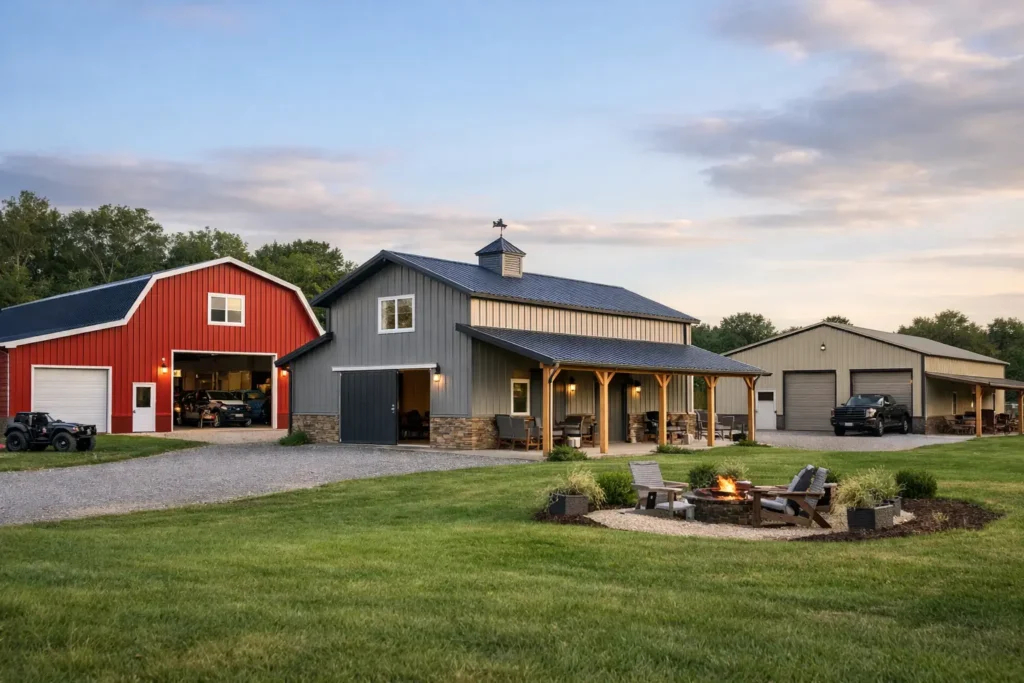
A metal barn that looks good on paper can still feel wrong once it lands on your property. Maybe the doors are too narrow for your tractor, the roofline does not match local weather, or the layout wastes space you planned to use every day. That is why knowing how to customize a metal barn matters before you place an order, not after installation is scheduled.
The right barn is not just a shell. It should fit the way you work, the equipment you own, and the conditions on your land. For some buyers, that means covered hay storage with open sides for airflow. For others, it means enclosed bays, a tack room, taller clearance, or a clean front appearance that matches a home or business. Customization is what turns a standard structure into a building that actually earns its keep.
Start with use before size
The most common mistake is picking dimensions first and trying to force your needs into them. A better approach is to start with the job your barn needs to do. If you are storing tractors, trailers, and implements, think about turning radius, parking patterns, and how often equipment moves in and out. If the barn will house animals, ventilation, shade, and access become more important than simply maximizing enclosed square footage.
A workshop barn has its own priorities. You may need room for benches, shelving, tool storage, and safe walkways around vehicles or machinery. A barn used for agricultural storage may need wider openings and fewer interior obstructions. If it will serve multiple purposes, such as equipment storage on one side and livestock shelter on the other, the layout should reflect that from the beginning.
Once the use is clear, the size becomes easier to choose. Width, length, and leg height should support the way you will actually move through the building. Bigger is not always better if it adds cost without improving function. On the other hand, going too small to save money up front often creates frustration fast.
How to customize a metal barn for your property
Your land should influence almost every design choice. A barn that works well on a flat, open site may not be the best option for a narrow lot, a windy area, or a property with drainage challenges. Customization is not only about appearance. It is also about fit.
Start by looking at how the barn will sit on the site. Think about driveway approach, trailer access, slope, nearby fencing, and how rainwater moves across the ground. Door placement matters more than many buyers expect. A front opening may look clean from the road, but a side entry might work better if that is how vehicles naturally approach.
Roof style is another property-driven decision. A regular roof may be a budget-friendly option for lighter-duty applications, but many buyers prefer a boxed eave or vertical roof for a cleaner look and better water runoff. In areas that see heavier rain or snow, a vertical roof often makes the most sense. It depends on climate, local conditions, and how long-term you want the structure to perform.
Choose the layout around daily access
A good barn layout reduces wasted movement. That matters whether you are feeding animals every morning, pulling out equipment during planting season, or loading tools for work.
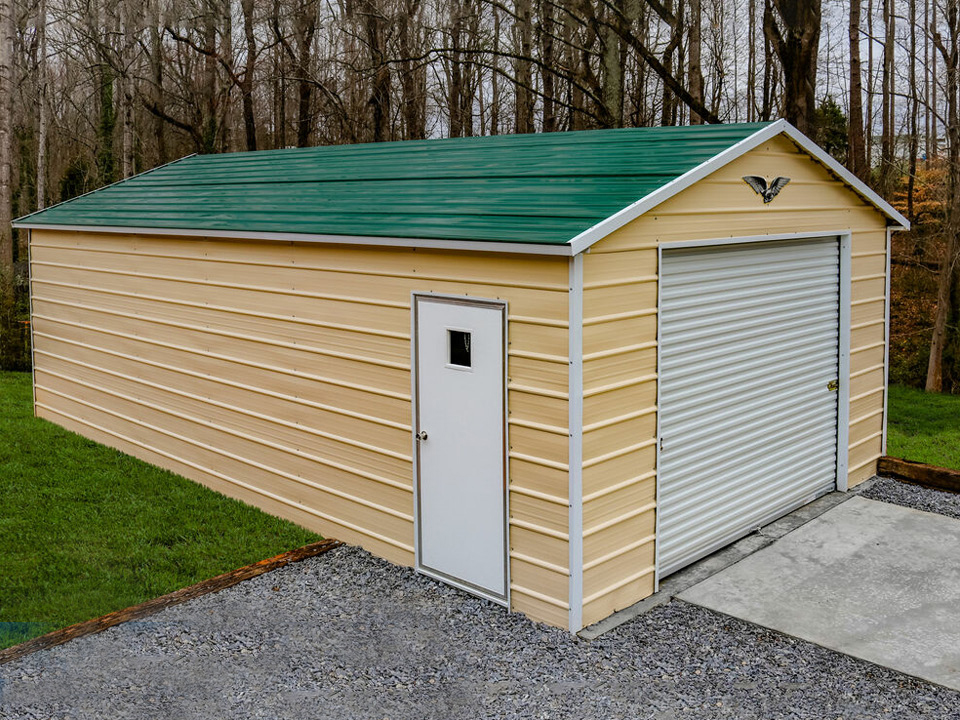
Think through the openings first. Will you need one large roll-up door, multiple framed openings, or open bays? A wide opening is helpful for large equipment, but two separate bays can keep the structure more organized. If you want enclosed storage for valuables and open shelter for quick access, a partially enclosed design may be the smartest balance.
Walk-in doors and windows also deserve attention. A barn used as a workshop or garage usually benefits from easy pedestrian access, natural light, and better visibility. A storage-focused barn may prioritize wall space instead. Every feature takes up room, so each one should serve a purpose.
If you already know certain items must go inside, sketch them out. Mark where your truck parks, where feed is stacked, where the mower turns, or where livestock enters and exits. Customization works best when it is tied to real use, not guesswork.
Enclosed, open, or partially enclosed
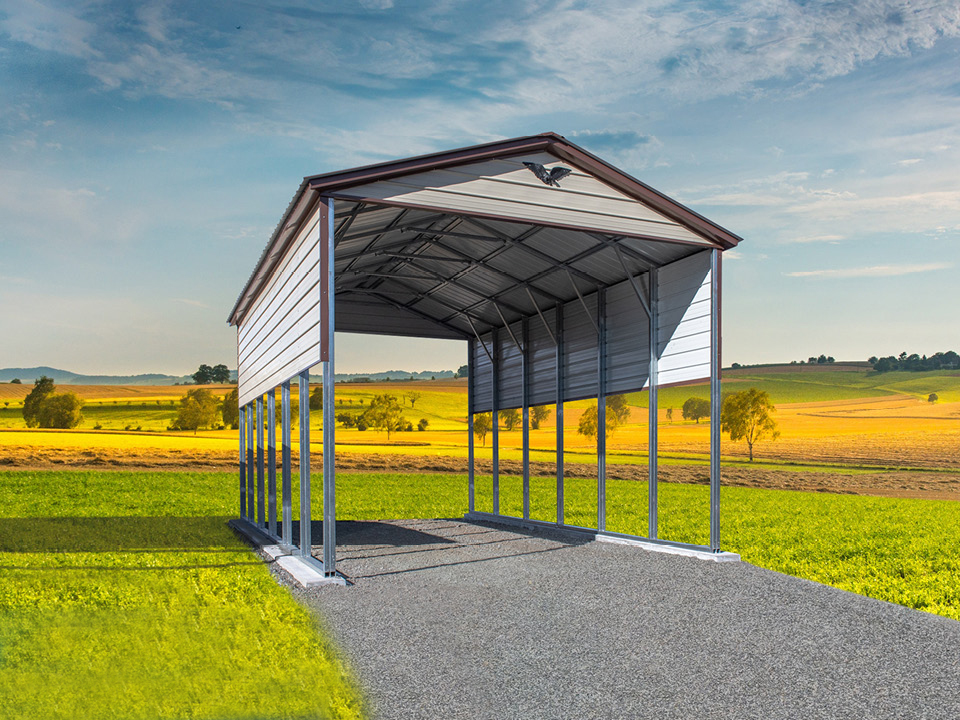
This is one of the biggest choices you will make. An open barn is often the most affordable and easiest for drive-through access. It works well for hay, farm implements, or basic animal shelter. An enclosed barn gives you better security and weather protection, which is often the better fit for tools, vehicles, and commercial use.
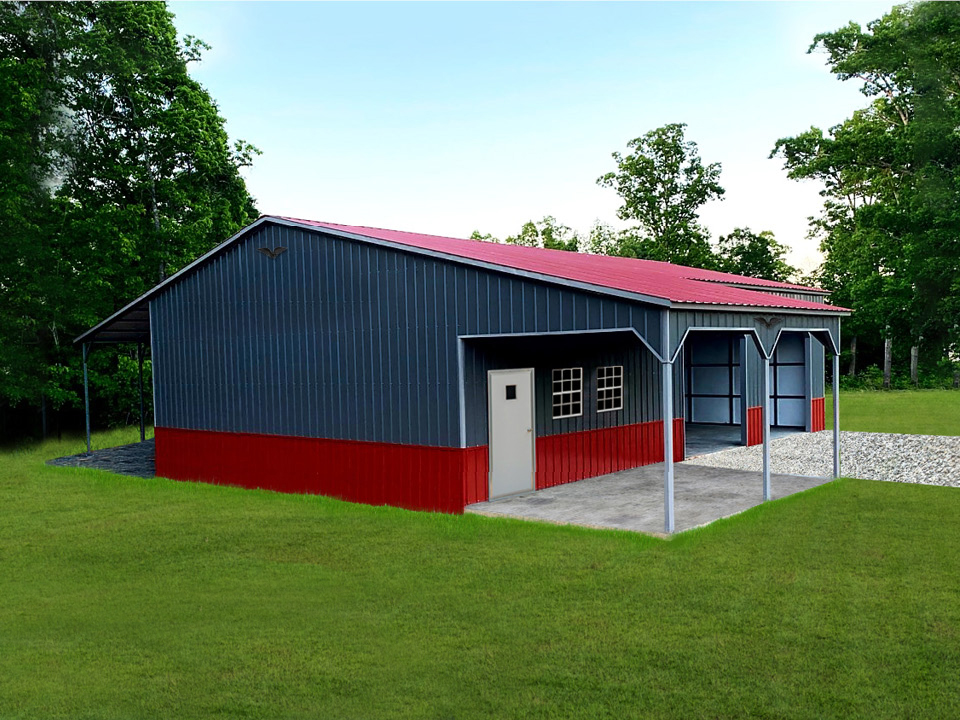
Partially enclosed barns are popular because they split the difference. You can keep one section secure while leaving another open for ventilation or fast access. If your needs are mixed, this option usually gives you more flexibility without overbuilding.
Don’t overlook height and clearance
Many buyers focus on width and length, then realize too late that the leg height is not enough. Clearance affects more than whether your vehicle technically fits. It also changes how comfortable the building is to use.
If you have a lifted truck, tractor cab, RV, trailer, or stacked materials, build in enough height for easy entry and safe movement. Add a margin for future equipment too. It is far easier to plan for a taller opening now than to regret a tight fit later.
Interior clearance also affects overhead storage, lighting, and overall openness. A barn that feels cramped can limit how useful it is, even if the square footage seems adequate.
Customize for weather, wear, and long-term value
If you are learning how to customize a metal barn, do not treat upgrades as cosmetic add-ons. Some are practical protections that directly affect lifespan and day-to-day performance.
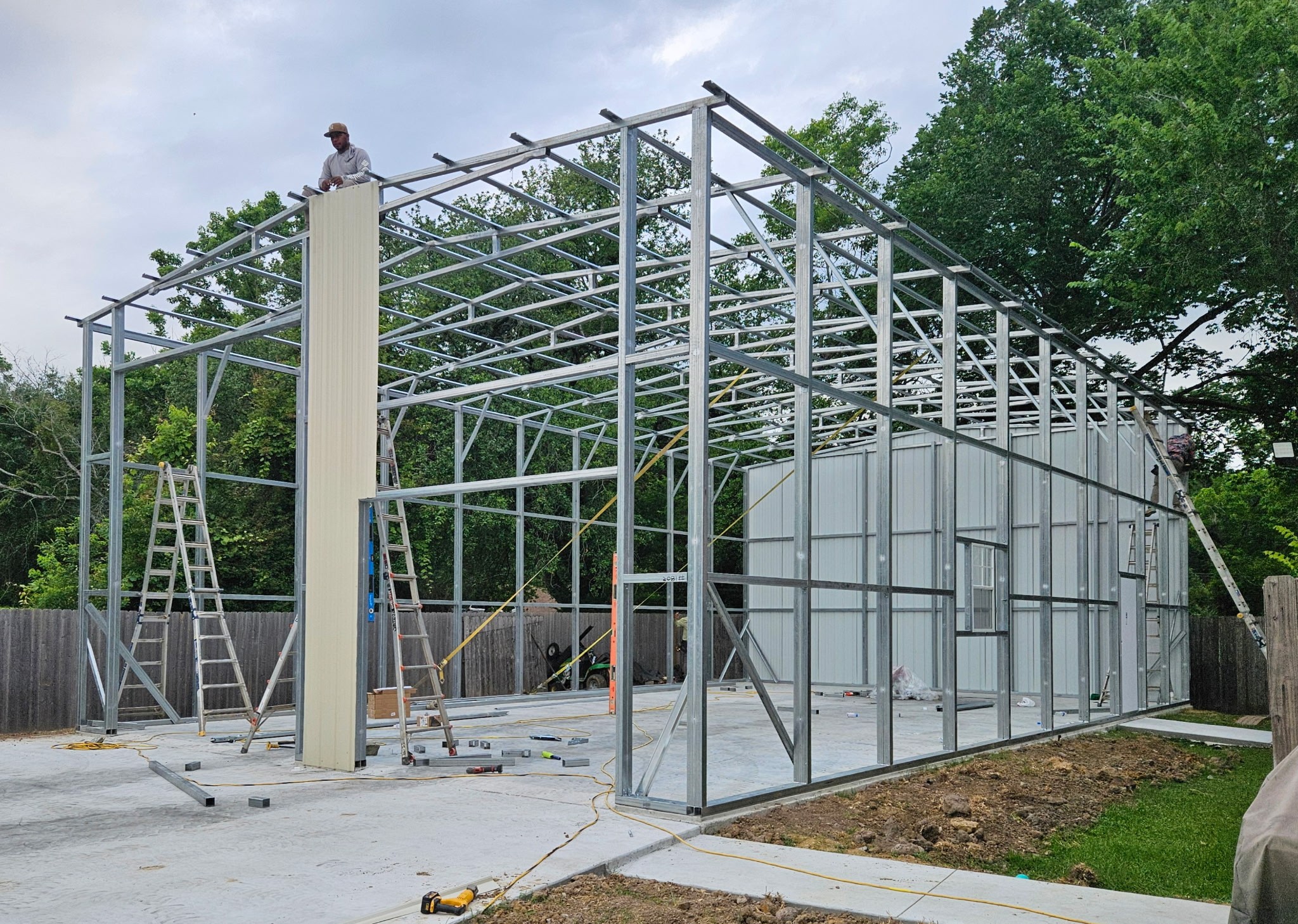
Gauge, framing strength, roof orientation, and anchor choice all matter. The right setup depends on your region, your site conditions, and what the barn needs to protect. Buyers in storm-prone or high-wind areas may want stronger framing or anchoring. Those storing sensitive equipment may care more about full enclosure and moisture control.
Color is where function and appearance meet. You want a barn that looks right on your property, but finish quality also matters. Trim, panel color, and roof choice can help the structure blend with an existing home, fence line, or commercial lot. That may not change performance, but it does affect satisfaction. If the barn is a permanent part of your property, appearance is not a small detail.
Add-ons worth considering
Some upgrades pay off quickly because they improve how you use the space every day. Insulation can help if the barn doubles as a workshop or if temperature control matters for storage. Lean-tos can create extra covered space without fully enclosing more square footage. Wainscoting can improve durability where lower wall panels take more impact or dirt.
Other additions depend on your priorities. Skylights and windows bring in natural light, but they may reduce some wall space and privacy. Extra doors improve access, but every opening affects layout and cost. This is where expert guidance helps. The best design is usually the one that keeps you from paying for features you do not need while still covering the needs you will have for years.
Budget for function first, then finish
A custom barn should feel tailored, not padded with upgrades that only sound good during the quoting process. Start with the features that affect usability: dimensions, roof style, enclosure level, openings, and structural options that match your local conditions.
After that, work through appearance upgrades and convenience features. If your budget has limits, put money into the parts that are hardest to change later. Door size, leg height, and building configuration are much more important to get right up front than decorative details.
This is also where financing can make a real difference for some buyers. If a slightly better configuration solves the problem properly, stretching into the right design can be smarter than settling for a barn you outgrow in a year.
Use a design process that makes choices easier
The easiest way to customize well is to see your options before you buy. A visual design tool or guided consultation can help you compare sizes, roof styles, colors, doors, and enclosure choices without guessing. That is especially useful if this is your first metal building or if you are trying to balance budget with several different uses.
Essex Metal Buildings works with buyers who want that kind of clarity – not just a generic price, but a barn configured around their property and goals. That support matters because small decisions on paper can have a big effect once the structure is delivered and installed.
A custom metal barn should make your property work better, not force you to work around the building. If you start with how you will use it, match the design to your site, and choose upgrades with purpose, you will end up with a barn that feels right from day one and keeps doing its job for the long haul.