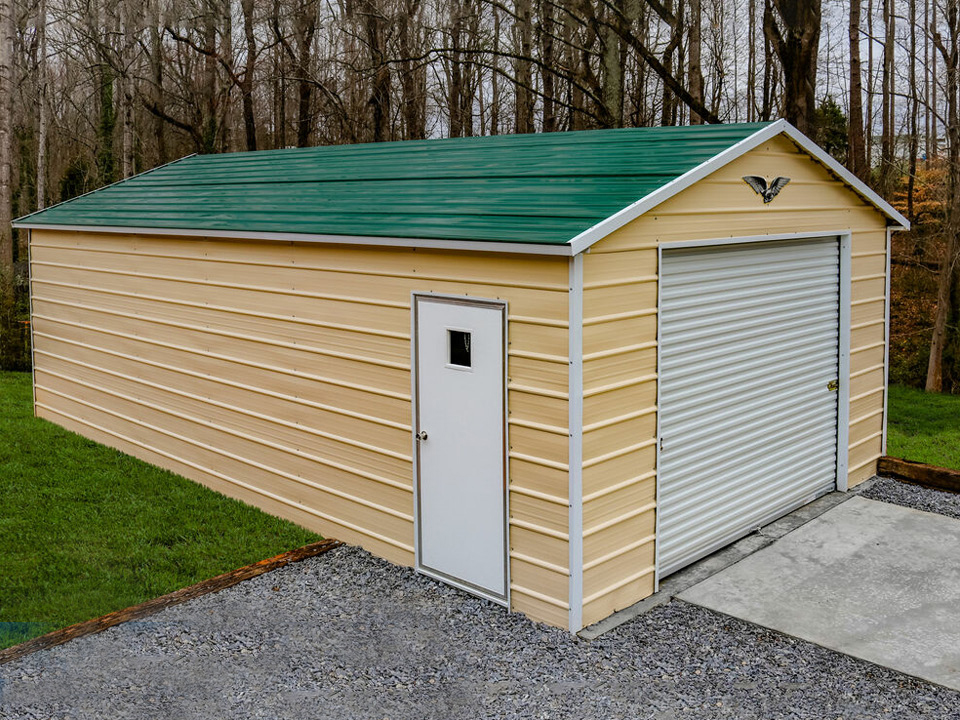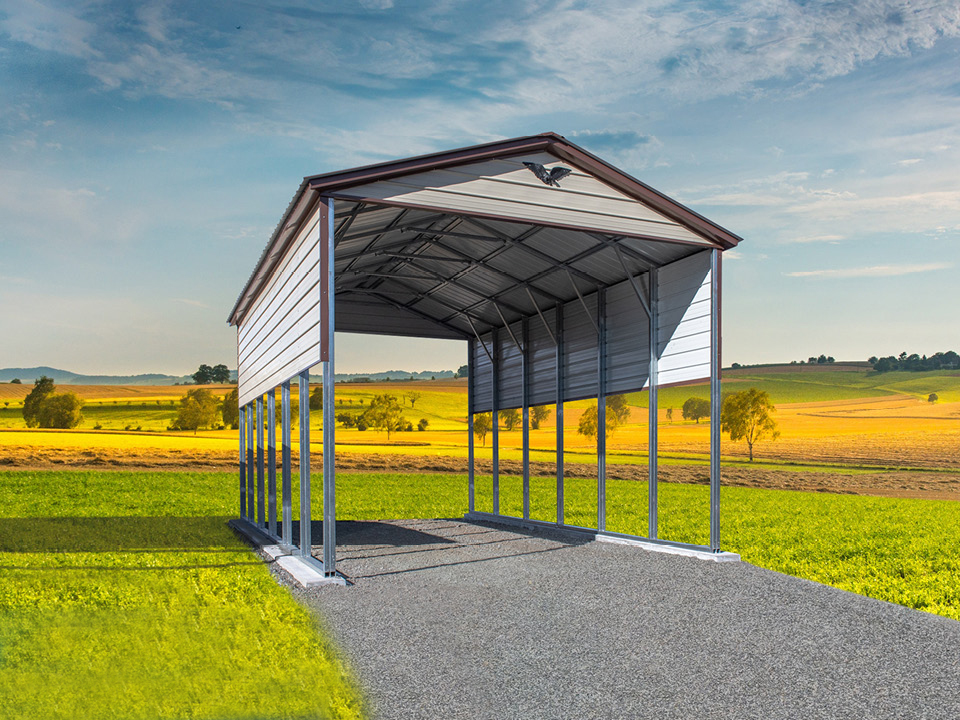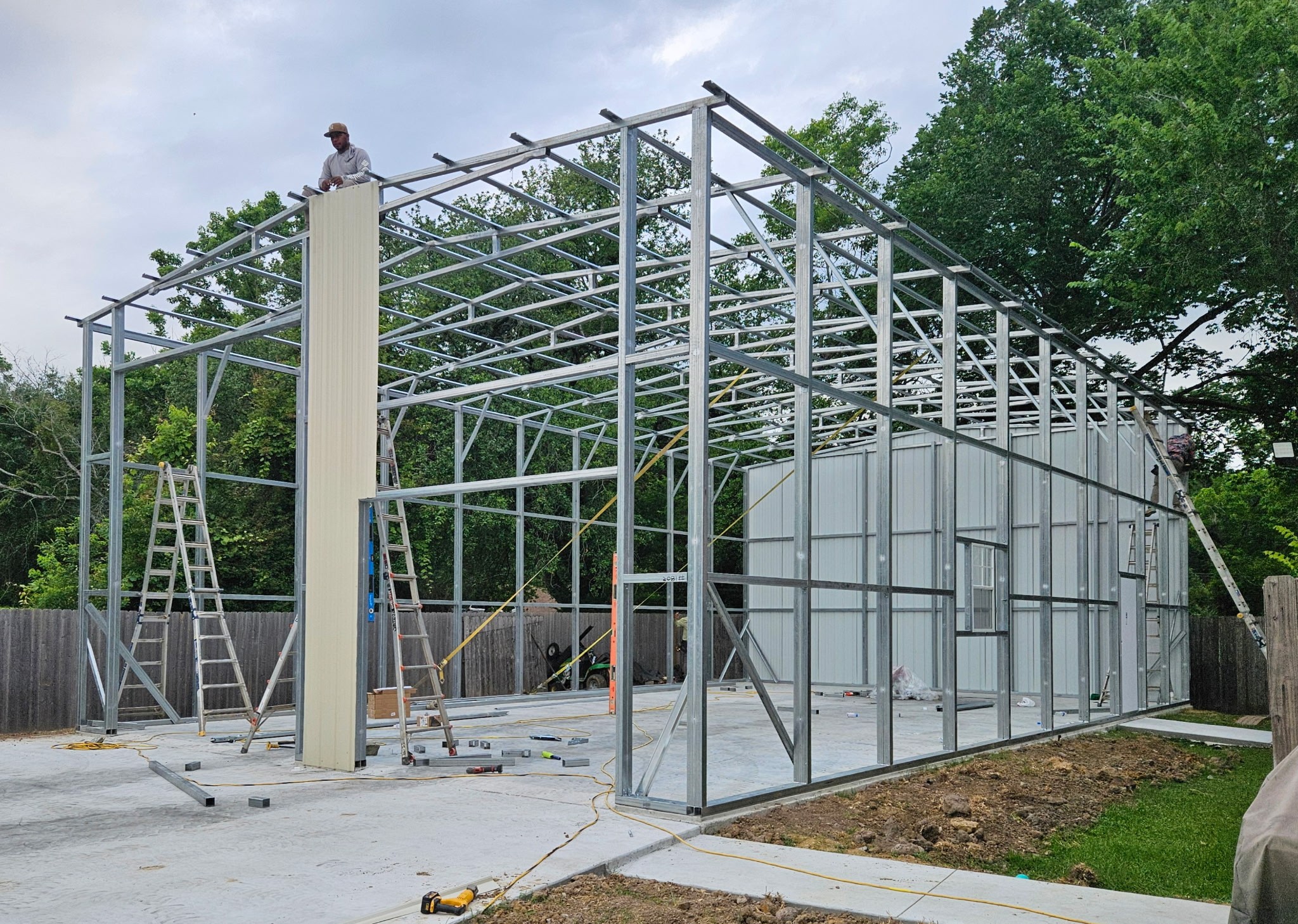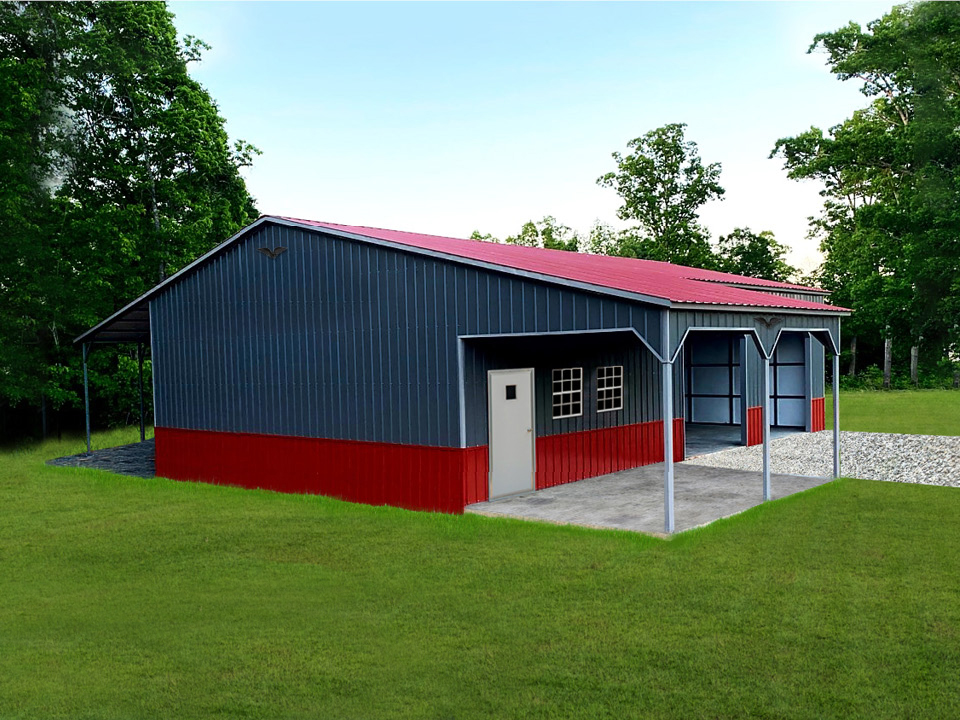
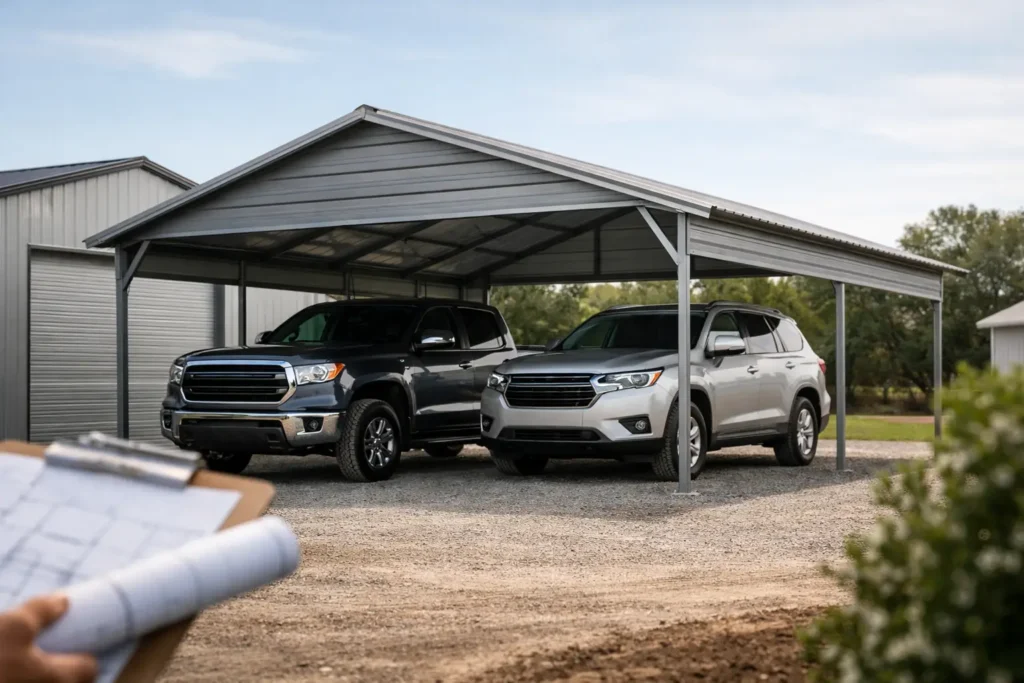
If you are ready to protect a truck, tractor, RV, or daily driver, the question usually comes up right after sizing and pricing: do metal carports need permits? In many cases, yes. But the real answer depends on where the carport will be installed, how large it is, how it will be anchored, and what your local city or county requires.
That uncertainty is exactly where buyers can lose time. A permit issue can delay installation, trigger redesigns, or create problems after the structure is already up. The good news is that permit requirements usually follow a few predictable rules, and once you know what local officials look for, the process becomes much easier to manage.
Do metal carports need permits in every case?
Not always. Some smaller carports may fall below a local permit threshold, especially in rural areas with fewer restrictions. Other locations require permits for nearly any permanent or semi-permanent structure, even if it is a simple steel roof supported by posts.
A metal carport is usually treated as an accessory structure. That means it may be regulated by zoning rules, building codes, setback requirements, and wind or snow load standards. In some places, the permit requirement is based on square footage. In others, it is based on whether the structure is anchored to the ground, attached to an existing building, or intended for long-term use.
This is why one property owner can install a small carport with minimal paperwork while another needs a full review with a site plan and engineered drawings. The structure may look similar, but the local rules are not.
What local building departments usually look at
When a permit office reviews a metal carport, they are not just asking whether the structure exists. They want to know whether it fits the property and whether it can handle local conditions.
Size and height
Larger structures are more likely to require permits. A compact single-vehicle carport may be treated differently than a wide triple-car unit or an extra-tall RV cover. Height can also matter, especially if your area limits accessory buildings near lot lines or residential fences.
Location on the property
Setbacks are one of the most common reasons for permit problems. Your local code may require the carport to sit a certain distance from side property lines, rear property lines, easements, septic systems, wells, or existing buildings. Even if the structure itself meets code, the placement might not.
Anchoring and foundation type
A carport installed on dirt, gravel, asphalt, or concrete may be reviewed differently depending on your local department. Some jurisdictions want to know the exact anchoring method. Others may require a concrete pad for certain sizes or wind zones. If the carport is being certified for local conditions, anchoring becomes part of the approval conversation.
Wind, snow, and weather loads
This matters more than many first-time buyers expect. In areas with high winds, hurricanes, or heavy snow, officials may require engineered specifications that show the structure is designed for those loads. A standard unit may not be enough if your site has stricter regional requirements.
Use of the structure
A basic open carport is often easier to approve than a partially enclosed or fully enclosed structure. Once you start adding sides, gables, panels, or utility connections, the building department may classify it differently. A simple cover can quickly start being reviewed more like a garage or utility building.
Why zoning matters as much as the permit itself
Many buyers focus on the building permit and overlook zoning. That is a mistake. You can have a structurally sound carport that qualifies for permit approval and still run into trouble because zoning rules do not allow that size, height, or placement.
Some neighborhoods limit the number of accessory structures on a lot. Others restrict where detached structures can sit relative to the main home. If you live in a subdivision, HOA rules may add another layer. An HOA approval is not the same as a city or county permit, and one does not replace the other.
For rural landowners, zoning can be more flexible, but that does not mean there are no rules. Agricultural parcels, mixed-use properties, and unincorporated areas often still have setback, easement, and use restrictions. It is better to verify early than assume the county will treat a metal carport casually.
When permits are most commonly required
There is no single national standard, but permits are especially likely when the carport is large, tall, permanently anchored, or installed in a city with active code enforcement. You should expect closer review if the structure is attached to your house, located near a property line, or designed for RV storage.
Permits also become more likely when local weather demands certified engineering. In coastal areas and high-wind regions, code compliance is a much bigger issue than it would be for the same carport in a low-risk area.
If you are adding enclosed sections, custom doors, or utility-ready features, that can push the project into a different review category. At that point, the structure is doing more than covering a vehicle. It is becoming a building with broader code implications.
What happens if you skip the permit?
Some buyers are tempted to move fast and deal with paperwork later. That can get expensive.
If your area requires a permit and you install without one, you may face fines, stop-work orders, or forced corrections. In some cases, the local department can require you to relocate or remove the carport. That is a rough outcome after you have already paid for materials, delivery, and installation.
There can also be insurance and resale issues. An unpermitted structure may complicate claims after storm damage or create questions during a property sale. Even if the carport itself is solid, missing paperwork can become a bigger headache than the original permit process.
How to find out what your property requires
The fastest path is usually your local city or county building department. Ask whether a metal carport requires a permit on your parcel, and be ready to share the size, height, roof style, and intended location.
It helps to have a rough site plan before you call. You do not need a polished architectural package just to ask questions, but you should know where the carport will sit in relation to property lines, driveways, and existing structures. Local offices can usually tell you what documents they expect and whether zoning review comes first.
If you are buying a custom unit, get the exact dimensions and specifications early. That makes the permit conversation far more productive than describing the project in general terms.
Documents you may be asked to provide
Most permit offices want some combination of a site plan, product specifications, engineered drawings, and anchoring details. If the structure is certified for your local wind or snow load, that information may need to be included in the application.
You might also need a property survey, especially if lot lines or setbacks are tight. If your parcel is in an HOA, you may need written approval before the city or county signs off. The exact list varies, but clear documentation usually speeds everything up.
This is where working with an experienced supplier can make a real difference. A company that regularly coordinates custom metal buildings understands what information buyers often need for local approval and can help reduce the back-and-forth.
Can a metal building company handle permits for you?
Sometimes, but not always. Permit responsibility depends on the company, the state, and the scope of the project. Some suppliers provide engineered plans and installation details while the property owner submits the permit. In other cases, a local contractor or installer may be involved in the application process.
The key is not to assume. Ask upfront who is responsible for permits, what documents will be provided, and whether the structure can be certified for your local code requirements. That conversation is much easier before you place the order than after manufacturing begins.
For buyers who want a smoother process, this is one of the advantages of working with a team that understands custom configuration, site needs, and regional code expectations. Essex Metal Buildings helps customers think through those details early, which can prevent costly surprises later.
A smart way to plan your carport project
If you are comparing options, treat permit research as part of the design stage, not a last-minute task. The right width, leg height, roof style, and placement are not just aesthetic decisions. They affect approval, installation, and long-term performance.
A good plan starts with your actual use. If you need a basic vehicle cover, you may be able to keep the project simpler. If you want extra clearance for an RV, partial enclosure for equipment, or a layout that fits around an existing driveway, expect more review and design coordination.
That is not a reason to settle for a smaller or less useful structure. It just means the smartest projects are built around both your needs and your local requirements.
Before you order, confirm the rules, verify placement, and make sure the structure is designed for your site conditions. A permit is not just paperwork. It is one more step toward getting a metal carport that fits your property, protects what matters, and stands up the way it should.