Step into a closed metal barn on a hot afternoon and you can feel the problem right away. Heat builds fast, moisture hangs in the air, and stale conditions can affect everything from stored equipment to livestock comfort. The right metal barn ventilation solutions help prevent those issues before they turn into rust, condensation, mold, or an unusable building.
Ventilation is not an extra feature to think about later. It is part of how a barn performs day after day. If you are planning a barn for animals, hay, tractors, feed, workshop use, or general storage, airflow should be built into the design from the start.
Why metal barn ventilation matters
Metal barns are durable, low maintenance, and built to handle serious use. But steel structures also react quickly to outside temperatures. When warm, humid air meets cooler metal surfaces, condensation can form inside the building. That moisture can drip onto tools, equipment, feed, bedding, and anything else stored below.
Poor airflow also traps heat. In summer, that can make a barn uncomfortable for people and hard on animals. In enclosed spaces, it may also create odors, concentrate dust, and increase humidity levels that damage materials over time.
Good ventilation works by moving fresh air in and pushing hot, damp air out. That sounds simple, but the best setup depends on how your barn is used, how enclosed it is, and what kind of climate you deal with through the year.
Common metal barn ventilation solutions
There is no one-size-fits-all answer. Some barns need passive airflow only, while others benefit from a more active system. The right choice usually comes down to balancing budget, building size, and use.
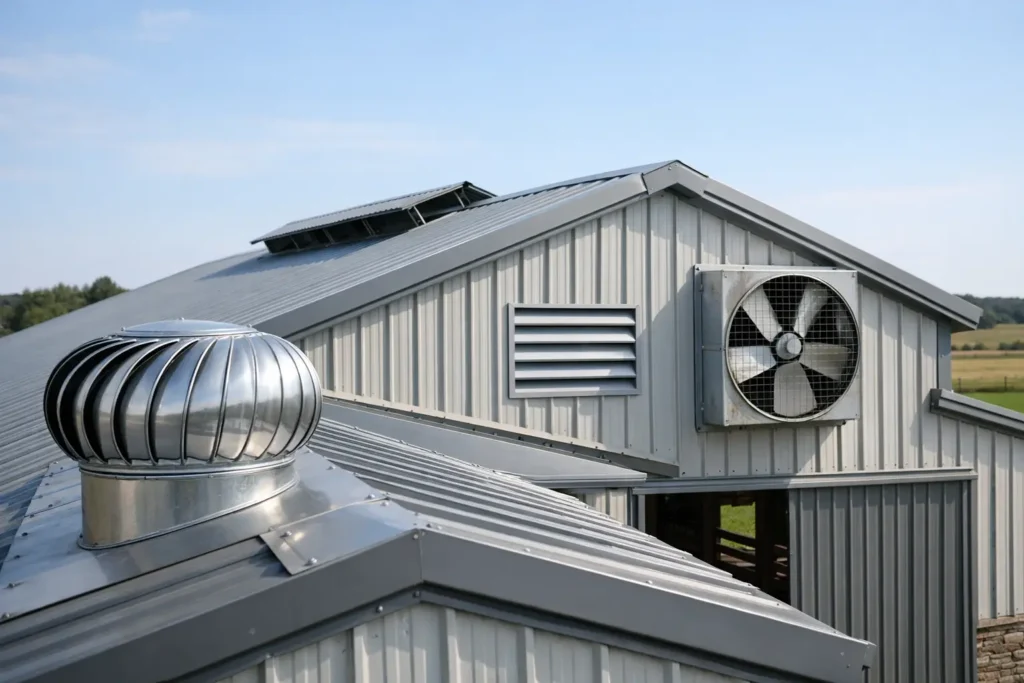
Ridge vents and roof ventilation
A ridge vent runs along the peak of the roof and allows rising hot air to escape naturally. Since heat collects at the highest point of the building, this is one of the most effective passive ventilation features you can add.
Ridge vents work especially well when paired with intake openings lower on the structure. That creates a natural flow where cooler air enters low and warmer air exits high. For many property owners, this is a practical starting point because it improves airflow without adding mechanical equipment.
That said, ridge ventilation is most effective when the building is designed around it. If there is not enough intake air coming in from the sides, the vent cannot do as much work as it should.
Gable vents
Gable vents are installed on the end walls near the roofline. They help release trapped hot air and improve cross-ventilation, especially in barns with open or partially open sidewall areas.
These vents are often a good fit for smaller barns, storage buildings, and structures where a simple, low-maintenance solution is the priority. They can help, but they usually do not move as much air as a well-designed ridge and intake system. For larger barns or high-moisture uses, they may need to be part of a broader plan rather than the only ventilation feature.
Wall louvers and side vents
Wall louvers let air enter and exit through the sidewalls while helping limit direct rain intrusion. They can be useful in enclosed barns that need more airflow but still want weather protection.
Placement matters here. A few vents in the wrong spots will not solve a heat or condensation problem. When sidewall ventilation is planned correctly, it supports steady airflow and helps reduce stagnant pockets inside the structure.
Open sides and partial enclosures
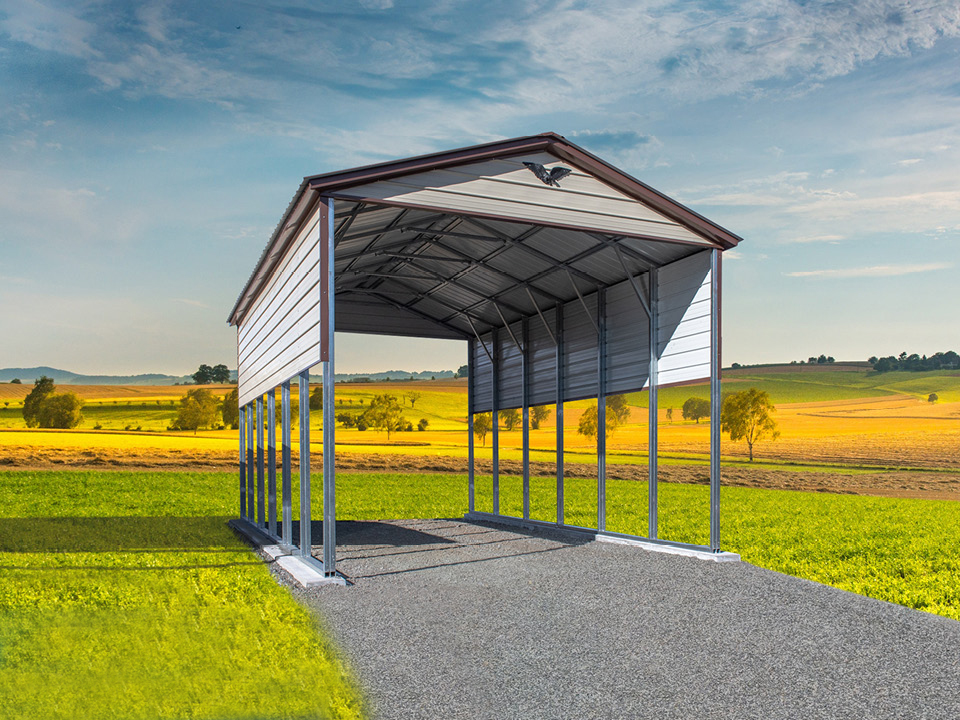
For agricultural barns, loafing sheds, and equipment covers, one of the best ventilation strategies is often the simplest one: keep part of the building open. Open-sided and partially enclosed metal barns allow constant air movement, which is ideal for livestock and helpful in warmer climates.
The trade-off is exposure. More airflow usually means less protection from wind-driven rain, blowing dust, and winter weather. That is why many buyers choose a layout with open bays, partially enclosed sides, or strategically placed panels instead of fully enclosing every wall.
Cupolas and vented roof features
Cupolas can add character to a barn, but they can also contribute to ventilation when designed for airflow. They are not typically the primary ventilation system in a working metal barn, but they can help release heat and support air movement near the roof.
For buyers who want a traditional barn look without giving up function, this can be a useful design upgrade. Still, cupolas should be viewed as supplemental in most cases, not the main solution.
Mechanical fans
Fans are useful when passive ventilation alone is not enough. This is especially true in barns with animals, workshop activity, high humidity, or limited natural airflow due to the building layout.
Exhaust fans pull stale air out, while circulation fans keep air moving inside. In some settings, that extra movement makes a major difference in comfort and moisture control. The drawback is ongoing power use and maintenance. If your barn can achieve strong passive ventilation through design, that is often the most cost-effective first step. Fans can then be added where needed rather than relied on for everything.
How to choose the right setup
The best metal barn ventilation solutions start with how you plan to use the building. A hay barn, horse barn, tractor storage building, and workshop do not have the same airflow needs.
If livestock will be inside regularly, ventilation should be a priority from day one. Animals generate heat, moisture, and ammonia, so steady air exchange is essential. If the barn is mainly for vehicle or equipment storage, the focus may be more on controlling condensation and preventing extreme heat buildup.
Climate also matters. In hot, humid regions, moving moisture out is a constant job. In colder climates, ventilation still matters, but you may need to balance airflow with weather protection so the barn stays usable year-round. A design that works well in one state may not be the best answer in another.
Building size and shape affect the outcome too. Taller barns often handle rising heat better than low-profile structures, but larger enclosed interiors may need more planned intake and exhaust points to keep air moving evenly.
Design choices that support better airflow
Ventilation is not only about adding vents. Several core building decisions affect how air moves through a metal barn.
Roof style can make a difference. Certain roof profiles support natural heat escape better than others, especially when ridge ventilation is included. Eave height matters too, since more vertical space can reduce the feeling of trapped heat and create more room for air circulation.
Door and window placement also plays a role. Large framed openings on opposite sides of the barn can improve cross-ventilation when conditions allow them to be opened. Even if they are not your primary airflow system, they can make the building more comfortable during daily use.
Insulation is another important piece. It does not replace ventilation, but it helps control temperature swings that contribute to condensation. In many barns, the best results come from combining airflow planning with the right insulation approach rather than relying on one or the other.
Mistakes to avoid
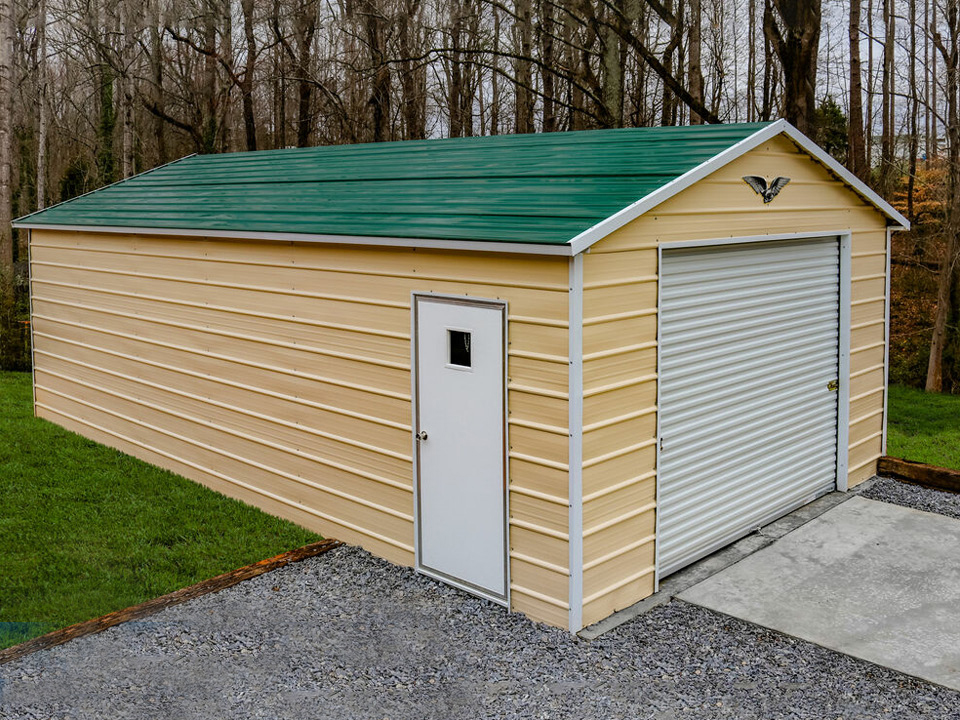
One common mistake is fully enclosing a barn without thinking through airflow. Buyers sometimes focus on security and weather protection first, then realize later that the building holds heat and moisture far more than expected.
Another issue is underestimating how much moisture the barn will produce. Livestock, wet equipment, stored materials, and even normal weather changes can all raise humidity inside the structure.
It is also easy to assume that one vent type will solve everything. In reality, good ventilation usually works as a system. Intake, exhaust, building layout, and daily use all need to work together.
Plan ventilation early, not after the install
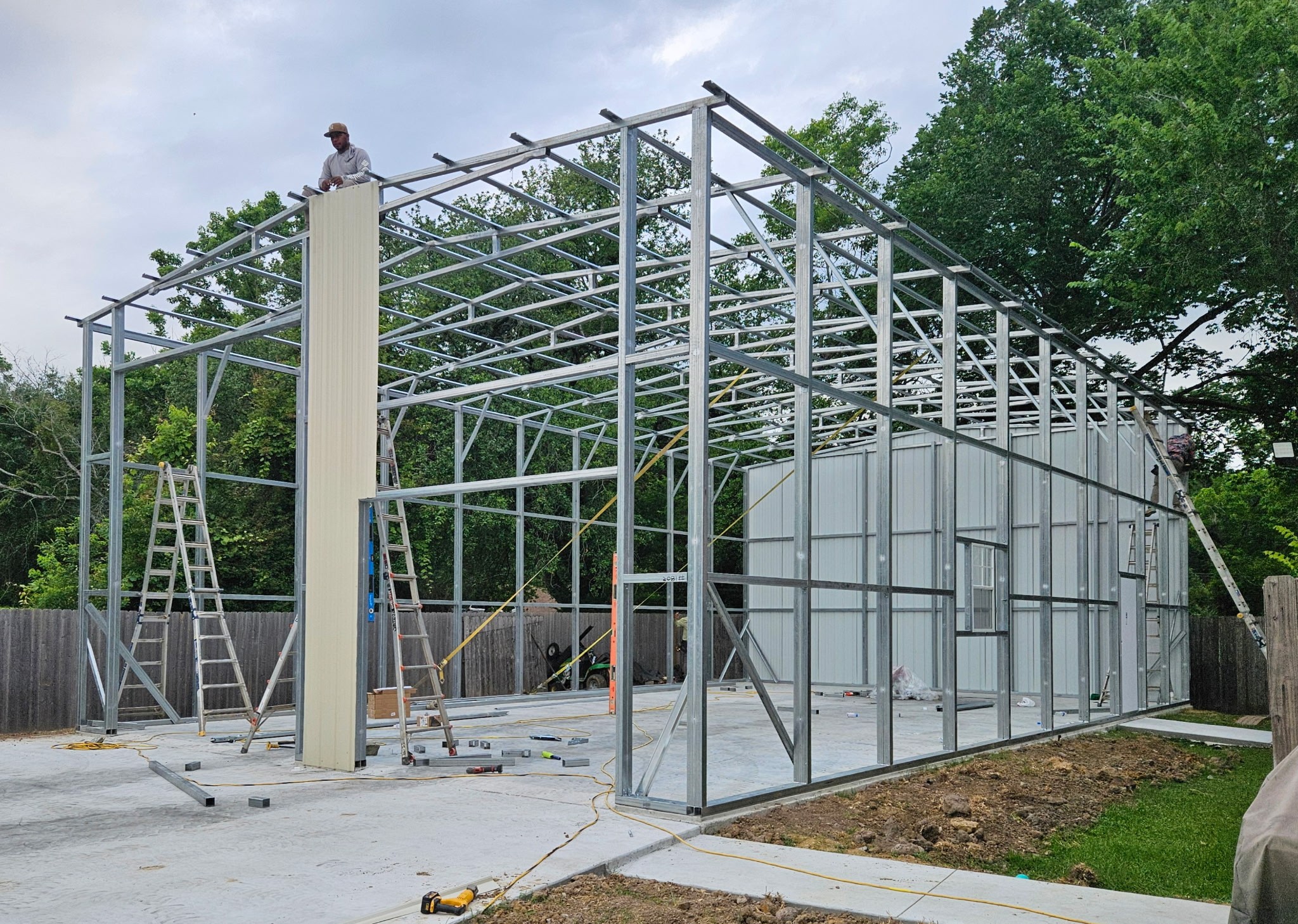
The easiest time to get ventilation right is while the barn is still being designed. Retrofitting vents, fans, or wall openings later can cost more and limit your options. When airflow is part of the original plan, the finished building is more comfortable, more useful, and better protected against long-term moisture problems.
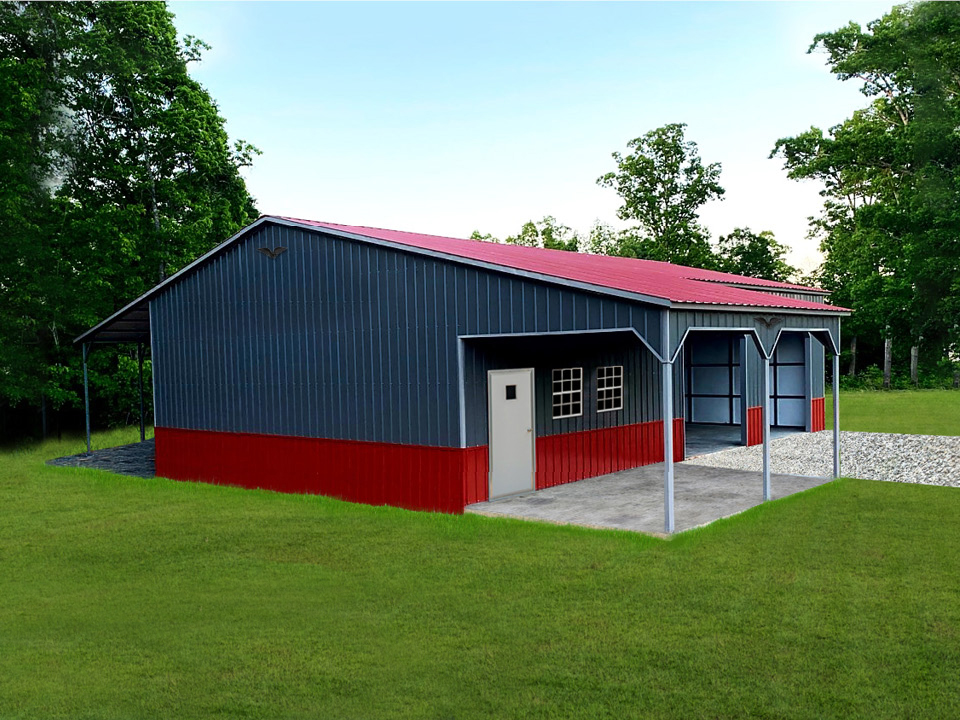
That is one reason custom design matters. A barn that stores machinery in one area, houses animals in another, and includes enclosed feed space should not be treated like a standard shell. The layout, openings, roof style, and ventilation features should match the way the building will actually be used.
At Essex Metal Buildings, that planning process starts before the order is placed, so buyers can think through real-world performance instead of patching problems later. The goal is simple: build a barn that works on your property, in your climate, and for the way you use it every day.
If you are pricing a new metal barn, think beyond width, length, and height. Airflow may not be the first feature you notice on a quote, but it can be the one that protects your investment long after installation day.