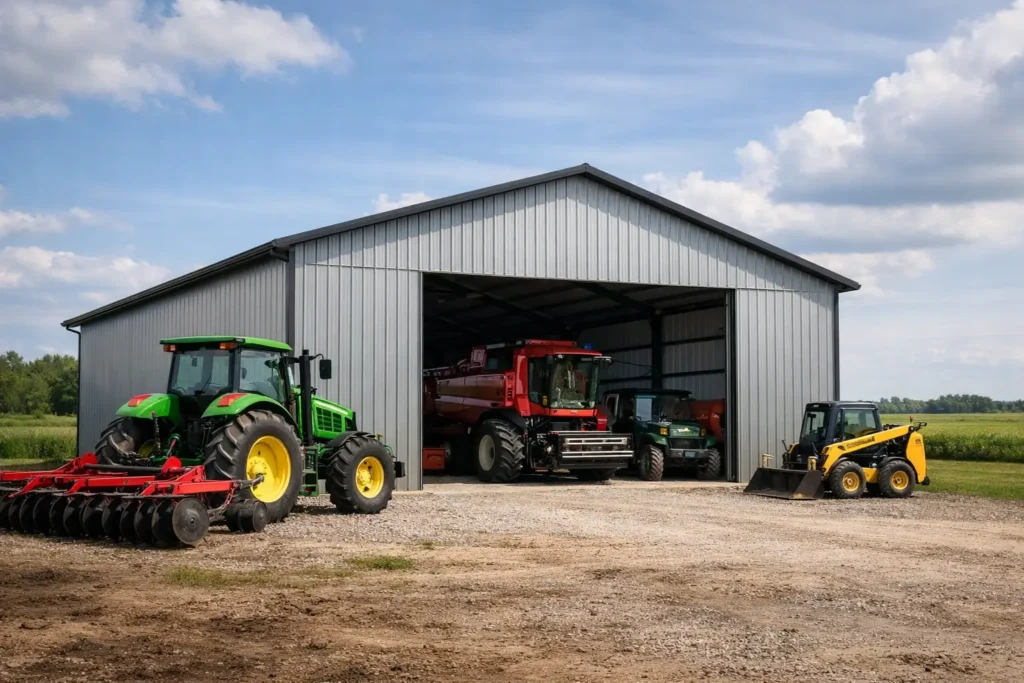
A tractor left in the weather ages fast. Sun bakes seats and hoses. Rain works into electrical connections. Wind-driven dust settles into every hinge, belt, and bearing. A well-planned metal barn for farm equipment gives you more than covered storage – it protects the machines you rely on and helps your property work better every day.
For many landowners, the real question is not whether equipment needs cover. It is what kind of building will actually fit the way they farm, maintain, and move equipment. A barn that looks good on paper can still become a daily frustration if the doors are too narrow, the clearance is too low, or the layout forces awkward parking. That is why the best buying decision usually starts with function first and square footage second.
What a metal barn for farm equipment needs to do
Farm equipment storage is rarely just about parking one machine under a roof. Most owners are protecting a mix of assets – tractors, implements, hay tools, side-by-sides, trailers, attachments, fuel tanks, and maintenance supplies. Some also want space to service equipment out of the weather or keep a dedicated bay open during harvest.
That changes the way you should think about the building. A good metal barn for farm equipment should match your equipment list, traffic flow, and local weather conditions. If you only size for what you own today, the building can feel cramped within a few years. If you overspend on features you do not need, you tie up budget that could have gone into better dimensions, stronger framing, or enclosed storage where it matters most.
The right answer depends on how your equipment is used. A property with one compact tractor and a few implements has very different needs than a row-crop operation storing wide attachments or a livestock property with feed handling equipment. The best buildings are not generic. They are configured around real use.
Start with equipment size, then add working room
The most common mistake is measuring equipment at rest and ignoring how it actually moves. A tractor with a loader or a cab may need much more vertical and turning clearance than expected. Implements also change the footprint. Rotary cutters, batwing mowers, tillage tools, and trailers can take up more room to park and reposition than buyers plan for at first.
A smarter approach is to inventory every machine you want under cover, then look at three dimensions: width, height, and maneuvering space. You need enough room to enter safely, park without inches to spare, and get back out without moving three other pieces of equipment first.
If you expect to add equipment later, build for that now if the budget allows. It is usually more cost-effective to choose a slightly wider or longer structure at the start than to outgrow it and need a second solution later. Even an extra bay or additional lean-to space can make a major difference in how usable the building feels over time.
Why door placement matters as much as building size
A large building can still be inefficient if access is poor. End openings are useful for straight pull-through parking. Side openings can be better when you need several machines parked in separate bays. The best layout depends on your site and traffic pattern.
Think about how equipment approaches the barn in wet weather, when visibility is lower, or when larger implements are attached. Wide, tall openings reduce stress and save time. They also reduce the chance of accidental scrapes to the building or the machine.
Picking the right barn style
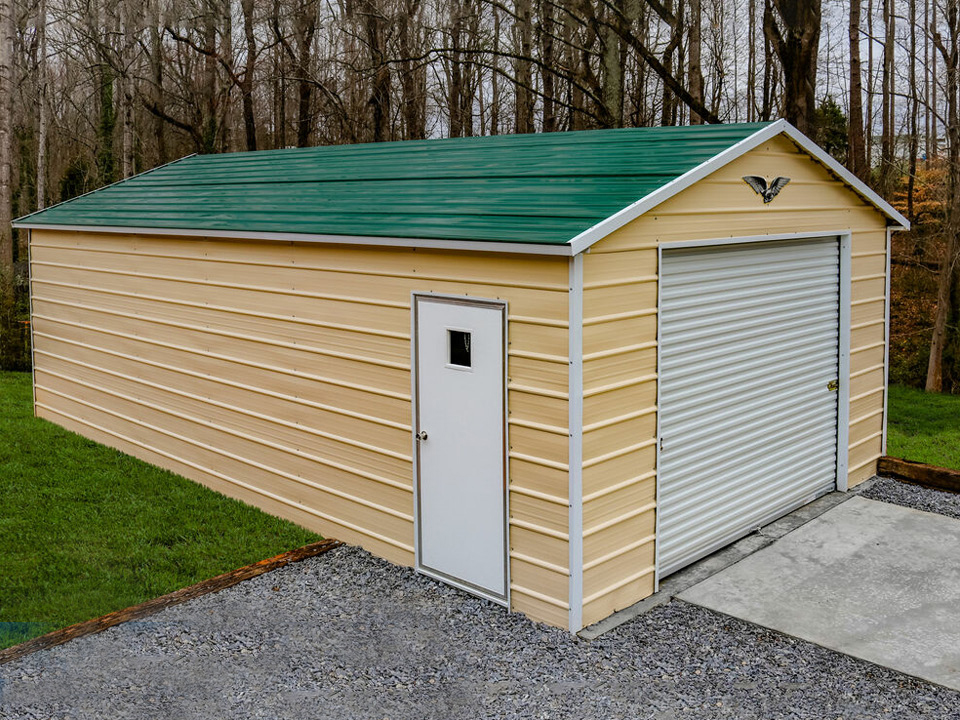
Not every farm equipment barn needs to be fully enclosed. Some buyers need basic roof coverage for larger equipment that is used often. Others want enclosed bays for theft deterrence, cleaner storage, and protection from blowing rain and snow. That is where customization really matters.
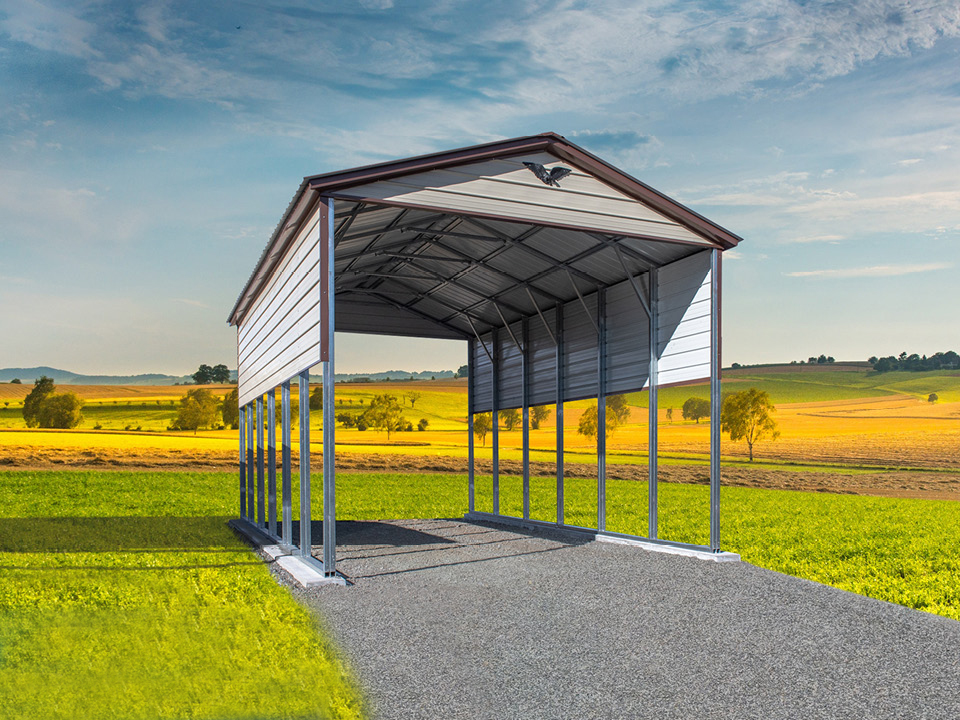
A partially enclosed barn can be a practical middle ground. It lowers exposure while keeping access fast. An open-front design may work well for frequently used tractors, utility vehicles, or hay equipment. A fully enclosed structure makes more sense for higher-value machines, tools, and materials that need stronger protection.
Roof style also matters. Vertical roof panels are often the better fit for larger agricultural buildings because they handle rain, debris, and snow more effectively than lower-tier options. In areas with harsher weather, stronger framing and proper anchoring are not upgrades to treat lightly. They are part of building something that lasts.
Enclosed versus open storage
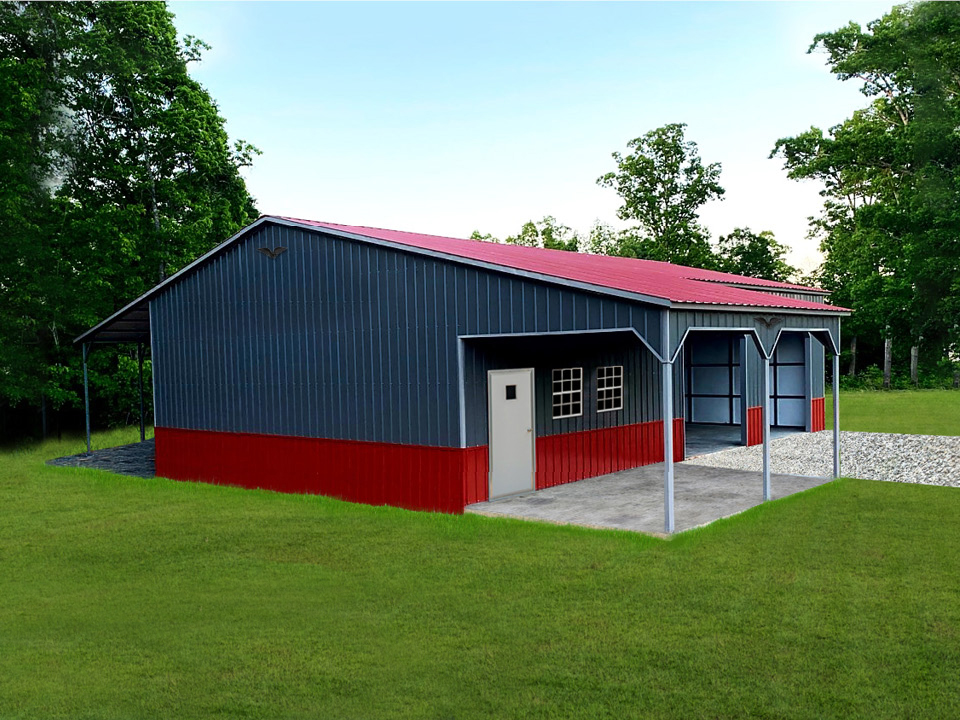
Open storage costs less and gives quick access, but it leaves equipment more exposed to drifting moisture, dust, and wind. Fully enclosed storage costs more up front, yet it can lower wear, improve security, and keep maintenance areas cleaner. If your budget falls in the middle, a mixed layout often works well – enclosed space for sensitive equipment and open bays for durable implements.
Site planning can make or break the project
Even the right building can underperform on the wrong site. Placement affects drainage, ease of approach, and future use. A low area that holds water can create muddy access and long-term foundation issues. A barn tucked too close to another structure may limit turning radius or make expansion harder later.
Look at the site during or after rain if you can. Think about trailer access, equipment turning paths, and whether delivery and installation crews will have enough room to do the job properly. Ground preparation is part of the building decision, not a separate afterthought.
Orientation matters too. Depending on your region, positioning openings away from prevailing weather can reduce rain blow-in and drifting snow. On hotter properties, placement can also affect how much afternoon sun hits enclosed walls and doors.
Custom features that add real value
A farm equipment barn does not need every upgrade available. It does need the right ones. Practical customization can improve daily use without overcomplicating the project.
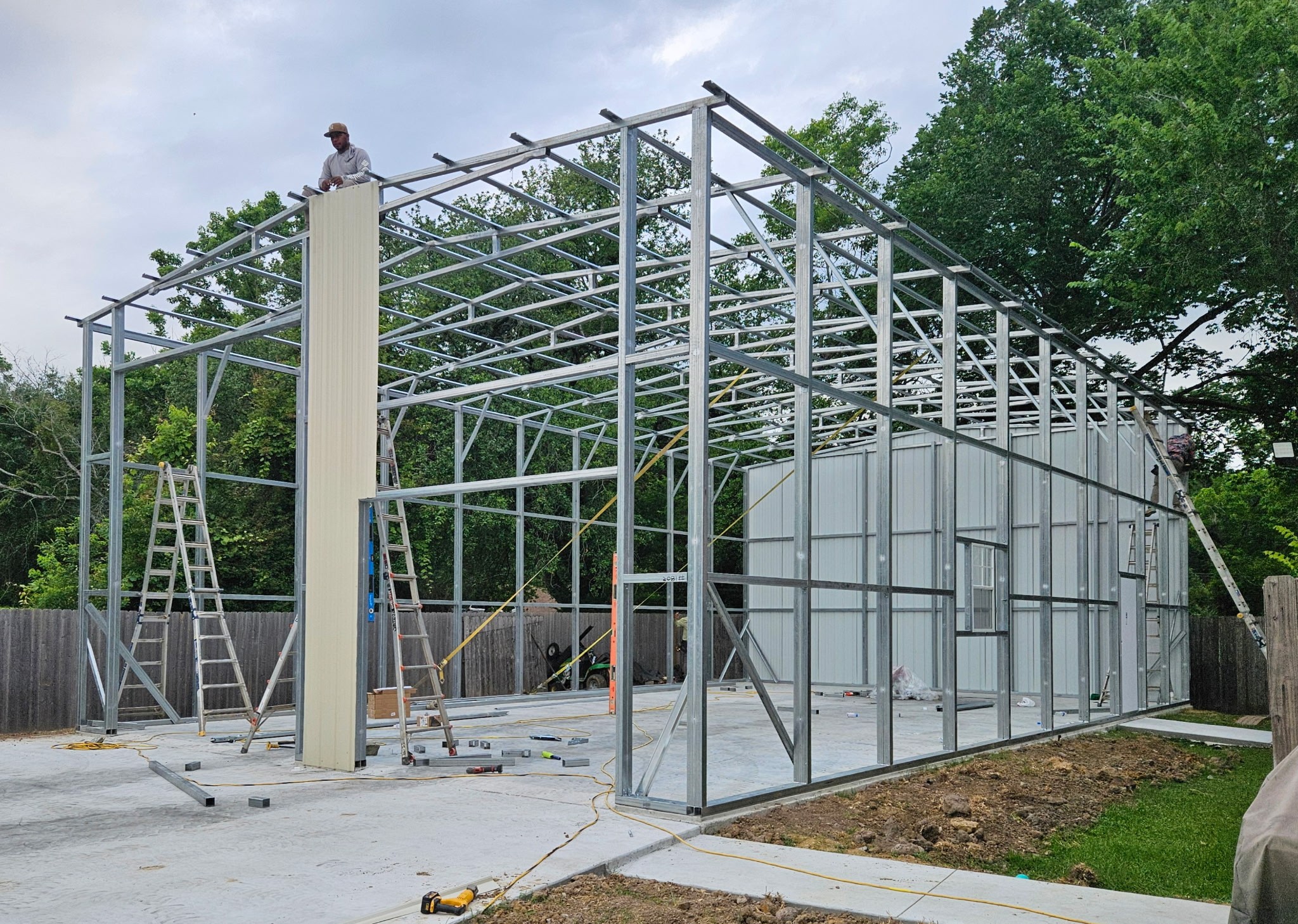
Common high-value choices include taller legs for larger machines, wider bay spacing, closed gables, side panels, framed openings, and multiple access points. If you plan to work inside the building, insulation, ventilation, and good lighting deserve attention early. If you want a true maintenance area, that should be accounted for in the floor plan from the beginning.
Some owners also want space for feed, tools, or supplies in the same structure. That can work well, but only if the layout separates parking from storage enough to keep access easy. A barn packed wall to wall with equipment and materials usually becomes less efficient than expected.
Budgeting without underbuilding
Most buyers have a target price in mind, and that is reasonable. The key is knowing where to save and where not to. Reducing size too aggressively, choosing inadequate height, or skipping needed enclosure often creates problems that stay with the building for years.
A better strategy is to prioritize the features tied directly to function and longevity. Get the dimensions right. Choose a roof style suited to your climate. Make sure the structure is engineered for your location. Then look at optional features that can be phased in if needed.
Financing can also change what makes sense. If a slightly larger or better-configured building solves the problem properly, spreading cost over time may be more practical than buying too small and replacing it later. For many property owners, that is the difference between a short-term fix and a structure that keeps serving them season after season.
Why a guided buying process helps
Buying a custom building is easier when someone helps you think through measurements, access, layout, and site conditions before you commit. That is especially true if this is your first time ordering a made-to-order steel structure.
A company with a strong design process can help you compare options clearly instead of guessing from a stock model. Tools that let you configure dimensions, roof style, panels, and openings are useful, but expert input still matters. Sometimes a small layout adjustment saves you far more frustration than a discount ever would.
That is one reason buyers appreciate working with a team like Essex Metal Buildings. The process is built around customization, transparent pricing guidance, and support from design through delivery and installation, which makes it easier to choose a building that fits the property instead of forcing the property to fit the building.
The best metal barn for farm equipment is the one you can use easily
The strongest sign that you chose well is simple: parking equipment feels easy, access is safe, and the building supports your routine instead of slowing it down. If a barn protects your investment, fits your machines, and leaves room for the way your operation grows, it is doing its job.
Before you settle on a model, take one more look at your largest equipment, your busiest season, and your site conditions. Those details usually tell you what the right building should be.