A barn looks simple from the outside. Inside, the layout decides whether it saves you time every day or creates problems you keep working around. That is why custom steel barn layouts matter so much. The right plan makes feeding, parking, storing, cleaning, and moving equipment easier from day one.
Most buyers start with width and length, then add doors and call it done. That approach can work for basic storage, but it often falls short when the building needs to do more than one job. If your barn will house tractors, hay, tools, animals, trailers, or a workshop area, layout needs to come before cosmetic choices.
Why custom steel barn layouts matter
A barn is a working structure. Every bay, aisle, opening, and partition affects how the space performs. When the layout is planned around your property and your daily routine, you get more use from the same square footage.
That can mean wide center clearance for equipment, side storage that stays dry and accessible, or a stall area that keeps animals separated from vehicle traffic. It can also mean planning for future use. A buyer who needs open storage today may want enclosed workspace or tack storage later. A custom layout gives you room to adapt without replacing the building.
Steel barns are especially well suited for this because they are flexible in span, height, and enclosure options. You are not stuck forcing your needs into a one-size-fits-all footprint. You can shape the building around the way you actually use your land.
Start with function, not just dimensions
Before you compare roof styles or trim packages, think about what needs to happen inside the barn every week. A good layout starts with use cases, not generic measurements.
If you are storing farm equipment, ask what the largest piece needs for clearance, turning, and door access. If you are keeping horses or livestock, think about stall placement, airflow, wash areas, feed storage, and how people move through the building safely. If the barn will be part storage and part workshop, decide how much enclosed area you need versus open shelter.
This is where many property owners save money by planning well. A slightly wider building with better traffic flow may work better than a longer building with awkward dead space. On the other hand, if your main goal is covered parking for trailers and implements, an open-center aisle with lean-tos may be the smarter spend.
The most common barn layout types
There is no single best barn layout. The right choice depends on what you need to protect, how often you access it, and how your site is set up.
Center aisle layouts
A center aisle layout works well when you need a main drive-through or walk-through path with usable space on both sides. This is a popular option for horse barns, equipment barns, and mixed-use agricultural buildings. It keeps movement organized and makes it easier to separate storage areas from active work zones.
The trade-off is that the aisle takes up dedicated square footage. If your budget is tight and you do not need regular pass-through access, that space might be better used elsewhere.
Open span layouts
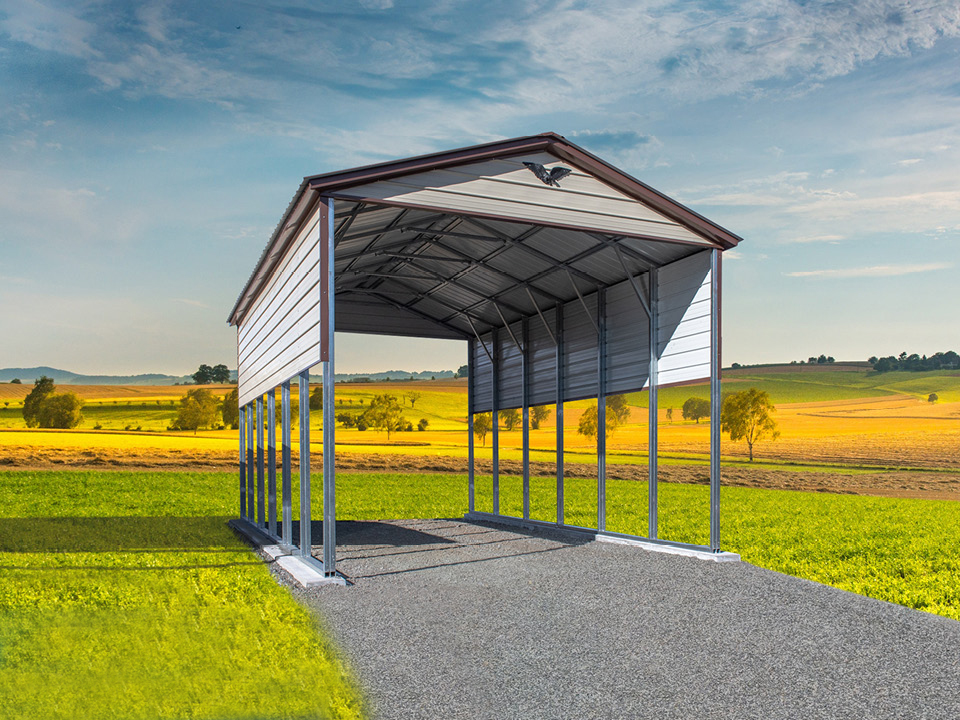
An open span layout leaves the interior mostly unobstructed. This works well for tractors, RVs, boats, hay storage, and multipurpose use where flexibility matters more than division. It also gives you more freedom to change the setup later.
The downside is organization. Without defined zones, tools, feed, and smaller items can start taking over the space. If you choose open span, it helps to plan shelving, wall storage, or a separate enclosed room from the start.
Barns with lean-tos
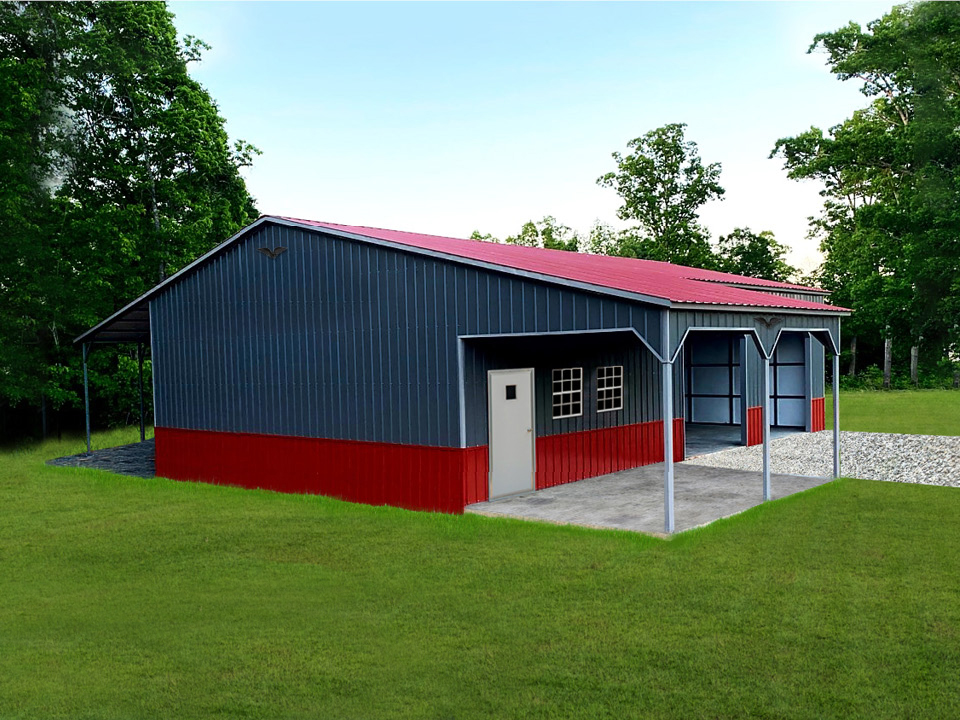
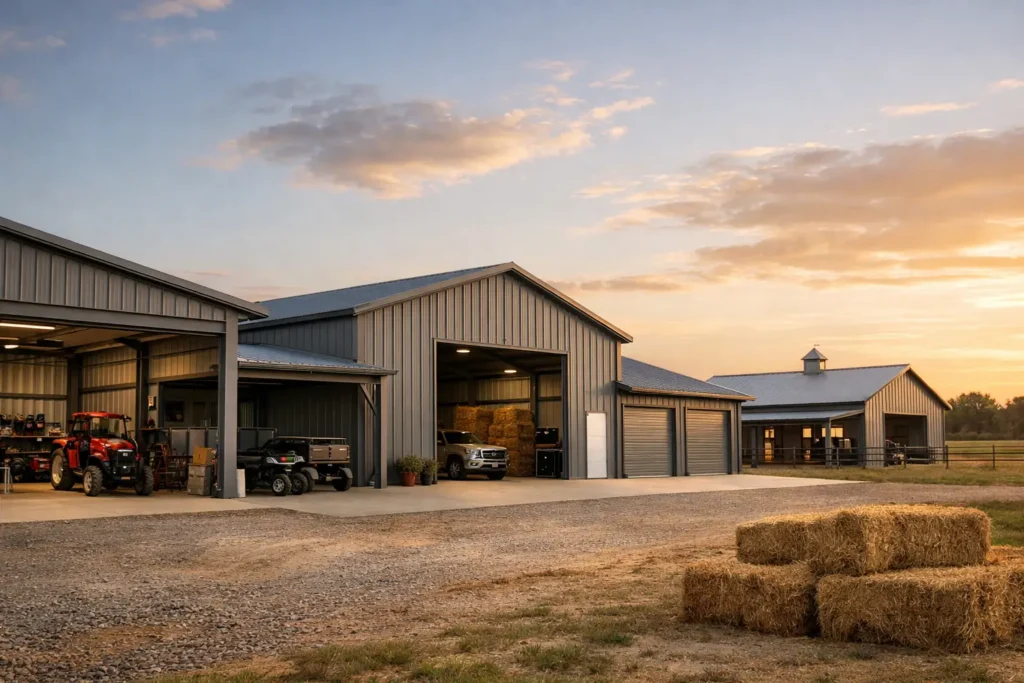
A main enclosed section with one or two lean-tos can be a very practical layout. The center portion can hold equipment, feed, or a workshop, while the lean-tos cover trailers, animals, or overflow storage. This setup often gives you more functional use without fully enclosing every square foot.
It is a strong option for rural properties that need a mix of protection and open access. Just make sure the lean-to height and width match what you plan to store there.
Layout decisions that affect daily use
Good custom steel barn layouts are built around movement. You want to think about how trucks pull in, how trailers back up, where mud collects, and how often certain items are accessed.
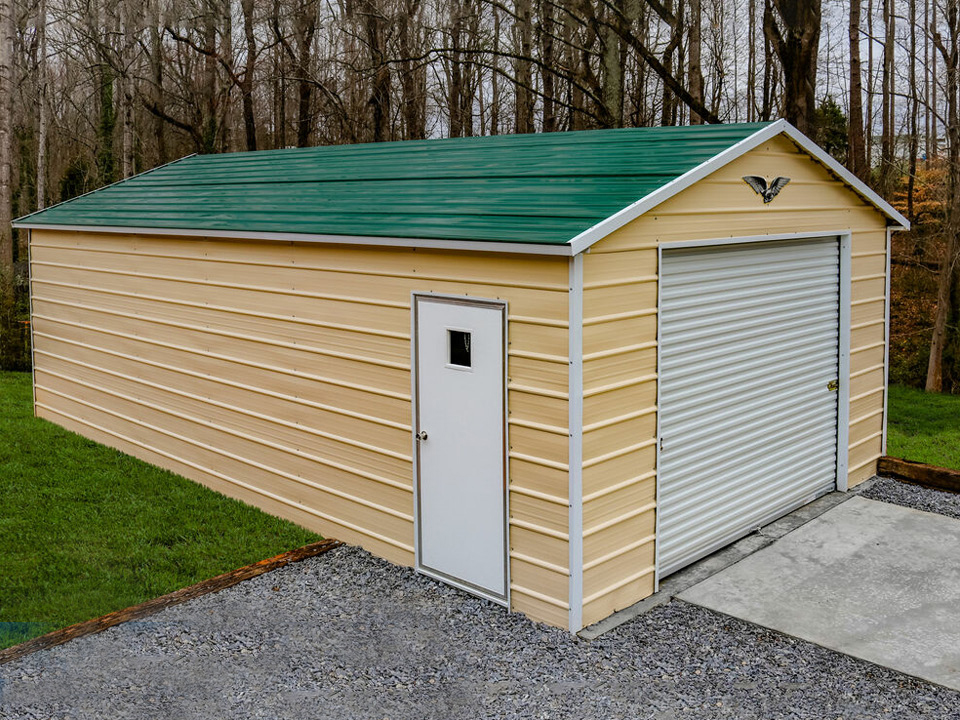
Door placement matters as much as door size. A large roll-up door on the wrong wall can still create a frustrating approach angle. Walk-in doors should support the way you actually enter the building, not just fill an empty wall. If you will be carrying feed, tools, or parts in and out often, small access points become a big quality-of-life issue.
Height is another detail people underestimate. It is not just about whether your equipment fits. It is also about lift clearance, stacked storage, ventilation, and how comfortable the building feels when used as a workspace. Going taller can improve flexibility, but only if the rest of the layout still supports your use.
Interior zones are worth planning early. Even in a simple barn, it helps to separate high-traffic areas from long-term storage. Equipment that moves weekly should not be trapped behind items that stay parked for months. Livestock areas should not force you to carry feed through vehicle lanes. These small choices add up fast.
Matching the layout to your property
A barn does not sit in isolation. Site conditions should shape the layout from the beginning.
If your access road is narrow, your best layout may not be the one that looks best on paper. If the pad location limits turning radius, a side-entry setup may work better than an end-entry design. If your property gets strong sun on one side or prevailing weather from a certain direction, opening placement and overhang coverage start to matter more.
Drainage is another practical factor. Water runoff around the barn affects entrances, animal areas, and long-term usability. A smart layout accounts for grading and access so you do not end up with muddy bottlenecks around the doors.
For residential and mixed-use properties, it also makes sense to think about how the building relates to your home, driveway, and neighboring structures. You may want faster access from the house, cleaner sight lines, or a layout that keeps work activity away from living areas.
Features worth planning early
The layout should include more than open floor space. A few built-in features can make the structure far more useful.
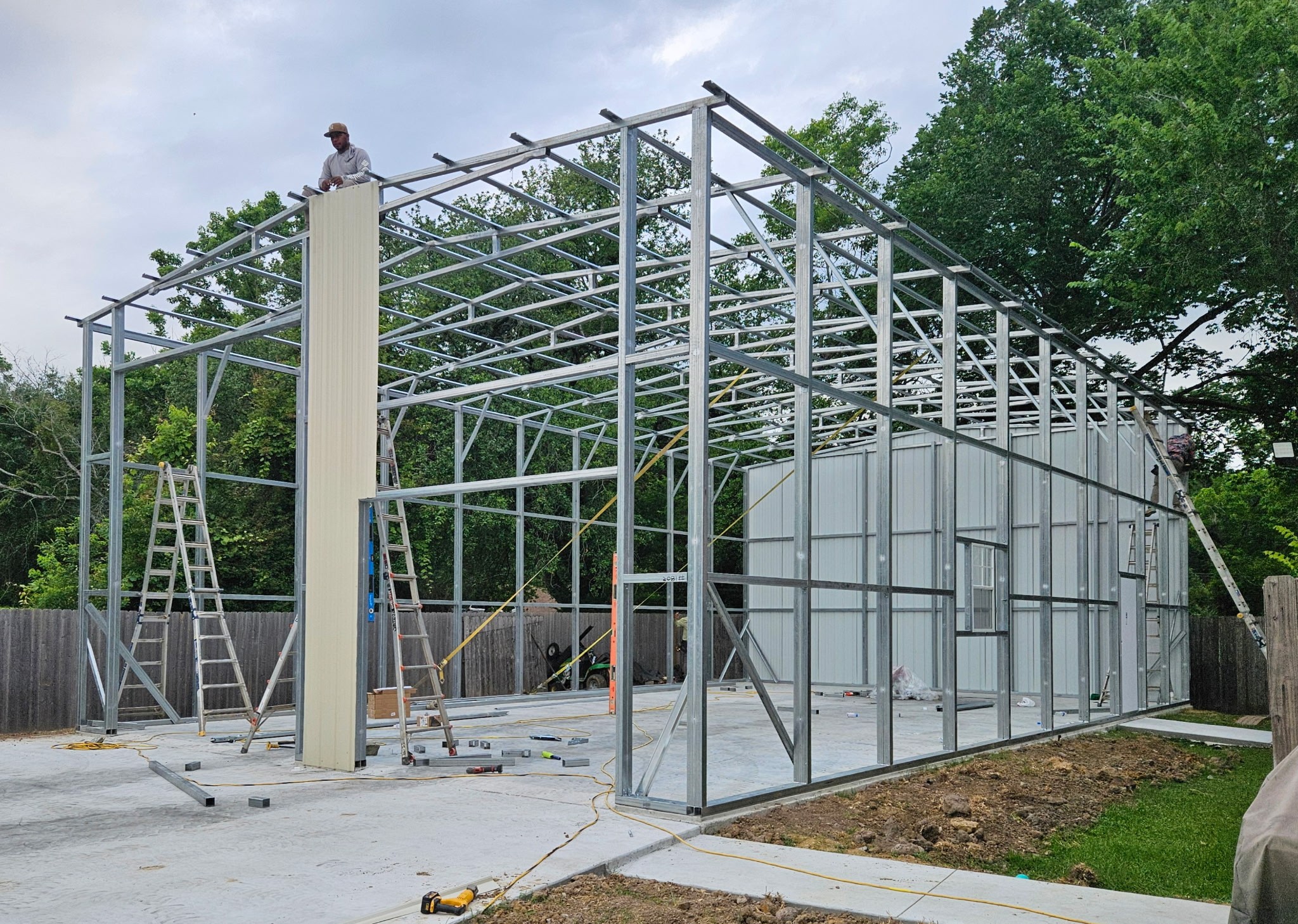
Frame-outs for windows and doors help define where natural light and daily access will be most valuable. Enclosed rooms can create secure storage for tools, tack, or supplies. Partitions can organize animals or separate work zones. Insulation, if needed, should be considered while planning the building rather than as an afterthought.
If you expect your needs to grow, design for expansion now. That might mean placing doors where a future addition will still make sense or choosing a footprint that allows the building to evolve with your property. Good planning keeps you from outgrowing the barn too quickly.
How to avoid layout mistakes
The most common mistake is copying someone else’s setup without considering your own routine. A layout that works for horse stalls may be inefficient for tractors and hay. A storage-heavy design may frustrate you if half the building will be used as a shop.
Another mistake is underestimating clearance. Buyers often measure what they own now but forget future purchases, trailer angles, or extra room needed to move safely. Tight layouts can look efficient on paper and feel restrictive in real life.
It also helps to avoid overbuilding areas you will not use. Fully enclosing every section sounds appealing, but if part of the building only needs cover from sun and rain, an open or partially enclosed design may be the better value.
A better way to plan before you buy
The smartest approach is to sketch your workflow before you finalize your building. Think through where vehicles enter, where supplies go, what needs to stay enclosed, and what needs open access. Once that is clear, dimensions and features become easier to choose.
This is where working with a team that understands both building design and real-world use can save time and money. Tools like a 3D design studio make it easier to test custom steel barn layouts before you commit, which helps catch spacing issues early and gives you more confidence in the final plan. For buyers who want flexibility without confusion, that kind of support matters.
A barn should fit the way you work now and still make sense a few years from now. If you plan around movement, access, and actual day-to-day use, the building will do more than look right on your property. It will earn its place every time you pull in, gear up, and get to work.