

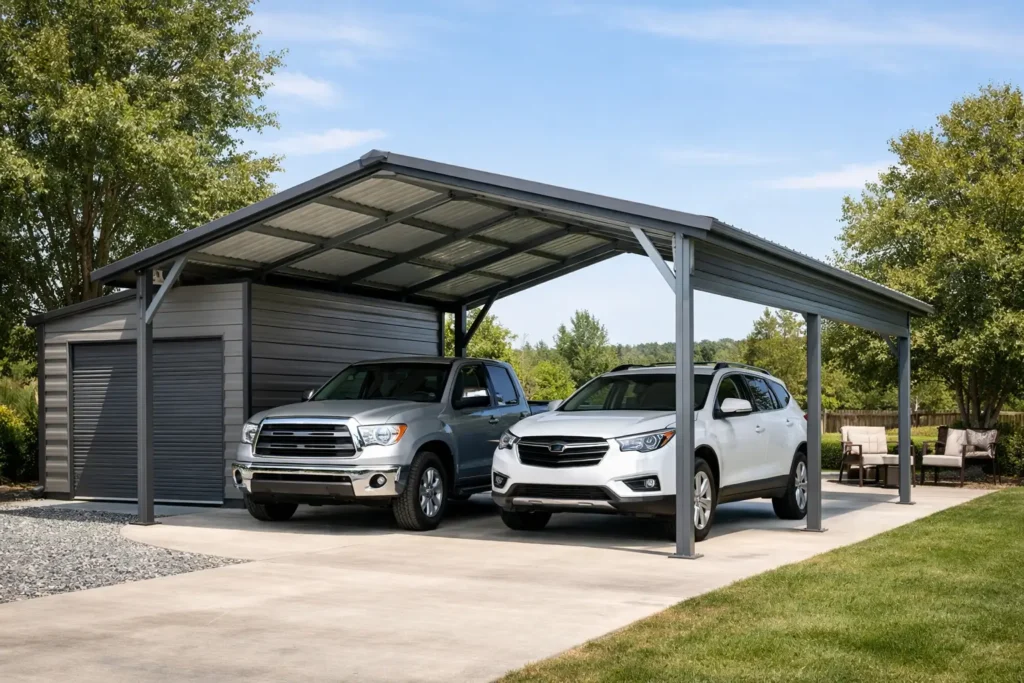
A carport that looks good on paper can still fail on your property. The usual problems show up fast – a roof that is too low for your truck, not enough coverage at the doors, weak placement for drainage, or side panels that block the wrong wind. If you are figuring out how to design metal carport options that actually work long term, the best place to start is not color or trim. It is how you use the structure every day.
A well-designed metal carport should protect your vehicles, fit your site, and make sense for your budget. It should also leave room for real life. People upgrade trucks, buy campers, add trailers, store equipment, or decide later that one enclosed side would make a big difference. Good design gives you what you need now without boxing you in later.
Start with use, not just size
The first question is simple: what exactly will live under the carport? A compact sedan needs far less clearance than a lifted pickup, a boat, or an RV. If you are covering two vehicles, think beyond parking width. You need door swing space, walking room, and enough roof coverage so rain does not blow in from the edges.
This is where many buyers undersize the structure. A carport might technically fit two vehicles, but if you have to park perfectly every time or squeeze out of the driver-side door, it is not the right design. For most properties, it makes sense to plan around the largest vehicle you own and add a little room for convenience. That extra space usually pays off in easier access and better protection.
If the structure may do double duty – vehicle cover today, equipment storage tomorrow – design for that from the beginning. A slightly taller frame or wider footprint is much easier to choose now than to regret later.
How to design metal carport dimensions that work
Width, length, and leg height all matter, but they solve different problems. Width affects how comfortable the structure feels day to day. Length determines how much front and rear coverage you get. Height controls whether your vehicle clears safely and whether the roofline looks balanced on your lot.
For standard passenger vehicles, moderate dimensions may be enough. For trucks, SUVs, tractors, trailers, and RVs, clearance becomes the key issue. Measure your tallest vehicle at its highest point, including racks, lights, or AC units, then allow extra room. That margin matters because a carport should feel easy to use, not tight.
Length is often overlooked. If your hood or trailer tongue sticks beyond the roofline, the structure is not protecting what you paid for. In windy rain, short coverage can leave the front or back exposed even when the vehicle technically fits.
If you are between sizes, the better choice is usually to go up rather than down. The price difference is often smaller than the inconvenience of a cramped layout.
Match the roof style to your climate and goals
Roof style affects both appearance and performance. The right choice depends on your weather, your budget, and how polished you want the finished structure to look.
Regular roofs are typically the most economical. They can work well in milder climates and for buyers focused on basic coverage. The trade-off is that they are generally less effective in handling heavier rain, snow, or debris over time.
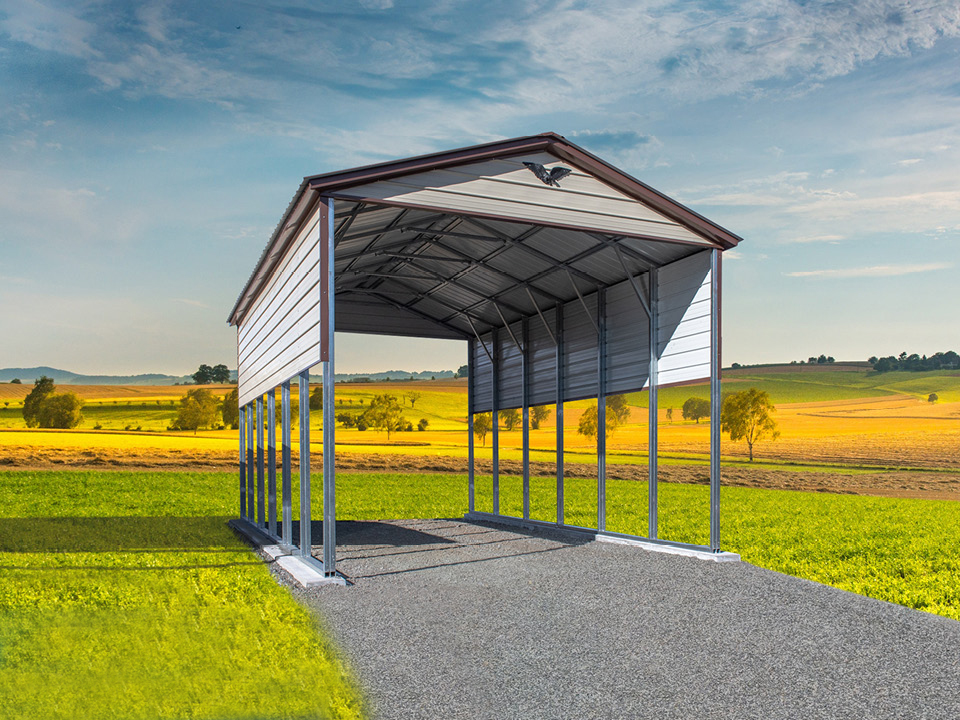
Boxed-eave roofs give a more traditional look and a cleaner roofline. They are often chosen when appearance matters and the carport is close to the home. Vertical roofs are usually the strongest all-around option for areas with frequent rain, snow, or leaves because water and debris shed more efficiently. They also tend to look more finished on larger structures.
If your property sees tough weather, this is not the place to cut corners. A lower upfront price can lose its appeal quickly if the roof style is not suited to your environment.
Think carefully about placement on your property
Even the best carport design can underperform if it sits in the wrong spot. Site layout affects drainage, wind exposure, access, and installation.
Choose a location with enough room to approach, park, and back out without stress. That sounds obvious, but a carport placed too close to a fence, driveway edge, or outbuilding can become frustrating fast. You also want to pay attention to slope. Slight grading can be manageable, but poor drainage around the base can lead to mud, erosion, and standing water.
Wind direction matters too. If storms usually hit from one side, partial side panels or a gable end can improve protection. If the site is wide open, orienting the structure to reduce direct weather exposure may make a real difference. This is one of those details that depends on your property. A design that works on a suburban driveway may not be the right fit for open rural land.
Choose frame strength based on local conditions
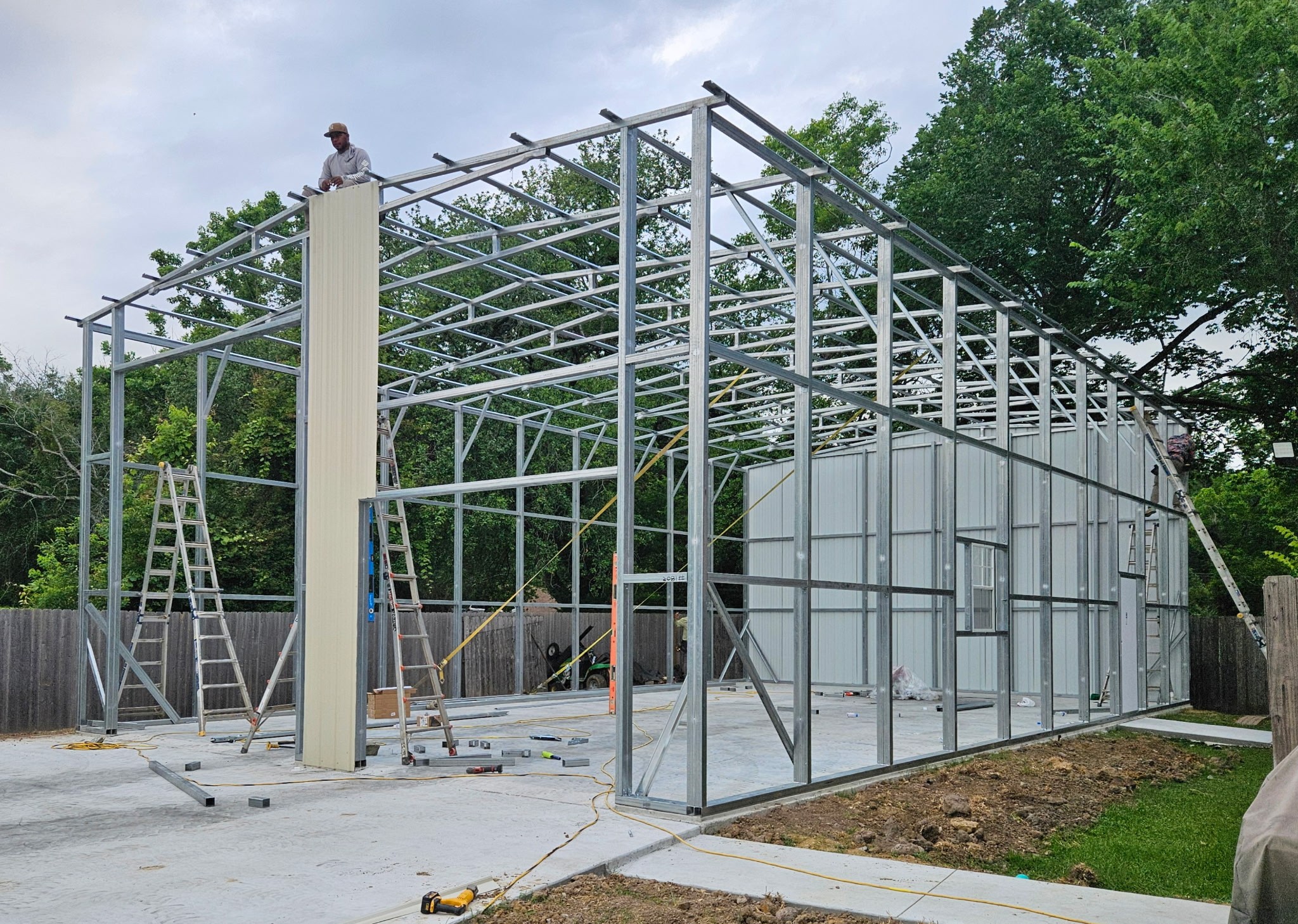
A metal carport is only as dependable as the system behind it. Gauge, framing details, anchors, and certifications should all match where the building will be installed.
In areas with stronger winds or snow loads, you may need a more heavy-duty setup. That can include tighter framing spacing, stronger components, and engineered certification requirements. Buyers sometimes focus on roof style and forget that structural strength is just as important.
This is where working with a knowledgeable team helps. You want a carport designed for your region, not a generic setup that ignores local weather demands. Essex Metal Buildings helps customers sort through these choices so the structure is built around real conditions, not guesswork.
Decide how open or enclosed the carport should be
Not every carport needs to be fully open. In many cases, adding panels or enclosed sections makes the structure far more useful.
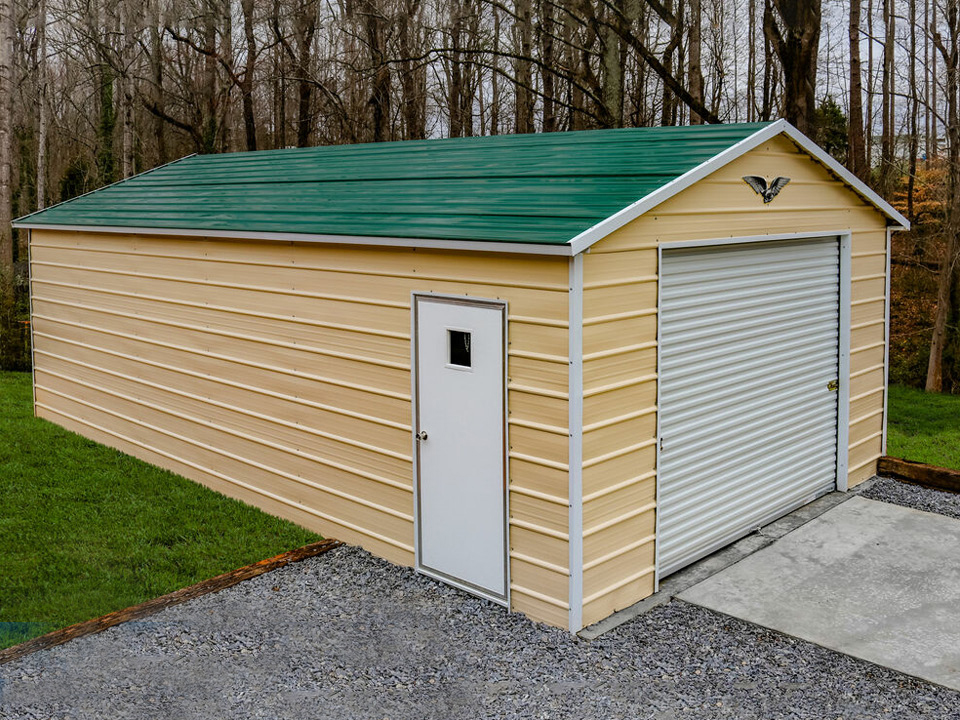
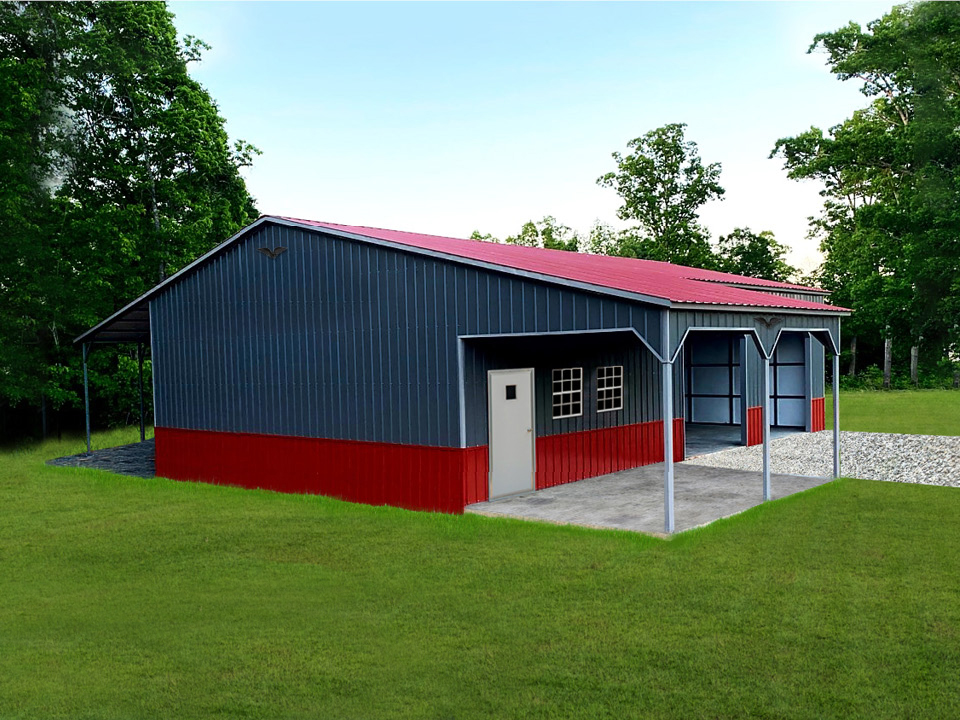
A roof-only carport gives simple overhead coverage and easy access. That works well if your main goal is protecting vehicles from sun, rain, or light weather. Adding side panels can block prevailing wind and reduce rain blow-in. A gable end can protect the front or rear. Fully enclosed sides create a more sheltered feel and can make the carport function more like a canopy garage.
There is a trade-off here. More panels usually mean more protection, but they can also change airflow, access, and price. If you want the structure to stay open and easy to drive through, too much enclosure may work against you. If weather protection is your top priority, open sides may leave too much exposed.
Don’t treat appearance as an afterthought
A metal carport is a utility structure, but it still becomes part of your property. The roof profile, trim, and color choices affect how well it fits next to your home, barn, shop, or business.
If the carport sits in a visible location, matching the surrounding buildings can make the whole property look more intentional. That does not mean you need a complicated design. Clean proportions and coordinated colors usually do more than extra decorative details.
Practical design and curb appeal are not opposites. In many cases, the same choices that make a carport look better – right sizing, balanced height, a well-suited roofline – also make it perform better.
Plan for foundation and anchoring early
You should know what surface the carport will sit on before you finalize the design. Gravel, concrete, asphalt, and level ground all affect anchoring options and long-term performance.
Concrete often gives the cleanest finish and strong support, especially for larger or more permanent installations. Gravel can work well too, particularly for rural properties, but site prep matters. If the base is uneven or poorly compacted, the carport may not sit the way it should.
Foundation planning is not the most exciting part of the process, but it is one of the most important. A strong structure needs a reliable base.
Design for today, but leave room for tomorrow
The best answer to how to design metal carport projects is usually not the smallest or cheapest option. It is the one that solves the current need without creating a new problem a year from now.
Maybe that means choosing taller legs because your next vehicle may be bigger. Maybe it means adding a side panel on the weather side, or selecting a vertical roof because your area gets hard rain. Maybe it means widening the structure just enough to make parking easier every single day.
A custom carport should feel like it belongs on your property and fits the way you live. When you design around use, climate, placement, and structure quality, you end up with more than a cover. You get a dependable part of your property that works hard from day one.
If you are still weighing options, that is normal. The smartest next step is to sketch out your space, measure your vehicles carefully, and build from the real conditions you have – not the generic setup someone else chose.