A garage can look simple on paper – four walls, a roof, a door – until you start pricing one out and realize every choice affects cost, strength, and how well the building fits your property. That is exactly why a metal garage buying guide matters. The right building should protect your vehicles and equipment, fit your daily use, and hold up for years without making you pay for features you do not need.
For many buyers, the biggest mistake is shopping by price alone. A low number can be appealing, but it does not tell you whether the frame is strong enough for your area, whether the dimensions are practical, or whether installation, certification, and upgrades are included. A smarter approach is to start with how you plan to use the garage, then match the structure to that job.
What to decide before you request a quote
The first question is not what style you like. It is what needs to go inside. A single pickup, a boat, lawn equipment, a side-by-side, and a workbench all need very different layouts. If you want a garage that works long term, think beyond what you own today and include what you are likely to store later.
Width and height are where buyers most often come up short. A building may technically fit a vehicle, but that does not mean the doors are comfortable to use or that you have space to open a truck door, move around tools, or back in with confidence. If you own lifted trucks, trailers, tractors, or RV-sized equipment, overhead clearance matters just as much as floor space.
You should also decide whether the garage is strictly for storage or if it needs to function as a workshop. A storage-focused garage can stay relatively simple. A workspace usually needs more height, better access, upgraded doors, added ventilation, and in many cases insulation or closed sides to make the building more useful year-round.
Metal garage buying guide: size, layout, and use
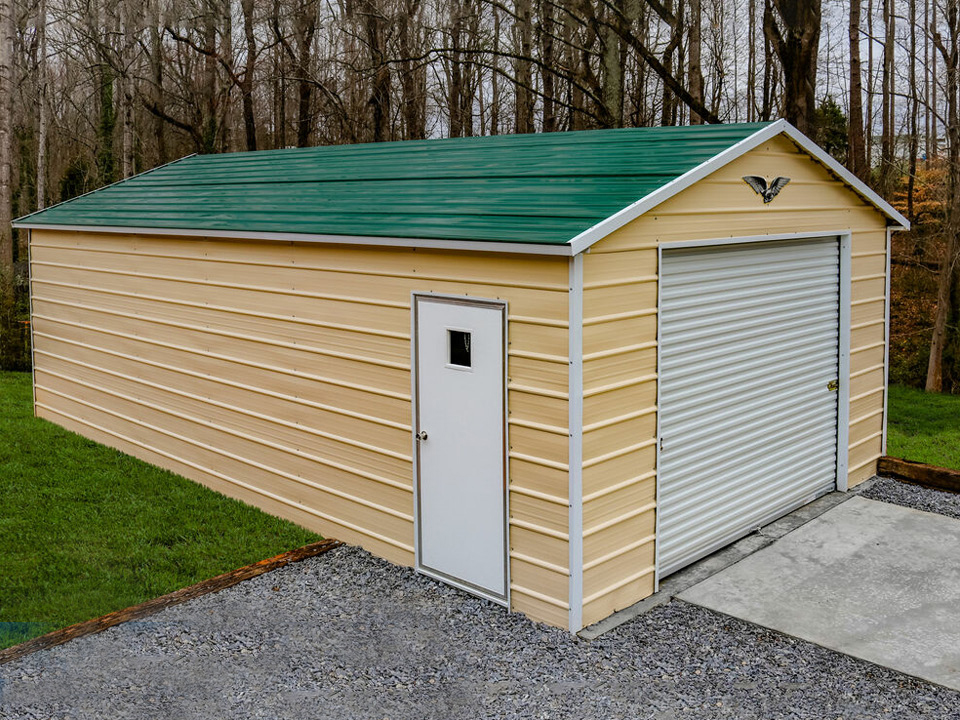
A practical metal garage buying guide starts with matching common building sizes to real-world needs. A one-car garage may work for basic vehicle protection, but many property owners quickly outgrow it once tools, shelves, and seasonal equipment start competing for the same space. Two-car and three-car garages give you more flexibility, especially if one bay will eventually become storage or shop space.
The layout matters as much as the square footage. Front-entry designs are familiar and easy for most residential properties, but side-entry layouts can work better on wider lots or when traffic flow is awkward. If your property has fencing, narrow drive access, or a slope that affects approach angles, door placement should be part of the plan from the start.
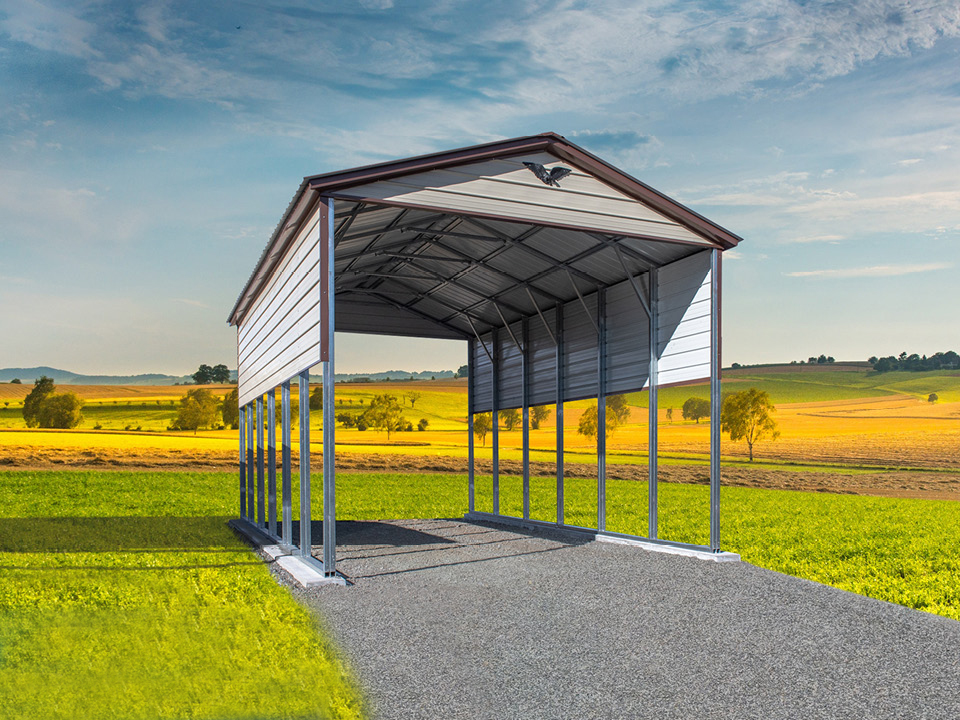
Think carefully about enclosed versus partially enclosed designs too. A fully enclosed metal garage offers stronger protection against weather, theft, and debris. A partially enclosed building can reduce cost, but it may not give you the level of security or year-round usability you expect. It depends on whether your priority is basic cover or true enclosed storage.
Roof style is not just about appearance
One of the biggest choices in any metal garage buying guide is the roof. Buyers often compare regular, boxed-eave, and vertical roof styles, and the right fit usually depends on weather, budget, and the look you want.
A regular roof is typically the most economical option. It can work well in milder conditions, but it is not always the best choice for areas with heavier rain or snow. A boxed-eave roof gives a more traditional appearance and can improve water runoff, which makes it a popular upgrade for residential settings.
A vertical roof is usually the strongest long-term choice, especially if your area deals with snow loads, heavy rain, or falling debris from nearby trees. It also helps moisture, leaves, and dirt move off the panels more effectively. That added performance can justify the higher upfront cost if you want a garage built for tougher conditions and easier maintenance.
Frame strength, panel gauge, and certification
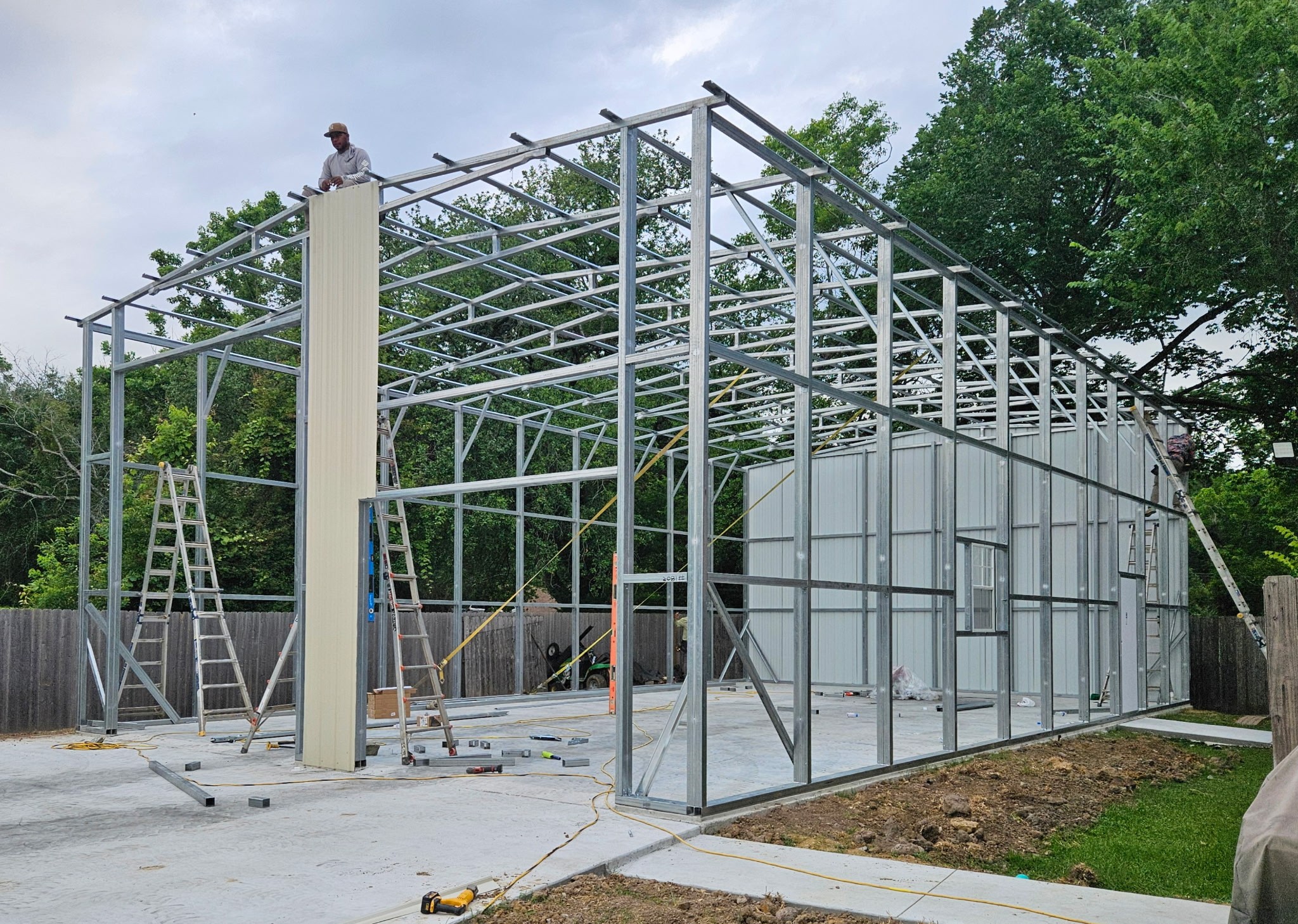
This is where quality differences become more important than most first-time buyers expect. Not all metal garages are built the same, even if they look similar in photos. Steel gauge, frame design, anchoring, and engineering standards all affect how the building performs over time.
Lower cost structures may use lighter components that are fine for some situations but not ideal for every site. If your area has wind exposure, snow requirements, or strict local code enforcement, ask about certified options and load ratings. A garage that meets your local expectations from the beginning can save time, money, and frustration later.
Panel gauge also deserves attention. Thicker steel generally offers better resistance to damage, but not every buyer needs the heaviest option available. The right choice depends on local conditions, intended use, and budget. Paying for more strength than you need is not always efficient, but underbuilding a garage can become expensive fast.
The site can change the whole project
A well-priced garage can still become a bad purchase if the site is not ready. Ground condition, slope, access for delivery, and local permit rules all affect the final experience. This is one reason buyers benefit from working with a team that can explain the process clearly before installation day arrives.
Most metal garages need a level site and a suitable surface. Depending on your area and your goals, that may mean gravel, asphalt, or a concrete pad. Concrete often gives the cleanest finished result for enclosed garages, especially if you want a more permanent, secure, and workshop-friendly building. Gravel can work in some cases, but it may not be the best fit for every enclosed setup.
Permits are another common sticking point. Some counties are straightforward, while others have specific rules tied to setbacks, certification, anchoring, or engineered drawings. It is better to verify requirements early than to order a building and sort out paperwork after the fact.
Price the whole garage, not just the base building
The advertised price is rarely the full story. A base unit may not include the dimensions, doors, trim, certification, or site-related upgrades you actually need. That does not mean the pricing is misleading by default, but it does mean buyers should compare quotes carefully.
Look at what is included in the package and what costs extra. Roll-up doors, walk-in doors, windows, insulation, upgraded gauge steel, extra height, colored trim, and vertical roofing all influence the final number. Delivery and installation may also vary by location and project details.
Financing can matter just as much as sticker price. Some buyers want the lowest upfront spend, while others prefer to step up into a better design through monthly payment options. If you are balancing budget against long-term value, flexible purchasing options can make a better building more attainable without forcing you into a stripped-down design.
Customization that actually adds value
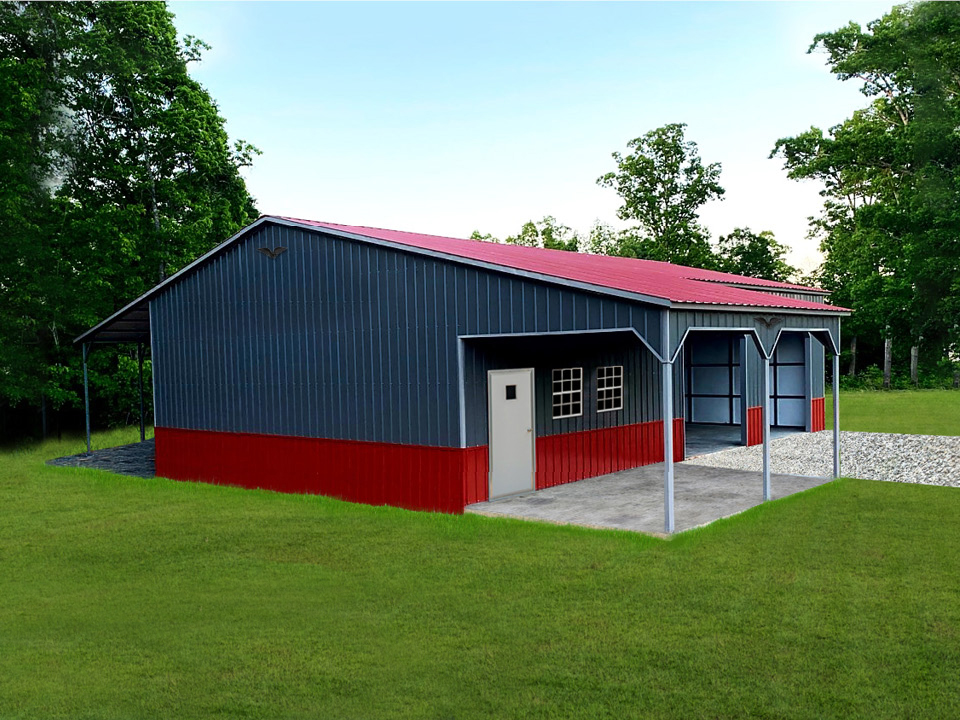
Customization is where a metal garage starts to feel like a solution instead of a generic structure. The key is to choose upgrades that improve function, not just appearance. Taller walls, better door placement, closed gables, and extra bays tend to deliver practical value right away.
If the garage will double as a workshop, ventilation and light matter more than many buyers realize. A dark, poorly ventilated building becomes frustrating to use in a hurry. Windows, walk-in doors, and thoughtful openings can make the space easier to work in without dramatically changing the budget.
This is also where planning ahead pays off. If you think you may add shelving, tools, or a dedicated work area later, account for that now. It is usually cheaper and cleaner to build for future use than to wish you had gone one size larger after installation.
Choosing a seller you can trust
A garage is not just a product. It is a purchase process that includes design, quoting, coordination, manufacturing, delivery, and setup. When those parts are disconnected, buyers feel it. Delays, confusion, and missing details usually start before the building ever reaches your property.
Look for a provider that can explain your options clearly, help you compare configurations, and flag issues before they become expensive mistakes. A custom design tool, transparent quote process, and access to real guidance can make the decision much easier, especially if this is your first metal building purchase. That is one reason many buyers prefer working with a team like Essex Metal Buildings that can guide the project from design through installation.
The best garage for your property is not always the cheapest or the biggest. It is the one that fits your space, your weather, your budget, and the way you actually plan to use it. Buy with that in mind, and you will end up with a building that keeps solving problems long after the price is forgotten.