A basic shelter can do the job, but the right upgrades are what turn a simple cover into a structure that actually works for your property. When buyers ask about the top add-ons for metal carports, they are usually trying to solve a real problem – more weather protection, better storage, easier access, or a setup that fits how they use their space every day.
That is the key way to think about carport upgrades. Don’t add features just because they sound good on paper. Add them because they protect your vehicles better, make the structure more useful, or help you avoid wishing you had built it differently a few months from now.
How to choose the top add-ons for metal carports
The best add-ons depend on what is going under the roof and what kind of weather your property gets. A carport for one pickup in a mild climate needs something very different from a multi-bay structure protecting tractors, trailers, or an RV in areas with heavy rain, snow, or high winds.
Start with three questions. What are you protecting? What kind of exposure does the site get? And do you want the carport to stay a simple cover, or do you want it to function more like a partially enclosed building? Once those answers are clear, the upgrade path gets a lot easier.
1. Side panels for better weather coverage
If there is one add-on that delivers immediate value, it is side paneling. Open carports are affordable and easy to access, but they leave vehicles exposed to blowing rain, drifting snow, and harsh sun from the sides. Adding one or both side panels creates a stronger barrier without fully enclosing the structure.
This option makes a lot of sense for homeowners who park in the same direction every day and know where the worst weather comes from. It is also useful for rural properties where wind-driven dust and debris are part of daily life. The trade-off is reduced openness, so if you need wide side access for equipment or trailers, full-length panels may feel restrictive.
2. End panels to block direct wind and rain
An end panel closes off the front or back gable end of the carport. It is a practical upgrade when weather tends to hit head-on or when you want to protect the nose and rear of a vehicle from direct exposure.
For many buyers, a combination of side panels and an end panel is the sweet spot. You get more protection than a standard open carport, but you still keep easier entry and lower cost than a fully enclosed garage. If your site is especially exposed, partial panels can also be worth discussing since they improve coverage while maintaining ventilation.
3. Enclosed sides and ends for storage use
At some point, a carport starts becoming more than a carport. If you need room for tools, seasonal equipment, feed, lawn gear, or business inventory, enclosed walls are often the upgrade that changes the whole value of the structure.
This is one of the top add-ons for metal carports because it adds flexibility right away. A more enclosed layout can reduce weather exposure, create visual privacy, and give you a cleaner place to organize property essentials. Still, enclosure should match your goals. If you mainly want quick drive-through access, too many walls can work against convenience.
4. Gable ends for a cleaner finish
Gable ends are often chosen for appearance, but they also improve coverage at the front and back roof peaks. On a boxed-eave or vertical-roof carport, this detail gives the structure a more finished, built-out look, which matters if the carport sits near the home or a visible driveway.
There is a practical side to it as well. Gable ends help cut down on windblown rain entering through the upper end area and can make the structure feel more substantial overall. If curb appeal matters, this is one of the simplest ways to avoid the look of a bare-bones utility shelter.
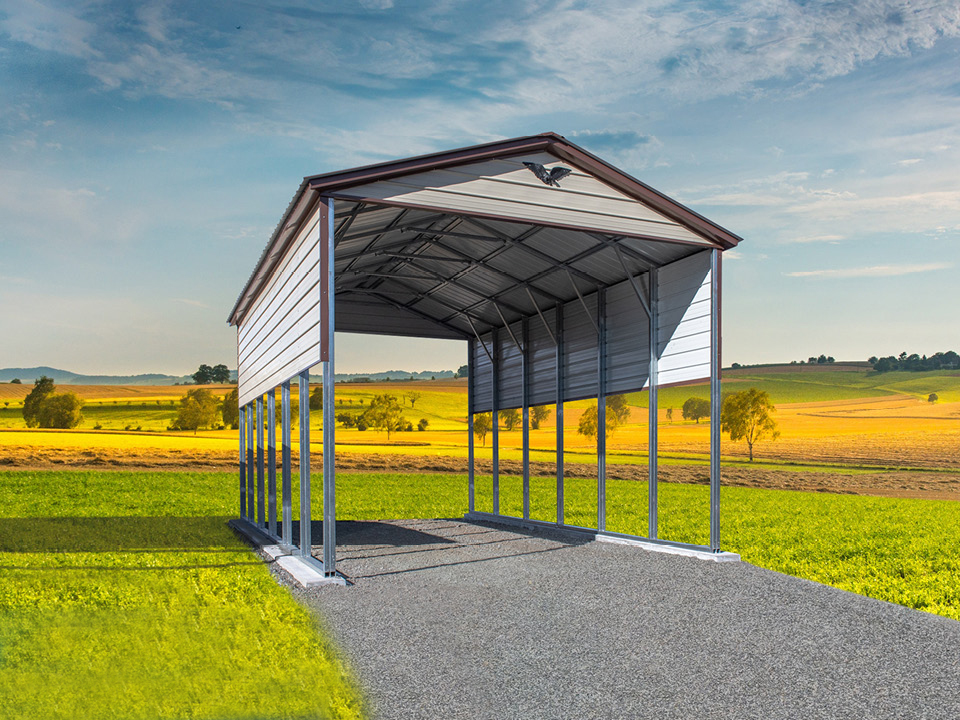
5. Vertical roofing for long-term performance
Some buyers think of roof style as a base choice rather than an add-on, but it belongs in this conversation because it has such a big impact on maintenance and durability. A vertical roof is typically the preferred upgrade for larger carports, RV covers, and structures in areas that get heavy rain or snow.
With vertical panels, water, leaves, and debris shed more efficiently. That usually means less buildup and less hassle over time. It does cost more than standard horizontal panel orientations, so it may not be necessary for every small residential carport. But when span, weather, or long-term performance matter, it is often money well spent.
6. Extra height and width for future flexibility
One of the most common mistakes in carport buying is sizing too tightly. A structure that fits your current vehicle with only a little clearance can become frustrating fast, especially if you add a taller truck, a boat, a utility trailer, or a different parking angle later.
Upgrading dimensions is not flashy, but it is one of the smartest decisions you can make. More height improves clearance and comfort. More width gives you easier door opening, better walk-around space, and more margin for error. If you have ever squeezed into a too-small structure in bad weather, you already know why this matters.
7. Lean-tos and attached storage sections
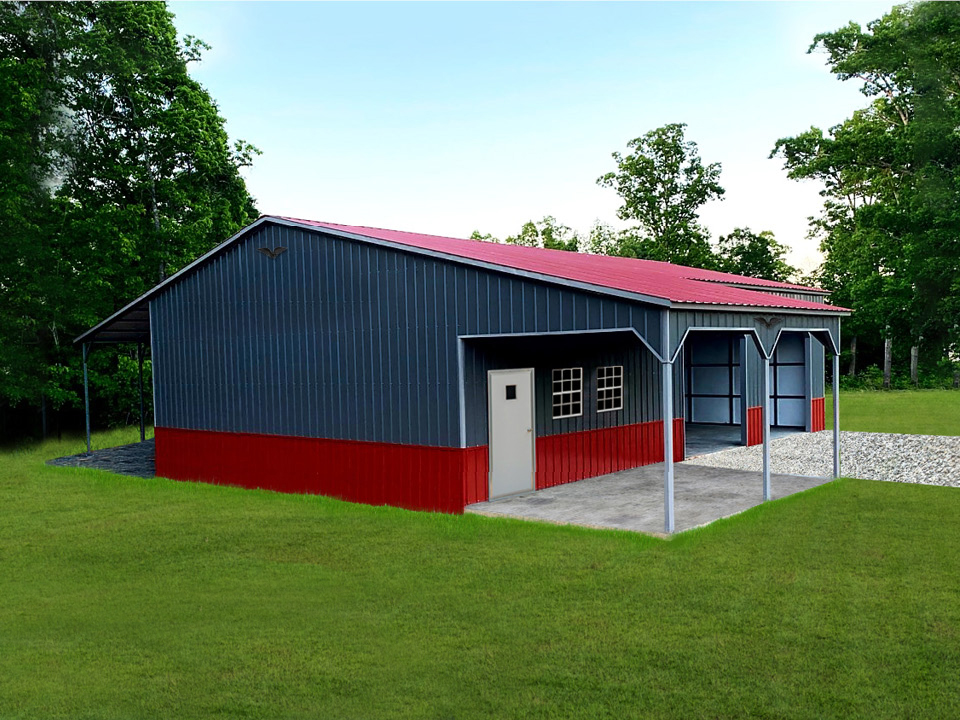
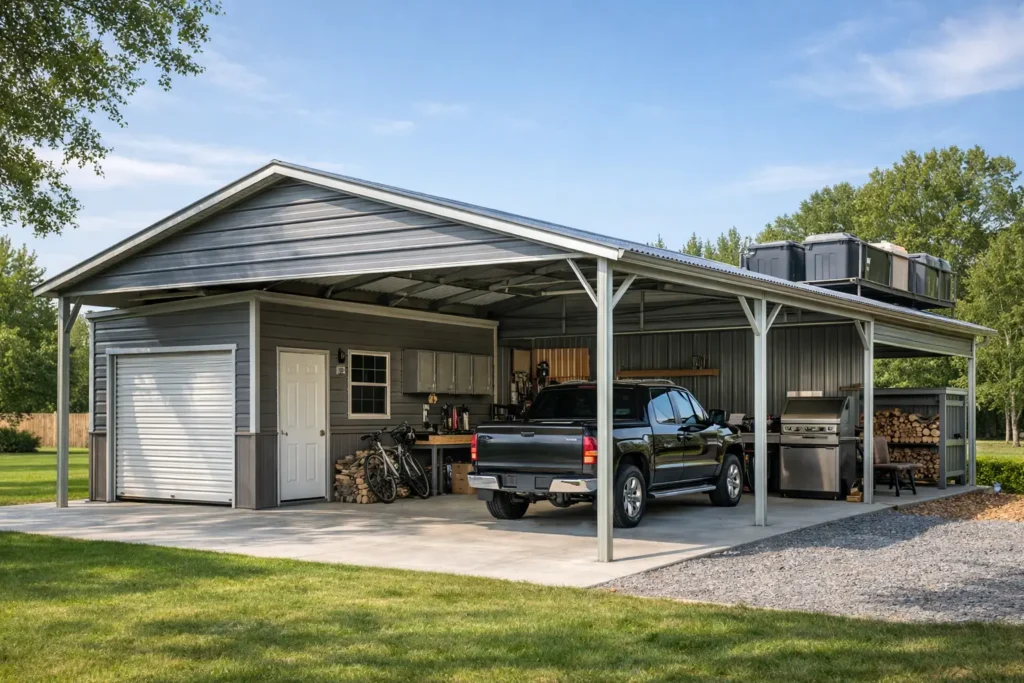
For buyers who need more than vehicle coverage, a lean-to or attached side section can add a lot of function without requiring a separate building. This setup works well for firewood, hay, small equipment, ATVs, trash can storage, or a covered workspace along one side.
It is especially useful on farms, acreages, and small commercial properties where covered space tends to fill up quickly. The value here is efficiency. Instead of putting up multiple small shelters, you can create one integrated structure that does more. The main consideration is site layout, since attached sections need to work with traffic flow and setbacks.
8. Garage doors, roll-up doors, or framed openings
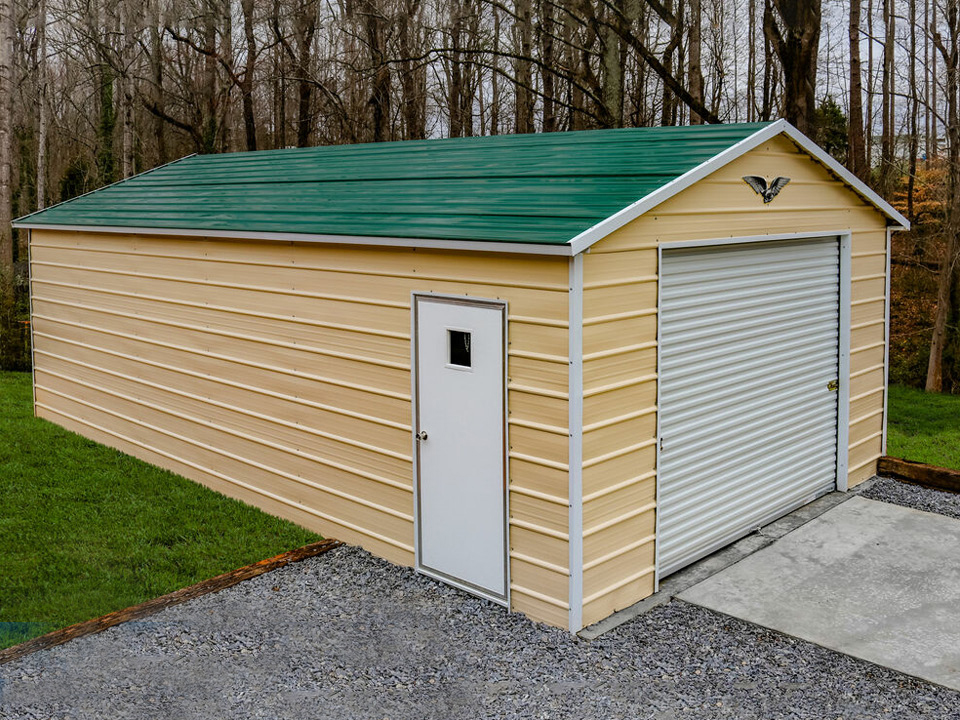
If your carport is moving toward a more enclosed design, access options become a big part of the plan. Garage doors and roll-up doors add security and weather control, while framed openings give you structure and flexibility for larger equipment access.
This is where usage really matters. A personal vehicle shelter may benefit from a standard garage-style opening. A farm or business setup may need wider framed access for trailers or machinery. The wrong door can slow you down every day, so this is not the place to guess. Think about turning radius, clearance, and how often the opening will be used.
9. Certification for local weather demands
Certification may not look like a visible add-on, but it is one of the most important upgrades for many buyers. Depending on your location, you may need a structure engineered to meet specific snow or wind loads. Even when it is not strictly required, added certification can provide peace of mind if your property sees severe weather.
This is where local guidance matters. A carport that seems fine in one region may not be the right fit in another. Working with a provider that helps match the structure to your site conditions can save you from expensive mistakes and permit issues later.
Which carport add-ons are worth it first?
If your budget does not allow every upgrade at once, start with the features that affect performance the most. For most buyers, that means roof style, proper sizing, and weather-blocking panels. Those choices shape how well the structure protects what you put under it.
After that, think about daily convenience. Do you need better access, more storage, or a more finished look near the house? Those upgrades still matter, but they usually come after the structural choices that determine long-term usefulness.
A smart build is about more than features
The top add-ons for metal carports are not really about checking boxes. They are about getting a structure that fits your property, your weather, and the way you actually use your space. A buyer protecting a classic car, a ranch truck, and a mower will not need the same setup as someone covering an RV, skid steer, or work trailers.
That is why customization matters. The best results usually come from planning the full job before you order, not patching together fixes after installation. Essex Metal Buildings works with buyers who want that kind of clarity from the start, especially when the goal is to balance budget, protection, and long-term value.
If you are building a carport, think one step past today. The right add-ons should make the structure more useful not just when it is installed, but every season after that.