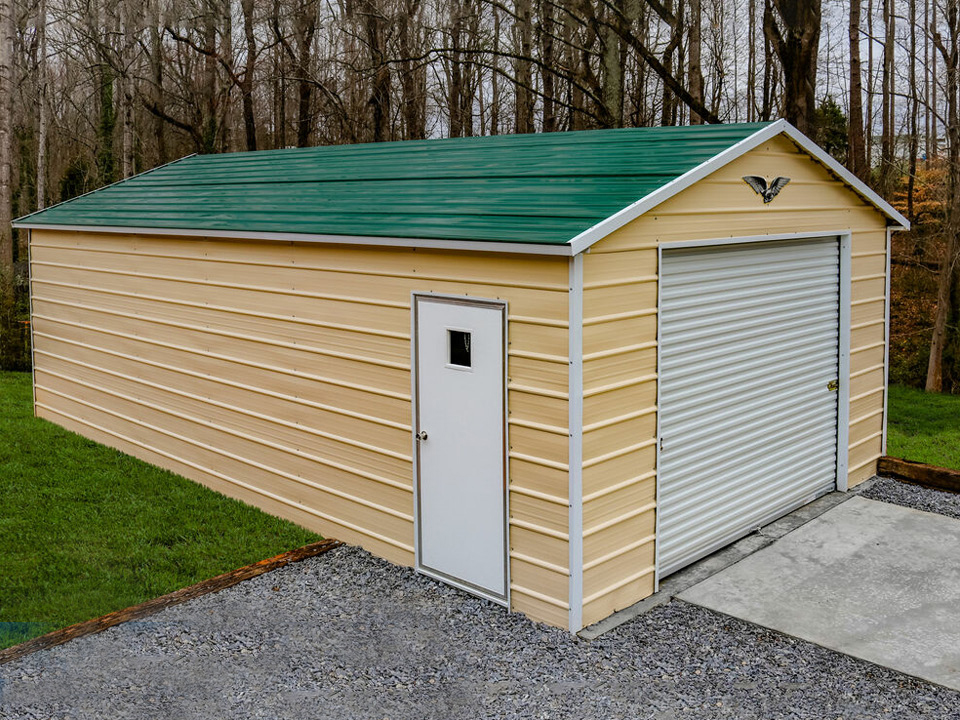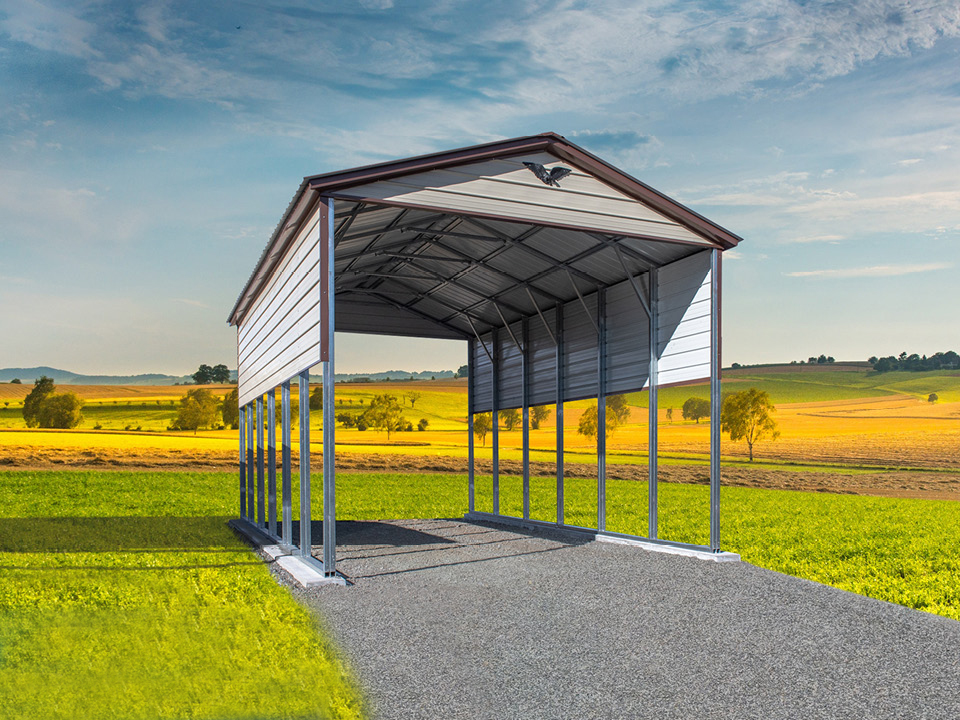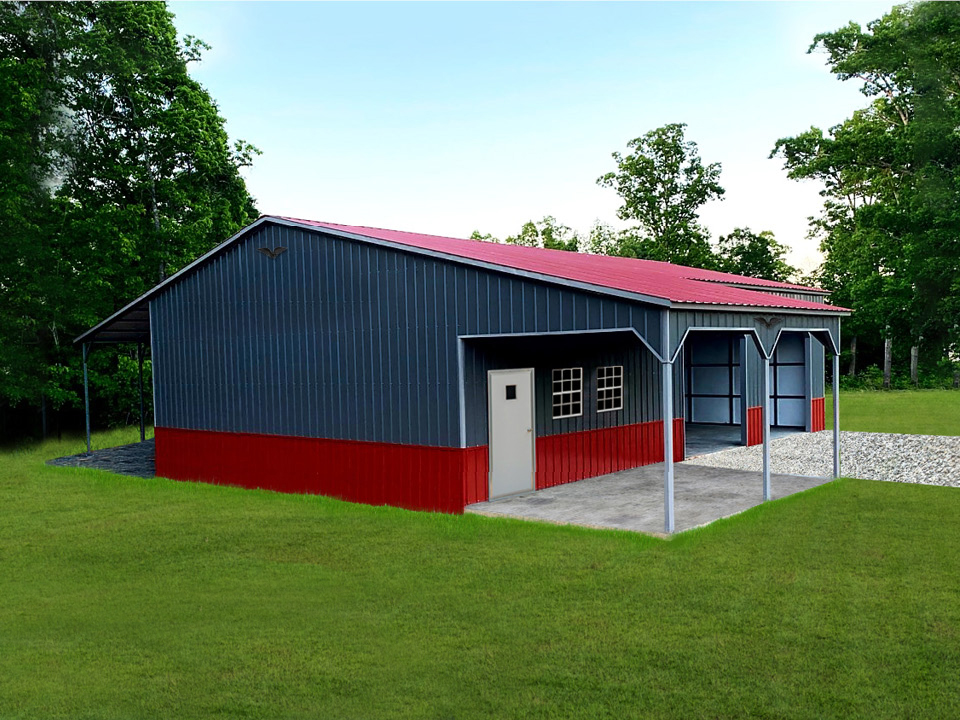
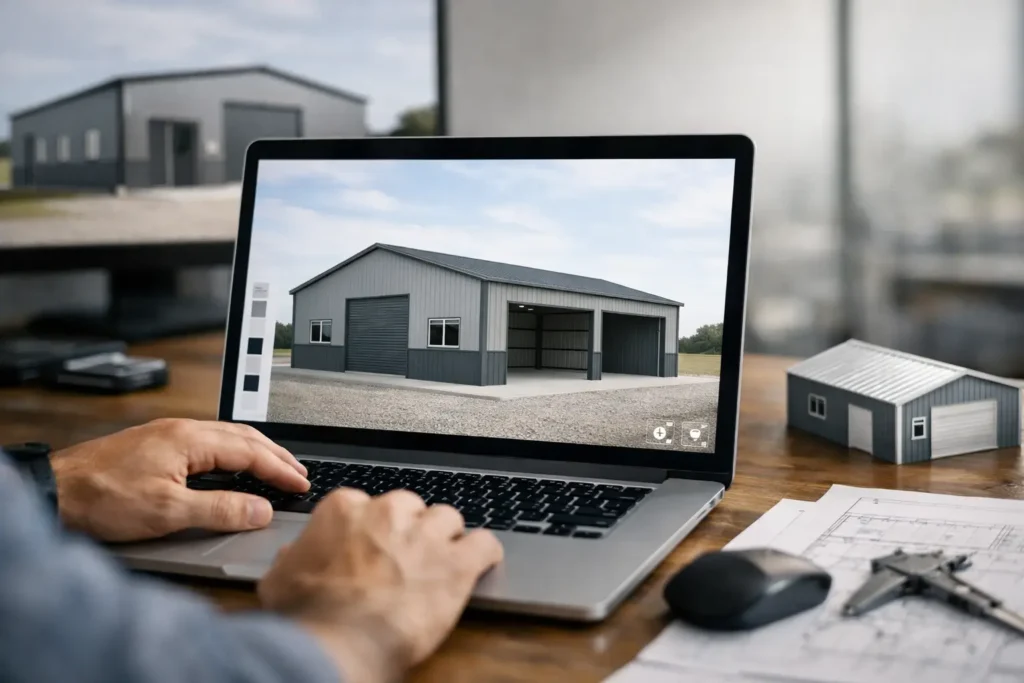
You can spot a bad building decision before the first truck ever arrives. It usually starts with a rough guess on size, a feature that looked fine on paper, or a quote that did not reflect the building you actually had in mind. A 3D metal building configurator helps prevent that. Instead of trying to picture a garage, barn, RV cover, or workshop from a static photo, you can build it out visually and see how your choices affect layout, function, and budget.
For property owners, that matters. A metal building is not a decorative purchase. It needs to fit your land, protect what you store, and hold up over time. The more clearly you can define what you need before ordering, the better your result tends to be.
What a 3D metal building configurator actually does
A 3D metal building configurator is a digital design tool that lets you customize a steel structure in real time. You can typically adjust width, length, height, roof style, trim, panel colors, enclosure options, doors, windows, and other functional features while seeing those updates on screen.
That visual feedback changes the buying process. Instead of choosing from a limited menu and hoping it all comes together, you get a working model of the building you want. For many buyers, that closes the gap between an idea and a real purchase decision.
This is especially useful when you are trying to compare options that sound similar but perform very differently. A fully enclosed garage and a partially enclosed carport may be close in footprint, but not in use. A loafing shed for livestock and a storage barn may overlap on dimensions, yet require different openings and panel layouts. A configurator helps you catch those differences before they become expensive changes.
Why buyers use a 3D metal building configurator before requesting a quote
Most customers start with a problem, not a spec sheet. They need to protect a truck, create workshop space, store farm equipment, cover an RV, or add a dependable structure to a property without overbuilding. The challenge is translating that need into dimensions and features that make sense.
A 3D metal building configurator makes that process easier because it gives shape to practical decisions. You can test whether a 20-foot-wide structure really gives you enough clearance. You can see whether adding side panels improves protection from weather. You can compare roof styles based on appearance, drainage, and the look that fits your property.
It also gives buyers more control. If you have never purchased a custom steel building before, a design tool helps you ask better questions. If you have bought one before, it speeds up the process because you can get closer to your preferred setup before speaking with a specialist.
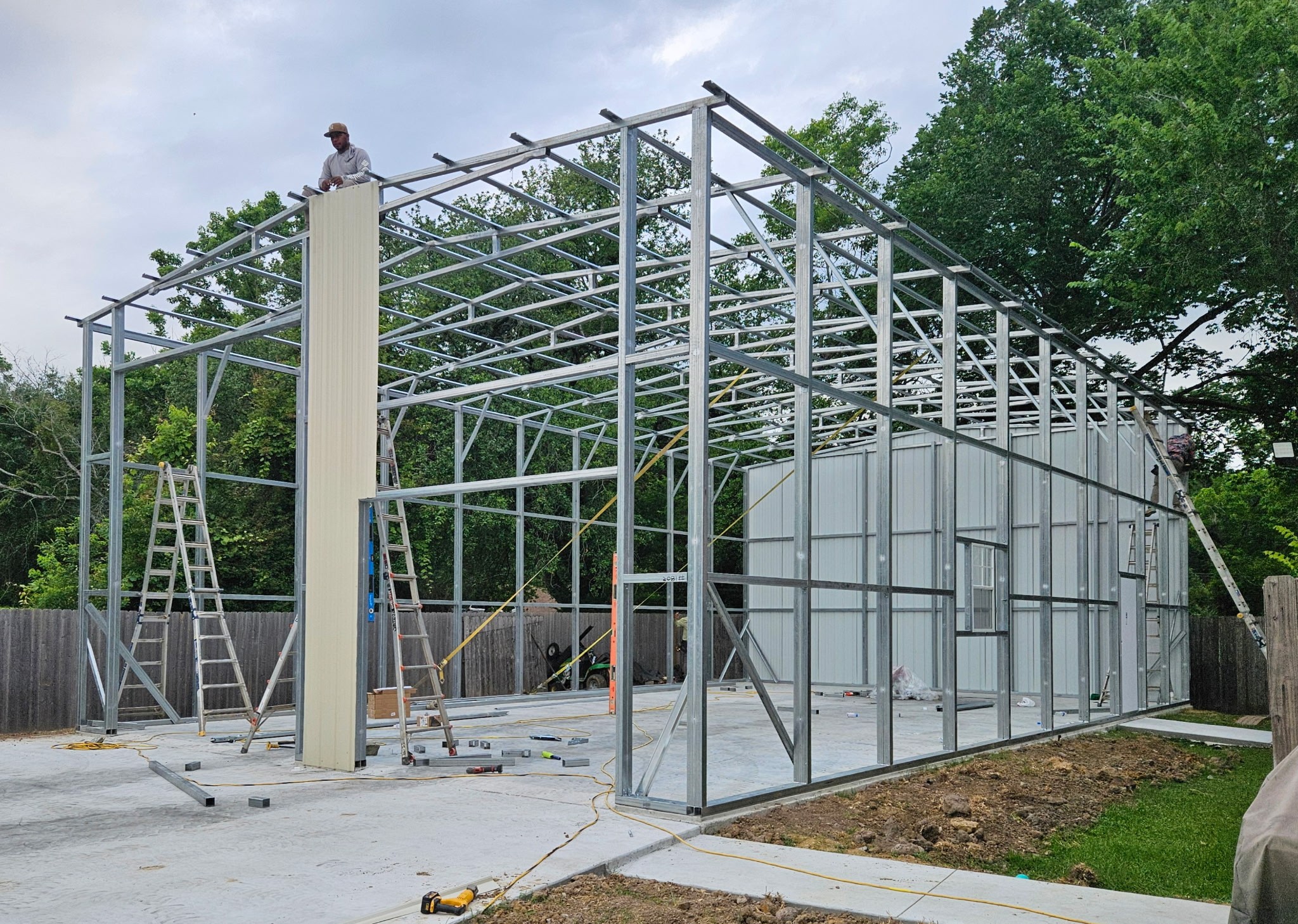
That said, a configurator is not the same thing as final engineering or site approval. It helps you build a strong starting point, but factors like local codes, ground conditions, certification requirements, and installation access still matter. Good design tools save time. Good support makes sure the design can be delivered and installed the right way.
The biggest advantages of using a 3D metal building configurator
The first advantage is clarity. When buyers can see the structure, they make better decisions. A building may sound large enough until you visualize the door placement, wall height, or turning room around vehicles and equipment.
The second advantage is pricing awareness. As features change, the estimated quote usually changes too. That helps you weigh trade-offs in real time. Maybe you decide an extra bay is worth it. Maybe you realize a simpler layout gets the job done for less. Either way, you are making informed choices instead of reacting after the fact.
The third advantage is customization without confusion. Custom metal buildings have a lot of variables, and that is a good thing when handled well. A visual tool keeps those options organized. You are not flipping between separate drawings, notes, and photos to imagine the final result.
The fourth advantage is confidence. Buyers are more comfortable moving forward when they can see what they are ordering. That matters whether you are a homeowner planning a detached garage or a rural landowner trying to cover tractors, trailers, feed, or livestock.
How to get the most from a 3D metal building configurator
Start with use, not appearance. Before picking colors or trim, think about what the building needs to do every day. How many vehicles are going inside? Do you need drive-through access? Will you be storing tall equipment, using roll-up doors, or creating workspace around the perimeter? Function should set the baseline.
Next, think about your property conditions. Wind exposure, snow load requirements, drainage, and available install space can all affect what makes sense. A design that looks right on screen still needs to work on your site. If your lot has slope issues or limited access, that may influence dimensions and placement.
Then focus on the features that affect usability the most. Height is often underestimated. Door placement is another common issue. A building can look balanced visually but still create daily frustration if entry points do not line up with how you actually move equipment, vehicles, or animals.
It also helps to compare two or three realistic versions instead of endlessly tweaking one design. One option might prioritize budget. Another might prioritize enclosed storage. A third might add future flexibility. Seeing those versions side by side makes the final choice easier.
Common mistakes a configurator can help you avoid
One of the biggest mistakes is buying too small. People often size a building around what they own today and forget about what they may add later. A little extra width or length can make a major difference in usefulness.
Another mistake is focusing only on upfront price. Lower cost matters, but the cheapest layout is not always the best value. If a slightly larger building prevents clutter, protects equipment better, or reduces the need for another structure later, it may be the smarter buy.
Buyers also underestimate the impact of enclosure. Open sides are practical for some uses, while others need full protection from weather, theft, or debris. A 3D model helps you see whether partial panels, gables, or a fully enclosed design better match the job.
Color selection may seem minor, but it matters more than many expect. Your building will be part of your property for years. Choosing colors and trim in a visual format helps you avoid a finished look that feels out of place.
When a 3D metal building configurator is most useful
This tool is especially valuable when you want a custom result without starting from scratch with a full drafting process. It fits buyers who know the purpose of the building but want help defining the exact setup.
It is also useful when multiple decision-makers are involved. If you and a spouse, business partner, or family member are trying to agree on layout and features, a visual model creates a common reference point. That usually makes the conversation faster and more productive.
For first-time buyers, it reduces uncertainty. For experienced buyers, it saves time. In both cases, it supports a more accurate quote request because the details are clearer from the start.
A 3D metal building configurator works best with real support
Technology is helpful, but it should not leave you on your own. The best buying experience combines self-service design with guidance from people who understand metal buildings, site considerations, and installation requirements.
That is where a company like Essex Metal Buildings stands out. A strong digital design process gets you close to the right structure quickly, but local support helps fine-tune the details that make the project work in real life. That includes discussing intended use, reviewing options, answering financing questions, and helping you move from design to delivery and setup with fewer surprises.
If you are serious about buying a custom steel structure, a configurator is more than a nice feature. It is one of the best ways to avoid guesswork, compare real options, and move forward with a building that fits your property and your budget. The smartest next step is not to settle for a generic model. It is to build what you actually need, see it before you buy it, and ask questions while the choices are still easy to make.