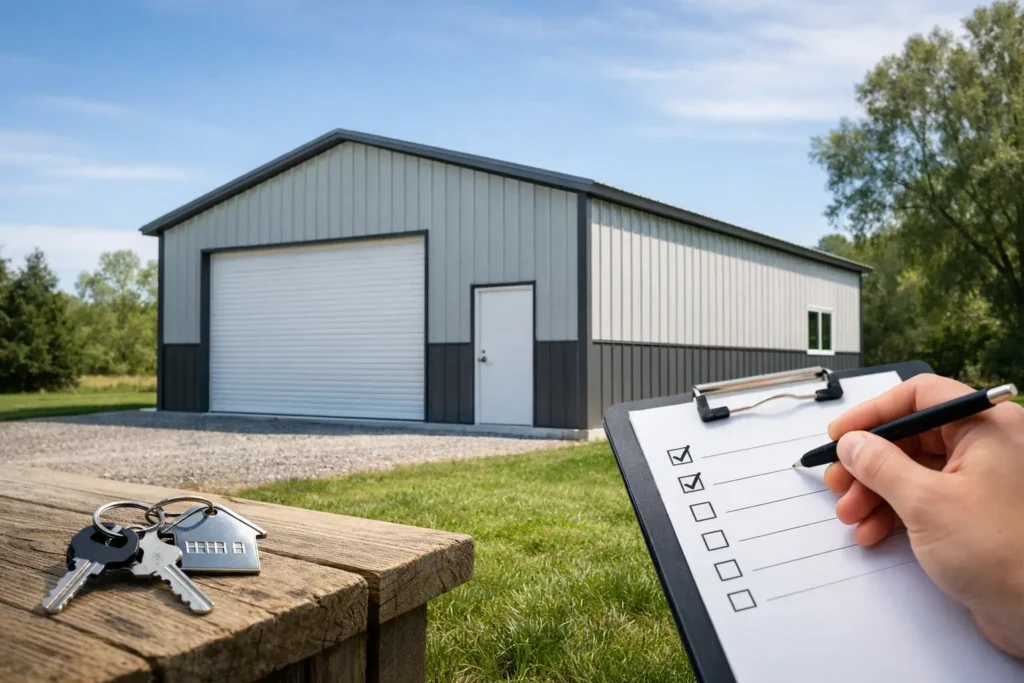
A cheap garage can get expensive fast if it shows up undersized, won’t pass local code, or leaves your truck hanging out in the weather. That’s why learning how to buy metal garage options the right way matters before you look at colors, trim, or extras. The best purchase starts with function, not features.
Most buyers are not shopping for a “garage” in the abstract. They need a secure place for vehicles, tools, equipment, hobby space, or overflow storage. Some need a basic one-car structure. Others need a fully enclosed building with taller legs, multiple doors, and room for a workbench. The right choice depends on how you plan to use it six months from now, not just what fits your budget today.
How to Buy a Metal Garage Based on Real Use
Start with the job the building needs to do every day. If you are parking one sedan and storing yard tools, your needs are very different from someone protecting a lifted truck, side-by-side, mower, and trailer. A garage that looks roomy on paper can feel tight once doors swing open and shelving goes in.
Think about clearance first. Width and length matter, but height is where many buyers get caught. Taller vehicles, roof racks, tractors, RV accessories, and garage door framing all eat into usable space. If you want a roll-up door, account for the opening height and the room needed above it. If you may upgrade vehicles later, give yourself extra clearance now. It is usually more affordable to size up during the original order than to replace the building later.
Layout matters too. A two-car garage is not automatically the best fit if the real goal is one vehicle plus workshop space. In that case, a wider single-bay layout with side storage may work better than trying to squeeze everything into a standard footprint. Buyers who plan ahead usually end up happier than those who simply pick the lowest advertised size.
Choose the Right Configuration Before You Compare Price
Metal garages are highly customizable, which is a strength if you know what you are comparing. It can also create confusion when one quote looks cheaper but includes less structure, lighter materials, or fewer enclosed sections.
Roof style is one of the first decisions. A regular roof can be a budget-friendly option in milder conditions, while boxed-eave and vertical roofs offer a more finished look and improved water runoff. A vertical roof is often the better long-term choice for larger garages or areas that deal with heavier rain, wind, or snow loads. The upfront price is higher, but it often pays off in performance and maintenance.
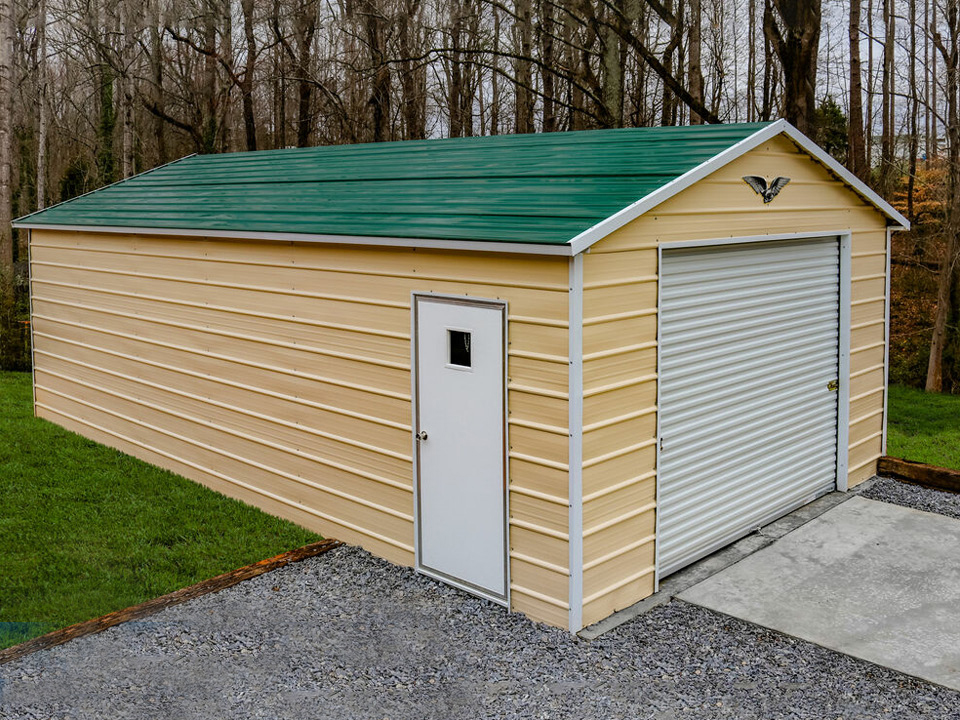
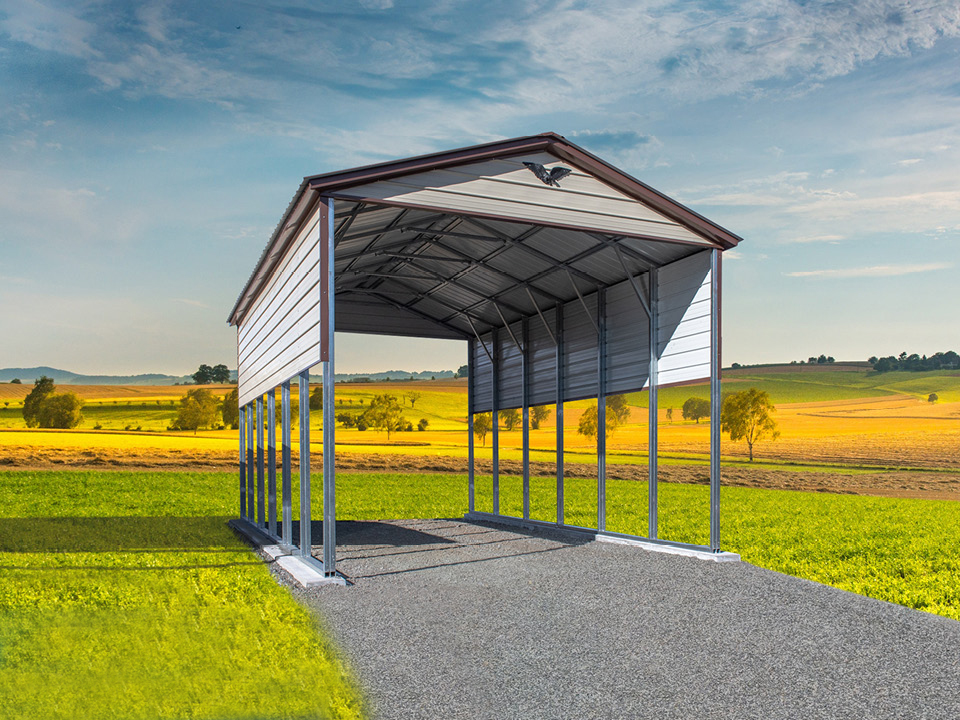
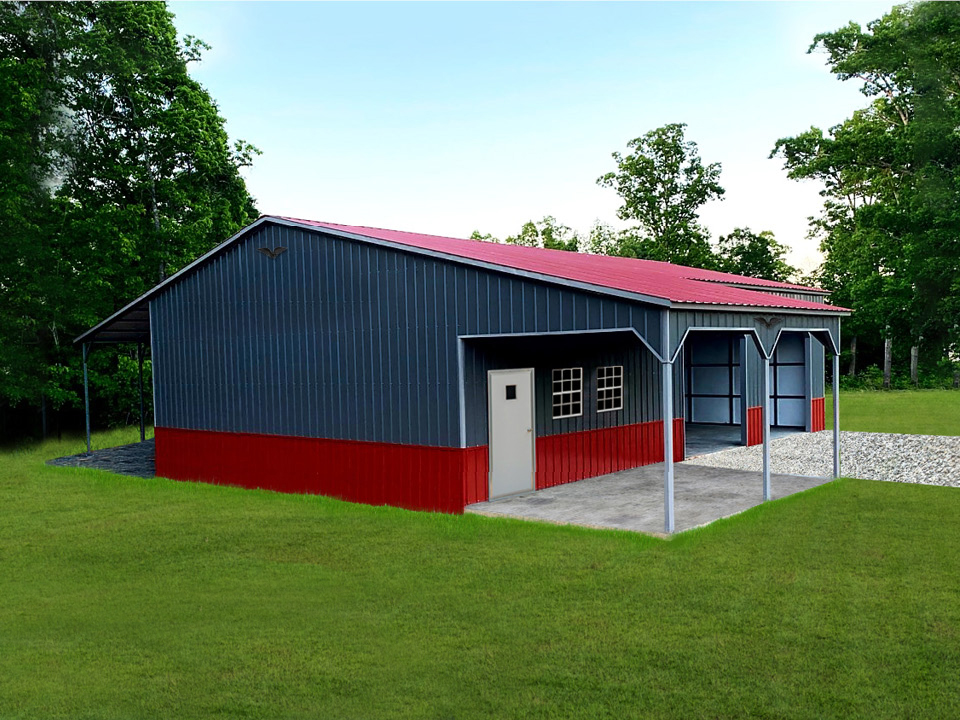
Next, decide how enclosed the building should be. Some buyers need a fully enclosed garage with roll-up doors, walk-in doors, and windows. Others may want a partially enclosed unit that blends garage storage with open-sided coverage. There is no universal best choice here. It depends on whether security, weather protection, ventilation, or budget is your top priority.
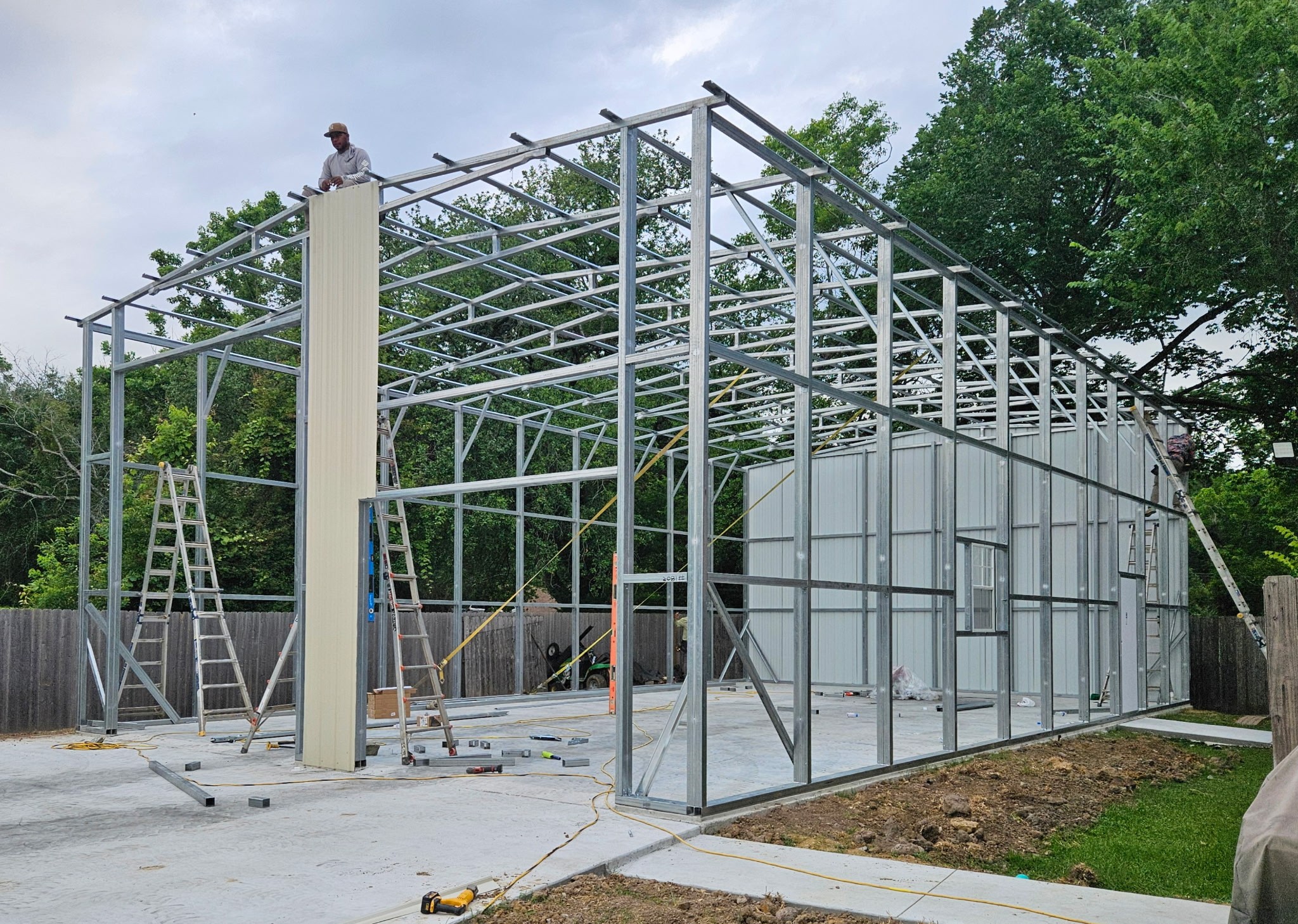
Gauge and frame options deserve attention as well. Lower price tags may reflect lighter materials, not better value. If the building will protect expensive vehicles, tools, or farm equipment, premium-grade steel and the right certification for your region matter. Ask what wind and snow ratings apply to your area and whether the building is engineered to meet them.
Don’t Price a Garage Until You Price the Full Project
One of the biggest mistakes in how to buy a metal garage is focusing only on the building price. The real cost includes the site, permitting, delivery, installation, and any upgrades needed to make the structure useful from day one.
Site prep is a common budget blind spot. Your ground may need leveling, grading, gravel, or a concrete slab depending on the building type and local requirements. A garage installed on a poor site can lead to drainage problems, door issues, or premature wear. Even the best building performs poorly on a bad foundation.
Permits also vary more than buyers expect. Some counties are straightforward. Others require engineered drawings, setbacks, anchors, or specific load ratings. That is why it helps to work with a team that can explain what is typically needed and flag questions early. Waiting until after you order can cause delays or force design changes.
Then there are the practical add-ons. Insulation, extra doors, windows, upgraded anchors, colored trim, and taller side panels all affect the final number. None of these are inherently unnecessary. They just need to match your actual use. A bare-bones quote may look attractive until you realize it does not include the features you assumed were standard.
What to Ask Before You Buy
A good buying process should make the details clearer, not more confusing. Before you commit, ask what is included in the quote, what is optional, and what you need to arrange yourself. That includes site prep, permits, and lead times.
Ask about the materials and origin of the building. American-made steel, certified framing options, and transparent specs matter when you are making a long-term investment. You should also ask how installation works, who coordinates delivery, and what happens if weather or site conditions affect scheduling.
Warranty questions matter too, but read past the headline. A long warranty is only useful if you understand what it covers and what it does not. Finish warranties, workmanship responsibility, and manufacturer terms may all differ.
If financing is part of your decision, look at the monthly cost alongside the full build you actually want. Rent-to-own can make a better configuration more accessible, but only if the structure itself is the right one. It does not help to finance the wrong garage.
Use a Design Tool, but Don’t Buy by Picture Alone
Online design tools are useful because they help you visualize dimensions, roof styles, colors, and openings before you place an order. That can save time and prevent miscommunication. For many buyers, it also makes customization feel a lot more manageable.
Still, a design image should be the start of the conversation, not the end. A garage that looks right on screen may need adjustments once a local expert reviews your site conditions, intended use, and regional code requirements. That is where guidance matters.
Essex Metal Buildings approaches this the right way by pairing digital design with real consultation. Buyers can configure what they want, see pricing direction, and then get help confirming the details before moving forward. That combination tends to produce better decisions than buying strictly from a stock photo and a promo price.
How to Compare Garage Quotes Fairly
If you collect multiple quotes, make sure you are comparing the same building. That means the same dimensions, same roof style, same gauge, same enclosure, same doors, and same certification level. If one quote is significantly lower, there is usually a reason.
Sometimes the lower number excludes installation or anchors. Sometimes it uses lighter framing. Sometimes it is based on a different roof type or an uncertified unit that may not fit local requirements. Price matters, but only after the specifications match.
It also helps to compare the buying experience itself. A provider that answers questions clearly, explains trade-offs, and helps you avoid common mistakes can save you far more than a small difference in the initial quote. Support is part of the value.
Common Buying Mistakes to Avoid
The first mistake is buying too small. Most regret in garage purchases comes from underestimating storage, clearance, and future use. If your budget allows, a little extra width or height usually earns its keep.
The second is treating every metal garage as the same product. They are not. Design, engineering, materials, and installation support all affect long-term performance.
The third is skipping local planning. Even a well-priced garage becomes a frustrating project if your site is unprepared or your permit requirements were ignored. Good coordination upfront prevents expensive headaches later.
The fourth is chasing the lowest payment without looking at total value. A garage is there to protect what matters on your property. That is not the place to cut corners on fit, structure, or support.
Buying a metal garage should feel straightforward once the right questions are on the table. Start with how you will use it, build around your site and local requirements, and compare quotes based on real specifications instead of headline prices. When the design, materials, and support all line up, you are not just buying a building – you are solving a long-term space and protection problem the right way.