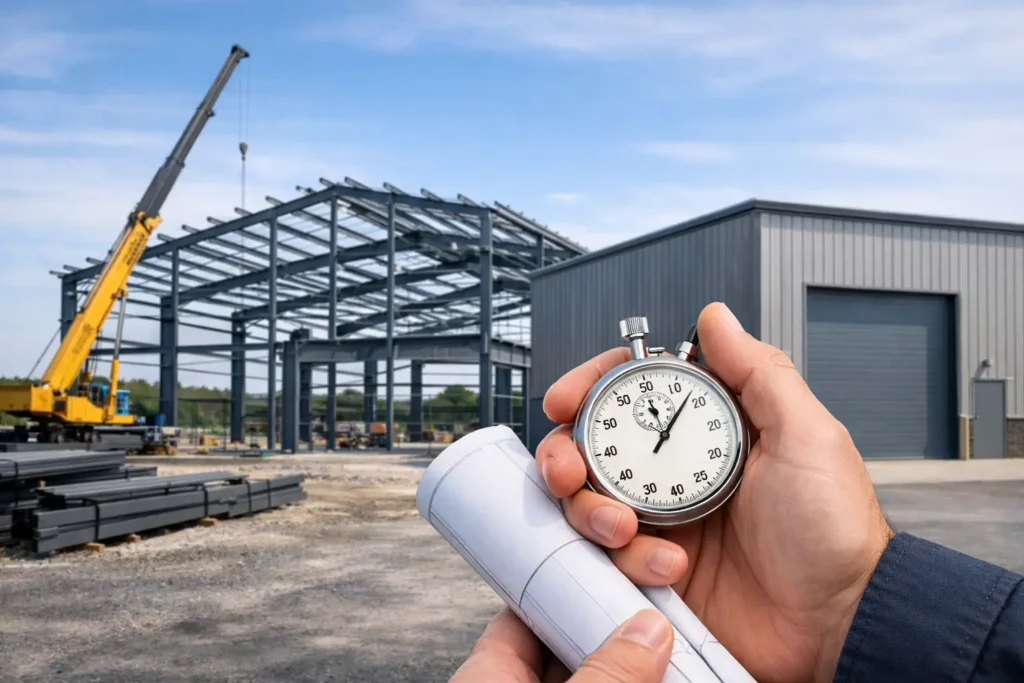
If you need a garage before storm season, a barn before equipment starts piling up outside, or an RV cover before winter hits, steel building lead times stop being a minor detail and start becoming the whole schedule. Most buyers are not just asking how much a building costs. They are asking when it can actually be on their property and ready to use.
That is the right question to ask early, because lead time is rarely one single number. It is a chain of steps that includes design decisions, engineering, manufacturing, delivery coordination, site readiness, and installation. A delay in any one of those areas can push the full project back, even when the building itself is already in production.
What steel building lead times really include
When people hear lead time, they often think only about factory production. In reality, steel building lead times usually refer to the full stretch between placing an order and having materials delivered or installed. For a made-to-order structure, that timeline is shaped by much more than shop capacity.
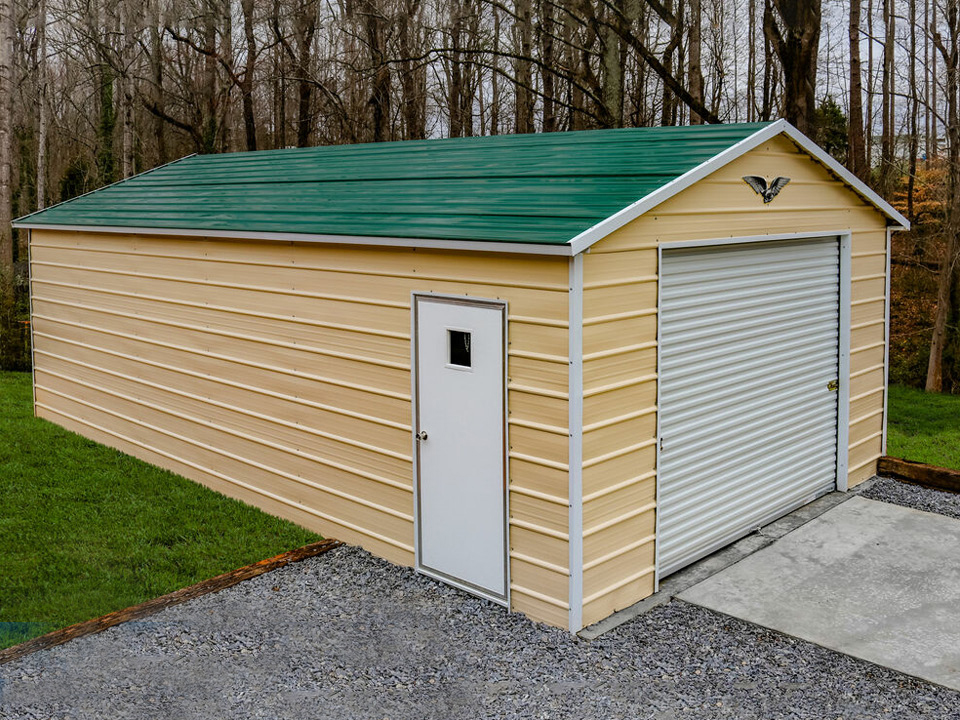
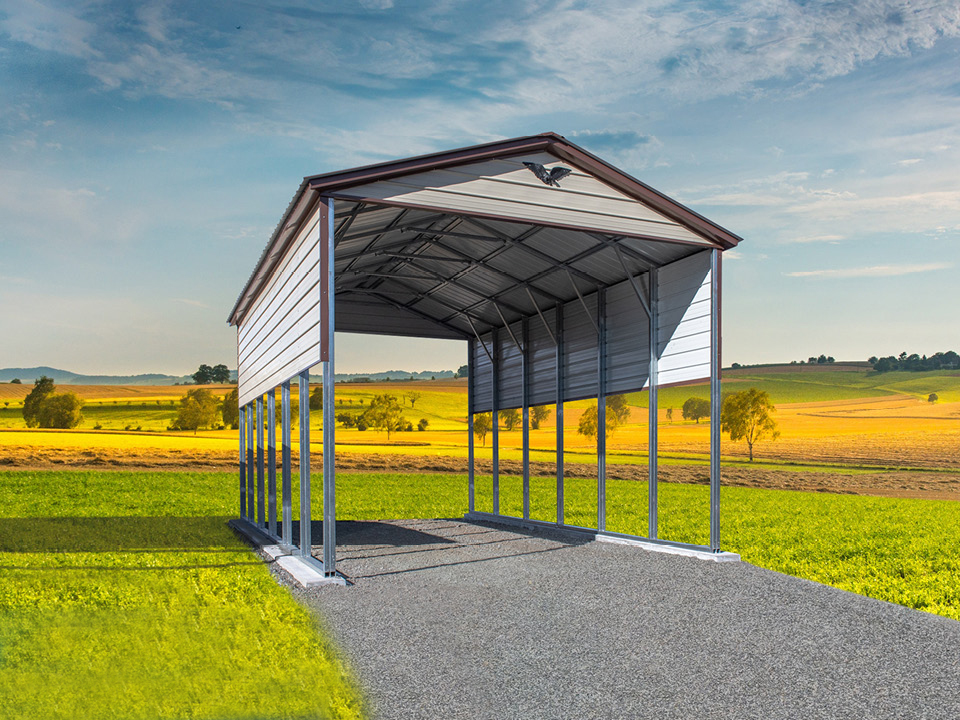
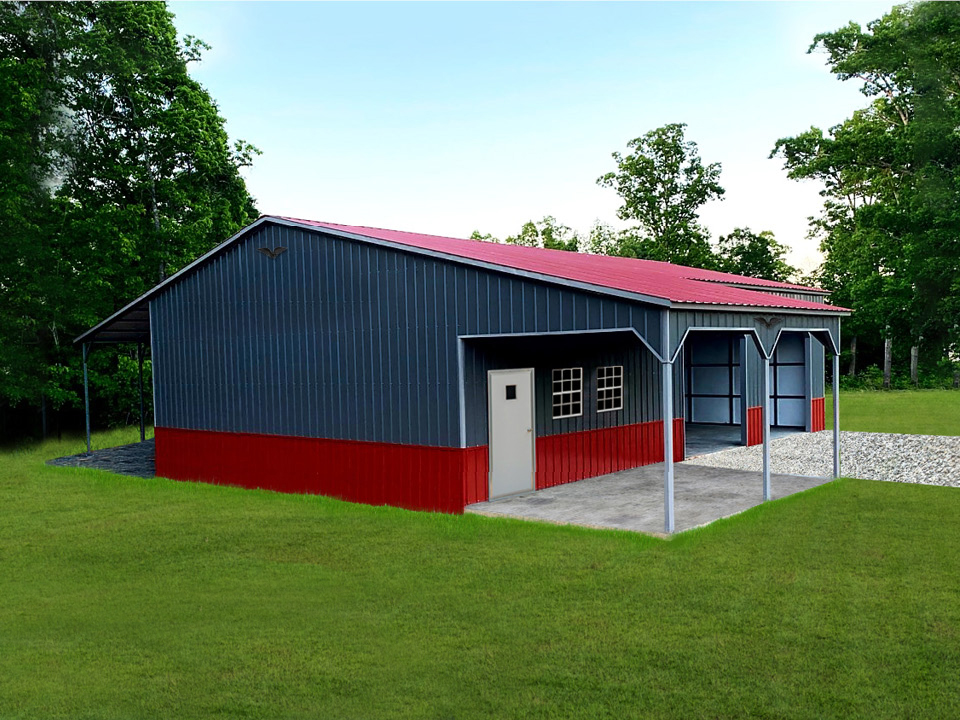
A simple standard carport can often move faster than a fully customized garage with enclosed sides, upgraded framing, specialty openings, and site-specific engineering. That does not mean custom is a bad choice. It means the more tailored your building becomes, the more moving parts are involved before it reaches your property.
This matters for homeowners, farmers, and small business owners because a metal building is often tied to another deadline. You may be trying to protect a vehicle, expand storage, cover livestock, or create workspace for a growing operation. If the timing is tight, the smartest move is to build your schedule around the full process, not just the factory date.
The stages that affect steel building lead times
Design and quote approval
The clock usually starts once your building configuration is finalized and approved. Buyers sometimes lose time here without realizing it. Changing width, height, roof style, doors, trim, or panel options after the quote is prepared can slow the process down, especially if those changes affect engineering or material planning.
This is one reason a clear design process matters. If you can review dimensions, layout, and features upfront, you are less likely to create avoidable back-and-forth later. It is usually faster to spend a little more time making smart decisions at the beginning than to revise the order after production planning begins.
Engineering and permits
Not every building follows the same path. In some areas, permit requirements are straightforward. In others, they can add real time to the project. Local wind, snow, and code requirements may call for engineered drawings, anchoring details, or specific structural upgrades.
Permitting is also where many buyers underestimate the timeline. A manufacturer can be ready to move, but if local approvals are still pending, the project may have to wait. That is why it helps to ask permit questions at the start, not after the order is already in motion.
Manufacturing
This is the part most buyers picture first, and it is still a major factor. Manufacturing lead times can shift based on order volume, seasonal demand, material supply, and the complexity of your building package.
A standard unit with common dimensions and options may move through production more quickly than a larger workshop, commercial-grade structure, or custom agricultural building. Busy seasons can also lengthen the wait. Spring and early summer tend to bring a surge of orders as property owners try to build during better weather.
Delivery scheduling
Even after a building is manufactured, delivery is not always immediate. Routes, installer schedules, regional demand, and distance from the fulfillment area can all affect timing. In a multi-state service model, coordination matters as much as production.
For buyers, this means delivery dates should be treated as part of the project plan, not an afterthought. If you are trying to line up concrete work, equipment moves, or tenant use of the space, those dates need to be discussed early.
Site preparation and installation
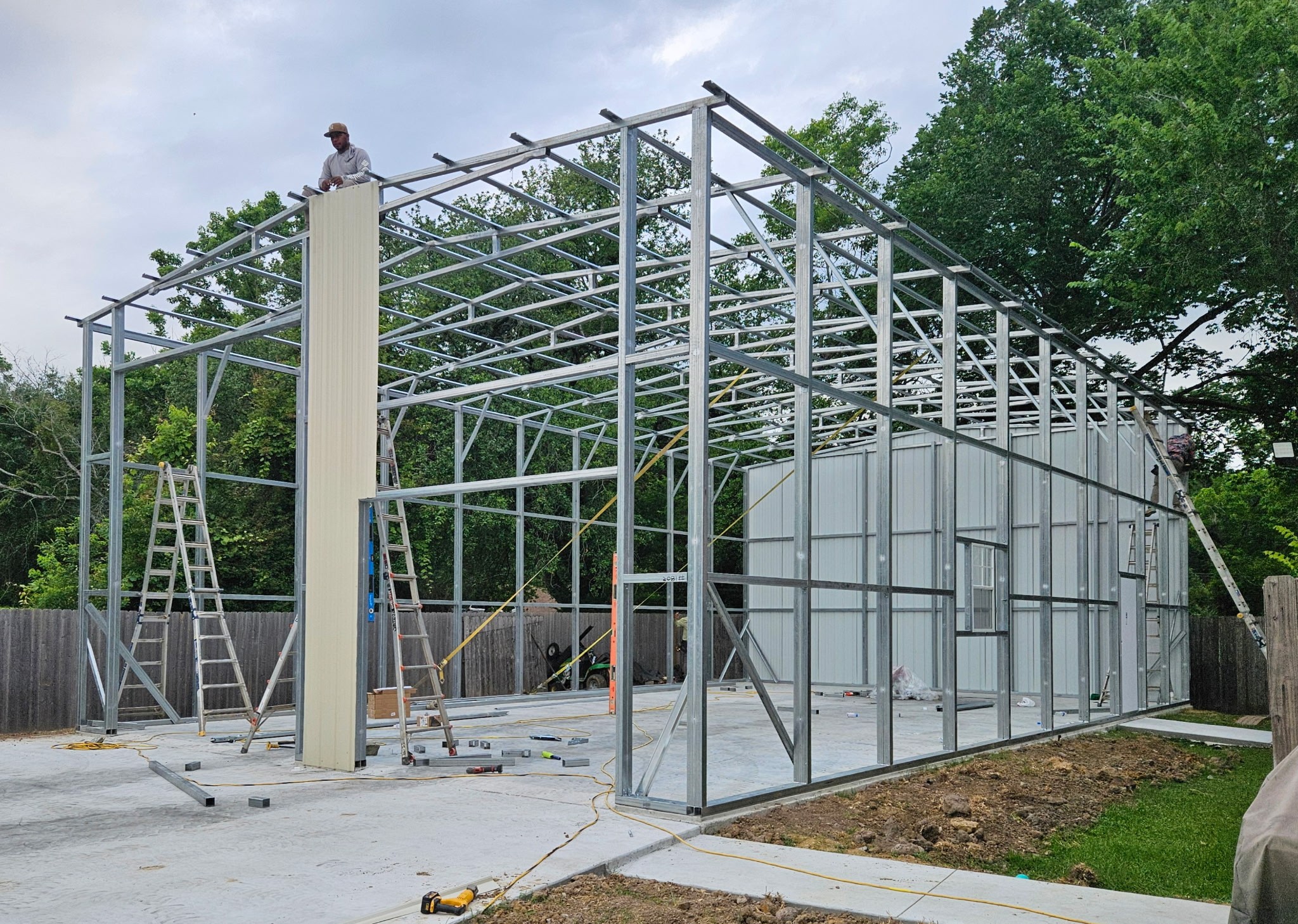
A building cannot be installed on a site that is not ready. If the ground is not cleared, leveled, and accessible, the project may be delayed even if materials arrive on time. Concrete pads, gravel bases, and access for delivery crews often become the hidden variable in the schedule.
This is one of the biggest reasons two buyers ordering similar structures can experience very different timelines. One has the site ready before ordering. The other starts site work after the building is already in production. Same product, different outcome.
Why lead times change throughout the year
Steel building lead times are not fixed year-round. Demand rises and falls, weather affects installation windows, and supply conditions shift. If you order during a peak season, you may face longer production queues and tighter installation calendars.
Weather can complicate things even more. Heavy rain, frozen ground, high winds, and storm activity can slow site prep or installation, especially for larger structures. That does not mean you should wait for a perfect season to buy. It means planning ahead matters.
If you know you need a building for a specific use by fall or winter, ordering months earlier usually gives you a better shot at hitting that target without rushing decisions. Last-minute building plans tend to cost more in stress than they save in time.
What buyers can do to avoid delays
The fastest projects usually have one thing in common: the buyer is prepared. A smooth process starts with knowing what you need and being ready to make decisions.
Before requesting a quote, it helps to think through the building’s purpose, dimensions, placement, and must-have features. If you need roll-up doors, insulation-ready framing, lean-tos, enclosed walls, or specific clearances for vehicles and equipment, identify that early. It is easier to price and schedule a building correctly the first time than to adjust it later.
You should also check local permit requirements as soon as possible. Some counties and municipalities move quickly. Others do not. If your building needs engineering documents or site-specific approvals, getting ahead of that step can protect your schedule.
Site readiness is another major advantage. If grading, concrete, or access improvements are needed, start planning them right away. Waiting until manufacturing is nearly complete can leave your project stuck between delivery and installation.
Communication matters too. When you work with a team that can guide design, quote review, scheduling, and setup coordination, you are less likely to hit the common handoff problems that slow custom projects down. That kind of support is especially valuable for first-time buyers who do not want surprises halfway through the process.
How to set realistic expectations
A realistic timeline is better than an optimistic one that falls apart. The right expectation is not that every project moves at the exact same speed. It is that your provider should explain what affects the schedule and help you plan around it.
For some buyers, speed is the top priority. A simpler building with fewer custom elements may be the best fit. For others, the priority is getting the layout exactly right, even if that adds time. Neither approach is wrong. The key is understanding the trade-off.
This is where a guided buying process can make a real difference. If you can see your options clearly, confirm pricing, and talk through installation timing before placing the order, you are much more likely to get a building that fits both your property and your deadline. Essex Metal Buildings works with buyers who want that kind of clarity from design through delivery and setup, especially when timing is tied to weather, equipment storage, or business use.
When to order a steel building
The best time to order is usually earlier than you think. If your building solves a real problem, exposed equipment, crowded storage, livestock coverage, or a lack of workspace, waiting until the need becomes urgent can limit your options.
Ordering ahead gives you room for permits, site prep, production scheduling, and installation without forcing rushed choices. It also gives you more flexibility if weather or local approvals slow one stage of the process.
A steel building is not an off-the-shelf purchase for most buyers. It is a made-to-order structure that should fit your land, your use, and your budget. The more clearly you plan for lead time, the more likely you are to end up with a building that arrives when you need it and works the way you expected.
If timing matters for your next project, start the conversation before the deadline starts closing in. A few smart decisions upfront can save weeks of frustration later.