

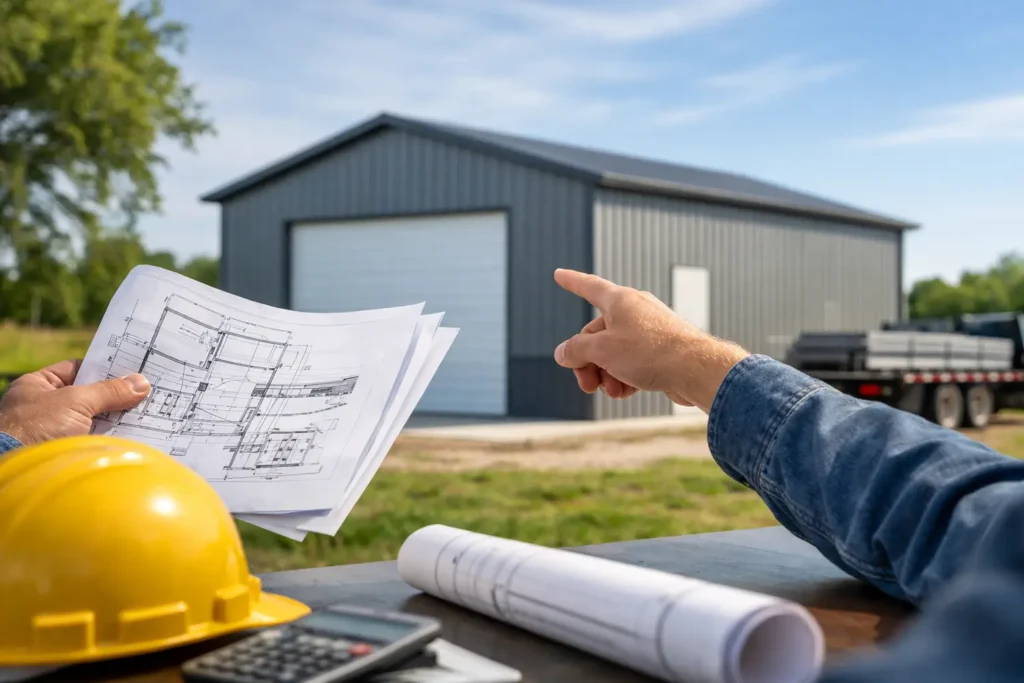
A steel garage usually looks simple on paper until you start making choices that affect price, fit, and long-term use. If you are figuring out how to order a steel garage, the fastest way to get it right is to think beyond basic width and length. The right order starts with how you plan to use the building, what your property allows, and which features will save you money and frustration later.
Some buyers know exactly what they want. Others just know they need a dependable place for vehicles, tools, equipment, or a small workshop. Both situations are normal. What matters is ordering a garage that matches your property, budget, and daily use instead of settling for a one-size-fits-all structure.
How to order a steel garage without costly mistakes
The biggest ordering mistake is buying too small. A garage that technically fits your vehicle may still be frustrating if you cannot open doors comfortably, move around a workbench, or store seasonal equipment. Before you request pricing, think about how the building will function six months from now, not just on delivery day.
Start with the real job of the garage. If you need basic vehicle protection, your size and feature list may stay fairly simple. If the garage will also hold lawn equipment, ATVs, feed, tools, or business inventory, your layout needs more breathing room. That extra width or height costs money up front, but it can prevent an expensive replacement later.
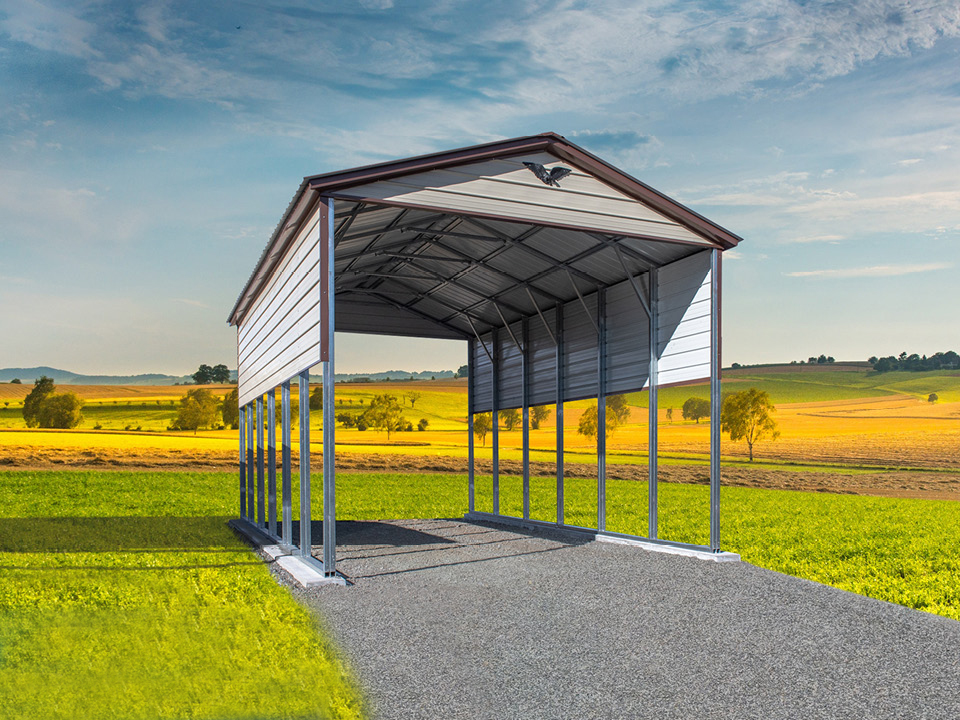
Roof style matters too. A regular roof may work well for a smaller structure in milder conditions, while an A-frame or vertical roof often makes more sense for a larger garage or areas that deal with heavier rain, snow, or debris. The right choice depends on climate, appearance, and budget. This is one of those decisions where cheaper is not always better if it creates more maintenance over time.
Start with size, access, and daily use
A good garage order begins with dimensions that make the building useful, not just possible. Width affects door clearance, parking comfort, and storage flexibility. Length determines whether you can fit larger vehicles, trailers, or work areas. Height gets overlooked often, especially by buyers with lifted trucks, roof racks, tractors, or future plans for taller equipment.
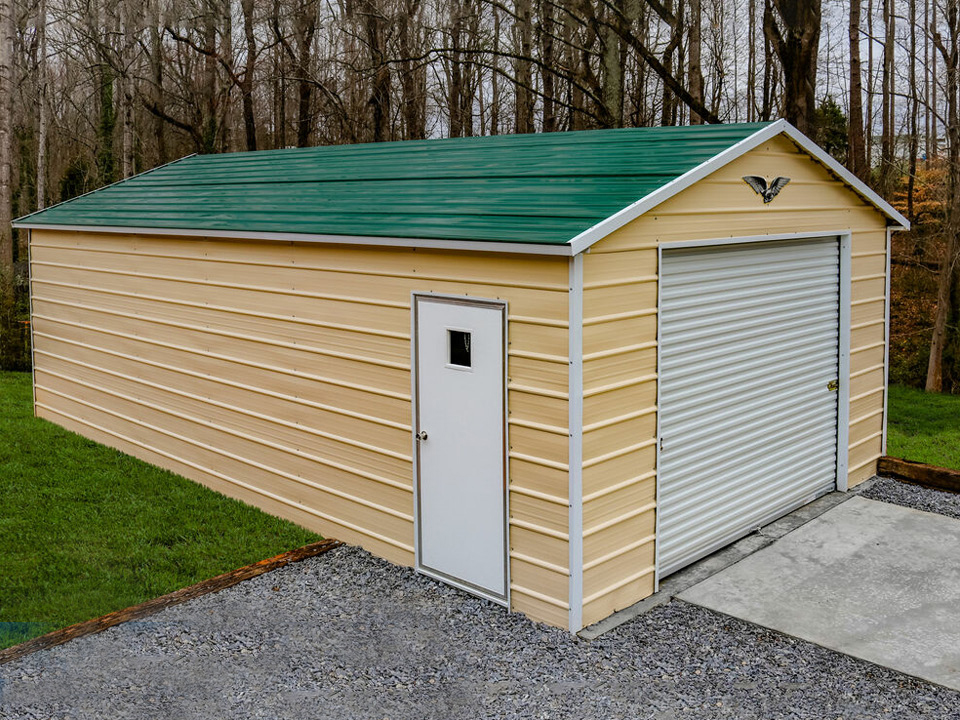
Think about access from multiple angles. You need enough room to pull in and out easily, but you also need doors placed where they make sense on the site. A front-only setup is common, but some buyers benefit from side entry, a walk-in door, or multiple garage doors to separate equipment from vehicles. If you plan to use the garage as a workshop, window placement and pedestrian access become more important than many first-time buyers expect.
This is also the right stage to think about the inside experience. Will you need open floor space for repairs? Do you want room for shelving? Are you likely to add a generator, mower, tool chest, or compressor? A steel garage should solve a space problem, not create a tighter one.
Know what your property will allow
Before you finalize an order, check local rules. Zoning, setbacks, lot coverage limits, and permit requirements can all affect your garage size and placement. Some areas also have engineering or certification requirements tied to wind and snow loads. If you skip this step and order first, you can lose time and money adjusting the design later.
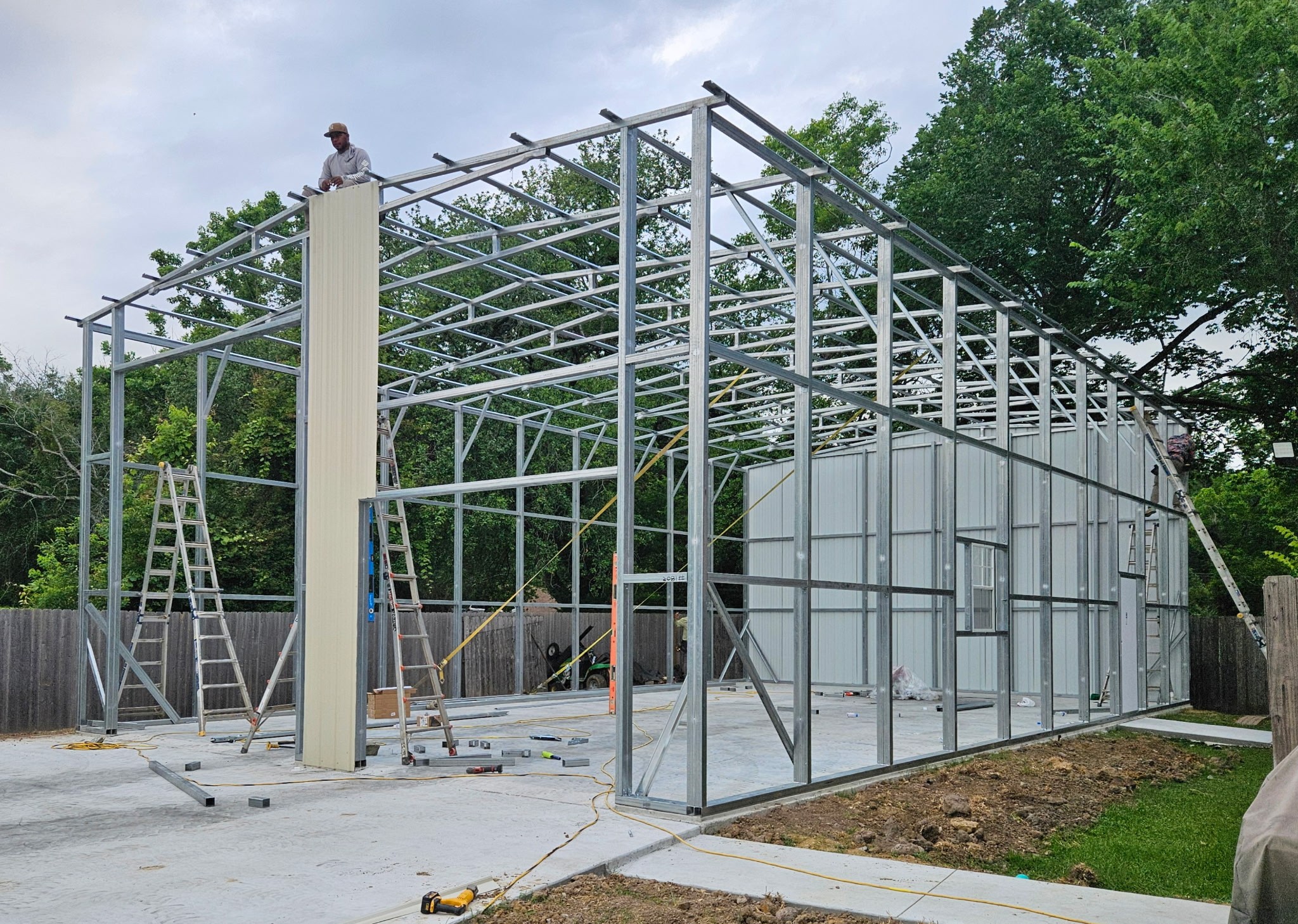
Your building site matters just as much as local code. A level, accessible area makes delivery and installation smoother. If the site has a slope, soft ground, drainage issues, trees, or limited truck access, those conditions need to be addressed early. A steel garage is only as good as the surface beneath it.
Most buyers choose a concrete pad for a fully enclosed garage, especially when they want a cleaner finish, stronger anchoring, and better long-term use. In some cases, gravel or ground installation may be possible, but it depends on the structure, the location, and how the garage will be used. If you are storing vehicles, equipment, or anything sensitive to moisture, a concrete foundation is often the smarter investment.
Choose features that match how you will use it
A steel garage is not just a shell. The right options change how practical it is every day. Garage doors are the obvious starting point, but they are only part of the decision.
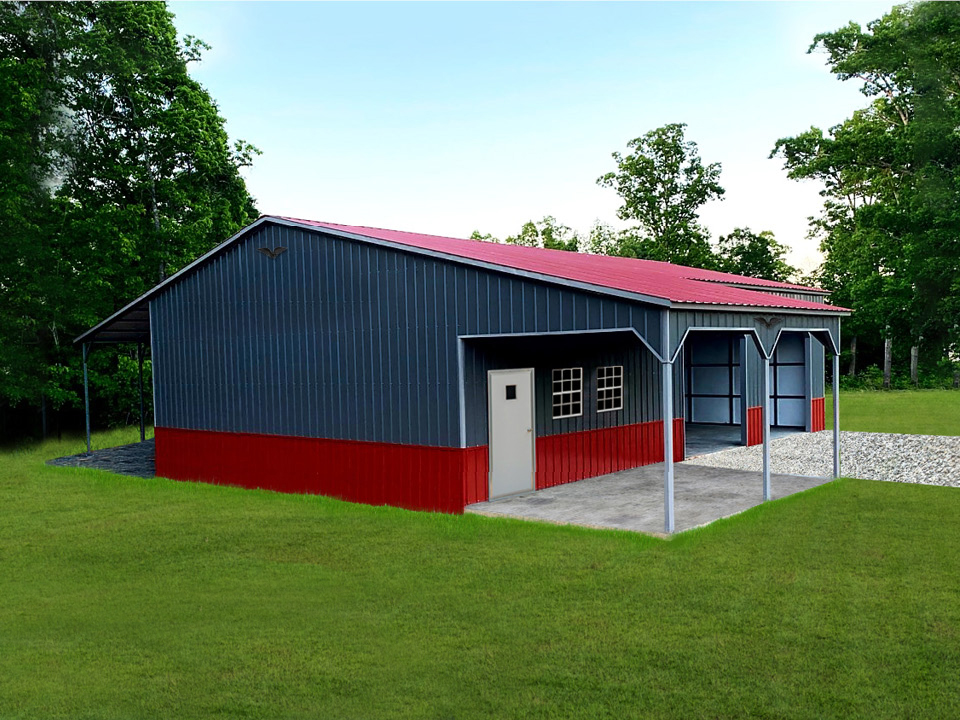
Enclosed side panels, gables, frame gauge, door style, windows, insulation, color choices, and lean-tos can all shape the final building. Some features are worth adding from the start because retrofitting later can cost more. Insulation is a good example. If your garage will double as a workspace, protect stored items, or reduce condensation issues, it is worth discussing early instead of treating it as an afterthought.
You should also be realistic about aesthetics. Many property owners want a garage that complements the house, barn, or other existing structures. That does not mean overbuilding. It means selecting colors, trim, roof style, and proportions that look intentional on your property. A custom steel garage can be highly functional without looking generic.
Get a quote that reflects the full project
When people ask how to order a steel garage, they often focus on the listed building price. That number matters, but it is not the whole project cost. A useful quote should account for the structure itself, chosen upgrades, delivery, installation, and any site or foundation work that falls outside the building package.
This is where clear communication saves time. Tell the building provider exactly how you want to use the garage, where it will be installed, and whether you need guidance on code, certification, or layout. The more complete your information, the more accurate the quote will be.
It also helps to ask what is included and what is not. Some buyers assume permits, concrete, or site prep are part of the garage package when they are not. Others underestimate how much engineered upgrades can affect pricing in certain counties or weather zones. A dependable quote should reduce surprises, not create them.
If budget is a concern, ask about ways to adjust the design without compromising the building’s purpose. Sometimes changing dimensions slightly, simplifying a door configuration, or selecting a different roof style can bring the price closer to target. Other times, financing or rent-to-own options may help you get the garage you actually need instead of a cheaper one you outgrow quickly.
Use a guided design process
Ordering a custom garage should feel structured, not confusing. A digital design tool can help you visualize dimensions, colors, and features before you commit. That matters because many buyers do not fully understand their layout until they see it take shape.
Still, digital tools work best when paired with expert support. If you are unsure about clearances, building orientation, or certification needs, a knowledgeable team can help you avoid common missteps. Essex Metal Buildings, for example, centers the process around customization and direct guidance so buyers can price and configure a garage with more confidence.
This mix of self-service and human support is especially useful for first-time buyers. You can explore options at your own pace, then confirm the important details with someone who understands the product and the installation process.
Confirm delivery, installation, and timing
Once you are ready to move forward, review the final order carefully. Confirm dimensions, colors, roof style, doors, windows, certification requirements, and installation address. A steel garage is made to order, so accuracy matters at every step.
Timing can vary based on season, manufacturing schedules, permit approval, and site readiness. If your foundation is not complete or your site is not accessible when the crew arrives, the project can be delayed. That is why the ordering phase should include a realistic installation timeline, not just an estimated delivery week.
It is also smart to ask what the installation team will need on site. Clear access, a prepared foundation, and enough working space around the building area help the job move faster and with fewer issues. Good coordination is part of a smooth order, not an extra.
What buyers should decide before placing the order
Before you approve a steel garage order, make sure you can answer a few practical questions with confidence. What will the building be used for right now? What might it need to handle in a few years? Does your site support the size and placement you want? Have you accounted for foundation, code, and installation details along with the structure price?
Those answers shape a better purchase than any generic package ever will. The best steel garage is not the one with the longest feature list. It is the one that fits your property, protects what matters, and keeps doing its job without becoming a compromise.
A well-ordered garage should give you relief, not second thoughts. If the process feels rushed or unclear, slow it down, ask better questions, and build the version that truly works for your land and your life.