If you are pricing a new shop for equipment, vehicles, storage, or side work, the steel workshop vs pole barn question usually comes down to one thing – what gives you the best long-term value for your property. The right answer depends on how you plan to use the building, how long you expect it to last, and how much flexibility you want in the design.
Some buyers start with a pole barn because the upfront number can look attractive. Others go straight to steel because they want a structure that feels more permanent and easier to maintain over time. Both can work, but they are not interchangeable once you factor in weather exposure, interior use, expansion plans, and ownership costs beyond the initial build.
Steel workshop vs pole barn: the core difference
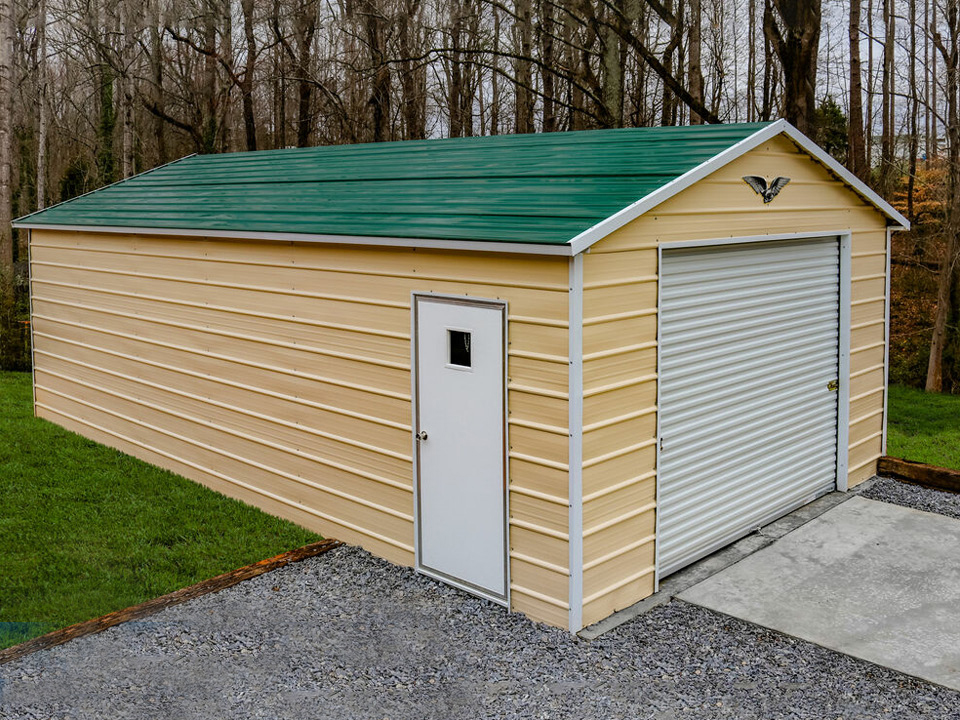
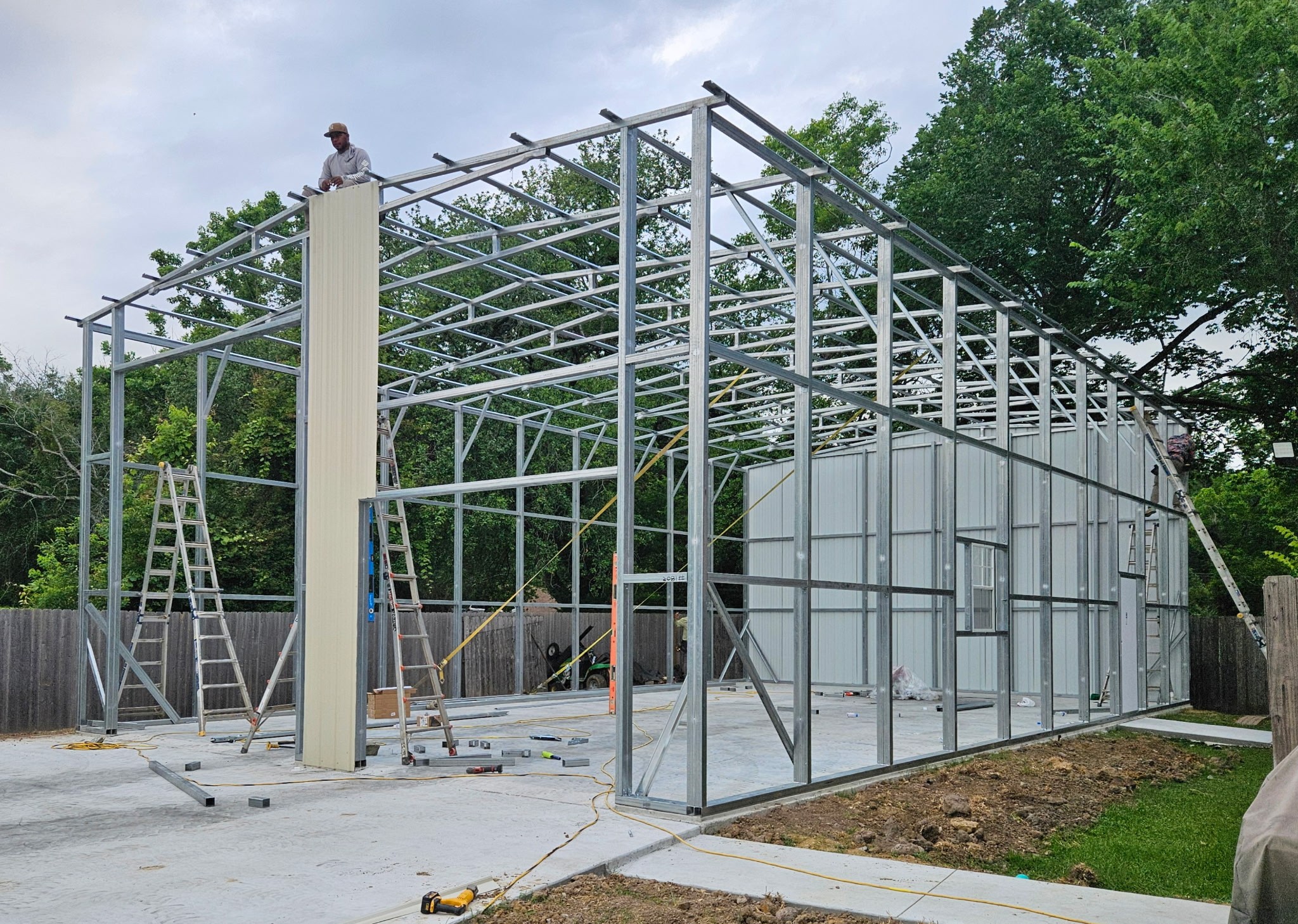
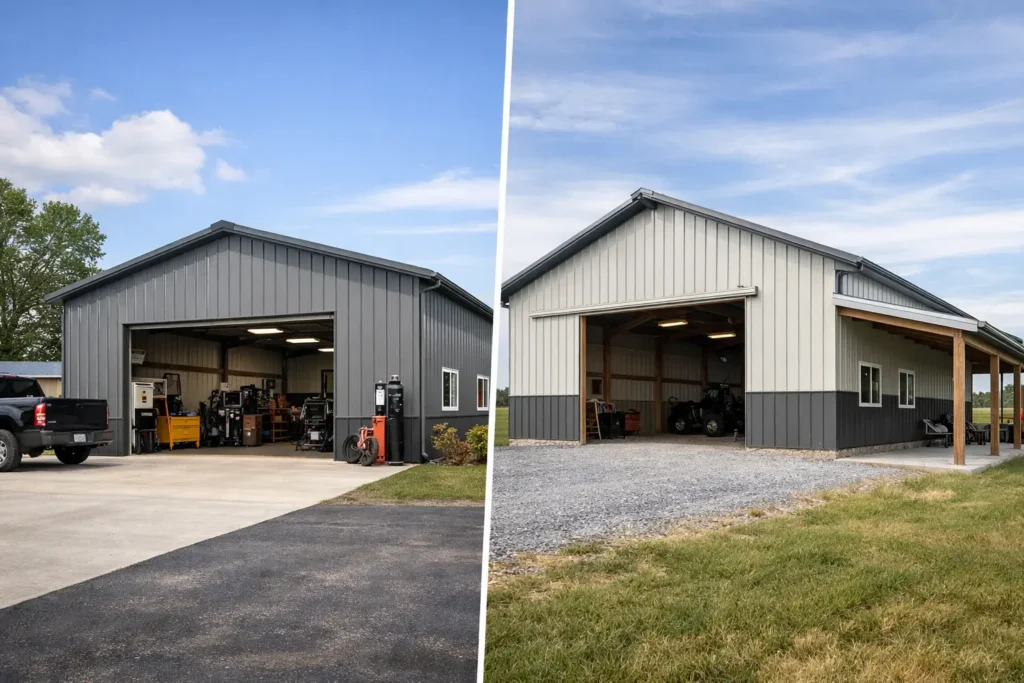
A pole barn is typically built with wood posts set into the ground or anchored to a foundation, with metal panels attached to a wood frame. A steel workshop uses a steel framing system, often paired with metal siding and roofing, to create a fully engineered structure.
That difference in framing matters more than most people expect. It affects how the building handles wind and snow, how much open interior space you get, how much maintenance you should expect, and how the structure performs after years of exposure to moisture, pests, and heavy use.
If your main goal is a simple agricultural shelter or lower-cost utility building, a pole barn may check the box. If you want a more durable workshop with cleaner spans, stronger framing, and more customization for long-term use, steel often makes more sense.
When a pole barn makes sense
Pole barns still appeal to many rural property owners for good reason. They are familiar, widely available in many markets, and can be a practical fit for hay storage, animal shelter, equipment cover, and general-purpose farm use.
For lighter-duty applications, a pole barn can be enough. If the building does not need a highly finished interior, large clear-span work area, or a long list of custom openings and upgrades, the simpler framing system may be all you need. Some buyers also like the local availability of traditional wood-frame crews.
That said, “lower cost” should always be looked at carefully. Initial pricing can vary based on lumber prices, foundation requirements, site conditions, labor rates, and local code standards. A pole barn is not automatically the budget winner in every market.
Where steel workshops pull ahead
A steel workshop is usually the stronger choice when the building is expected to do real work year after year. That includes automotive work, fabrication, equipment maintenance, commercial storage, woodworking, business use, and multipurpose residential shop space.
Steel framing gives you a more open interior with fewer limitations from posts and wood structural members. That is a major advantage if you want to move trailers, tractors, lifts, or large tools through the space without planning around interior obstructions.
Durability is another big factor. Steel does not rot, warp, or become food for termites. In many climates, especially where heat, humidity, heavy rain, or pests are a concern, that can reduce future headaches in a real way. For buyers thinking 10, 20, or 30 years ahead, the long-term picture matters.
Cost is not just the price tag
The steel workshop vs pole barn decision gets oversimplified when people compare only the first quote. A better way to evaluate the project is to ask what the building will cost you over its useful life.
A pole barn may have a lower starting price in some cases, but future repair and upkeep can shift that equation. Wood posts and framing components can face moisture issues, insect damage, and gradual wear. Even with proper treatment and good construction practices, wood-based systems usually ask more from the owner over time.
Steel workshops often cost more upfront depending on size, features, and local installation conditions, but they can make up that difference through reduced maintenance, longer service life, and stronger structural performance. If the building is central to how you work, store expensive equipment, or protect vehicles, the value of that added reliability is hard to ignore.
Foundation, moisture, and long-term performance
One of the most important differences between these building types is how they deal with the ground and the environment around them. In many pole barn designs, the structural posts are tied directly to ground contact conditions in some way. That makes drainage, soil conditions, and long-term moisture management especially important.
A steel workshop is often paired with a more defined foundation approach, such as a concrete slab or engineered anchoring system. That can create a more stable, finished building environment, especially if you plan to spend real time inside the shop or use rolling equipment on a regular basis.
If you want a workshop with insulation, finished walls, electrical, large doors, and a cleaner interior, steel tends to support that kind of build-out more naturally. It is not that a pole barn cannot be upgraded, but steel is often the better fit when the building needs to function like a true work space rather than a basic shelter.
Interior space and layout flexibility
This is where many buyers change their minds.
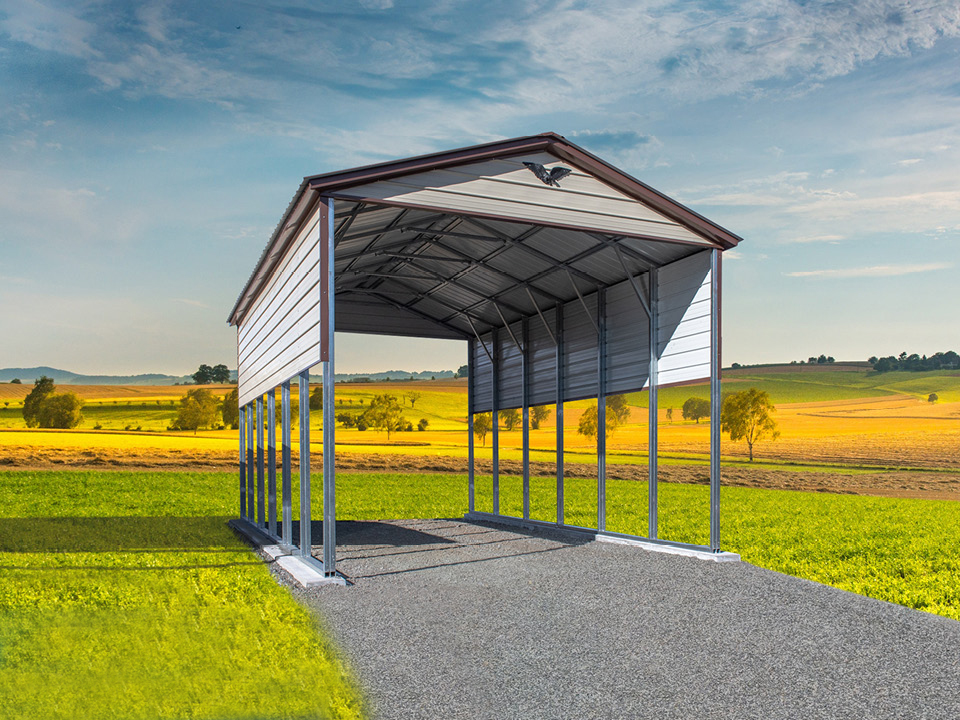
A workshop needs usable space, not just square footage. Steel buildings are known for clear-span design options that leave the interior more open. That means fewer structural interruptions and more freedom for lifts, workbenches, storage systems, office build-outs, or vehicle access.
Pole barns can absolutely provide useful interior room, but the structural approach may limit how open and adaptable the space feels depending on the width, layout, and framing design. If your needs are simple, that may not matter. If you are building a serious workshop, it usually does.
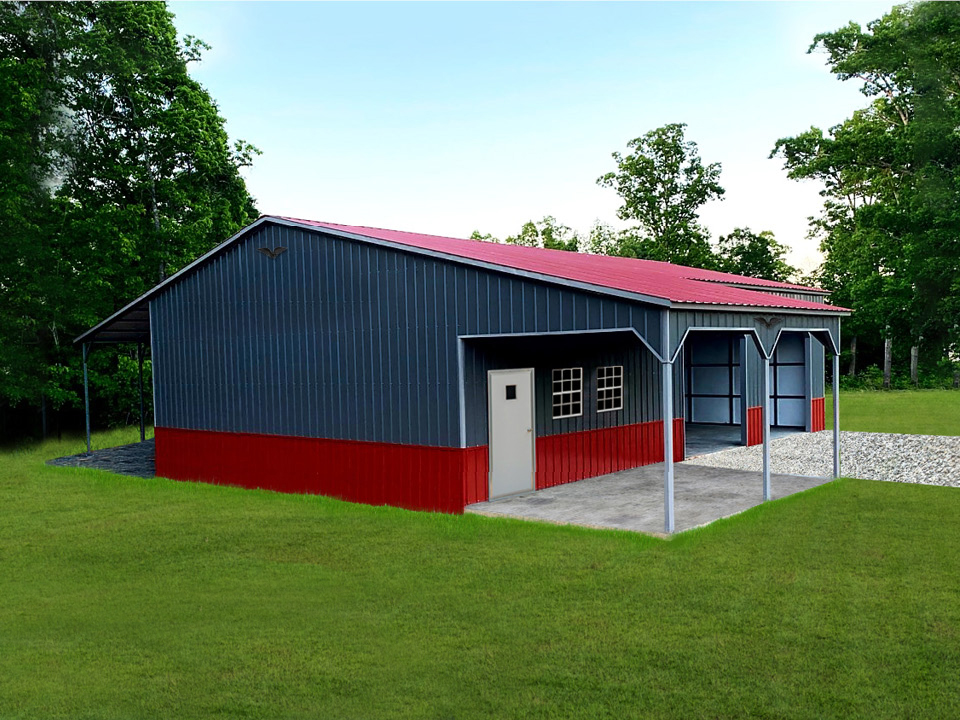
Customization also plays a role. With a made-to-order steel building, you can typically configure dimensions, roof style, panel colors, door placements, windows, lean-tos, and enclosed sections around how you actually use the property. That level of control is one reason many buyers prefer steel when they do not want to settle for a one-size-fits-all structure.
Weather resistance and code considerations
Every region puts buildings under different stress. Wind, snow load, heavy rain, and temperature swings can all influence the smarter choice.
Steel buildings are commonly engineered to meet specific local load requirements, which can give buyers more confidence in areas with demanding weather conditions. Pole barns can also be built to code, of course, but quality varies heavily with design, materials, and installer experience.
That is why this decision should never be made on building type alone. It also depends on who is designing it, what standards it is built to meet, and whether the structure is actually matched to your county and use case. A cheap building that underperforms in your climate is not a bargain.
Maintenance and ownership experience
Most property owners are not looking for another project to babysit. They want a building that protects what matters and stays useful without constant repair work.
This is one of the clearest arguments for steel. A well-built steel workshop generally asks less of you over time. You are not dealing with the same concerns around rot, insect damage, or wood movement. That can be especially valuable for owners who use the structure daily or who simply want predictable ownership costs.
Pole barns can perform well when properly built and maintained, but maintenance expectations are usually different. If you are focused on minimizing long-term upkeep, steel has the edge.
Which one is better for your property?
If you need a straightforward farm building for lighter-duty use and your budget is driving the project, a pole barn may be a reasonable option. If you want a permanent-feeling, highly usable workshop with better durability, cleaner spans, and more design flexibility, a steel workshop is usually the better investment.
For many homeowners, landowners, and small business operators, the real question is not which building is cheapest today. It is which one will still be doing the job years from now without costly compromises.
That is why buyers who want a workshop, not just a shelter, often lean toward steel. The structure is better suited for customization, day-to-day use, and long-term value. If you are building once and want to get it right, that difference matters.
At Essex Metal Buildings, that is the kind of decision we help customers work through every day – balancing budget, use case, site conditions, and future plans so the building fits the property instead of forcing the property to fit the building.
Before you choose, think past the first quote. Picture how you will use the space on a hot afternoon, a wet winter day, or five years after the install. The best building is the one that still feels like the right choice when the newness wears off.