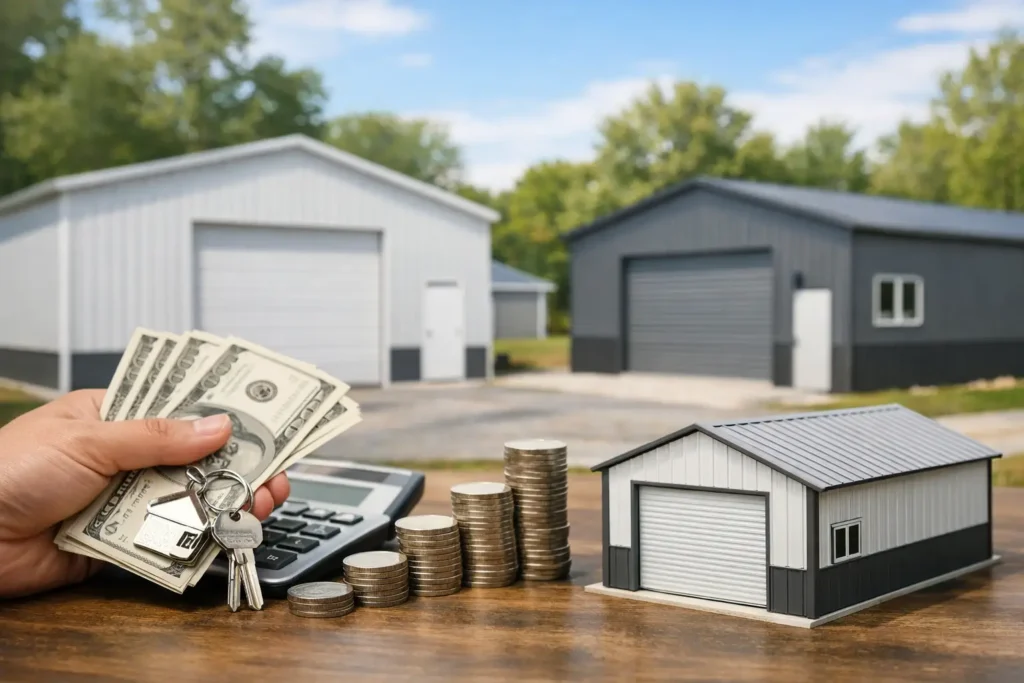
A lot of garage buyers get stuck on the wrong question first. They ask, “What will my monthly payment be?” before they ask, “What financing setup actually fits the building I need?” When you compare the best financing options metal garages buyers use, the lowest monthly payment is not always the best deal, and the fastest approval is not always the safest choice.
A metal garage is a practical purchase. It protects vehicles, tools, equipment, inventory, and workspace. It can also solve a space problem that keeps getting more expensive every year you wait. That is why financing matters. The right option helps you move forward without forcing you into a building that is too small, too basic, or too costly in the long run.
How to compare the best financing options for metal garages
Start with the total project, not just the structure price. Your garage cost may include the building size, roof style, doors, windows, insulation, anchors, certification requirements, site prep, and installation. If you finance only part of that cost and pay the rest out of pocket, your real budget can shift fast.
Next, look at three numbers side by side: upfront cost, monthly payment, and total paid over time. A lower payment can feel comfortable now but cost more over the life of the agreement. On the other hand, a shorter repayment term can save money overall but put pressure on your monthly cash flow.
It also helps to think about how certain you are about your design. If you are still deciding on width, height, enclosed bays, or custom features, flexible financing may matter as much as the rate. Buyers who need a fast, customized solution often benefit from a process that keeps approval simple and does not create extra hurdles while the building is being configured.
Rent-to-own is often the most accessible path
For many property owners, rent-to-own is one of the best financing options for metal garages because it removes some of the biggest barriers to getting started. In many cases, the approval process is simpler than a traditional loan, and large upfront payments may not be required.
That makes rent-to-own appealing for buyers who want to protect vehicles or equipment now instead of waiting months or years to save the full amount. It is especially useful for first-time buyers, rural property owners, and customers who want a custom structure but do not want a complicated bank process.
The trade-off is that rent-to-own is not always the cheapest path in total dollars. You may pay more over time compared with paying cash or qualifying for a lower-interest loan. Terms can also vary depending on building type, provider requirements, and state availability.
Still, accessibility matters. If the alternative is delaying a needed garage while tools, tractors, RVs, or work vehicles sit exposed, rent-to-own can be the practical choice. For many buyers, speed and simplicity carry real value.
Personal loans can work if you want ownership from day one
A personal loan is another common option, especially for buyers with solid credit and a clear budget. This route can give you a fixed term and predictable monthly payments, and you typically own the building outright rather than making rental-style payments.
Personal loans can be a good fit for smaller to mid-size garage projects where the cost falls within a lender’s limits. They may also make sense if you want to bundle some related expenses into one payment, such as minor site preparation or accessory upgrades.
The downside is that approval usually depends more heavily on credit score, income, and debt levels. Rates can also vary widely. A buyer with strong credit may secure a manageable rate, while a buyer with weaker credit may end up with a costly offer that is not much better than a higher-priced alternative.
If you are considering a personal loan, pay attention to origination fees, prepayment penalties, and how quickly funds are released. A decent rate can lose its appeal if fees stack up or funding delays hold up your project.
Dealer-supported financing adds convenience
Some buyers prefer financing arranged as part of the purchase process. That convenience can be a major advantage, especially if you are ordering a custom building and want one guided path from design through installation.
Dealer-supported financing can save time because the structure details, quote, and financing discussion all happen in the same workflow. You are not trying to explain custom dimensions, certifications, and install details to an outside lender that may not understand metal building projects.
This option works best when pricing is transparent and the terms are clearly explained. Convenience should not come at the cost of clarity. Ask whether the monthly payment reflects only the building, or the full installed project. Also ask what happens if your design changes before final approval.
For buyers who want support and fewer moving parts, this can be one of the best financing options metal garages shoppers should consider. A company with a guided process, local support, and experience working with custom orders can help reduce confusion at the point where many deals stall.
Credit cards are usually a short-term tool, not a full solution
Using a credit card for a metal garage is rarely the best full-project strategy, but it can help in limited situations. Some buyers use a card for a deposit, site prep materials, or small add-ons while financing the main structure another way.
A promotional rate can look attractive, but only if you are confident you can pay the balance before the standard rate kicks in. Once high interest starts accruing, the total cost can climb quickly.
For a full garage purchase, credit cards are often the riskiest choice. They usually carry higher rates than structured financing, and revolving debt can become expensive fast. If you do use a card, keep it targeted and temporary.
Home equity can offer lower rates, but it is not for everyone
Some homeowners look to home equity loans or lines of credit because they may offer lower rates than unsecured borrowing. If you have built equity and want to fund a larger garage, workshop, or multi-use building, this can be a strong option.
The reason is simple: secured borrowing is often priced more favorably than unsecured credit. That can make a noticeable difference on larger projects.
But this route carries more risk. Your home is tied to the loan, and approval can take longer. It may also involve extra paperwork, fees, and lender requirements. If you need a building quickly or you prefer a simpler approval path, home equity financing may feel heavier than necessary.
Cash is cheapest on paper, but not always smartest in practice
Paying cash avoids interest and keeps the transaction straightforward. If you have the funds and the purchase will not strain your reserves, cash is hard to beat from a total-cost standpoint.
Still, cash is not automatically the best answer. Many buyers need to preserve liquidity for land improvements, business operations, emergency repairs, or seasonal expenses. Draining cash reserves for a garage can create stress elsewhere.
That is why financing should be judged in context. A reasonable monthly payment may be worth it if it allows you to build the right structure now while keeping working capital available.
What makes one financing option better than another
The best choice depends on your timeline, credit profile, and how the garage will be used. If you need fast approval and accessible terms, rent-to-own may be the right fit. If you have strong credit and want potentially lower overall borrowing costs, a personal loan may be better. If you value convenience and want help aligning the building quote with financing, dealer-supported options deserve a close look.
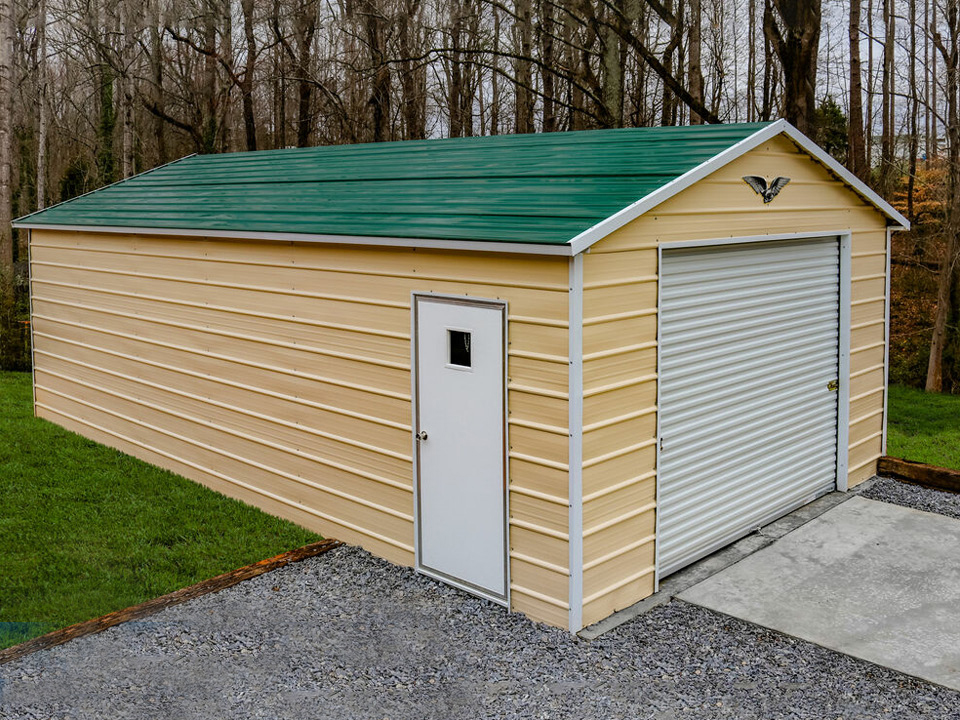
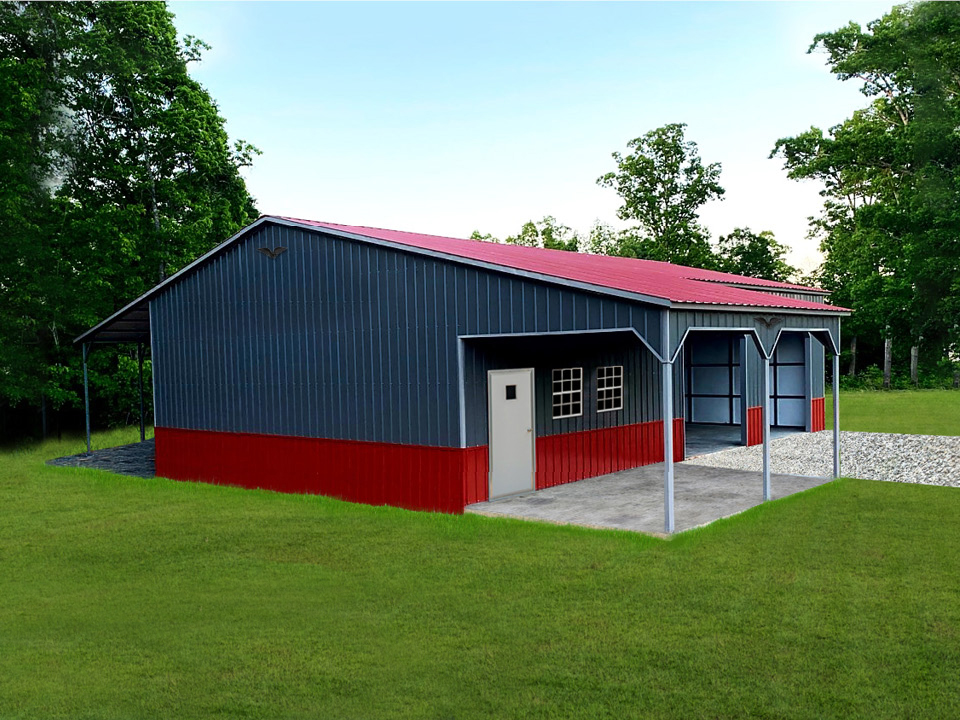
It also depends on how custom your project is. A basic one-car garage and a fully enclosed multi-bay structure with upgraded doors and taller legs are very different purchases. The more tailored the building, the more helpful it is to work with a provider that understands the project beyond the sticker price.
Before you commit, ask direct questions. What is due upfront? Is installation included? Are there penalties for paying early? What is the total amount paid by the end of the term? Those answers matter more than a sales headline.
At Essex Metal Buildings, that is why the buying process is built around design clarity, transparent quoting, and financing support that helps customers move from idea to installed building without guesswork.
A metal garage should solve a problem, not create a new one in your budget. The right financing option gives you room to build what you actually need, protect what matters on your property, and move ahead with confidence instead of compromise.