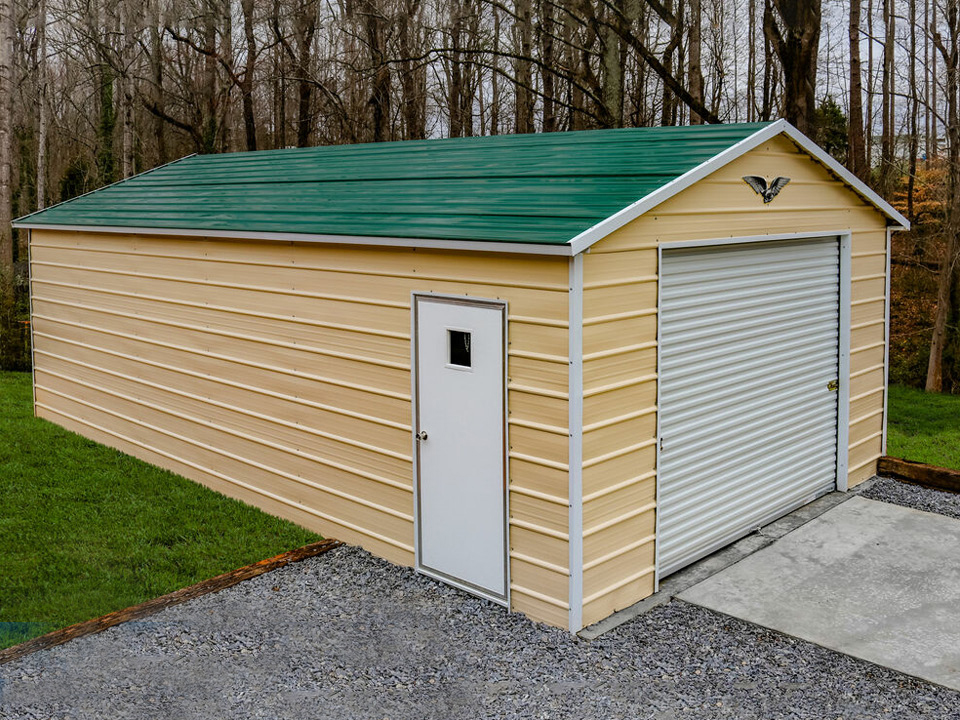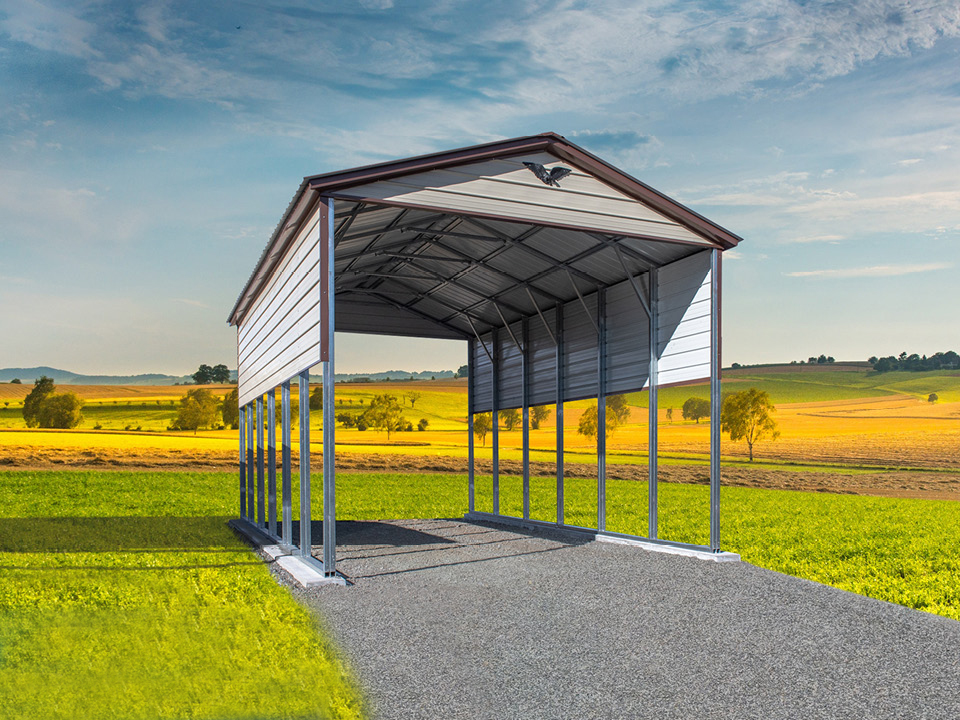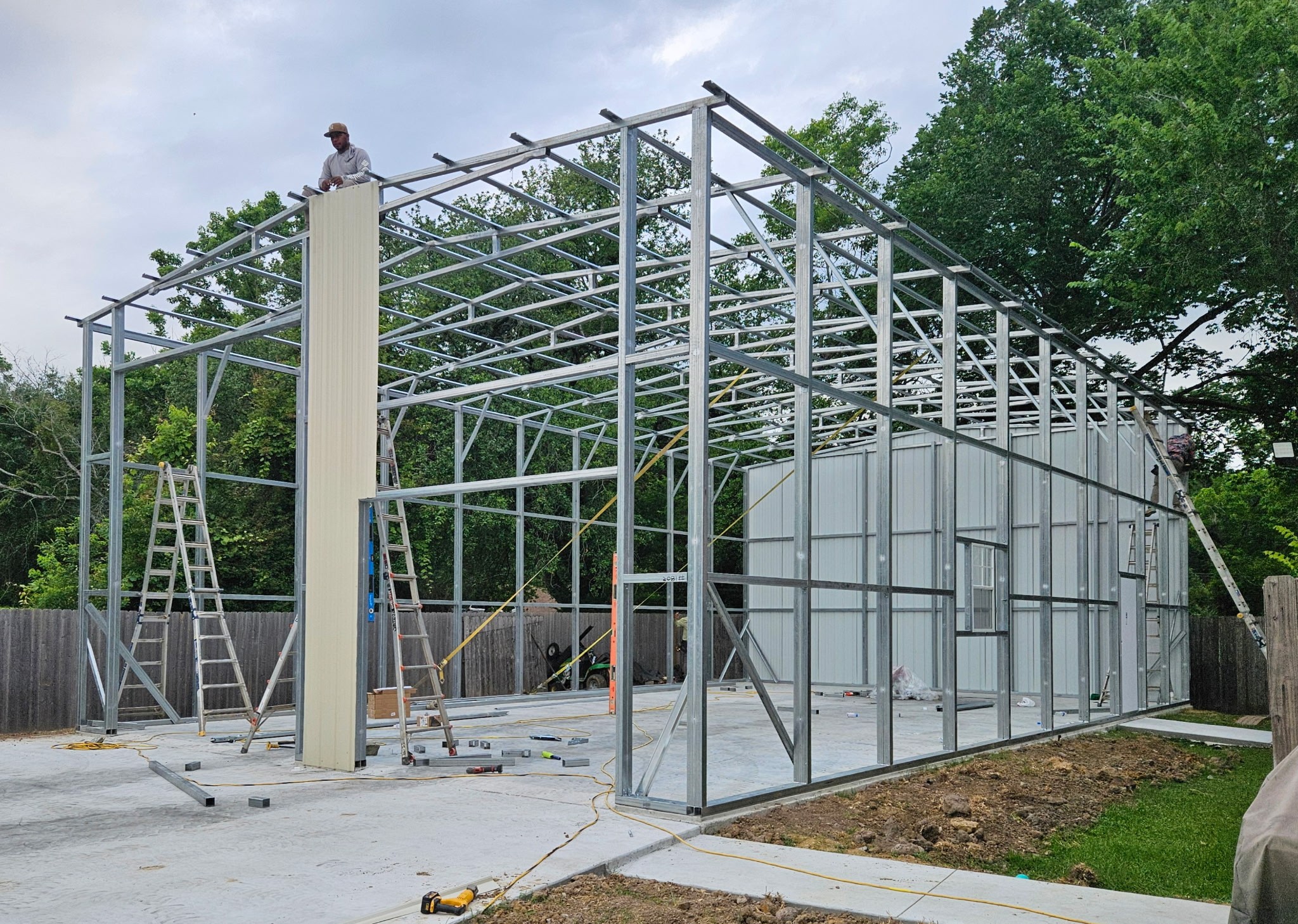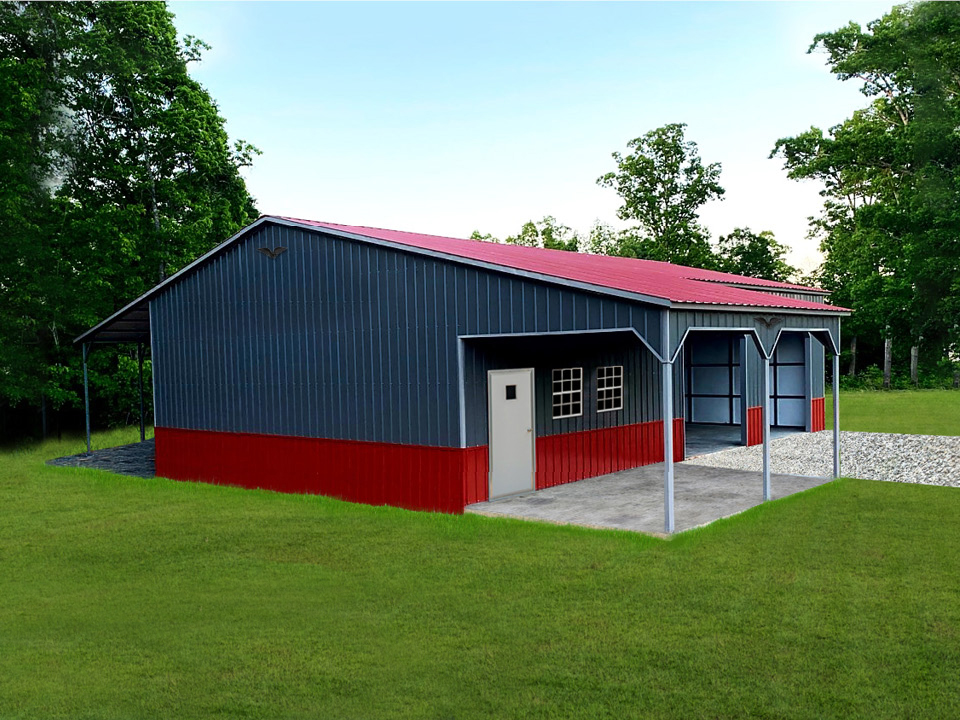
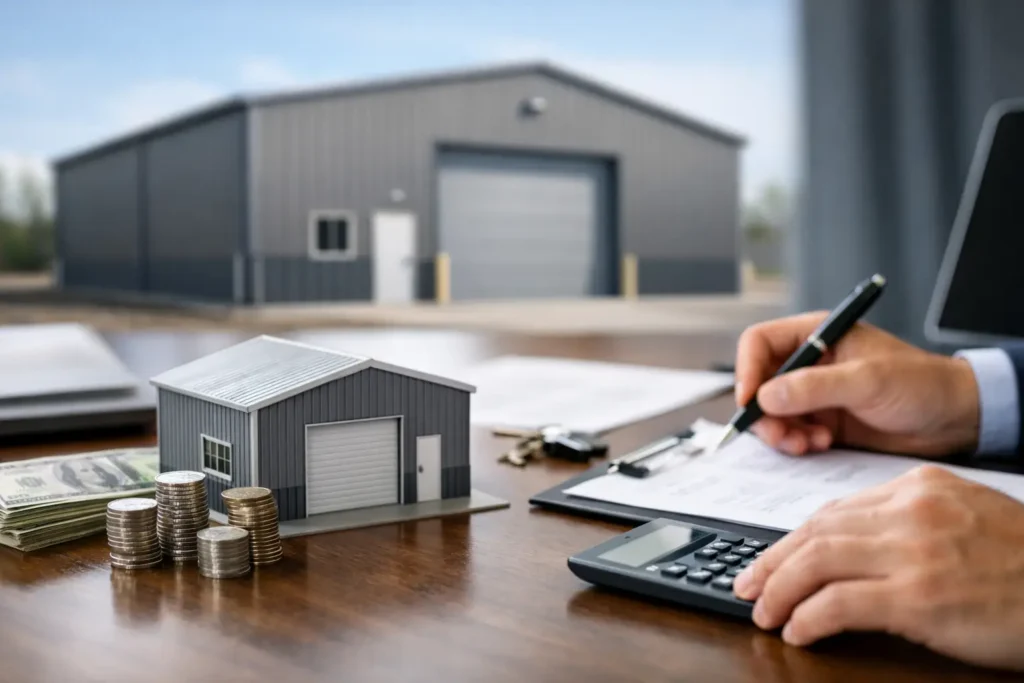
Sticker shock usually hits right after you design the building you actually want. The width is right, the height clears your RV, the doors make sense for daily use, and then the question becomes how to finance metal building plans without settling for a structure that falls short.
That question matters because the cheapest option upfront is not always the best value over time. A metal building is meant to solve a real problem – protecting vehicles, storing equipment, creating workspace, or adding usable square footage to your property. Financing can make that purchase more manageable, but only if you understand what you are paying for, what options are available, and where the trade-offs are.
How to finance metal building projects without overbuying
The first step is deciding what you truly need the building to do. A carport for basic weather protection is a different purchase from an enclosed garage, workshop, or agricultural barn. If you finance more structure than you need, your monthly payment climbs fast. If you finance too little, you may end up replacing or upgrading sooner than expected.
Start with function before features. Think about what will be stored inside, how often the building will be used, whether you need enclosed walls, what kind of access points make sense, and whether future expansion is likely. Buyers often focus on dimensions first, but usability matters just as much. Door placement, leg height, roof style, and certification requirements can all affect cost.
A practical financing decision starts with a practical building plan. When the design matches the job, the payment tends to make more sense.
The most common ways to finance a metal building
There is no single best financing path for every buyer. The right fit depends on your budget, credit profile, timeline, and whether the building is residential, agricultural, or commercial in use.
Rent-to-own
For many buyers, rent-to-own is the most accessible way to move forward. It is especially useful for people who want manageable monthly payments without going through a traditional bank loan process. Approval is often simpler, and in many cases there is no large upfront payment compared with conventional financing.
This option can be a strong fit if you need the building soon and want to spread out the cost. It is commonly used for carports, garages, barns, sheds, and other practical structures where the buyer wants flexibility and a faster path to installation.
The trade-off is that rent-to-own is not always the cheapest route in total cost over time. Monthly affordability can improve, but the long-term amount paid may be higher than paying cash upfront. That does not make it a bad choice. It just means you should compare the total obligation, not only the monthly number.
Personal loans or home improvement loans
Some buyers use a personal loan to cover the building cost. This can work well if the loan amount matches the project size and the terms are competitive. Personal loans may provide a fixed payment schedule and a clear payoff timeline, which many property owners prefer.
The downside is that rates can vary widely based on credit, income, and lender requirements. For larger custom buildings, the amount you qualify for may not cover the full project. You also need to look closely at fees and interest, because a lower monthly payment can still mean more paid overall.
Home equity financing
If you own your property and have enough equity, a home equity loan or line of credit may offer a lower-rate option than unsecured borrowing. This can be appealing for larger garages, workshops, or multi-use metal buildings that add long-term utility to your property.
Still, this route carries more risk because your home is tied to the financing. It also tends to involve a longer approval process and more documentation. If speed and simplicity matter most, buyers often choose a different option.
Cash or partial cash plus financing
Some customers prefer to put money down and finance the rest. That can lower the monthly payment and reduce the total financed amount without draining all available savings. This middle-ground approach often works well for buyers who want flexibility but also want to keep financing costs under control.
If your project includes site prep, permits, or add-ons, keeping some cash in reserve is smart. A building budget rarely ends at the base unit price.
Budget for the full project, not just the structure
One of the biggest financing mistakes is focusing only on the price of the building itself. The full project may include delivery, installation, anchors, site preparation, permits, grading, concrete, or local code upgrades. Depending on your location and building type, those costs can change the real budget significantly.
That is why transparent quoting matters. You need to know what is included, what is optional, and what may be handled separately. A low advertised price can look appealing until you realize it does not reflect the building configuration you actually need.
If you are comparing financing options, use the full project cost each time. Otherwise, you are not comparing accurately. A cheaper monthly payment on an incomplete budget can create more stress later when additional costs show up.
What lenders and financing providers usually look at
Even flexible financing programs typically look at a few basic factors. They may consider your credit profile, payment history, income stability, and the size of the purchase. Some rent-to-own programs are more focused on payment ability than traditional underwriting, which is why they appeal to buyers who want a simpler path.
It helps to go into the process with realistic expectations. Better credit usually improves your options. A larger or more customized building may require a closer review. And if your project includes extras like insulation, multiple roll-up doors, or vertical roof upgrades, those features may affect the total amount financed.
The best move is to ask upfront what documentation is needed and how the approval process works. Clarity saves time.
How to choose the right payment structure
A good financing plan should support your property goals, not strain them. If your monthly payment feels tight from the start, the building may become more stressful than helpful.
Look at your expected use and value. If the structure protects expensive equipment, eliminates storage rental, supports a home business, or prevents weather damage to vehicles, the payment may be easier to justify. If it is more of a nice-to-have project, you may want to scale the design or wait until terms improve.
This is also where building customization matters. You do not have to choose between bare minimum and oversized. A well-designed custom structure can hit the practical middle ground. That may mean adjusting dimensions, selecting the right roof style, or planning for future enclosure instead of financing every upgrade on day one.
Questions to ask before you sign
Before you agree to any financing, make sure you understand the payment amount, term length, total amount paid, any fees, and whether there are penalties for early payoff. Ask what happens if you want to upgrade the building design before finalizing the order. Also confirm what parts of the project are included in the quoted amount.
If the process feels vague, slow down. A dependable provider should be able to explain the numbers clearly and help you match the building to your budget without pressure.
For many buyers, the easiest path is working with a company that can guide both the design and financing side in one place. That reduces back-and-forth, helps prevent mismatched expectations, and gives you a clearer picture of what your monthly investment actually delivers. Essex Metal Buildings is built around that kind of guided process, which is especially helpful for first-time buyers who want design flexibility without guesswork.
How to finance a metal building with confidence
If you are trying to figure out how to finance a metal building, start with the use case, build a realistic project budget, and compare financing by total value – not just by monthly payment. A fast approval is helpful, but only if the structure, terms, and final cost all make sense together.
The right building should fit your property, your priorities, and your budget at the same time. When those pieces line up, financing stops feeling like a hurdle and starts feeling like a practical way to get the space you need now instead of putting the project off for another year.